Colombia’s reputation is thirty years out of date, but it isn’t baseless. Cartels, kidnappings and the Medellín of the early 1990s are the picture many people still carry. The country they describe has changed a great deal, and the one that replaced it has more reasons to visit than most of South America. This post covers the reasons, then the caveats most travel blogs skip.
Contents
- Is Colombia safe? The short version
- 1. The birds, orchids and whales
- 2. The coffee region and Cocora Valley
- 3. Food that costs less than the coffee back home
- 4. Cartagena’s walled city
- 5. A Caribbean coast with jungle behind it
- 6. The Lost City trek
- 7. Medellín’s reinvention
- 8. Bogotá, the underrated capital
- 9. Festivals with real stamina
- 10. Landscapes that look like different planets
- 11. Prices that stretch a budget
- When to go
- Which reasons to visit Colombia fit your trip
- Planning block: regions, altitude, flights, first route
Is Colombia safe? The short version
Mostly yes in the places tourists go, with caveats. Colombia has welcomed more than six million international visitors a year recently, and the standard tourist circuit (Bogotá, Medellín, Cartagena, the coffee region, Santa Marta) runs smoothly for people who use common sense.
The risks are specific. Phone snatching and bag theft are the main ones, especially in central Bogotá and Medellín. Don’t walk around with your phone out on the street, and use ride apps or hotel-called taxis at night. Drink spiking and dating-app setups are a documented problem in Medellín and Cartagena, so don’t leave drinks unattended and be wary of a new acquaintance who is keen to move the evening somewhere private.
Some regions are a different matter. Armed groups remain active in parts of the country, mainly border departments like Arauca and Norte de Santander and areas of Cauca. The US State Department’s Colombia advisory rates these areas far higher than the main tourist cities. Read the current version before booking, since it changes, and avoid overland trips through those regions.
1. The birds, orchids and whales
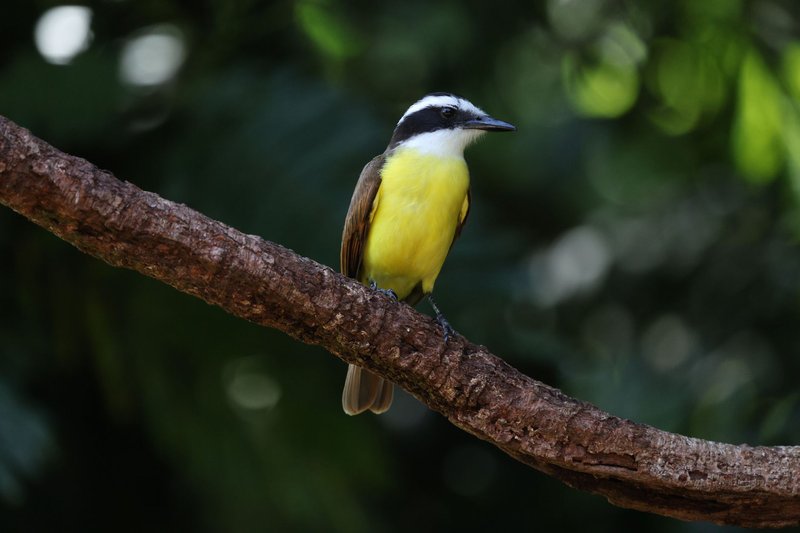
Colombia is second only to Brazil in overall biodiversity, and it holds more bird species than any other country, over 1,900. It also has more than 4,000 orchid species. That comes from geography: the Andes split into three ranges here, and the country touches the Amazon, the Caribbean and the Pacific.
For birders, the hills above Minca near Santa Marta and the cloud forests around Manizales are the easy starts. Hummingbirds show up at feeders at almost every coffee farm lodge. From roughly June to October, humpback whales breed along the Pacific coast near Nuquí and Bahía Solano, where you can watch them from a boat or, with luck, from the beach.
2. The coffee region and Cocora Valley
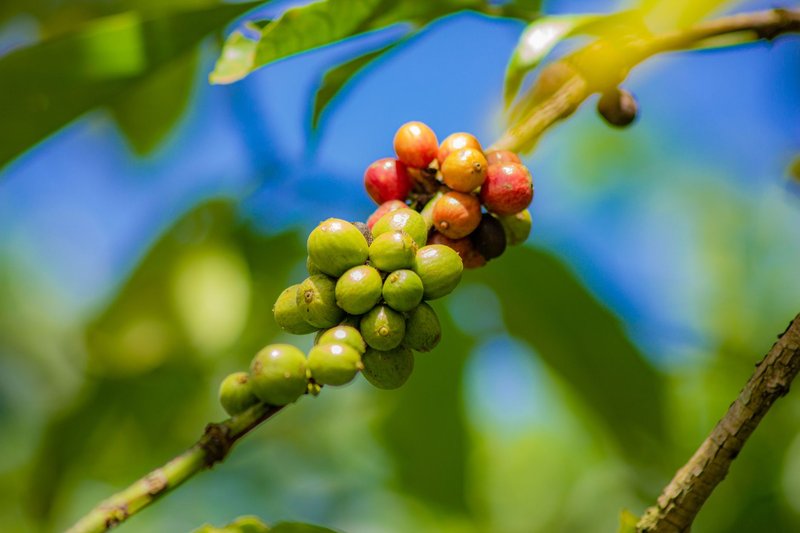
The Eje Cafetero, or Coffee Axis, covers the departments of Caldas, Risaralda and Quindío, and UNESCO lists its coffee cultural landscape as a World Heritage Site. Steep green hills, small family fincas and painted towns make up the scenery.
Base yourself in Salento. Tour a working farm in the morning, where someone walks you from cherry to cup, then head to Cocora Valley by Willys jeep from the main square (about 30 minutes). The Quindío wax palm, Colombia’s national tree, grows up to 60 meters, among the tallest palms on earth. The loop hike through the valley takes four to five hours and gets muddy, so bring proper shoes. Go early, because mist rolls in by midday.
3. Food that costs less than the coffee back home

The menú del día is the best deal in the country: soup, a main of meat or fish with rice, beans or plantain, a juice and sometimes dessert. Outside the most touristy blocks it runs around COP 15,000 to 25,000, roughly US$4 to $6 at recent exchange rates.
Regional dishes are the real draw. Bogotá has ajiaco, a chicken and three-potato soup served with capers and cream. Antioquia has the bandeja paisa, a platter of beans, rice, pork belly, chorizo, fried egg, avocado and an arepa that you should not attempt on a hot day. The Caribbean coast does coconut rice, fried fish and arepa de huevo. The Pacific side cooks seafood in coconut and herb sauces. Then there’s the fruit: lulo, guanábana, maracuyá and others you won’t find at home, blended into juice for about a dollar.
4. Cartagena’s walled city
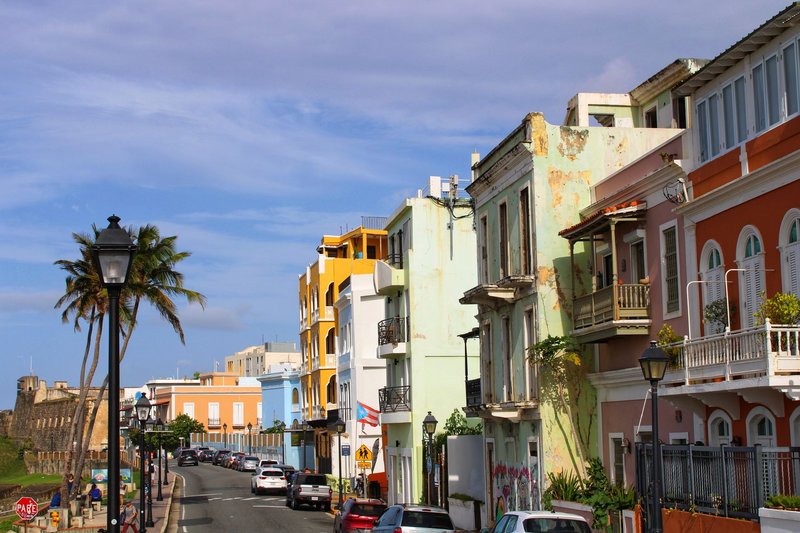
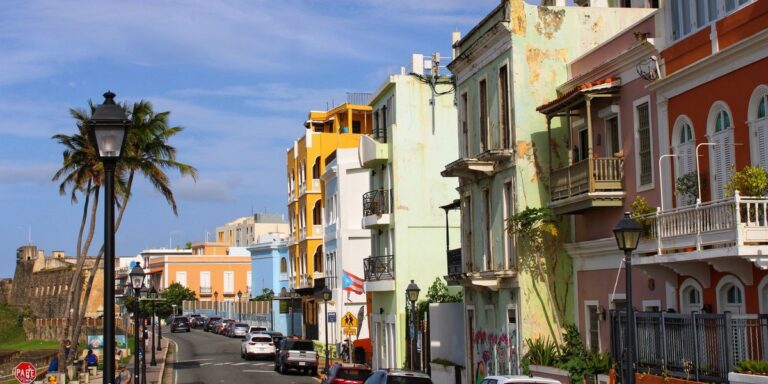
Cartagena’s 16th to 18th century walls ran for more than ten kilometers to keep out pirates, and they still wrap the old town. UNESCO lists the port, fortresses and monuments of Cartagena, and the Castillo San Felipe de Barajas above the city is the largest Spanish fortress in the Americas.
The old town is for wandering at dusk, once the heat drops from 32°C and the plazas fill up. Getsemaní, just outside the walls, has the street murals, rooftop bars and cheaper meals. The drawbacks are real: constant street vendors, inflated tourist prices and humidity that makes midday outdoors unpleasant. Book a boat to the Rosario Islands only if you don’t mind sharing the beach with half the city.
5. A Caribbean coast with jungle behind it
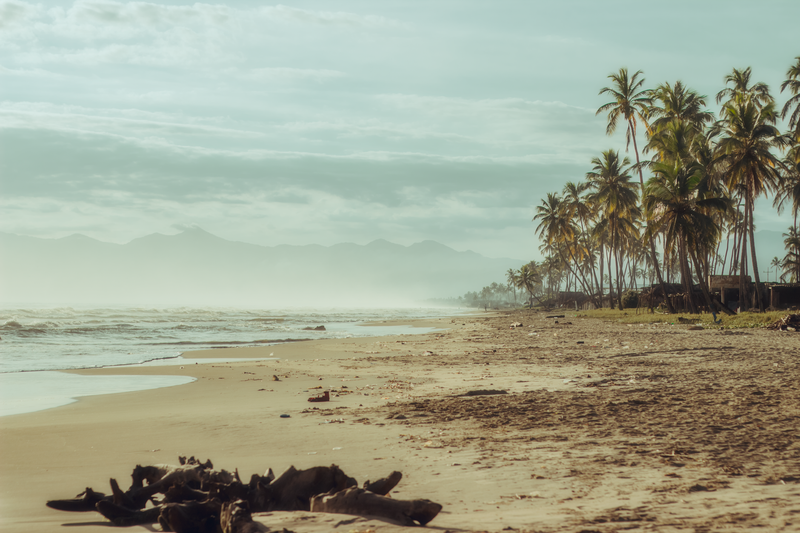
Santa Marta is the hub. Parque Tayrona, 35 kilometers east, puts palm-lined beaches against rainforest, and you reach most of them on foot, which keeps crowds thinner than the typical resort. Beyond Tayrona, the surf town of Palomino has a wide beach, a river for tubing and the snow-capped Sierra Nevada rising in the background, visible on clear mornings. Colombia’s Caribbean coast sits at sea level and stays hot year round.
Check that Tayrona is open before you go: it closes for several days a few times a year for indigenous ceremonies. For an island option, flights to Providencia and San Andrés offer clear water, but costs are higher than the mainland.
6. The Lost City trek
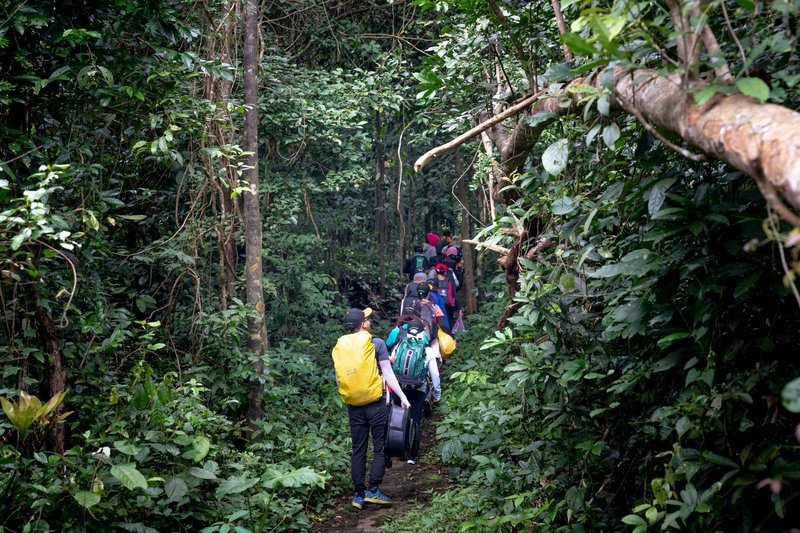
Ciudad Perdida, or Teyuna, is a stone-terraced city in the Sierra Nevada de Santa Marta built around 800 CE, roughly 650 years before Machu Picchu. You reach it only on foot: a 44-kilometer round trip over four to six days through jungle, river crossings and humidity, finishing with about 1,200 stone steps to the site.
Only licensed operators can take you, and the price (typically US$400 to $600, covering food, guides and basic bunk accommodation) is the same across most of them. The trail is much less crowded than Peru’s. It closes for maintenance for a period each year, so confirm dates, and it’s muddier in the wetter months. December to March is the easiest window.
7. Medellín’s reinvention
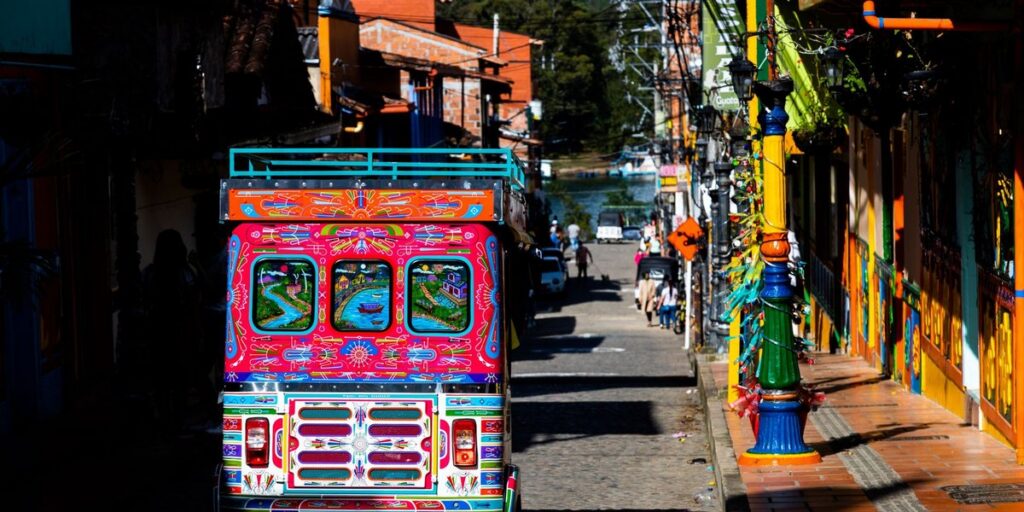
Medellín was the world’s murder capital in the early 1990s. Today it’s the best argument that Colombia has moved on. The city’s Metro and cable cars connect hillside neighborhoods to downtown, and Comuna 13, once a conflict zone, now has outdoor escalators, murals and hip-hop dance crews that perform for visitors. Go with a local guide who grew up there, since the history gets told properly.
The climate sits at around 22°C most of the year at roughly 1,500 meters, which earns it the nickname City of Eternal Spring. Easy day trips include Guatapé, where you climb 740 steps up the granite El Peñón for a view of the reservoir’s islands. Guatapé gets crowded on weekends and holidays.
8. Bogotá, the underrated capital
Most visitors treat Bogotá as a transit stop. That’s a mistake. The Museo del Oro holds around 55,000 pieces of pre-Columbian gold, La Candelaria’s colonial streets are covered in street art, and the Monserrate cable car takes you to 3,150 meters for a view across a city of eight million.
On Sundays and holidays, the Ciclovía closes about 120 kilometers of roads to cars so that bikes, runners and skaters take over. An hour north, Zipaquirá’s Salt Cathedral sits 180 meters inside a working salt mine. Bogotá is at 2,640 meters, so it’s cool (around 14°C) and rainy, and the altitude can give you a headache on day one. Pack layers.
9. Festivals with real stamina
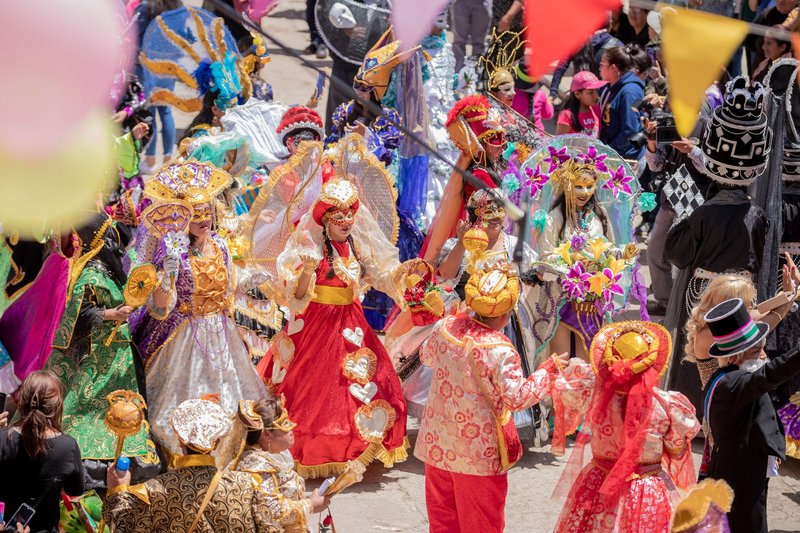
Barranquilla’s Carnival is the second largest in Latin America after Rio’s, in terms of scale, and UNESCO recognizes it as intangible cultural heritage. It runs from Saturday to Tuesday before Ash Wednesday, which falls on February 6 to 9 in 2027, with the Battle of Flowers parade on the opening Saturday and weeks of pre-parties before it. Book a hotel months ahead.
If the dates don’t line up, other festivals might. Pasto’s Carnaval de Negros y Blancos runs January 2 to 6, and Medellín’s Feria de las Flores fills ten days in early August with the Silleteros parade, where farmers carry flower arrangements on their backs.
10. Landscapes that look like different planets
Caño Cristales, in the Serranía de la Macarena, is known as the “river of five colors”. An aquatic plant turns the riverbed red, yellow, green and black when the water level is right, usually between June and November. Access requires a flight to La Macarena and a guided visit.
The Tatacoa Desert in Huila is a maze of red and gray canyons and one of the better stargazing sites in the country, thanks to dry air and little light pollution. Nights get cold, and daytime temperatures can top 40°C. Both are off the main circuit, which is the point.
11. Prices that stretch a budget
Colombia costs less than most travelers expect, especially outside Cartagena. A backpacker can live on roughly US$35 to $55 a day with dorms, set lunches and buses. A couple traveling mid-range, with good hotels, restaurants and a few tours, should plan on US$90 to $150 per day combined, though prices fluctuate with the exchange rate. Check current rates before you budget.
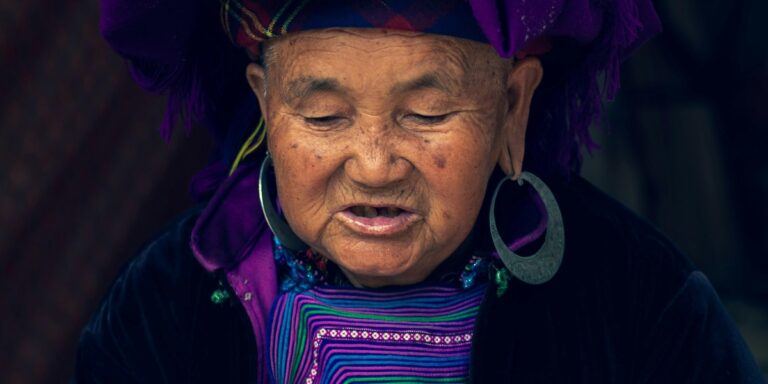
The other half of the value is the people. Colombians are known for helping lost travelers and starting conversations with strangers, and even a few words of Spanish go a long way. English is not widely spoken outside tourist hotels, so a translation app helps.
When to go
December to March is the dry, sunny peak for Bogotá, the Andes and the Caribbean, and prices rise accordingly, particularly around Christmas and New Year. A shorter dry spell runs in July and August in the Andes, which also suits Caño Cristales and whale watching. October and November are a shoulder season: cheaper and quieter, but it’s the wettest stretch in the Andean region, so expect afternoon downpours in Bogotá, Medellín and the coffee region. Plan around the region you’re visiting, since rain patterns differ a lot.
Which reasons to visit Colombia fit your trip
- Backpackers: the coffee region, Lost City, Tayrona and Palomino, with cheap buses and hostels linking them.
- Couples: Cartagena, a coffee-farm stay and Medellín, with a couple of domestic flights to save time.
- Families: the Coffee Axis, Bogotá’s Ciclovía and Gold Museum, and Guatapé. Skip the Lost City with children and think hard about altitude for young ones in Bogotá.
- Luxury travelers: boutique hotels in Cartagena’s old town, private guides, haciendas in the coffee region and the Pacific coast for whales.
Planning block: regions, altitude, flights, first route
Regions: Andean (Bogotá, Medellín, coffee region), Caribbean (Cartagena, Santa Marta, Tayrona), Pacific (whales, remote), Amazon and Llanos (remote, flights only) and the islands (Providencia, San Andrés).
Altitude: Bogotá is 2,640 meters, Medellín about 1,500, Salento about 1,900. Cartagena and Santa Marta sit at sea level. Take it easy on day one in Bogotá.
Flights and buses: Distances are bigger than they look and mountain roads are slow, so if you’re considering a road trip from further north, check whether you can drive from Mexico to Colombia before you plan it. Bogotá to Medellín is about nine hours by road or one hour by air, and Bogotá to Cartagena is around 1 hour 40 minutes by air. Avianca, LATAM, JetSMART and Wingo cover the main routes, and fares are often lower than a long bus ride when you book ahead.
A first-trip route (about two weeks): Bogotá (3 nights), fly to Medellín (3), bus or short flight to the coffee region (3), fly to Cartagena (3), then Santa Marta and Tayrona (2 to 3). Add the Lost City if you have another week.
Start with the coffee region and the Caribbean coast, keep to the main circuit, and the reasons to visit Colombia will likely outnumber the worries.