In 1975, Voyageurs National Park became one of the first U.S. parks designed around water-based wilderness — a reminder that Minnesota’s outdoor culture has long combined history and adventure.
From lake-bound canoe trips and North Shore cliffs to winter ice-fishing huts and urban river paddles, Minnesota packs a surprising variety of authentic, adventurous experiences for every season. Travelers, outdoor enthusiasts, and curious locals should care because the state’s mix of vast water, boreal forest, rugged shoreline, and vibrant cities makes it uniquely suited for year-round activity. Nicknamed the “Land of 10,000 Lakes,” Minnesota actually has about 11,842 lakes over 10 acres, and that abundance shapes everything from multi-day canoe routes to lakefront winter traditions. This article lists eight distinct ideas — grouped into Outdoor & Wilderness Adventures, Water, Ice & Winter Sports, and Unique, Cultural & Urban Adventures — to help you pick a season-ready trip and plan the logistics, permits, and skills each option requires.
Outdoor & Wilderness Adventures
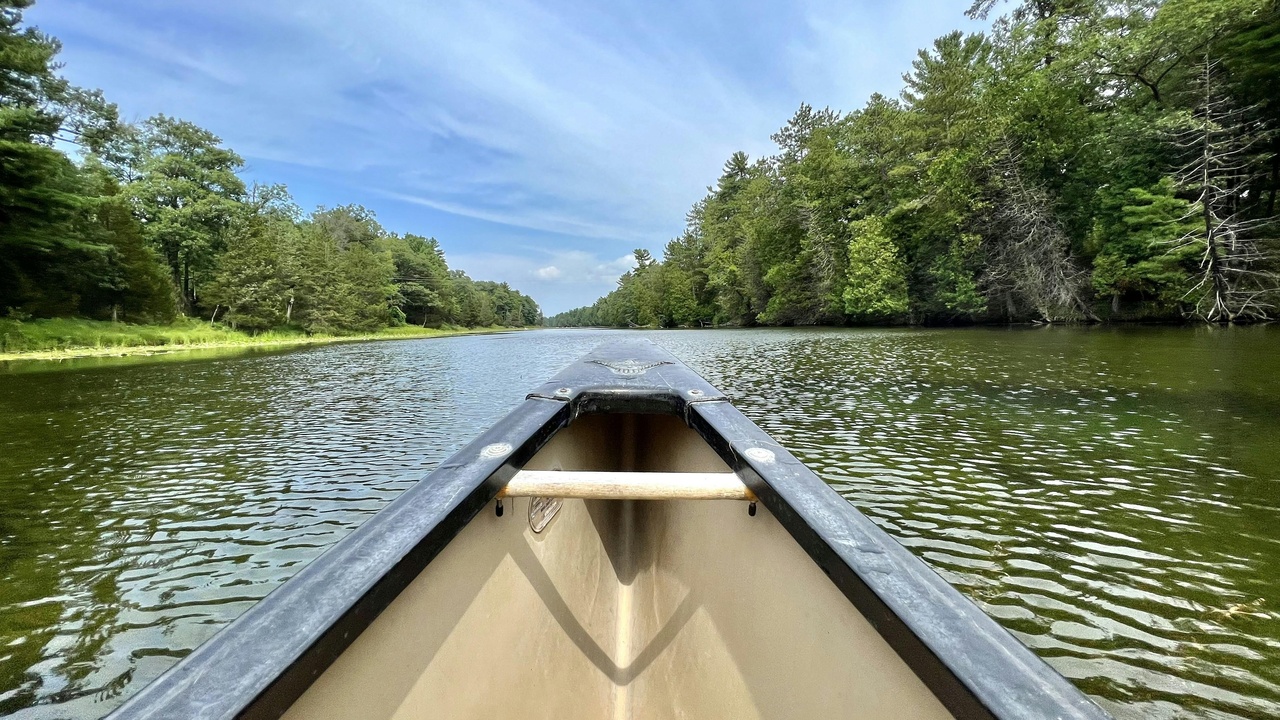
Minnesota’s large swaths of public wildlands and defined trails create immersive, multi-day options for serious backcountry time as well as shorter day trips. The Superior Hiking Trail runs about 310 miles along Lake Superior’s North Shore, and the Boundary Waters Canoe Area Wilderness covers roughly 1.1 million acres of canoe country. Planning matters: many overnight areas require permits or reservations, seasons dictate access (late spring to early fall for most trails and paddling, winter for snow-specific routes), and shuttle or outfitter logistics can make or break a trip. Below are three practical wilderness options with routes, difficulty notes, and realistic planning tips.
1. Backpack or day-hike the Superior Hiking Trail
The Superior Hiking Trail offers everything from short day hikes to multi-day backpacking along roughly 310 miles of Lake Superior’s North Shore.
High viewpoints include sections near Lutsen and the vistas above Grand Marais, with popular trailheads at Lutsen, Beaver Bay, and Grand Marais providing good access. Section-hiking is common: plan two- to three-day segments rather than thru-hiking unless you have time and experience.
Practical planning: arrange a shuttle between trailheads, or base in towns like Grand Marais for lodging and resupply. Gear basics are the usual—trail shoes or light boots, rain layers, stove, and a map—but bring tick repellent and a small first-aid kit. Weather on the North Shore can change quickly, so pack an insulating layer.
Concrete example: a recommended 2-day Lutsen section covers about 12–18 miles total, split into two 6–10 mile days with a campsite or shelter on night one. Expect moderate elevation changes and rocky, rooty terrain; average hikers will cover 3–4 miles per hour on easy stretches and less on technical sections. Best season: late spring through early fall. Safety note: check trail conditions, watch for thunderstorms, and perform tick checks after hikes.
2. Canoe the Boundary Waters Canoe Area Wilderness (BWCAW)
The BWCAW is classic canoe-camping country, spanning roughly 1.1 million acres of lakes, rivers, and boreal forest with interconnected routes and portages.
Permits are required for overnight trips; many entry points are managed via a quota system that you can reserve through Recreation.gov. Peak season runs May through September, and weekends fill quickly in July and August, so book early for popular entry points near Ely.
Trip planning essentials include route selection with portage lengths, navigation tools (paper maps plus compass or GPS), food packed for bear-awareness and scent control, and lightweight shelter systems. Outfitters in Ely and Grand Marais offer guided trips, gear rental, and shuttles to put-in points. Expect paddling of variable length between campsites and short to long portages between lakes.
Concrete example: a 4–6 day loop from Ely commonly covers a handful of lakes with moderate portages—plan 8–15 miles of paddling per day plus portages. Guided outfitter trips are an excellent option for first-timers; seasoned paddlers can plan longer routes. Nearby cultural stops include Ely’s International Wolf Center and local museums to round out a gateway town visit.
3. Climb and scramble at Palisade Head and Taylors Falls
Minnesota has surprising rock features for scrambling and climbing, from the Lake Superior cliffs at Palisade Head to the St. Croix River gorge at Taylors Falls and Interstate State Park.
Palisade Head offers dramatic overlooks and non-technical day routes that are suitable for scrambling and route-finding; the rock is steep and exposure is real, so hikers should be comfortable with heights. Interstate State Park features pothole and gorge routes with bouldering and short technical lines.
Skill and prep: many routes are scrambling rather than roped climbing, but some lines require trad or sport skills. Local indoor gyms in the Twin Cities—useful for top-rope practice and technique—include Vertical Endeavors (Saint Paul) and the Minneapolis climbing gyms. Consider hiring a local guide if you want to learn anchors, belay systems, or multi-pitch techniques before trying exposed North Shore lines.
Concrete examples: easy scramble routes at Palisade Head are day hikes with short exposed scrambles to viewpoints. At Taylors Falls, bring crash pads for bouldering or a single rope for short sport lines. Best months: late spring through early fall; some gullies can retain snow into May at higher elevations.
Water, Ice & Winter Sports
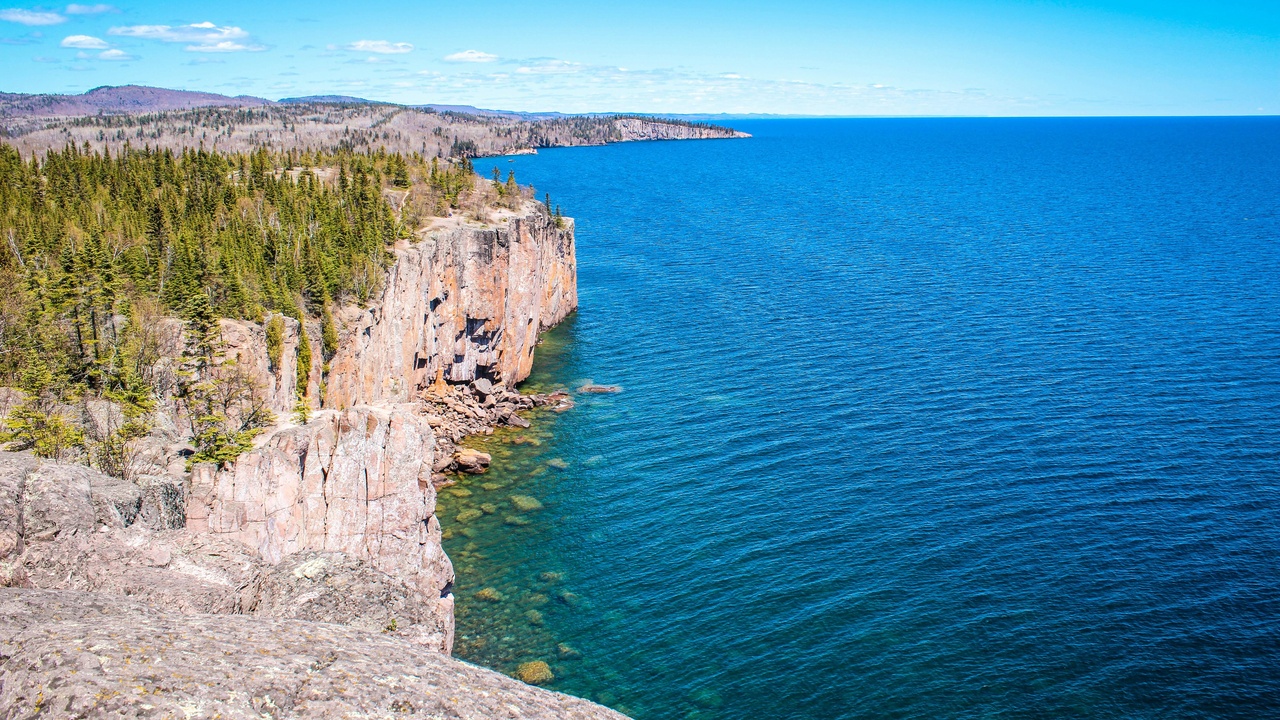
Minnesota’s water culture runs year-round: summer paddling and lake trips give way to ice huts and snow-covered trail systems in winter. With roughly 11,842 lakes over 10 acres and an extended cold season, the state supports everything from Lake Superior sea-kayaking to snowmobiling and ice fishing. Each activity requires specific safety and logistics—ice-thickness checks before stepping out, cold-weather layering, or permits for popular access points—so plan with local reports and outfitters.
4. Paddle the Lake Superior North Shore and climb sea cliffs
Paddling along the North Shore mixes sea-cliff vistas, secluded coves, and landmarks like Split Rock Lighthouse and Palisade Head.
Day kayaking is common, as are guided tours that provide safety briefing and dry bags. Launch points and rentals are available in Two Harbors and Grand Marais, where outfitters supply kayaks, PFDs, and local route knowledge. Lake Superior is a large lake with quickly changing conditions, so expect rip currents, wind chop, and cold water even in summer.
Practical safety: check weather forecasts and wave conditions, wear a properly fitted PFD, and carry a VHF or cell in a dry case. Rentals typically run by the half- or full-day; guided tours add local navigation and wildlife spotting.
Concrete route: a day-kayak circuit near Split Rock Lighthouse can range from about 6 to 10 miles depending on the shore you follow—plan 3–6 hours including stops for photos. Best season: June through September for calmer conditions and warmer air temperatures.
5. Try ice fishing on Lake Mille Lacs or Lake of the Woods
Ice fishing is a quintessential Minnesota winter adventure, and Lake Mille Lacs and Lake of the Woods are among the state’s top destinations for huts, tournaments, and guided trips.
Minnesota winters typically produce thick, safe ice from December through March, but local conditions vary. Always verify updated ice-thickness advisories from county or DNR reports before heading onto the ice. Basic safety guidelines: at least 4 inches of clear ice for foot travel, 5–7 inches for snowmobiles, and greater thickness for vehicles.
Expect heated ice-shanties with stoves or propane heaters, augered holes, and guide services that supply electronics and tackle. Outfitters and resorts offer half-day or overnight packages and will often include transport to a hut, tackle, and filleting. Species commonly targeted include walleye and northern pike.
Concrete options: a guided Lake Mille Lacs ice-hut trip is ideal for first-timers, while Lake of the Woods supports multi-day excursions and tournament culture. Bring layered clothing, ice cleats, and a charged phone in a waterproof case. Follow local tournament calendars if you want to time a trip around a community event.
6. Ski, snowboard, and snowmobile across northern ranges
Minnesota’s winter recreation includes downhill skiing, cross-country networks, and extensive snowmobile trails that wind through forest corridors and groomed routes.
Lutsen Mountains on the North Shore is the state’s largest alpine ski area, offering several runs and lift-served terrain. For quick urban-access ski sessions, Buck Hill near the Twin Cities is a popular training hill. Cross-country skiers can find groomed networks across state parks and municipal systems.
Snowmobiling is a major winter pastime, with an extensive trail system through north-central Minnesota that connects towns and lodges. Rentals and guided half-day tours are widely available; check trail grooming maps and local rules before heading out.
Concrete itinerary: a weekend might pair a full day at Lutsen Mountains with a guided half-day snowmobile tour into nearby forest corridors. Pack for cold, confirm lift and trail status, and consider booking lessons at alpine areas if you’re new to downhill skiing or snowboarding.
Unique, Cultural & Urban Adventures
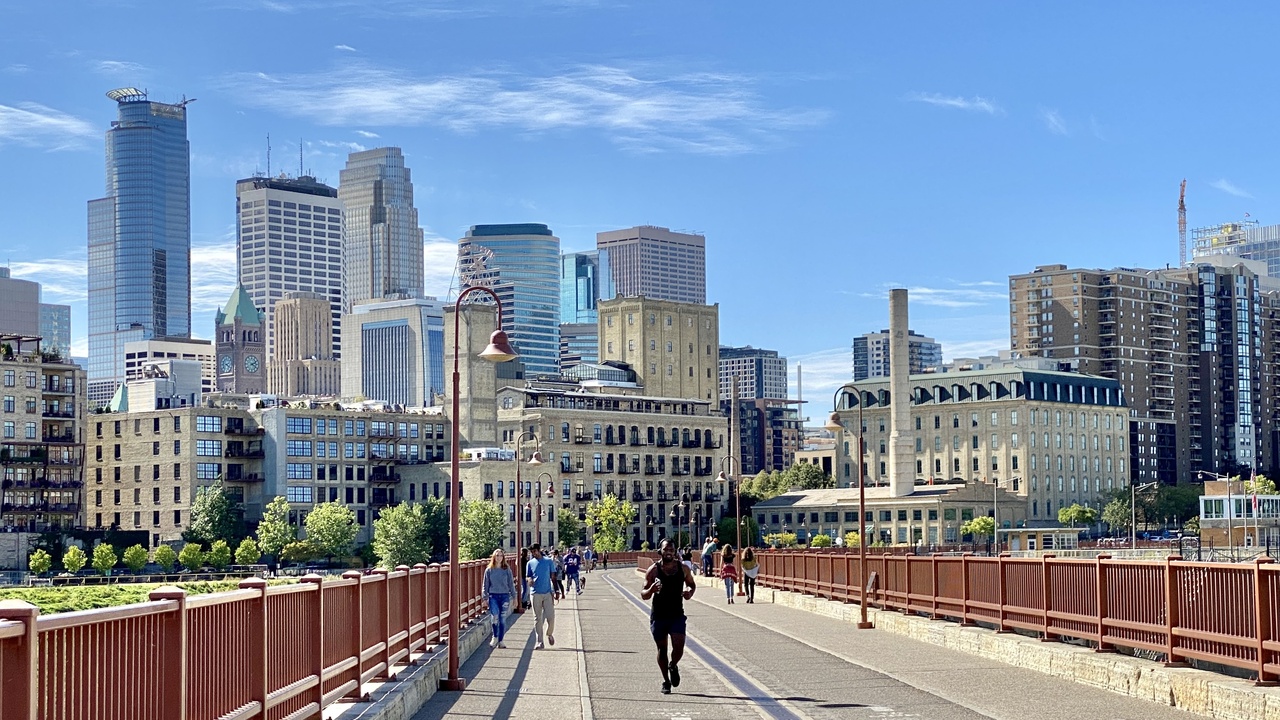
Urban and cultural experiences in Minnesota make active days easy to mix with food, museums, and wildlife education. From city paddles on the Mississippi and bike corridors to wolf exhibits and harbor tours in Duluth, accessible adventures link the Twin Cities with northern gateway towns. Season windows matter: some river programs run seasonally and aurora viewing is strongest in the darker months.
7. Paddle or bike through Minneapolis and the Twin Cities’ waterways
>Adventurous things to do in Minnesota often include surprisingly urban options that require almost no travel time from downtown neighborhoods.Minneapolis and Saint Paul feature the Stone Arch Bridge, the Chain of Lakes, and the Midtown Greenway bike corridor, all linking active urban neighborhoods with riverfront access. Half-day excursions are easy: rent a kayak, paddle the Mississippi, then hop on a bike for a short Midtown Greenway ride.
Gear rentals and outfitters are plentiful—expect hourly or half-day kayak rentals and city bike shops that do daily hires. Time estimates: a half-day river paddle can be 2–4 hours depending on current and stops, while a Midtown Greenway loop might take 1–2 hours at a relaxed pace.
Concrete itinerary: morning ride on the Midtown Greenway, midday rented kayak launch near Stone Arch Bridge for a Mississippi paddle, followed by evening food stops. Try a Juicy Lucy at a local burger spot for a classic Twin Cities finish. This mix showcases how urban culture and outdoor activity blend here.
8. Spot wildlife and northern lights in Voyageurs and Ely
Northern Minnesota offers outstanding wildlife encounters and aurora viewing, anchored by sites like Voyageurs National Park and the International Wolf Center in Ely.
Voyageurs, established in 1975 around water-based wilderness, provides boat and canoe access for moose and bird sightings. Ely’s International Wolf Center offers educational programming and wolf-viewing context that complements field trips. Guided wildlife tours increase your chances of sightings while promoting responsible viewing etiquette.
Aurora seasonality: the best months for frequent northern lights are typically September through April, with clearer long-night windows in winter. For photography, bring a tripod, wide aperture, and set exposures for 10–20 seconds depending on activity.
Concrete tips: book lodging near park entrances or in Ely, join a guided night-sky or wildlife tour, and arrive before dark to scout horizons for viewing. Maintain distance from wildlife, use quiet voices, and avoid flash photography around animals. Respect seasonal closures and local safety guidance when viewing sensitive habitats.
Summary
- Minnesota supports a wide range of authentic adventures year-round, from the 310-mile Superior Hiking Trail to the 1.1 million-acre BWCAW and roughly 11,842 lakes over 10 acres.
- Plan around seasons and permits: BWCAW overnight permits, North Shore safety for Lake Superior, and ice-thickness advisories for winter trips.
- Mix wild and urban: day paddles in the Twin Cities or harbor activities in Duluth pair well with cultural stops like the International Wolf Center and local food scenes.
- Pick one adventure, check local outfitters or permit sites, and schedule your trip within the right seasonal window to maximize safety and enjoyment.