When the Mackinac Bridge opened in 1957, its 26,372‑foot span suddenly stitched Michigan’s peninsulas together and opened new routes for exploration. That single engineering moment made road trips that cross the Straits a practical way to reach both Lake Huron and Lake Michigan shores, and it still feels like a gateway to adventure.
Michigan’s coastline and interior are surprisingly vast: the state boasts roughly 3,288 miles of freshwater shoreline, plus thousands of inland lakes, rivers and forested ridges. That variety produces ocean‑scale conditions on the Great Lakes, rolling dunes, island backcountry, and long trail systems — all within a few hours’ drive of major cities.
Accessibility is a big part of the appeal: many water and trail outfitters serve beginners while true backcountry options reward experienced travelers, and each season converts familiar routes into fresh challenges. From sea‑cave kayaking and dune climbs to island backcountry and winter trails, Michigan offers a surprising range of genuinely adventurous experiences — here are eight you shouldn’t miss.
Water & Coastal Adventures
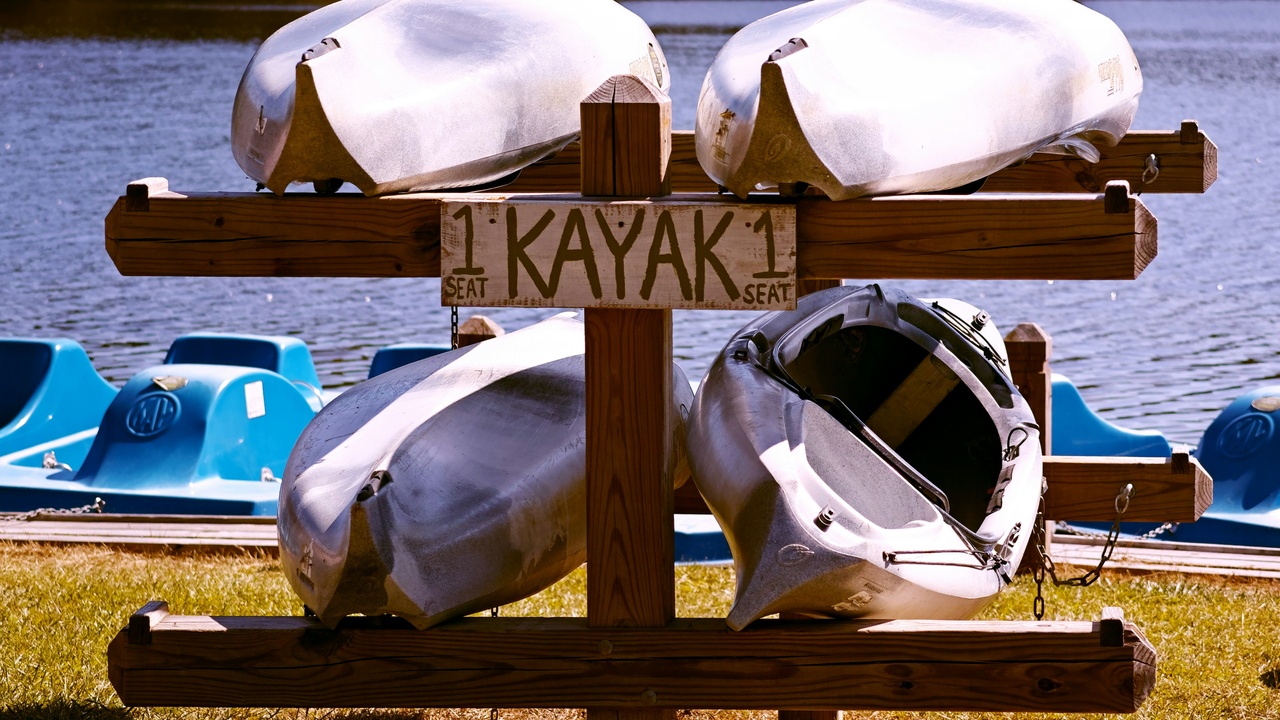
Michigan’s Great Lakes shoreline is the state’s primary adventure playground: with stretches of sandstone cliffs, wide beaches, open water and strong lake breezes, the coast can feel as dramatic as an ocean trip. The lakes produce ocean‑scale waves, unpredictable wind shifts and cold water that rewards respect and proper gear.
Best seasons for paddling, sailing and beach climbs are late spring through early fall, though shoulder months deliver fewer crowds. Basic safety kit should include a coast‑style life jacket, a dry bag, layered wetsuits or splash gear for colder days, and using a local guide is strongly recommended for sea caves. Note that national lakeshore areas like Pictured Rocks and Sleeping Bear Dunes may charge entrance fees or require parking permits.
Top coastal hubs to keep in mind: Pictured Rocks National Lakeshore near Munising for sea‑cave paddling, Sleeping Bear Dunes and its scenic overlooks on Lake Michigan, and towns such as Saugatuck and Holland for sailing lessons, rentals and wind sports.
1. Kayak the Pictured Rocks Sea Caves
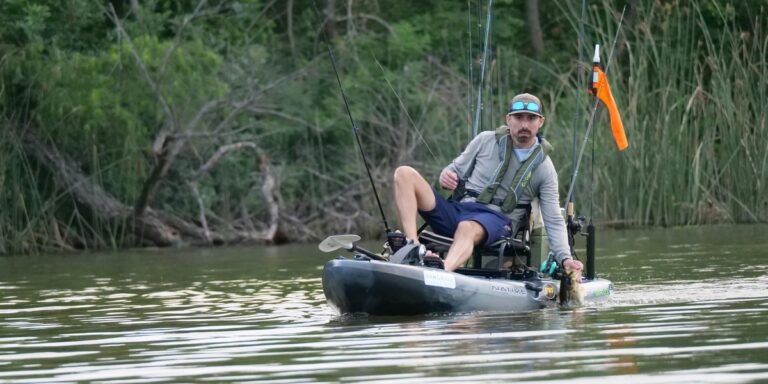
Kayaking the Pictured Rocks sea caves is a close‑quarters coastal adventure beneath towering sandstone cliffs and over clear, cold water. The park’s cliffs rise to roughly 200 feet, and Pictured Rocks includes about 40 miles of shoreline with carved caves, waterfalls and photogenic geology.
Most guided trips depart from Munising and run two to four hours for a typical sea‑cave circuit. If you’re new to open‑water kayaking, book a guided tour with a local outfitter such as Pictured Rocks Kayaking or another Munising guide, and pay attention to wind and wave forecasts — conditions can change fast.
Practical tips: wear a personal flotation device, bring a dry bag for electronics, and use a wetsuit or neoprene layers in early and late season. Launch points in Munising are convenient for day trips from Marquette, and wildlife spotting (bald eagles, shorebirds) and waterfalls are common photographic highlights.
2. Sail or Windsurf on Lake Michigan
Lake Michigan’s size and steady summer lake‑breeze patterns make it ideal for sailing and wind sports, from gentle lessons to windward crossings. Shore towns like Saugatuck, Holland and Grand Haven host regattas, rental programs and sailing schools that serve learners and racers alike.
Beginners can take intro lessons or rent dayboats and windsurf gear through local shops (look for Harbor House‑style rental programs in Saugatuck), while experienced sailors can plan open‑water crossings or club races. Iconic navigation targets such as Holland’s Big Red Lighthouse and Grand Haven’s piers make for satisfying day routes.
Safety notes: respect cold‑water immersion risks, check lake forecast and wind shifts, and avoid exposed crossings in gale conditions. Summer and early fall usually offer the best combination of wind reliability and water temperatures.
3. Climb the Sleeping Bear Dunes and Beachcomb
Sleeping Bear Dunes delivers the visceral challenge of climbing steep, shifting sand and the payoff of sweeping Lake Michigan panoramas. The tallest dunes reach roughly 450 feet and the park’s trail network includes cliffside overlooks and beach‑route options.
Plan a two‑ to four‑hour outing for routes like the classic Dune Climb or the Empire Bluffs trail, or drive the Pierce Stocking Scenic Drive for shorter viewpoint stops. Hikes can be strenuous in sand — approach early to avoid midday sun, bring plenty of water and wear sturdy shoes.
Nearby towns such as Glen Arbor and Empire offer lodging, shuttle services and trail information that make a dune day an easy part of a longer Michigan coast itinerary.
Wilderness & Forest Experiences
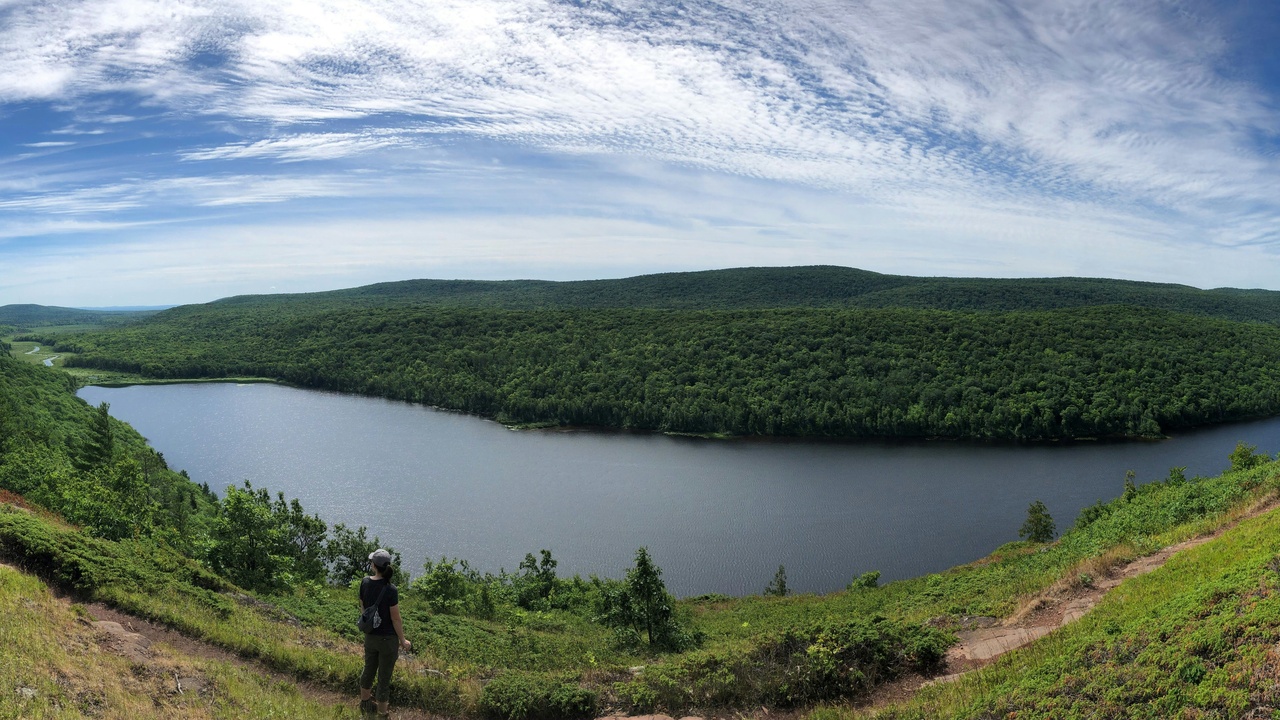
Michigan’s forests and islands offer true backcountry options: old‑growth stands, remote lakes, and island chains that require ferry or air access. The Upper Peninsula and northern Lower Peninsula contain multi‑day routes and long, sometimes rugged, trail systems interspersed with waterfalls and ridge vistas.
Isle Royale is a remote national park accessed by ferry or seaplane, while Porcupine Mountains and North Country Trail sections offer everything from day hikes to multi‑day backpacking. Expect to carry permits where required and practice Leave No Trace in fragile island and boreal environments.
Trip lengths vary: plan day hikes along established trailheads or multi‑day circuits when attempting island or wilderness loops, and always confirm ferry, permit and seasonal access well in advance.
4. Backpack the Porcupine Mountains’ Old‑Growth Trails
Porcupine Mountains Wilderness State Park is roughly 60,000 acres of old‑growth forest, waterfalls and ridge trails that reward multi‑day exploration. The park’s Escarpment Trail and Presque Isle routes provide classic UP views over Lake of the Clouds and dense northern hardwoods.
Backcountry camping requires planning: obtain permits, study campsite distribution and expect rugged footing and variable weather. Typical 2–3 day loops cover manageable daily mileage but include elevation changes and stream crossings.
Pack for black‑bear country (bear‑proof storage where provided), bring a map and stove, and check with park rangers for current trail conditions and campsite reservation contacts before heading out.
5. Island‑hop and Backpack on Isle Royale
Isle Royale National Park is a remote island wilderness about 45 miles long that has been a national park since 1940. Access is limited to the summer season, and visitors arrive by ferry (for example, the Ranger III) or by seaplane for backcountry hiking and kayak approaches.
Recommended trip lengths range from three to seven days to properly explore popular circuits. Backcountry camping requires registration and adherence to park rules, and services on the island are intentionally minimal for preservation of the wolf‑moose ecosystem.
A sample itinerary: arrive via Ranger III, hike a 3–5 day loop that includes Rock Harbor and Windigo approaches, and allow time for shoreline paddling and wildlife viewing. Prepare for limited resupply and pay close attention to weather windows for ferry returns.
6. Hike Notable Trails: North Country Trail Sections
The North Country National Scenic Trail runs roughly 4,800 miles nationally and includes hundreds of miles through Michigan, offering terrain from dunes to dense woods. Michigan sections are well‑marked and break naturally into day hikes or longer backpacking segments.
Choose short stretches near Sleeping Bear for dune‑and‑shoreline scenery or longer Upper Peninsula sections to link waterfalls and ridge viewpoints. Local trail clubs maintain many segments, and trailheads generally offer parking but check seasonal conditions for muddy or icy stretches.
For multi‑day plans, map out water sources, shelter spots and resupply towns, and contact volunteer maintenance groups for recent trail reports before setting off.
Seasonal & Urban Thrills
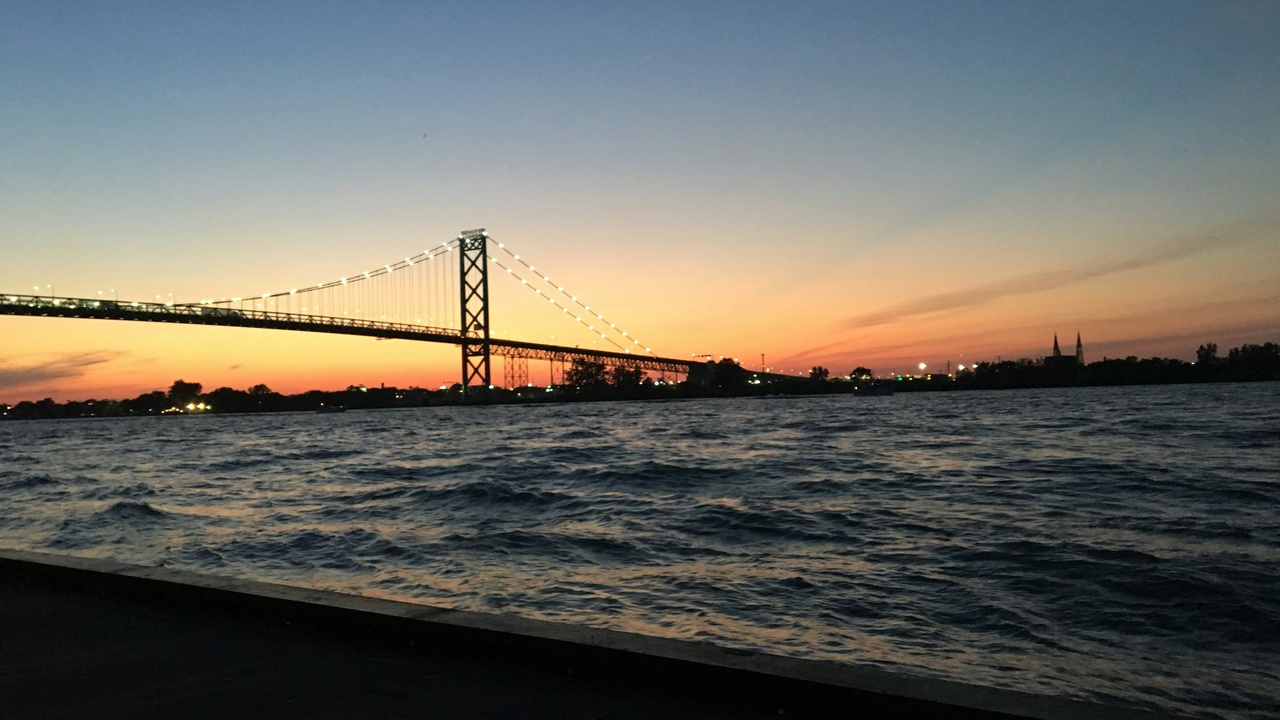
Michigan’s adventure calendar flips with the seasons: summer brings paddling and dunes, while winter opens groomed snowmobile trails, downhill skiing and ice‑fishing access. Urban centers like Detroit, Grand Rapids and Traverse City make it easy to combine city comforts with quick outdoor excursions. If you base yourself in Detroit, check the neighborhood first on our map of the areas to avoid in Detroit.
Motorized trail use often requires permits and club registration, and winter travel needs cold‑weather gear and lake‑ice awareness. Outfitters across the state handle rentals, guided tours and instruction for newcomers.
Pick a season that matches your skill level and plan logistics around shuttle services, resort offerings or ferry timetables for an efficient weekend getaway.
7. Walk or Time the Mackinac Bridge and Explore Mackinac Island
The annual Labor Day Mackinac Bridge Walk is an iconic event that celebrates the 1957 bridge span of about 26,372 feet. The walk is unique for its exposure to wind and length, and it places you within easy ferry distance of car‑free Mackinac Island.
Plan your timing around ferry schedules from Mackinaw City or St. Ignace, and expect crowds and brisk winds on the bridge. On Mackinac Island, biking, carriage tours and Fort Mackinac visits make for a rounded day trip without cars.
For mobility‑limited visitors, ferries provide island access without the bridge event; for adventurous travelers, combine a bridge‑day with an island overnight to enjoy quieter trails early in the morning.
8. Embrace Winter: Ski, Snowmobile, or Ice Fish in the UP
Michigan’s winter playground includes downhill resorts and an extensive network of groomed snowmobile trails that knit small towns together across the Upper Peninsula. Resorts such as Boyne Mountain and Crystal Mountain offer lift‑served skiing and winter lesson programs.
Snowmobile trails are often operated by local clubs and require trail permits; many clubs publish recommended weekend routes that connect lodges and cafes. Ice fishing is widely available, with local guides offering lessons and gear rentals — but always check ice thickness and local advisories before venturing out.
A typical winter weekend might pair morning ski laps with an afternoon snowmachine route and an evening ice‑fishing outing guided by a local outfitter, leaving time for warm meals in UP towns between activities.
Summary
- Great Lakes conditions can feel ocean‑scale; treat paddling and sailing with respect for wind, waves and cold water.
- The state’s forests and islands offer genuine backcountry: Isle Royale’s remote, ferry‑access wilderness and the Porcupine Mountains’ 60,000 acres reward multi‑day planning.
- Adventures span seasons and skill levels — from coastal day trips and sailing lessons in towns like Saugatuck to winter snowmobile routes and downhill skiing at Boyne Mountain.
- Local outfitters, permit systems and volunteer trail clubs are the backbone of safe, sustainable trips — check fees, register when required, and follow Leave No Trace.
Pick one of these adventurous things to do in Michigan and make a concrete plan for next season: check permits and ferry schedules, hire a guide if you need one, and pack with safety and conservation in mind.