North Dakota became the 39th U.S. state on November 2, 1889, and its wide-open prairies and rugged badlands have drawn explorers—and a surprising number of outdoor adventurers—ever since.
There’s a lot to like for people who prefer space over crowds: low visitation, a variety of terrain from mixed-grass prairie to steep badlands, and four distinct seasons that change the character of every trip. Spring and fall bring wildflowers and migrating birds, summer stretches the days for long rides and river trips, and winter turns much of the state into a playground for snowmachines and ice anglers.
Below are eight genuinely substantive adventures that reward planning and curiosity, with practical tips, route lengths, park acreages, and place names you can actually use. If you’ve been hunting for adventurous things to do in North Dakota, expect concrete examples (trail names, put-ins, camping notes) and a few statistics to help plan a trip worth remembering.
Prairie and Badlands Adventures
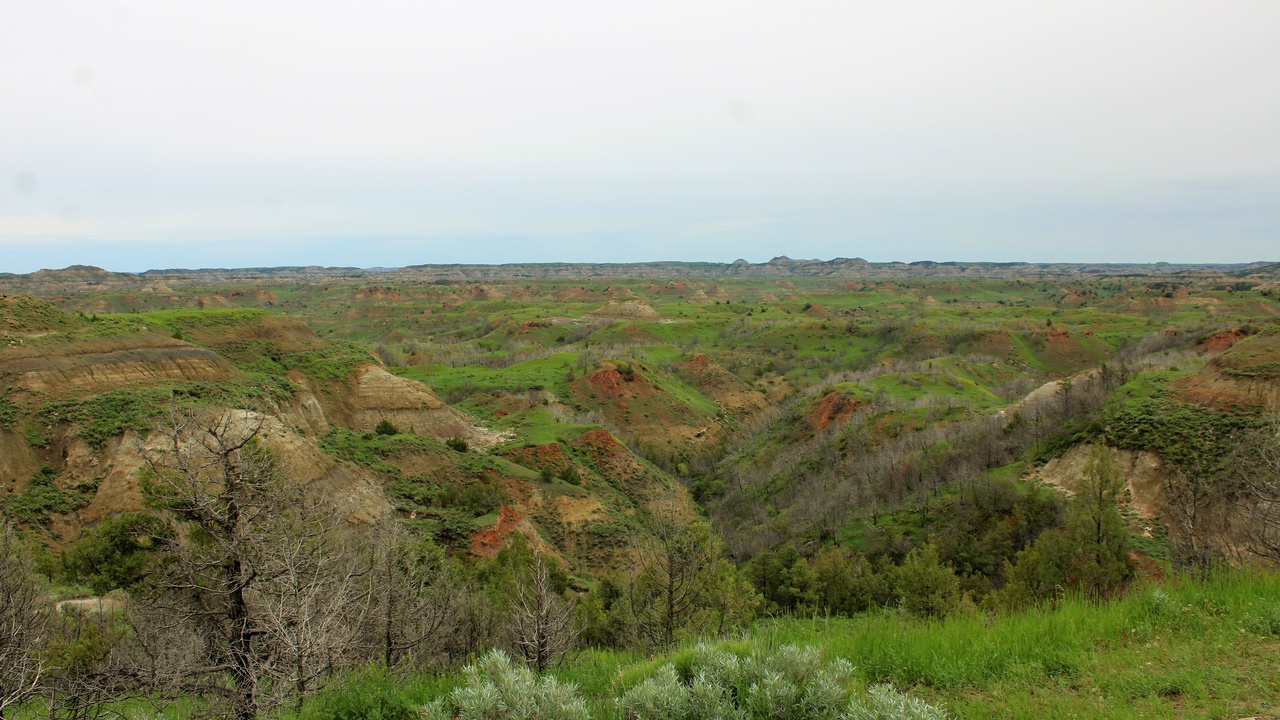
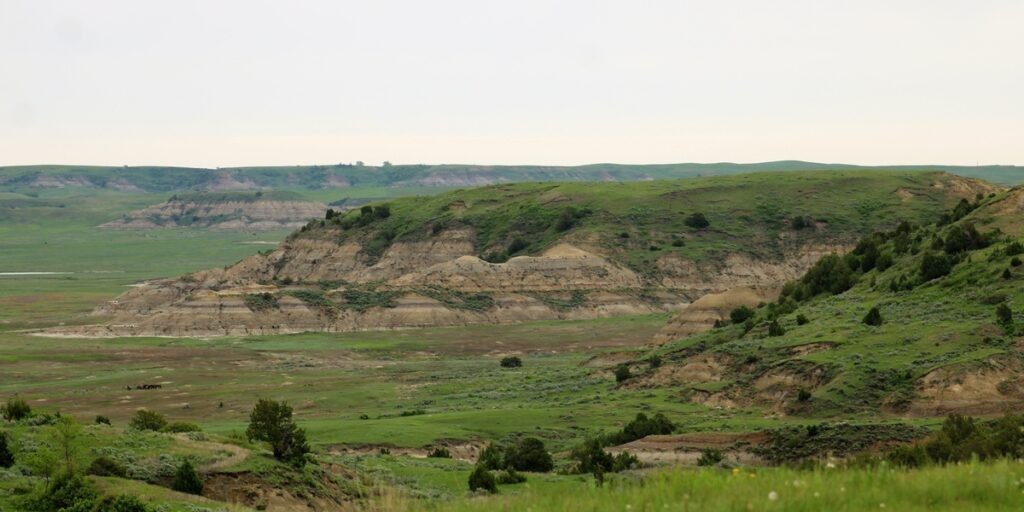
Western North Dakota blends mixed-grass prairie, river coulees, and sharply eroded badlands into a compact but dramatic landscape. That mix creates adventurous terrain: remote trails, steep gullies you can scramble, and exposed ridgelines with long views and reliable wildlife sightings.
Theodore Roosevelt National Park anchors the region (the park totals roughly 70,000 acres), and the surrounding public lands offer both day-hike options and multi-day backcountry routes. Plan for spring through fall as the prime window; winter has its own rewards but requires extra gear and planning.
1. Hike and Wildlife-Spot in Theodore Roosevelt National Park
Day hikes and backcountry routes in Theodore Roosevelt National Park deliver dramatic badlands scenery and close wildlife encounters.
The park covers about 70,000 acres divided into North and South units, with scenic drives linking trailheads and overlooks. Summer draws most visitors, but spring migration and fall colors offer quieter mornings and brisk daytime temps.
For a half-day outing, try the Painted Canyon Trail for classic hoodoos and layered rock, or Wind Canyon for a short but steep scramble with panoramic views. Early dawn in the South Unit is prime for spotting bison and elk along the valley flats—keep at least 25 yards from bison and give animals a wide berth.
Bring water, sun protection, sturdy shoes, and bear- and bison-safety awareness. If you plan to camp in park backcountry, check permit rules and seasonal road closures in advance; pack layers for chilly nights.
2. Scramble the Badlands and Photograph Scenic Overlooks
If you like short technical moves and wide vistas, the badlands offer low-angle scrambles and photographic overlooks that reward a little effort.
Park at designated overlooks—Painted Canyon Overlook and spots above the Little Missouri River are easy access—and plan to arrive for golden hour. The low sun around sunrise or sunset brings out color bands and long shadows, which is ideal for landscape framing.
Typical walks from a parking area to a viewpoint are 10–30 minutes, followed by 15–45 minutes of light scrambling if you want a different perspective. Keep to obvious routes to protect fragile soils and prairie plants, and avoid trampling native grasses.
For photos, try a wide-angle lens for sweeping ridgelines and a mid-range zoom for intimate rock textures. Golden-hour exposures around f/8–f/11 and 1/60–1/250 sec (depending on light) are reliable starting points.
Long-Distance Trails and Backcountry
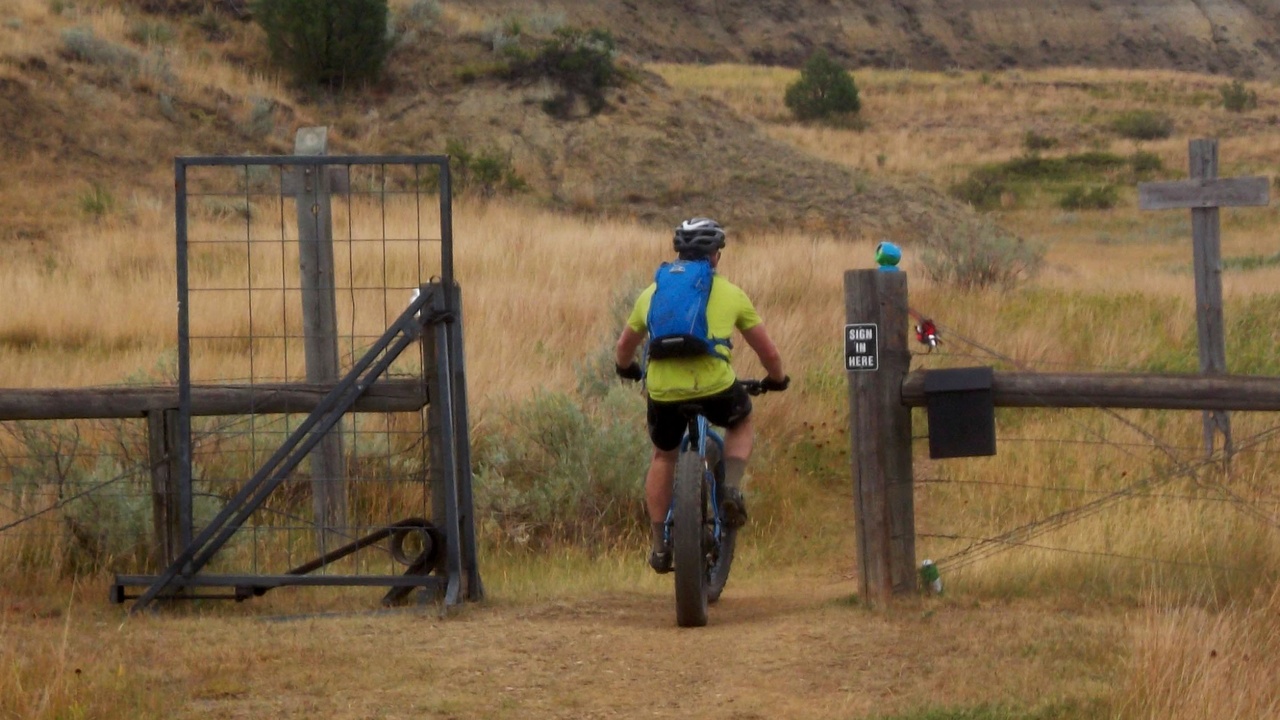
North Dakota punches above its weight for extended trail adventures: multi-day hikes, bikepacking routes, and horseback options that traverse remote country. The best numeric example is the Maah Daah Hey Trail, roughly 144 miles of singletrack and two-track through the badlands.
These routes feel adventurous because services are sparse, campsites are often primitive, and navigation matters. Plan resupplies carefully, carry reliable water treatment, and check seasonal trail conditions before you go.
3. Bikepack or Hike the Maah Daah Hey Trail
The Maah Daah Hey is the state’s premier long-distance route—about 144 miles that link trailheads around Medora, Grassy Butte, and points north—popular with both mountain bikers and thru-hikers.
Most people split the route into 3–7 days depending on fitness and mode. A common bikepacking plan is a 4-day loop between Medora and the Four Bears Crossing area, with daily mileage near 30–50 miles depending on terrain.
Logistics are the trick: shuttle options exist but are limited, water can be scarce in summer (cache or carry extra), and campsites are primitive. Resupply in Medora or at small towns like Circle, and carry a topo app or GPS tracks—the trail signage is good but intermittent.
Pick spring or fall for cooler temps, and avoid mid-summer heat when water demand spikes. For bikes, wider tires (2.3″+) and lower gearing make the climbs and loose surfaces much more manageable.
4. Backcountry Camping and Star Gazing Away from Light Pollution
Remote campsites along the Maah Daah Hey and nearer Theodore Roosevelt National Park deliver real wilderness nights and exceptional star fields.
Large swaths of North Dakota have low light pollution, which means the Milky Way and meteor showers are easy to see on clear nights. Choose dispersed sites away from roads for darker skies and quieter conditions.
Practice Leave No Trace: pack out waste, minimize fire impacts where campfires are allowed, and store food securely to deter coyotes and raccoons. Nights can get cold even in summer; a 20°F-rated sleeping bag and insulated pad are smart choices.
For safety, tell someone your planned route and check weather forecasts; prairie storms can develop rapidly. Bring a headlamp, extra batteries, and a star chart or stargazing app to help identify constellations.
Water and Winter Thrills
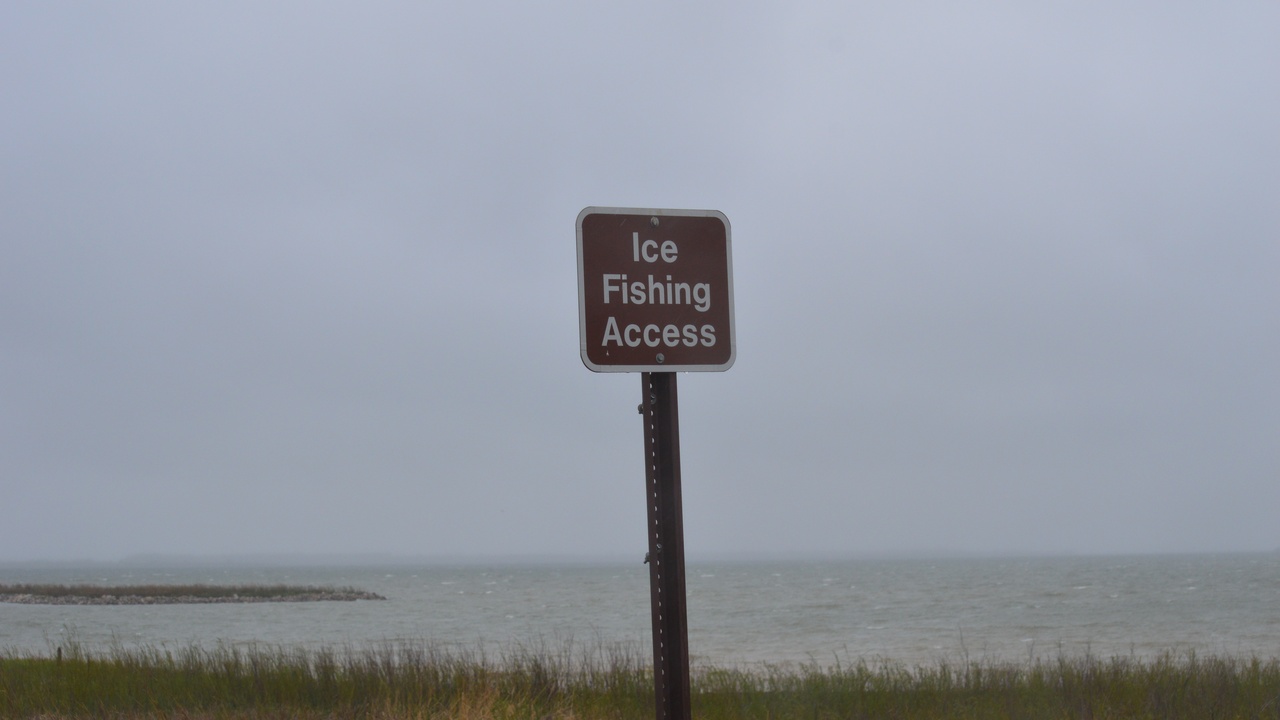
North Dakota’s rivers and glacial lakes create summer paddling and fishing opportunities, while the long winters support snowmobiling, cross-country skiing, and ice fishing. The contrast between seasons is dramatic—pick the right gear for each.
Paddlers should watch currents and boat traffic on larger rivers; winter enthusiasts need to confirm ice thickness and trail grooming updates. Permits or registrations may be required for some activities, so check state rules before heading out.
5. Paddle and Fish the Missouri River
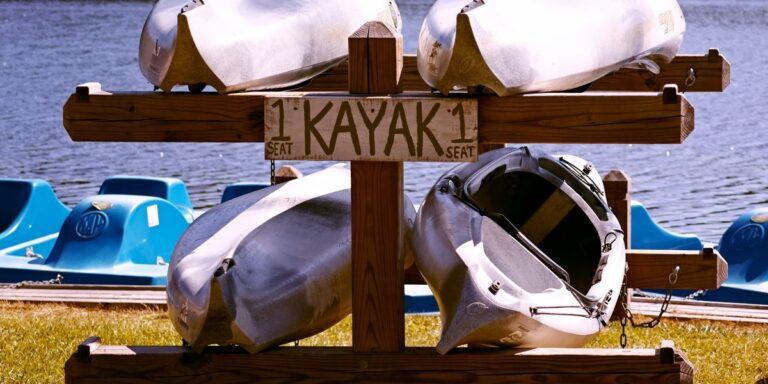
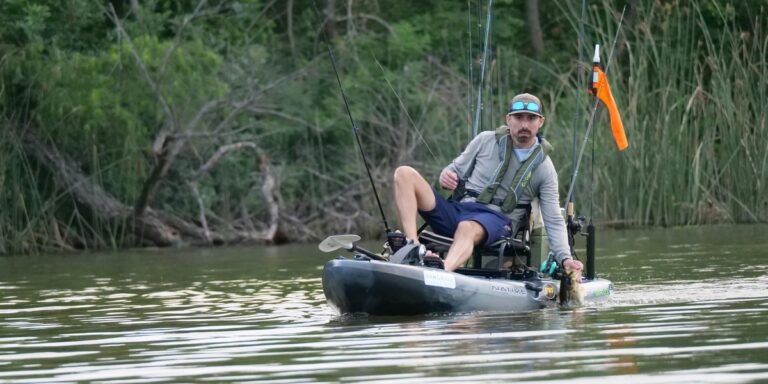
Paddling stretches of the Missouri near Bismarck offers broad river corridors, riparian wildlife, and consistent fishing for species like walleye and channel catfish.
Popular put-ins and take-outs are located near the Bismarck waterfront and downstream access points; day trips range from a few miles up to multi-day floats depending on flow and wind. Spring through early summer is prime for walleye fishing.
Be mindful of current and commercial boat traffic on larger river sections. Wear a PFD, check local river gauges, and plan shuttles or car placements ahead of time. If you intend to camp on riverbanks, verify whether sites are on public land or require permission.
6. Embrace Winter: Snowmobiling, Cross-Country Skiing, and Ice Fishing
North Dakota’s winters last long enough to make cold-weather sports a central outdoor option. Groomed trail systems and lakes with predictable freeze patterns give reliable conditions for many months.
Several state parks maintain groomed cross-country loops, and private outfitters rent snowmobiles and guide ice-fishing trips. Typical snow seasons run from late November into March depending on latitude and year-to-year variability.
Safety first: confirm ice thickness (4 inches minimum for a single angler on foot, thicker for ATVs or sleds), wear layered clothing, and carry basic cold-weather survival gear. Consider hiring a local guide for the first time on a new lake or trail.
Cultural, Scenic and Road-Trip Experiences
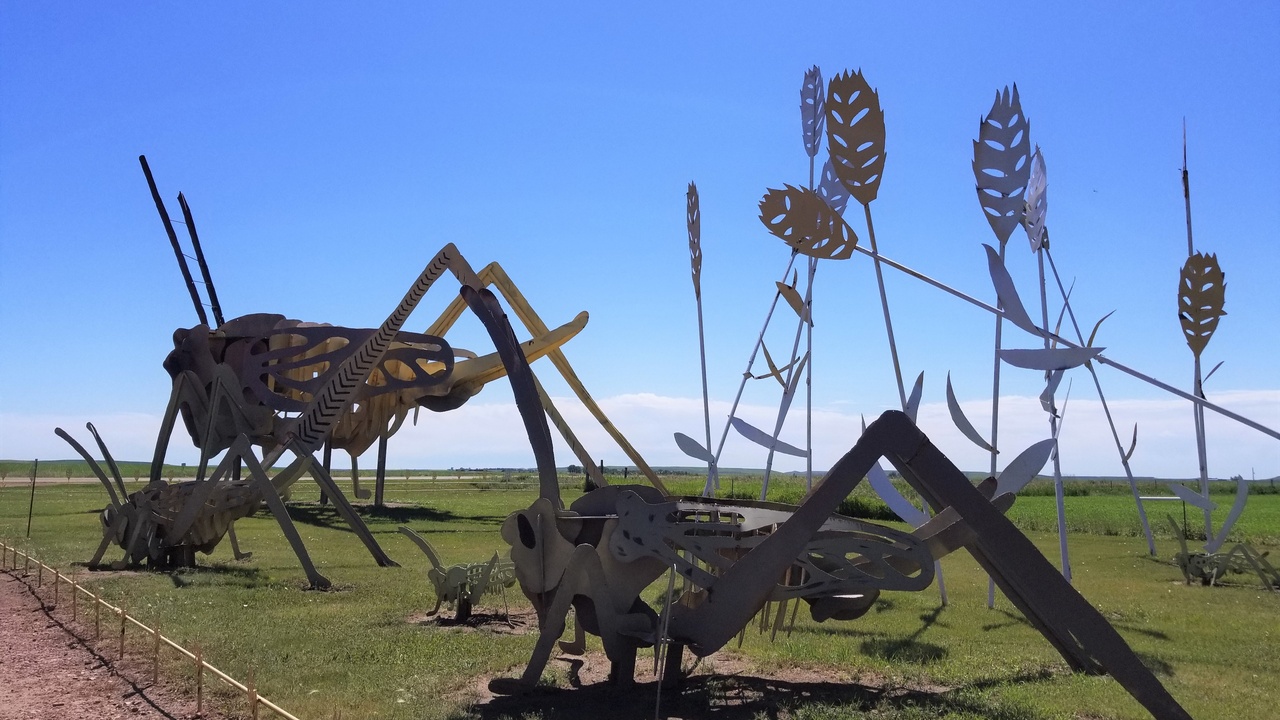
Some of the best adventures are the ones that mix culture and scenery: long drives dotted with quirky roadside art, summer musicals in a tiny town, and reconstructed forts that bring history to life. These experiences pair well with hiking and paddling days.
Expect unexpected discoveries: oversized sculptures, open-air concerts, and small museums with passionate local curators. These detours add flavor to a backcountry-focused itinerary.
7. Drive the Enchanted Highway and Hunt for Giant Sculptures
The Enchanted Highway is a photogenic rural route featuring a series of very large steel sculptures spaced along roughly 32 miles of highway near Regent.
Drive time for the full route is low—plan a half-day to stop, photograph, and walk around the sculptures. Two standout pieces are Geese in Flight and Tin Family (verify current names locally), both impressive for scale and craftsmanship.
Timing matters: morning or late-afternoon light makes the metal surfaces more dramatic. Combine a visit with a night in nearby Regent or tack it onto a longer loop that includes Medora and Theodore Roosevelt NP.
There are basic amenities in town—gas, a cafe, a small museum—but services are limited, so fill up before you head onto the quieter stretches.
8. Experience Medora, Historic Forts, and Local Events
Medora functions as North Dakota’s cultural hub for western history—summer visitors flock for the Medora Musical, and nearby Fort Abraham Lincoln State Park offers reconstructed military grounds and interpretive exhibits.
A practical weekend itinerary: attend an evening Medora Musical performance, spend a morning hiking in nearby badlands, and use the afternoon to tour Fort Abraham Lincoln’s historic structures and tribal exhibits. The musical runs on a summer schedule—book tickets early for weekend shows.
Medora also has family-friendly options: short interpretive walks, museums with hands-on displays, and ranger programs. Combine culture with outdoor time to get a rounded sense of the region’s landscape and history.
Summary
- North Dakota packs a surprising range of authentic outdoor experiences into low-crowd landscapes—badlands hikes, the ~70,000-acre Theodore Roosevelt National Park, and long routes like the ~144-mile Maah Daah Hey Trail.
- Plan carefully for season and remoteness: water and resupply points are sparse on long trails, summer heat and winter cold each present specific hazards, and some activities require permits or local registrations.
- Mix activities: pick a multi-day objective such as the Maah Daah Hey for a bikepacking trip, or choose a weekend that pairs Medora’s summer shows with a day hike and museum visit.
- Commit to one adventure, prepare with the right gear and local info, and consider hiring a guide or contacting park offices for current conditions—then go experience what makes these landscapes memorable.