
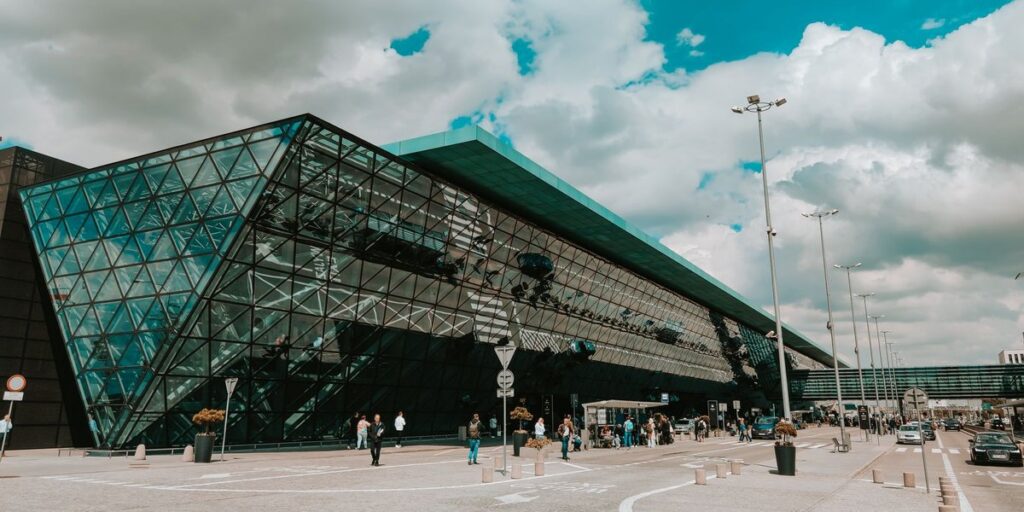
Vietnam has about 22 airports with scheduled passenger flights, and ten of them are officially designated international. Only five handle regular long-haul and regional international service: Hanoi, Ho Chi Minh City, Da Nang, Cam Ranh and Phu Quoc. That’s the short version, current as of November 2026.
Counts online run from 21 to 33 because sources mix in military fields, closed strips and airports still under construction. The table below counts airports where you can buy a scheduled commercial ticket today. A new one, Long Thanh near Ho Chi Minh City, is about to change the picture, so it gets its own section.
Contents
- TLDR
- Airports in Vietnam: the full list with codes
- The big three: Noi Bai, Tan Son Nhat and Da Nang
- Which airport for which destination
- Long Thanh: Vietnam’s next international airport
- Tan Son Nhat vs Noi Bai
- Domestic flight tips
TLDR
- Fly into Hanoi (HAN) for the north, Ho Chi Minh City (SGN) for the south, Da Nang (DAD) for the center.
- Beach destinations have their own airports: Cam Ranh (CXR) for Nha Trang, Phu Quoc (PQC) for the island.
- Lien Khuong (DLI) serves Da Lat, Phu Bai (HUI) serves Hue, and Con Dao (VCS) is the only practical way onto the island.
- Sapa, Ninh Binh, Ha Long Bay and Hoi An have no airport that suits most visitors. You fly into Hanoi or Da Nang and go overland.
- Long Thanh (SGN’s planned companion) is reported to open for commercial flights on December 24, 2026.
Airports in Vietnam: the full list with codes
“International” below means the airport carries an international designation from Vietnamese aviation authorities, tracked by the Civil Aviation Authority of Vietnam. Designation isn’t the same as service. Cat Bi, Van Don, Vinh, Phu Bai and Can Tho see only a few international routes, or charters, at any given time.
| Airport | City or area | IATA | Type | Mainly useful for |
|---|---|---|---|---|
| Noi Bai | Hanoi | HAN | International | Hanoi, Ninh Binh, Sapa, Ha Long Bay |
| Cat Bi | Hai Phong | HPH | International | Hai Phong, Cat Ba Island |
| Van Don | Quang Ninh | VDO | International | Ha Long Bay, Co To Island |
| Dien Bien Phu | Dien Bien | DIN | Domestic | Northwest mountains |
| Tho Xuan | Thanh Hoa | THD | Domestic | Thanh Hoa, Sam Son beach |
| Vinh | Nghe An | VII | International | Vinh, Cua Lo beach |
| Dong Hoi | Quang Binh | VDH | Domestic | Phong Nha caves |
| Phu Bai | Hue | HUI | International | Hue, imperial citadel |
| Da Nang | Da Nang | DAD | International | Da Nang, Hoi An, My Son |
| Chu Lai | Quang Nam | VCL | Domestic | Tam Ky, Chu Lai area |
| Phu Cat | Binh Dinh | UIH | Domestic | Quy Nhon |
| Tuy Hoa | Phu Yen | TBB | Domestic | Tuy Hoa, Phu Yen coast |
| Cam Ranh | Khanh Hoa | CXR | International | Nha Trang, Cam Ranh Bay |
| Lien Khuong | Lam Dong | DLI | Domestic | Da Lat |
| Pleiku | Gia Lai | PXU | Domestic | Central Highlands |
| Buon Ma Thuot | Dak Lak | BMV | Domestic | Central Highlands coffee country |
| Tan Son Nhat | Ho Chi Minh City | SGN | International | Ho Chi Minh City, Mekong Delta, Mui Ne |
| Can Tho | Can Tho | VCA | International | Mekong Delta |
| Rach Gia | Kien Giang | VKG | Domestic | Rach Gia, ferries to Phu Quoc |
| Ca Mau | Ca Mau | CAH | Domestic | Southern tip of the Mekong Delta |
| Con Dao | Ba Ria-Vung Tau | VCS | Domestic | Con Dao Islands |
| Phu Quoc | Kien Giang | PQC | International | Phu Quoc Island |
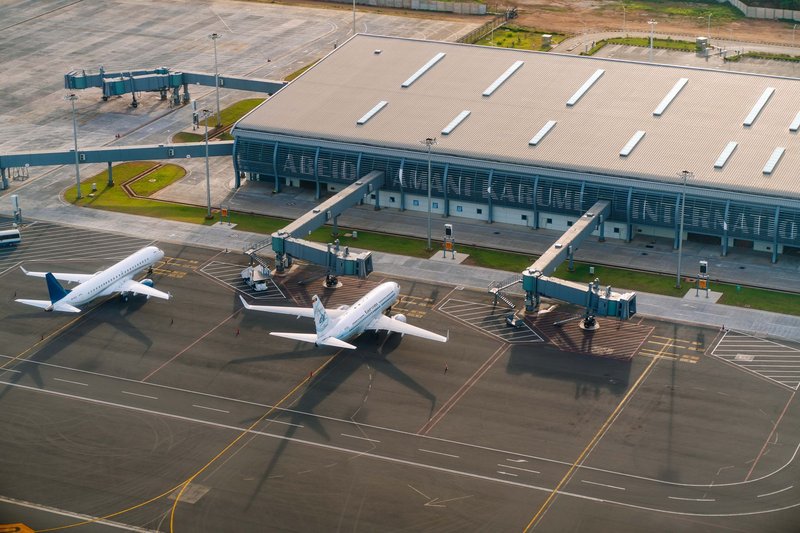
Domestic airports are the same airports in a different role, not a separate system. Hanoi and Ho Chi Minh City both have a domestic terminal and an international one, so you’ll often leave from a different building than you arrived at.
The big three: Noi Bai, Tan Son Nhat and Da Nang
Between them, these three handle most of Vietnam’s air traffic. Fares below are rough 2026 ranges in Vietnamese dong (VND) and move with traffic, fuel and the season. Check them on the day.
Noi Bai International (HAN), Hanoi
Noi Bai sits about 30 km north of the Old Quarter, which means 45 to 60 minutes by road, longer at rush hour. Terminal 1 is domestic and Terminal 2 is international.
- Bus 86 runs to the Old Quarter and Hanoi Railway Station for roughly 45,000 VND. It’s the cheapest option and the one most locals recommend.
- Taxi or Grab costs roughly 300,000 to 450,000 VND. Use the meter or app, not a flat price a driver quotes at arrivals.
- Hanoi has no airport rail link, so ignore any map that suggests one.
Tan Son Nhat International (SGN), Ho Chi Minh City
This is the closest major airport to a city center in the country. It’s about 6 to 8 km from District 1, and the ride takes 20 to 40 minutes depending on traffic. Terminal 1 handles domestic flights and Terminal 2 handles international ones.
- Grab or taxi runs roughly 120,000 to 200,000 VND to District 1.
- Bus 109 goes to the Pham Ngu Lao backpacker area for around 20,000 VND, and takes about an hour.
- The city’s Metro Line 1 does not reach the airport.
Da Nang International (DAD)
Da Nang’s airport is about 3 km from the city center, a 10-minute ride. Domestic and international flights use separate terminals, and the walk between them is short.
- Grab or taxi into town is cheap, roughly 60,000 to 100,000 VND.
- Hoi An is about 30 km south. Expect to pay roughly 350,000 to 500,000 VND by taxi, and an hour in the car if traffic is bad.
Which airport for which destination
Most travelers don’t pick an airport. They pick a destination, then work backward. Here’s the lookup.
Nha Trang: Cam Ranh (CXR). The airport is about 30 to 35 km south of the city, a 40-minute drive. Shuttle buses and taxis run to the center, and international flights from Russia, China and Korea land here directly. Taxis cost roughly 350,000 to 450,000 VND.
Phu Quoc: PQC. The airport is about 10 km from Duong Dong town and close to most resorts, so transfers are short. It’s the only way to reach the island quickly. The alternative is a ferry from Rach Gia or Ha Tien.
Da Lat: Lien Khuong (DLI). About 30 km south of the city, roughly 45 minutes by road. Direct flights come from Hanoi and Ho Chi Minh City. The bus from Ho Chi Minh City takes six to eight hours, so the flight pays for itself.
Hue: Phu Bai (HUI). About 15 km from the city center, around 25 minutes by taxi. Fly here when you want the citadel and tombs without a stop in Da Nang first.
Con Dao: VCS. The islands are reached by air from Ho Chi Minh City, or by a long ferry from the mainland. Flights use small aircraft and fill up in the dry season, so book early.
Hoi An: Da Nang (DAD). Hoi An has no airport. Da Nang is 30 km away and the transfer is straightforward.
Sapa: Hanoi (HAN). There’s no commercial airport near Sapa. The usual route is a train or bus from Hanoi, and the trip takes five to six hours. Dien Bien Phu is closer to the far northwest, but it doesn’t serve Sapa well.
Ha Long Bay: Van Don (VDO) or Hanoi (HAN). Van Don is the nearest airport. It’s the right pick if you have a pre-booked cruise or transfer, since there’s little public transport from it. Most visitors still go via Hanoi, about 2.5 to 3.5 hours by road.
Phong Nha: Dong Hoi (VDH). The airport is roughly 45 km from the national park. Flights come from Hanoi and Ho Chi Minh City.
Quy Nhon: Phu Cat (UIH). About 35 km from the city. The beach town is popular with domestic travelers, and Phu Cat is the only air link.
Mekong Delta: Can Tho (VCA) or Ho Chi Minh City (SGN). Can Tho is useful if you’re starting from Hanoi or the central coast. From the south, a road trip from Ho Chi Minh City is the usual way in.
Long Thanh: Vietnam’s next international airport
Long Thanh International Airport, in Dong Nai province about 40 km east of central Ho Chi Minh City, is the big change on the schedule. Pages that still call it “under construction” or “planned” are out of date.
As of November 2026, The Star reports that commercial operations start on December 24, 2026, with up to 366 flights a week at the start. The first phase is designed for 25 million passengers a year. Tan Son Nhat is reported to keep some international routes until March 2027, so the handover will be gradual.
For travelers, three things follow:
- Check the airport code on your ticket. Flights to “Ho Chi Minh City” could land at either airport during the changeover. Long Thanh’s transfer to District 1 is far longer than Tan Son Nhat’s.
- Allow extra transfer time. Forty kilometers in Ho Chi Minh City traffic is not the 20-minute ride from Tan Son Nhat.
- Domestic and Mekong Delta connections may get awkward if you’re mixing airports. Don’t book a tight onward flight from the other airport.
Dates for new airports tend to slip, so confirm with your airline close to departure.
Tan Son Nhat vs Noi Bai
Travelers often ask which of the two main gateways to use. For international arrivals, it’s mostly geography. Hanoi suits northern Vietnam, Ninh Binh, Sapa and Ha Long Bay. Ho Chi Minh City suits the south, the Mekong Delta and the southern beaches.
A few differences matter:
- Distance to city. Tan Son Nhat is about 6 to 8 km from District 1. Noi Bai is about 30 km from the Old Quarter. Tan Son Nhat wins by a wide margin.
- Transport. Hanoi’s Bus 86 is a real option for budget travelers. Ho Chi Minh City’s buses are slower and less direct.
- Traffic. Tan Son Nhat is the busiest airport in the country and feels it at peak hours. Noi Bai is also busy, but the highway into Hanoi is faster at off-peak times.
If you’re flying open-jaw, into one city and out of the other, check the fare first. Vietnam is long, and a one-way domestic flight between the two is about two hours.
Domestic flight tips
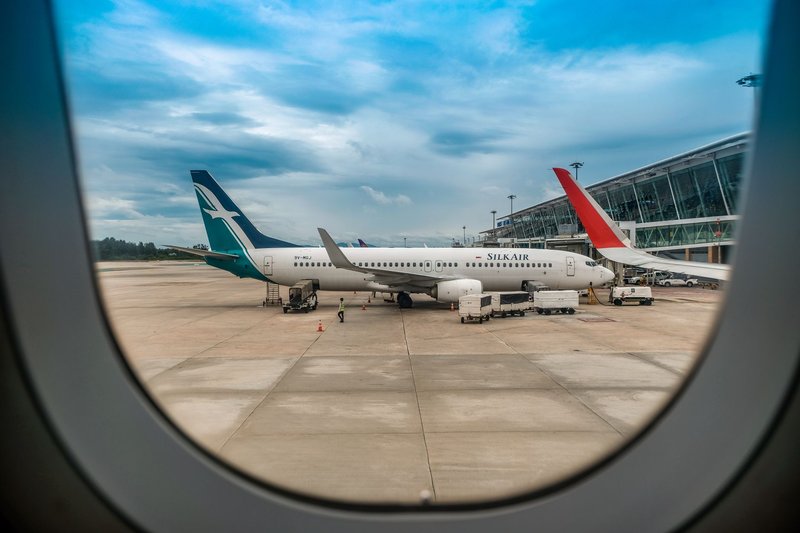
Domestic flights are the fast way to cover a country that stretches over 1,600 km north to south. Vietnam Airlines, Vietjet Air and Vietravel Airlines run most routes.
- Read the baggage rules. Low-cost fares usually include a small carry-on and charge extra for checked bags. Buy bag allowance during booking, not at the airport.
- Arrive early. About 90 minutes before a domestic flight and two hours before an international one is a safe rule at the big three.
- Book ahead for Tet. Lunar New Year, usually in late January or February, sells out flights between Hanoi and Ho Chi Minh City weeks in advance.
- Expect weather delays. Typhoon season hits the central coast, including Da Nang and Hue, from roughly September to November.
- Check which terminal. At Hanoi, Ho Chi Minh City and Da Nang, domestic and international flights use different terminals.
- Entry rules. If you need a visa for your first arrival, check the official Vietnam e-visa portal before you book anything.
For anything beyond the big three, Vietnam’s national tourism board has a short guide to the main gateways. For the other airports in Vietnam, the table above is the quick reference: find your destination, find the code, and check the transfer before you buy.


