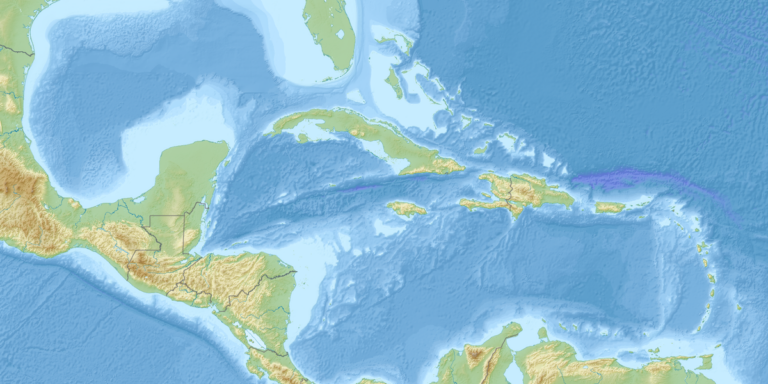
The Caribbean Sea touches a diverse mix of islands and mainland coasts across the Greater and Lesser Antilles, Central America and northern South America, shaping regional culture, trade and marine life in many ways.
There are 20 Caribbean Sea Bordering Countries, ranging from Antigua and Barbuda to Venezuela. For each entry we list Flag (emoji), Region and Caribbean coastline (km); you’ll find the full list below.
Are any mainland countries included or are they all islands?
Both — the list includes island nations like Antigua and Barbuda as well as mainland states such as Venezuela; some countries also have both island and continental territories, but every entry has a Caribbean coastline.
How should I interpret the “Caribbean coastline (km)” figures?
Coastline lengths are approximate, taken from national sources and international databases; values vary with measurement method and scale, so use them for relative comparison rather than exact precision.
Caribbean Sea Bordering Countries
| Country | Flag (emoji) | Region | Caribbean coastline (km) |
|---|---|---|---|
| Mexico | 🇲🇽 | Central America | 2,500 |
| Cuba | 🇨🇺 | Greater Antilles | 4,000 |
| Jamaica | 🇯🇲 | Greater Antilles | 1,022 |
| Haiti | 🇭🇹 | Greater Antilles | 1,300 |
| Dominican Republic | 🇩🇴 | Greater Antilles | 800 |
| Antigua and Barbuda | 🇦🇬 | Lesser Antilles | 153 |
| Saint Kitts and Nevis | 🇰🇳 | Lesser Antilles | 135 |
| Dominica | 🇩🇲 | Lesser Antilles | 148 |
| Saint Lucia | 🇱🇨 | Lesser Antilles | 158 |
| Saint Vincent and the Grenadines | 🇻🇨 | Lesser Antilles | 84 |
| Grenada | 🇬🇩 | Lesser Antilles | 121 |
| Trinidad and Tobago | 🇹🇹 | Lesser Antilles | 362 |
| Belize | 🇧🇿 | Central America | 386 |
| Guatemala | 🇬🇹 | Central America | 240 |
| Honduras | 🇭🇳 | Central America | 700 |
| Nicaragua | 🇳🇮 | Central America | 610 |
| Costa Rica | 🇨🇷 | Central America | 212 |
| Panama | 🇵🇦 | Central America | 1,400 |
| Colombia | 🇨🇴 | South America | 1,760 |
| Venezuela | 🇻🇪 | South America | 2,800 |
Images and Descriptions
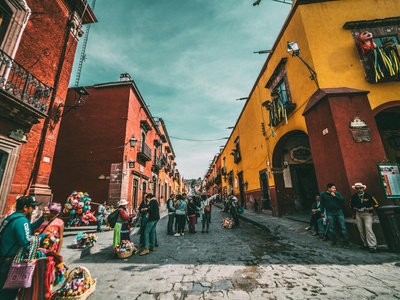
Mexico
Mexico’s Caribbean coast runs along the Yucatán Peninsula from Campeche to Quintana Roo, including Cancún and Cozumel. Major ports include Progreso and Puerto Morelos; the region is famed for Riviera Maya resorts, coral reefs and busy cruise terminals.
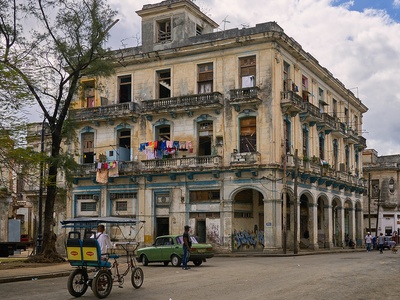
Cuba
Cuba is the largest Caribbean island with an extensive southern and southeastern coast on the Caribbean Sea. Key ports include Santiago de Cuba and Cienfuegos; thousands of cays, coral reefs and marine parks line this long, historically strategic coastline.
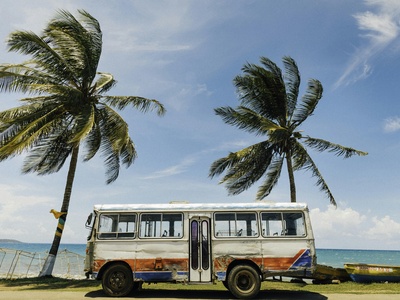
Jamaica
Jamaica lies wholly within the Caribbean Sea with about 1,022 km of coastline. Major ports Kingston and Montego Bay support shipping and cruises; the island is known for coral reefs, golden beaches, reggae culture, and mountainous interior meeting tropical shores.
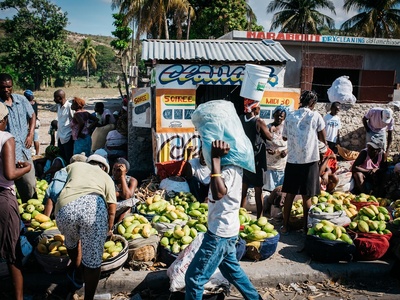
Haiti
Haiti occupies the western third of Hispaniola with a Caribbean coastline of rugged bays and sandy stretches. Ports include Port-au-Prince and Cap-Haïtien. The coast is hurricane-prone, culturally rich with coastal fishing towns and historical harbor sites.
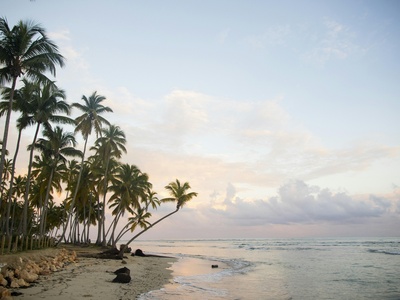
Dominican Republic
The Dominican Republic occupies the eastern part of Hispaniola with extensive Caribbean beaches along the south and southeast. Famous resort areas like Punta Cana and port Santo Domingo drive tourism and shipping; the coastline includes bays, reefs and mangrove wetlands.
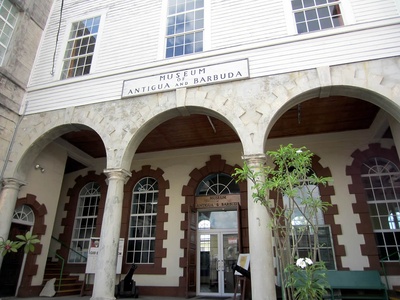
Antigua and Barbuda
Antigua and Barbuda sit in the Leeward Islands with a largely Caribbean coastline. St. John’s is the main port and cruise hub; Nelson’s Dockyard and numerous sheltered harbors make it a globally popular sailing and yachting destination.
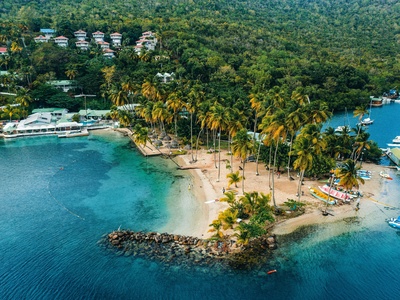
Saint Kitts and Nevis
This two-island federation in the Leeward Islands has scenic Caribbean shores, with Basseterre as a commercial port and Charlestown on Nevis. Volcanic peaks, beaches and historic sugar estates frame small harbors used by cruise ships and local fisheries.
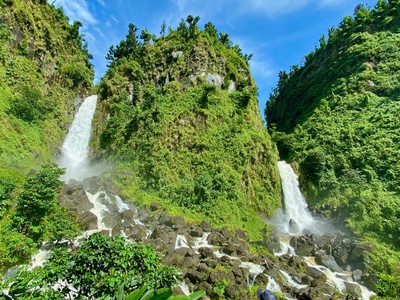
Dominica
Dominica features a rugged, rainforest-covered island with narrow, rocky Caribbean shores. Portsmouth and Roseau anchor its maritime access; the coast has deep bays, volcanic features, strong surf, and growing eco-tourism emphasizing hot springs and coastal hiking.
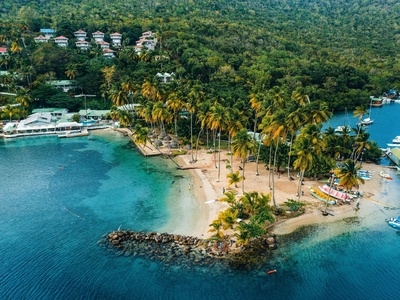
Saint Lucia
Saint Lucia’s Caribbean coast is famed for the Pitons rising near Soufrière and sandy northern beaches. Castries is the main port and cruise terminal; coastal reefs, volcanic shoreline, and upscale resorts draw visitors and marine activities.
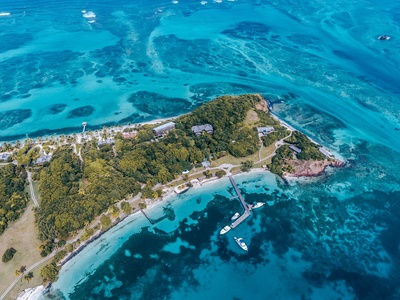
Saint Vincent and the Grenadines
This chain of islands in the Windward Islands offers sheltered Caribbean beaches, yachting marinas, and small ports like Kingstown. Famous islands such as Bequia and Mustique attract luxury tourism while fishing and inter-island transport support local economies.
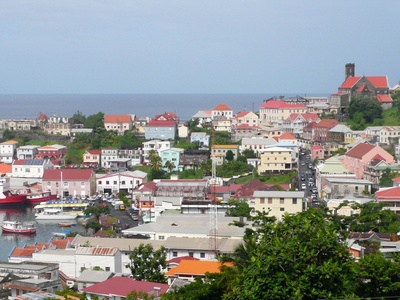
Grenada
Grenada, the “Spice Isle”, has a warm Caribbean coastline with St. George’s horseshoe harbor and beaches. Key activities include diving, sailing, and visiting nutmeg plantations; coastal reefs and an underwater sculpture park are notable marine attractions.
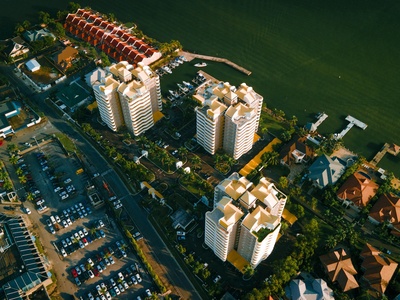
Trinidad and Tobago
Trinidad and Tobago sit at the southern edge of the Caribbean Sea close to Venezuela. Port of Spain and San Fernando are major ports, with industrial terminals and lively coastal ecosystems ranging from mangroves to sandy tourist beaches on Tobago.
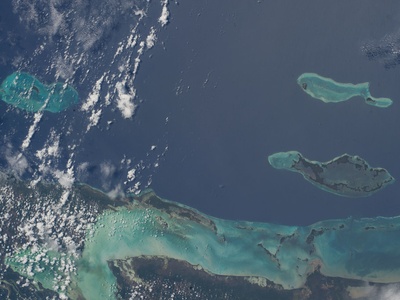
Belize
Belize’s Caribbean coast features the Belize Barrier Reef and numerous cayes including Ambergris Caye. Belize City and Dangriga are major ports; the coastline is a world-class diving destination and focus of coral conservation and eco-tourism efforts.
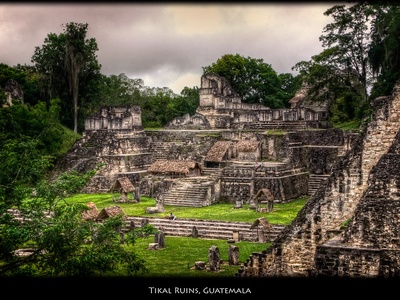
Guatemala
Guatemala’s short Caribbean shoreline along the Gulf of Honduras includes ports like Puerto Barrios and Livingston. The coast hosts Garífuna communities, mangrove wetlands, and provides ferry links and access to regional shipping lanes toward Belize and Honduras.
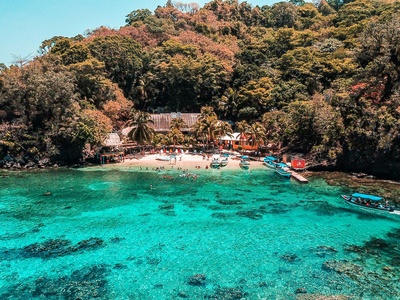
Honduras
Honduras has a substantial Caribbean coastline with major ports such as Puerto Cortés, La Ceiba and Trujillo, plus the Bay Islands (Roatán). The region supports shipping, tourism, coral reefs and tropical rainforests meeting the sea.
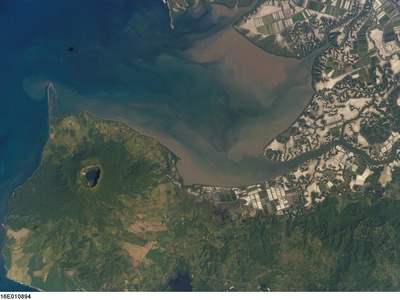
Nicaragua
Nicaragua’s extensive Caribbean (Mosquito) Coast stretches north-south with ports Bluefields and Puerto Cabezas. The coastline is remote with indigenous territories, vast wetlands, numerous islands, and growing eco-tourism focused on biodiversity and coastal culture.
Costa Rica
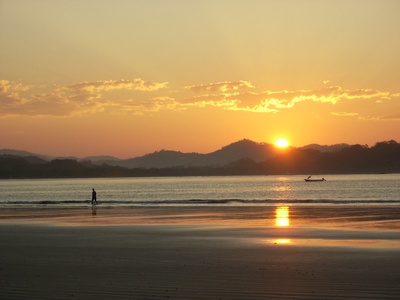
Costa Rica’s Caribbean coast is shorter than its Pacific side but biologically rich, with Limón and Puerto Viejo as main ports. Mangrove estuaries, Tortuguero canals, Afro-Caribbean culture, and sea turtle nesting define the coastal experience.

Panama
Panama’s Caribbean shore includes Colón, the Atlantic entrance to the Panama Canal, and the Bocas del Toro archipelago. This strategic coastline supports global shipping, canal-related traffic, tourism, and diverse coastal ecosystems across many islands and channels.
Colombia
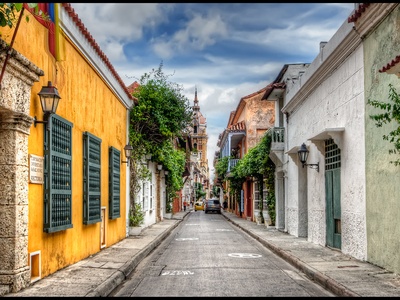
Colombia’s Caribbean coast runs from the Gulf of Urabá to La Guajira, hosting major ports Cartagena, Barranquilla, and Santa Marta, plus the Rosario Islands archipelago. It’s a mix of colonial ports, tourist beaches, mangroves and Caribbean biodiversity hotspots.
Venezuela
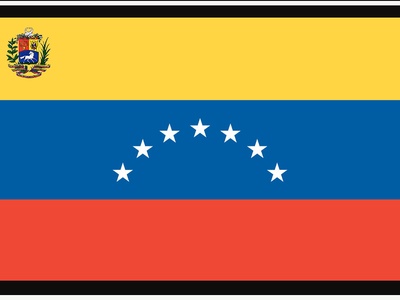
Venezuela has a long Caribbean frontage with ports like La Guaira, Puerto Cabello and access to Margarita Island. The coastline includes oil terminals, sandy beaches, coastal lagoons, coral islands and diverse marine habitats facing the southern Caribbean.