The Baltic Sea shapes a unique coastal region of northern Europe, where ferry lines, cargo routes and seaside towns link nations with varied histories and landscapes. Its shallow, brackish waters create distinct ecosystems and make the sea an important corridor for trade and travel.
There are 9 Baltic Sea Bordering Countries, ranging from Denmark to Sweden. For each, you’ll find below Flag (emoji),Baltic coastline (km),Key Baltic ports — a compact way to compare maritime presence, major harbors and shoreline length across the region you’ll find below.
Which countries border the Baltic Sea?
The nine are Denmark, Estonia, Finland, Germany, Latvia, Lithuania, Poland, Russia and Sweden — covering everything from Denmark’s straits to Sweden’s long eastern shore and Russia’s Baltic exclave.
Why do reported coastline lengths vary between sources?
Coastline measurements depend on methods (map scale, tidal detail and whether islands are included), so figures can differ; check the source notes to know whether lengths count major islands, inlets or only the mainland.
Baltic Sea Bordering Countries
| Country | Flag (emoji) | Baltic coastline (km) | Key Baltic ports |
|---|---|---|---|
| Denmark | 🇩🇰 | 1,700 | Copenhagen, Helsingør, Kalundborg, Køge, Rønne |
| Estonia | 🇪🇪 | 3,800 | Tallinn, Muuga, Paldiski, Sillamäe |
| Finland | 🇫🇮 | 1,250 | Helsinki, Turku, Kotka, Hanko, Vaasa, Oulu |
| Germany | 🇩🇪 | 2,000 | Kiel, Rostock, Lübeck (Travemünde), Stralsund, Wismar, Sassnitz |
| Latvia | 🇱🇻 | 500 | Riga, Ventspils, Liepāja |
| Lithuania | 🇱🇹 | 90 | Klaipėda |
| Poland | 🇵🇱 | 770 | Gdańsk, Gdynia, Świnoujście, Szczecin, Kołobrzeg |
| Russia | 🇷🇺 | 1,200 | St. Petersburg, Kaliningrad, Vyborg, Baltiysk |
| Sweden | 🇸🇪 | 2,200 | Stockholm, Norrköping, Gävle, Karlskrona, Visby, Malmö |
Images and Descriptions
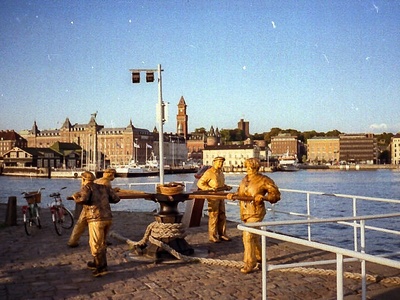
Denmark
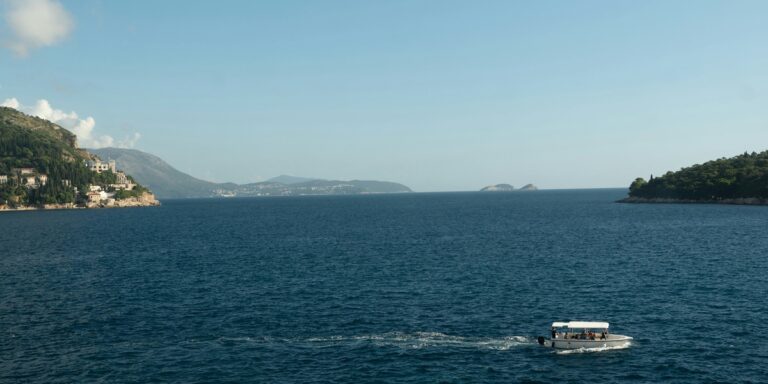
Denmark’s eastern shores and numerous islands form the southern entrance to the Baltic Sea, with sandy beaches, sheltered sounds, and major ports such as Copenhagen. The coast connects to the Kattegat and Øresund straits that separate Denmark from Sweden.
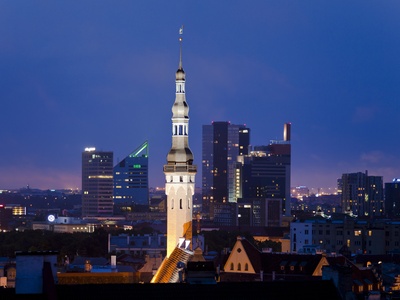
Estonia
Estonia’s highly indented Baltic coast includes thousands of islands and long skerries. Tallinn is a major port and cultural hub. The coastline is notable for rocky shores, sandy beaches, and maritime heritage, with strong ferry links to Finland and Sweden.
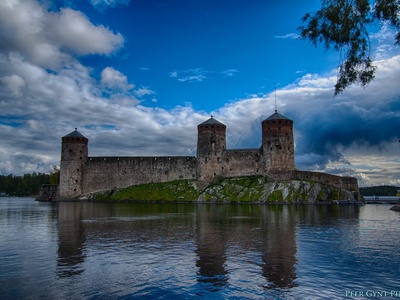
Finland
Finland’s Baltic coast ranges from the Gulf of Finland to the Bothnian Sea, famous for extensive archipelagos, rocky islands, and summer boating. Helsinki is the principal port; ferries link across to Estonia and Sweden. Winters bring seasonal ice cover in northern bays.
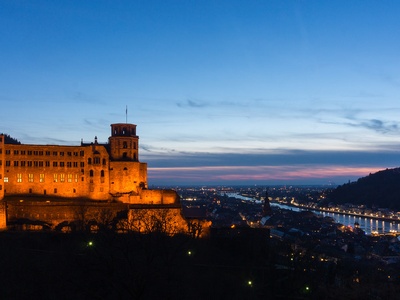
Germany
Germany’s Baltic coast in Mecklenburg and Schleswig-Holstein features sandy beaches, seaside resorts, and deeper ports such as Kiel and Rostock. The coast includes islands like Rügen and Usedom and is a popular tourist region with ferry links to Scandinavia and Poland.
Latvia
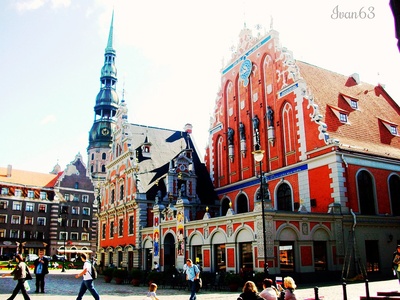
Latvia’s sandy Baltic coast stretches from estuaries and dunes to the Riga Gulf. Riga is the main port and cultural center; Ventspils and Liepāja are significant cargo and ferry ports. The shore is known for wide beaches, dunes, and seaside resorts.
Lithuania
Lithuania’s short Baltic coastline centers on the port city of Klaipėda and the Curonian Spit, a UNESCO-listed sand dune peninsula shared with Russia’s Kaliningrad. The region is prized for unique dunes, fishing communities, and ferry connections to Germany and Sweden.
Poland
Poland’s Baltic shore features sandy beaches, the populous Tricity (Gdańsk–Gdynia–Sopot), and major ports like Gdańsk and Gdynia. The coast includes the Vistula Lagoon, Słowiński National Park’s shifting dunes, and strategic shipyards and ferry links to Scandinavia.
Russia
Russia’s Baltic presence splits between the Gulf of Finland around St. Petersburg and the Kaliningrad exclave on the southern Baltic. St. Petersburg is a historic port; Kaliningrad is strategically important. Coasts include industrial harbors, naval bases, and tourist stretches.
Sweden
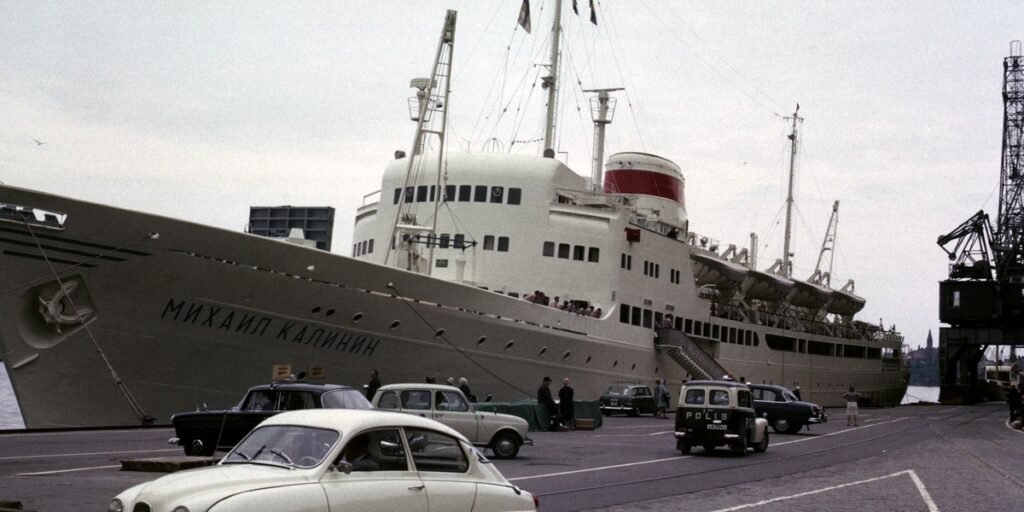
Sweden’s eastern Baltic coast is long and varied, with archipelagos, sandy beaches, and urban ports like Stockholm. Gotland and Öland are major island destinations. The coast supports shipping, fishing, ferries to the Baltic states, and popular summer tourism.