The first week after I moved from Milan to Kyoto in September 2022, I woke at 3:40 every morning and was useless by 2 p.m. Seven time zones east, and my body was still on Italian time.
How to beat jet lag comes down to moving your body clock to local time faster than it would move on its own. Light does most of that work, timed sleep and melatonin help, and the right timing depends on whether you fly east or west. This guide gives you a plan for each direction, the first three days after landing and the remedies that have evidence behind them.
How to beat jet lag: the short version
- Count the time zones and note the direction. Going east is harder. Under 3 zones, most people need no plan.
- Shift your sleep before you fly. For 2 to 3 days, go to bed 1 hour earlier each night before an eastbound trip, or 1 hour later before a westbound one.
- Switch to local time at boarding. Sleep on the plane if it is night where you are going, and stay awake if it is day.
- Get light at the right time. Going east up to 7 zones, get outside in the morning. At 8 or more zones east, skip early morning light and go out in the afternoon. Going west, get outside in the late afternoon and evening.
- Stay up until 10 p.m. local time on the first day. Keep any nap under 30 minutes and at least 8 hours before bed.
- Time caffeine to local daytime. Stop 6 hours before bed and skip alcohol on the flight.
- Consider low-dose melatonin at local bedtime for the first nights after an eastbound flight of 5 or more zones.
- Stay on home time for trips of 2 days or less. Shifting your clock for a weekend costs more than it saves.
Why jet lag is worse going east
Your body clock runs a little longer than 24 hours, so it drifts later on its own. Flying west asks it to do what it already wants: stay up later. Flying east asks it to go to bed and wake up earlier, which it resists. In studies of real travelers, the clock moved about 92 minutes a day after westward flights and about 57 minutes a day after eastward ones (Eastman and Burgess). The Sleep Foundation reports that about 3 in 4 people find eastbound jet lag worse.
The CDC Yellow Book gives similar numbers: about 1 hour of adjustment per day going east and about 1.5 hours per day going west. That turns into a rough recovery time:
| Time zones crossed | Example route | Days to adjust going east | Days to adjust going west |
|---|---|---|---|
| 3 | New York to Los Angeles | about 3 | about 2 |
| 6 | New York to Paris | about 6 | about 4 |
| 8 | Los Angeles to London | about 8 (or shift the other way) | about 5 |
| 9 to 10 | London to Tokyo | about 9 (or shift the other way) | about 6 to 7 |
These are averages without any help. Timed light and sleep can cut them by days, and some people adjust faster than others.
Jet lag shows up as poor night sleep, an afternoon crash, slow thinking and sometimes an upset stomach or no appetite at odd hours (NHS). Travel tiredness from a long day in airports goes away after one good night. Jet lag doesn’t, because your clock is still set to the place you left.
Before you fly: shift your schedule
Recovery can start before you leave. Moving your bedtime 1 hour a day for 2 or 3 days before departure means you land with part of the shift already done. In one study, moving sleep 2 hours a day worked no better than 1 hour a day and left their body clock out of step with their sleep, so keep it to 1 hour (Eastman and Burgess). Night owls flying east may only manage 30 minutes a day, which still helps.
- Eastbound: go to bed 1 hour earlier each night and get bright light as soon as you wake. Keep the evening dim.
- Westbound: go to bed 1 hour later and get light in the evening. Keep the first hour after waking dim. There are fewer studies on westbound pre-shifting, but the logic is the same.
- Book a flight with a helpful arrival time. In a group of 85 people flying 10 zones east, those who landed around midday had fewer symptoms than those who landed in the morning.
Jet lag apps such as Timeshifter and other jet lag calculators turn your flight times into a schedule for light, sleep and caffeine. The CDC notes that most are built on the same body clock research.
When people ask how to beat jet lag, Reddit answers on r/travel are simple: shift your sleep an hour a night before departure, then stay awake until local bedtime no matter how tired you are. Opinions on Timeshifter are split. One traveler said the pre-trip shifts left them jet lagged before leaving home.
How to beat jet lag going east
East is the hard direction, and the plan depends on how far you go.
Up to 7 time zones: US East Coast to Europe
This is the most common eastbound trip and the usual answer to how to beat jet lag flying to Europe: an overnight flight from the East Coast or Midwest that lands in the morning. From the West Coast, Europe is 8 or 9 zones east, so use the next section.
- On the plane: eat early and sleep as much as you can. It is night where you are going.
- On arrival morning: get outside. Walk to breakfast, sit by a window, skip the taxi if the weather allows. Morning light is the strongest signal to move your clock earlier.
- Afternoon: one nap of 20 to 30 minutes before 2 p.m. if you need it. Set an alarm.
- Evening: dim the room, put screens away and go to bed at 10 or 11 p.m. local time.
- Melatonin: if you crossed 5 or more zones, a low dose in the evening for the first few nights.
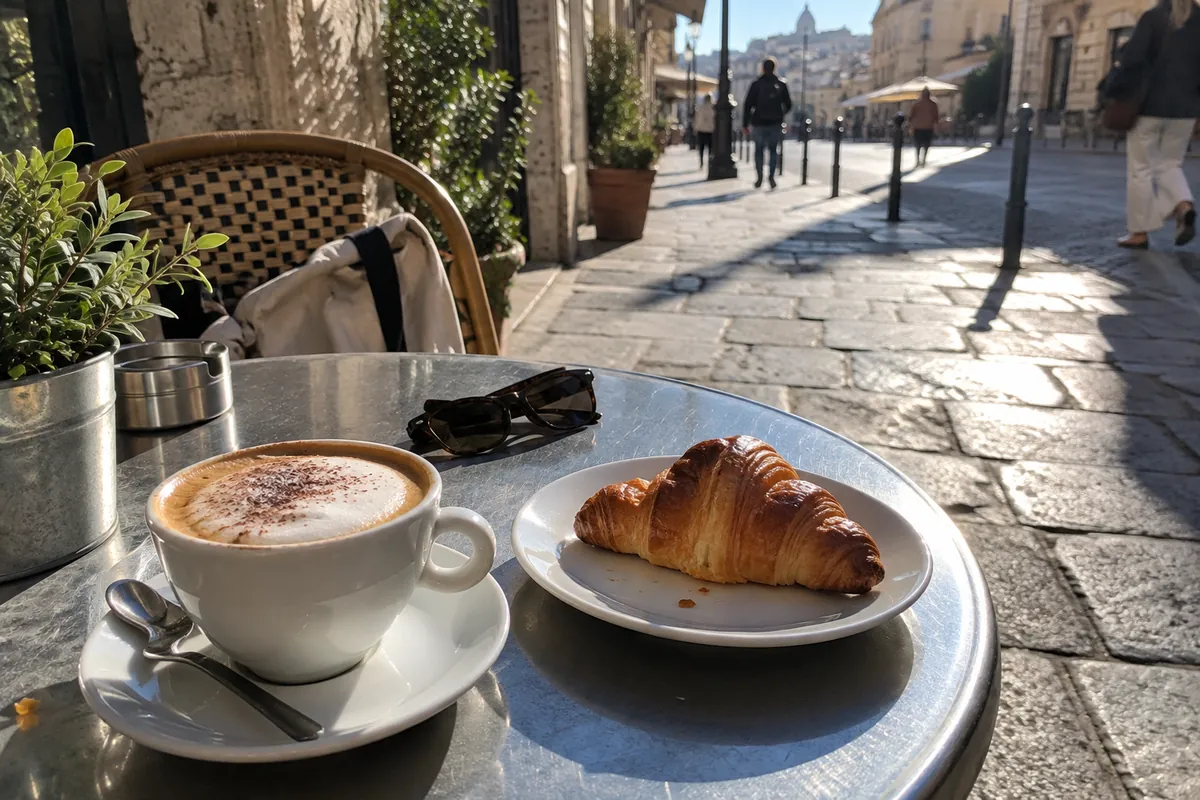
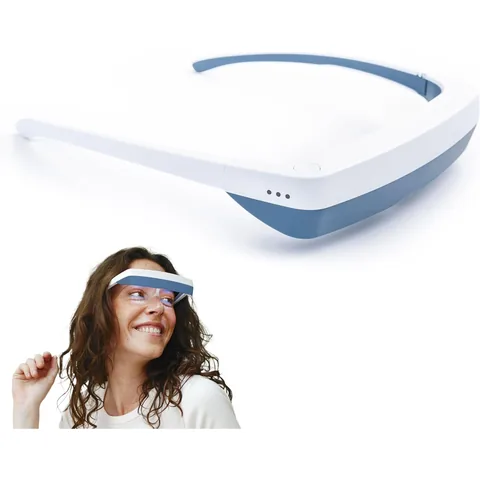
Luminette 3 Light Therapy GlassesPremium
Morning light helps reset your body clock after flying east. Wear these at the right time instead of sitting at a lamp, with three intensity levels.
- Blue-enriched white LED light in three intensities: 500, 1000 and 1500 lux
- Wear them while you eat breakfast or read; slim, portable frame
If you land on a dark winter morning or have to work indoors, light glasses or a lamp may help. Timed light is the best-supported jet lag tool, but no jet lag trial of the glasses themselves was found, and outdoor light, even on a cloudy day, is brighter.
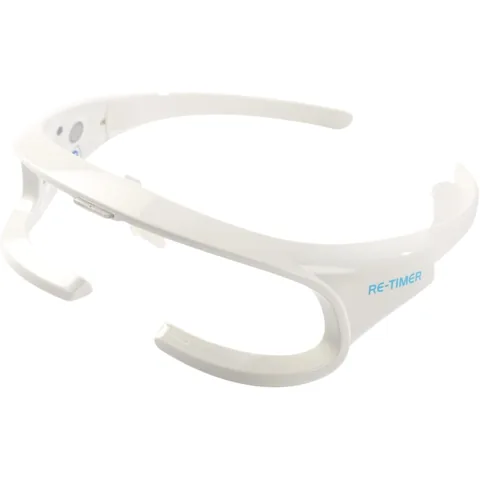
Re-Timer Light Therapy GlassesPremium
Timed green light is a way to move your body clock earlier or later depending on direction, built around jet lag and shift work timing.
- Green light with its peak wavelength at the eye; UV-free
- Meets the IEC 62471 eye safety standard; wear it while you eat breakfast
8 or more time zones east: US West Coast to Europe, Europe to Japan or Australia
Here the timing changes. Bright light early in the morning can land before your body’s low point and push your clock the wrong way. Eastman and Burgess move the clock earlier for trips of up to 7 zones east. For 8 or more, they often move it later instead, because the clock delays more easily.
- First few mornings: avoid bright early light. Wear dark sunglasses outdoors and keep the curtains closed.
- Late morning to afternoon: get as much outdoor light as you can. This is the guidance in the BMJ Clinical Evidence review for eastbound flights.
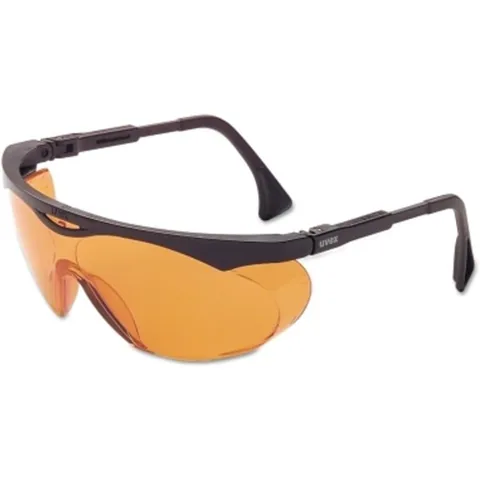
Uvex Skyper Orange GlassesBudget
Blue light at the wrong hour tells your brain it is daytime. Orange lenses cut it on late flights and evenings when you want your clock to move on.
- SCT-Orange lens absorbs 98% of blue light from screens
- Adjustable temples and nose bridge for long wear
Amber lenses block the blue light that has the strongest effect on the body clock. Use them indoors in the evening, in a lit hotel lobby or at a dinner table. Outdoors in the morning, dark sunglasses work better. No jet lag trial of amber glasses was found, so treat them as a tool for avoiding light, not a cure.
How to beat jet lag flying to Asia from the US
New York to Tokyo is 13 or 14 hours ahead on the calendar, but the plane flies west across the Pacific. Your clock doesn’t care about the date line. Shifting 10 or 11 hours later is the same as 13 or 14 hours earlier, and later is the direction your clock moves most easily. Treat it as a long westbound trip: stay up until local bedtime, get afternoon and evening light, and expect to wake early for the first few days.
The trip home needs either a 10-hour advance or a 14-hour delay. At CDC rates, both take about 9 to 10 days without help, so use the light and sleep timing from the start.
How to beat jet lag going west
West is easier because you are asking your body to stay up late. The common problem is waking at 3 or 4 a.m. for the first week.
- Arrival day: stay awake until at least 9 p.m. local time. A short walk outdoors in the late afternoon does more than an hour of TV in the room.
- Get evening light. Eat dinner outside or on a terrace, walk after dinner. Light in the evening pushes your clock later.
- Keep early mornings dark. If you wake at 4 a.m., keep the lights off and the phone down. Bright light at that hour pulls your clock back toward home time.
- Coffee in the late morning, not at dawn. The CDC advises against early-morning caffeine after westbound trips.
- Melatonin does less going west. Most of the trials that support it were on eastbound flights.
On a press trip from Milan to Mexico City in October 2019, seven hours west, I lay down at 7 p.m. “for a minute” and woke at 2 a.m. wide awake. The second night I walked Paseo de la Reforma until 9:30 and slept through to 6.
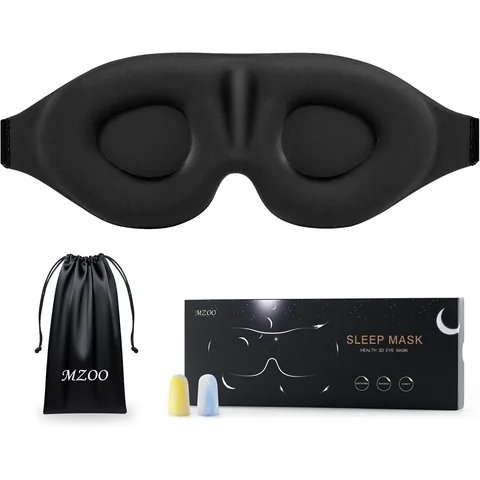
MZOO Contoured Sleep MaskBudget
Daylight leaking into a hotel room at your body's night is what cuts jet-lagged sleep short. Deep contoured cups block it without pressing on your eyes.
- Deep arc-shaped eye cups leave room for blinking and makeup
- Adjustable 19-28 inch strap, memory foam, nose bridge cutout
An eye mask matters most going west, where dawn arrives while your body still thinks it is midday. Hotel curtains rarely meet in the middle. If you want more choice, our guide to the best travel eye mask compares 13 of them.
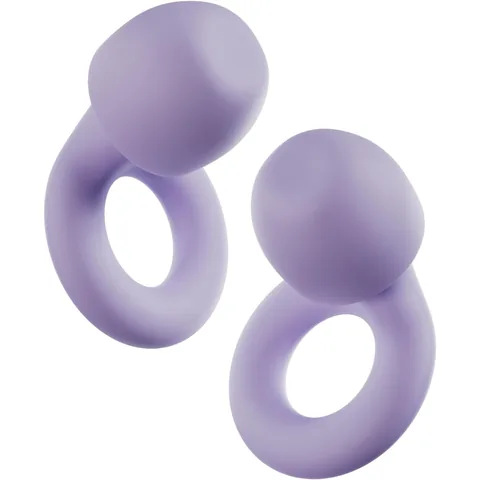 Loop Quiet 2 EarplugsBudgetCheck price on Amazon
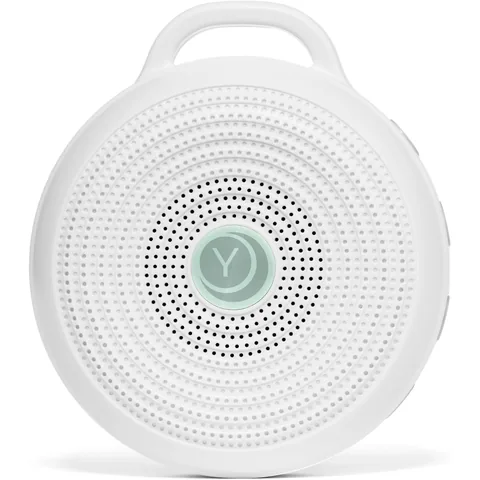 Yogasleep Rohm Travel Sound MachineBudgetCheck price on Amazon
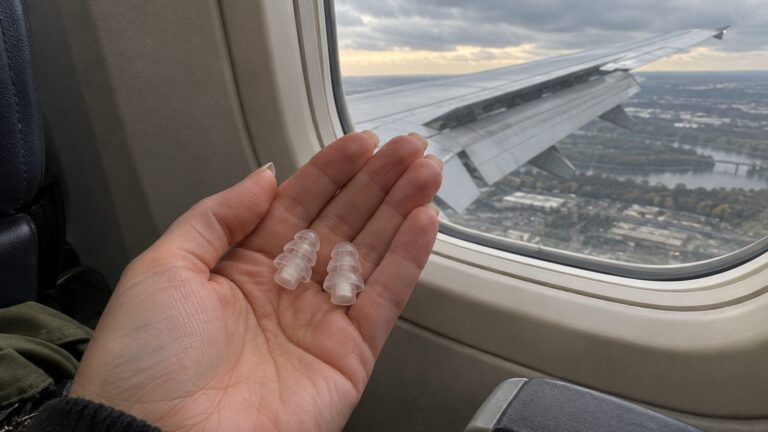
Early waking is also when hotel noise does the most damage: the first delivery trucks, the housekeeping carts, the neighbor’s shower. Earplugs or a small white noise machine buy you the last two hours of sleep.
Jet lag tips for the flight
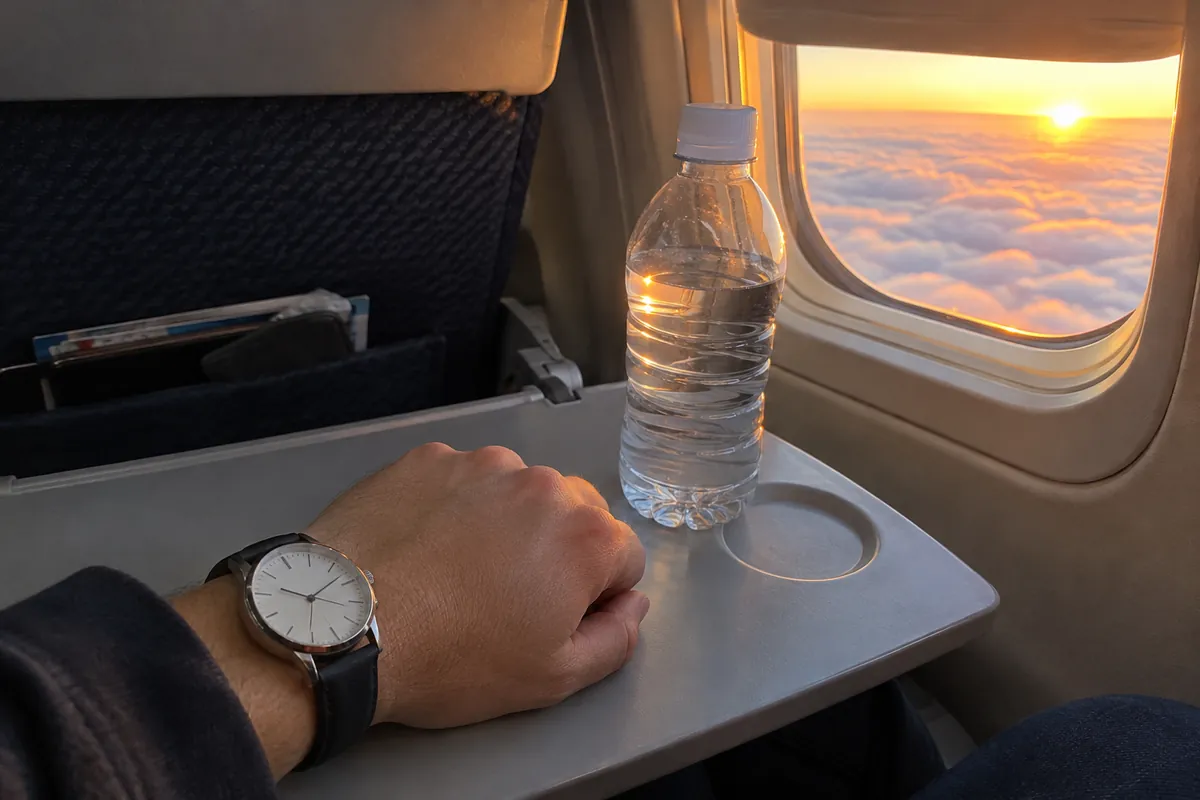
The flight is where you switch to local time. Set your phone and watch to the destination clock when you board, then eat, sleep and stay awake by that clock instead of the meal service.
- If it is night at your destination, eat early and sleep. Our guide on how to sleep on a plane covers seats, posture and gear.
- If it is day at your destination, stay awake with the window shade open and watch movies, even if the cabin goes dark.
- Skip the alcohol. It helps you fall asleep and then breaks up the second half of the night. Alcohol and caffeine both dry you out, which the CDC says can make jet lag worse.
- Drink water steadily. Cabin air is dry. Dehydration won’t cause jet lag, but it adds headache and fog on top of it.

Liquid I.V. Lemon LimeBudget
Cabin air is dry, and dehydration adds to the headache and fog that come with jet lag. A packet in a water bottle is an easy way to keep sipping.
- Single-serving packets mixed into 16 oz of water
- Electrolytes plus B vitamins; gluten, soy and dairy free
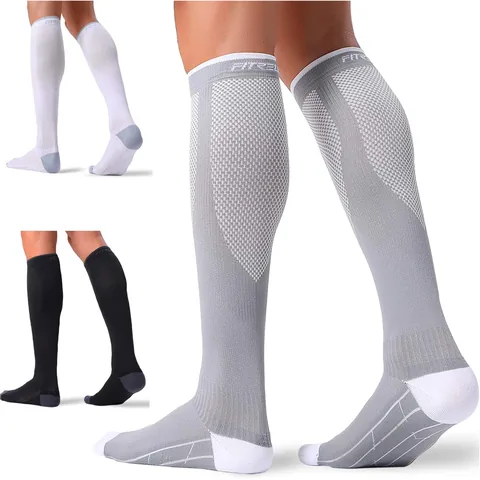
FITRELL Compression Socks (3-Pack)Budget
Not a jet lag cure: these help with leg swelling and heaviness on a long flight, so you arrive less sore. Fit is the main thing, so check the size chart.
- Graduated 20-30 mmHg compression, three pairs per pack
- Made for flying, circulation support and long sitting
Compression socks don’t fix jet lag. They reduce swollen ankles and heavy legs on flights over 4 hours, and graduated stockings appear to lower the rate of symptom-free clots in the legs (CDC). You arrive less sore, which makes the walk outside on arrival day easier.
How to get over jet lag in the first three days
Most people try to sleep off jet lag. Sleeping in until noon keeps you on home time. The faster fix is a strict local schedule for three days, with light, meals and exercise at local hours.
| Day | Eastbound (up to 7 zones) | Westbound |
|---|---|---|
| Day 1 | Outside by 9 a.m., one short nap before 2 p.m., bed at 10 p.m. | Stay outside until dusk, no nap after 1 p.m., bed after 9 p.m. |
| Day 2 | Morning walk or run, lunch and dinner at local times, no nap if you can manage it | Evening exercise or walk, keep lights low if you wake before 5 a.m. |
| Day 3 | Morning light again, coffee before noon only | Late dinner outdoors, coffee before mid-afternoon |
Naps. Sources differ. The CDC says 20 to 30 minutes is fine for staying alert. The NHS says to avoid daytime sleep entirely. The safe middle: one short nap, with an alarm, at least 8 hours before bedtime.
Meals. Eat at local times from the first day, even when you aren’t hungry. There is no good trial evidence for special jet lag diets. Regular local meal times give your body another clock cue.
Exercise. In a study of 101 adults, exercise at 7 a.m. or in the early afternoon moved the body clock earlier, and exercise from 7 to 10 p.m. moved it later. The effect was about a third of bright light’s, and jet lag itself wasn’t measured (Youngstedt and others). A morning run fits an eastbound plan and an evening walk fits a westbound one, as long as you don’t overhaul your usual routine.
Caffeine. Coffee in the local morning helps you stay awake while your clock catches up. Stop 6 hours before bed. Caffeine has a half-life of about 5 hours, so a 4 p.m. espresso is still working at 9.
Best jet lag remedies, ranked by the evidence
The best jet lag remedy is daylight at the right time. Most “jet lag cures” are sleep aids or comfort items, and only a few things move the body clock itself.
| Remedy | What it does | Evidence |
|---|---|---|
| Daylight at the right time | Moves the body clock | Strongest. Brighter than any device |
| Melatonin | Moves the clock, mild sleep aid | Good for 5+ zones east; weaker going west |
| Pre-shifting sleep before the flight | Starts the shift at home | Some support, from eastbound lab studies |
| Light glasses or a light box | Moves the clock when sunlight isn’t an option | Light works; no jet lag trial of glasses |
| Caffeine | Keeps you alert during local daytime | Helps alertness, hurts sleep if late |
| Prescription sleeping pills | Help you sleep on the first nights | Improve sleep; daytime benefit unproven |
| Eye mask, earplugs, white noise | Protect sleep at odd hours | Comfort tools; no effect on the clock |
| Fasting or special diets | Claimed to reset the clock | Weak. One self-selected military study |
| Homeopathic jet lag pills | Nothing measurable | No trial evidence |
Melatonin for jet lag: dose and timing
Melatonin is the hormone your brain releases in the evening. As a supplement, taken at the right time, it nudges your clock and makes you a little sleepy. A Cochrane analysis found that most of 10 trials showed less jet lag in adults crossing 5 or more time zones, especially going east. Other reviewers rate the evidence as low quality, the NHS doesn’t recommend it, and it isn’t approved as a jet lag drug in the US.
- Dose: 0.5 mg to 5 mg worked about the same in trials, and higher doses added nothing. The CDC says 0.5 to 1 mg is often enough and advises against more than 5 mg. Eastman and Burgess found 3 mg made people sleepy while 0.5 mg did not, which matters if you take it in the early evening.
- Timing going east: take it in the evening at your destination for the first few nights. The CDC suggests about 90 minutes before bed. Taken at the wrong time, early in the destination day, it can slow your adjustment.
- Going west: most people don’t need it. A dose at 3 a.m., when your own melatonin is already high, works less well and can make the mismatch worse.
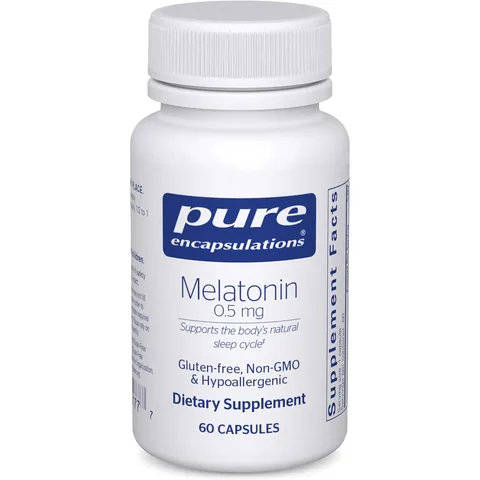 Pure Encapsulations Melatonin 0.5 mgBudgetCheck price on Amazon
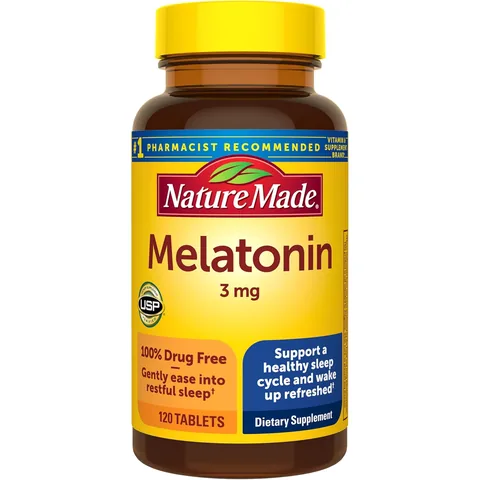 Nature Made Melatonin 3 mgBudgetCheck price on Amazon
Pick a brand with third-party testing. Supplements aren’t regulated like drugs: a study of 31 melatonin products sold in Canada found actual content between 83% below and 478% above the label (JCSM). A USP Verified mark or independent testing is the best check you have. Talk to a doctor first if you take blood thinners, have epilepsy or are pregnant or breastfeeding (NCCIH).
Light boxes
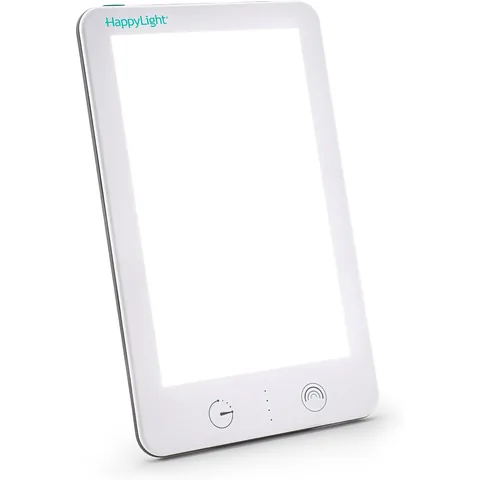
Verilux HappyLight Lumi PlusMid-range
Daytime light at your destination helps your body clock follow local time. A desk lamp covers dark winter mornings and indoor workdays.
- Up to 10,000 lux of UV-free LED light with three brightness levels
- Countdown timer up to one hour; detachable stand for travel
A small 10,000 lux lamp on the hotel desk works like light glasses, with a stronger beam if you sit close. Use it for 30 minutes at the time your plan says to seek light. It ties you to a table, while glasses let you move around the room and pack.
Sleeping pills
The CDC lists short-acting prescription sleeping pills, such as zolpidem, for the first nights after a long trip: for falling asleep after eastbound flights and staying asleep after westbound ones. They can improve sleep, but there is no proof they help daytime fog, and side effects include dizziness and memory gaps. The CDC advises against antihistamine sleep aids and long-acting sleeping pills before flying. Ask your doctor before the trip, not after you land.
Trips shorter than three days
For a stay of about two days or less, the answer to how to avoid jet lag is simple: don’t adjust. Keep your sleep and meals as close to home time as you can and schedule important meetings for your home daytime (CDC). The NHS stretches this to trips of 2 or 3 days.
For a two-day work trip from Lisbon to Boston in May 2025, I ate dinner at 5:30, slept at 9 and was up at 4 answering email. I flew home with no jet lag on either end.
The trade-off: the awake stretch on the return day is long. Plan to sleep as soon as it is night at home.
Jet lag kit checklist
Before you fly
- Count time zones and note the direction
- Move bedtime 1 hour a day for 2 to 3 days
- Pick a flight that lands near midday if you can eastbound trips
- Ask a doctor about melatonin or sleeping pills
Carry-on
- Contoured eye mask
- Earplugs
- Electrolyte packets and an empty water bottle
- Compression socks flights over 4 hours
- Amber blue-blocking glasses
- Dark sunglasses 8+ zones east
At your destination
- Melatonin, low dose eastbound, at local bedtime
- Light therapy glasses or a desk light box dark mornings
- Travel white noise machine
- Walking or running shoes for time outdoors
- Phone alarm for naps 30 minutes max
FAQ about jet lag
Can you get jet lag from a 2 or 3 hour time difference?
Yes, but it is mild. Sleep medicine defines jet lag from 2 time zones, and most people notice it from about 3, such as New York to Los Angeles. Expect two or three days of early waking or late nights. For a longer stay, moving your bedtime 1 hour a day for 2 days before you fly helps.
Does jet lag get worse with age?
The evidence is mixed. Researchers Eastman and Burgess found older adults shift their body clock less easily, and the Sleep Foundation says people over 60 can take longer to recover. One small study found younger travelers reported more symptoms. Direction and the number of time zones have a clearer effect than age.
Does staying up all night before a flight help with jet lag?
No. The CDC lists sleep loss during travel as something that makes jet lag symptoms worse, and an all-nighter adds to it. If you can't sleep on the plane, you land having missed two nights. Pull your bedtime toward destination time for 2 to 3 days instead, and sleep on board if it is night where you are going.
When should you see a doctor about jet lag?
Ask a doctor before you try melatonin or sleeping pills for the first time, especially if you take other medicines. If you fly long-haul often and jet lag hits hard every time, a doctor, travel nurse or sleep specialist can build a light and sleep plan for your regular routes.