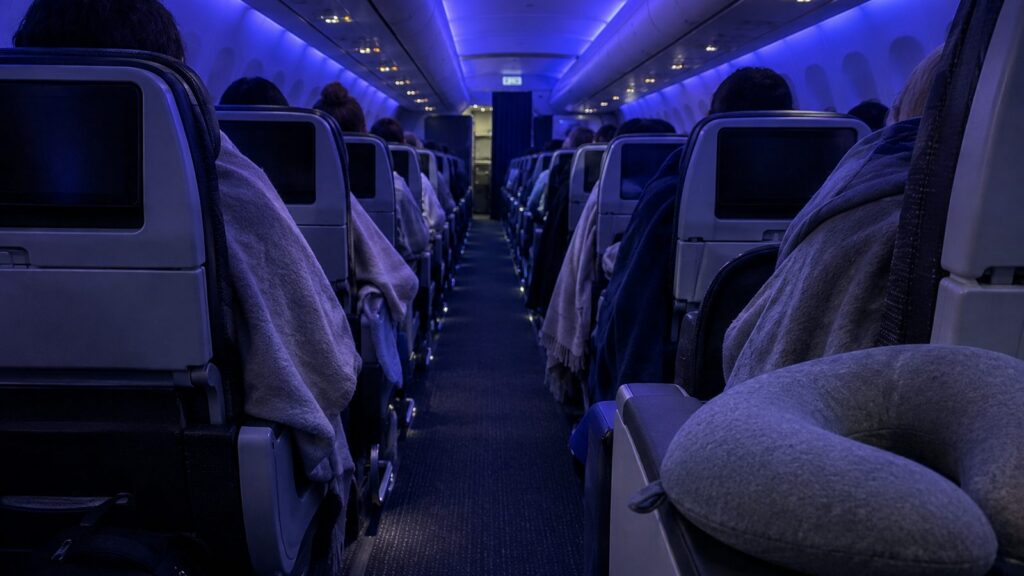
On an Iberia night flight from Mexico City to Madrid in December 2009, I drank two glasses of red wine with dinner and fell asleep before the trays were cleared. Three hours later I woke with a dry throat and stayed awake until we landed.
Learning how to sleep on a plane is mostly about fixing four problems: your head falls when you doze off, the cabin is loud and bright, your body gets cold and stiff, and your body clock doesn’t match the flight. This guide fixes each one for economy class, with advice for aisle, window and middle seats.
How to sleep on a plane: the short version
- Choose your seat. Pick a window seat if you want to lean, or an aisle seat if you’ll get up often. Avoid the last row and the seats by the galley and the lavatories.
- Cut caffeine and alcohol. Stop caffeine 6 to 8 hours before you plan to sleep, and skip alcohol on board.
- Switch to destination time. Set your watch when you board, and sleep during the destination’s night.
- Hold your head up. Turn a U-shaped pillow so the gap sits at the back, or use a pillow made for upright sleep.
- Block light and noise. Use a contoured eye mask, plus earplugs, noise cancelling headphones or both.
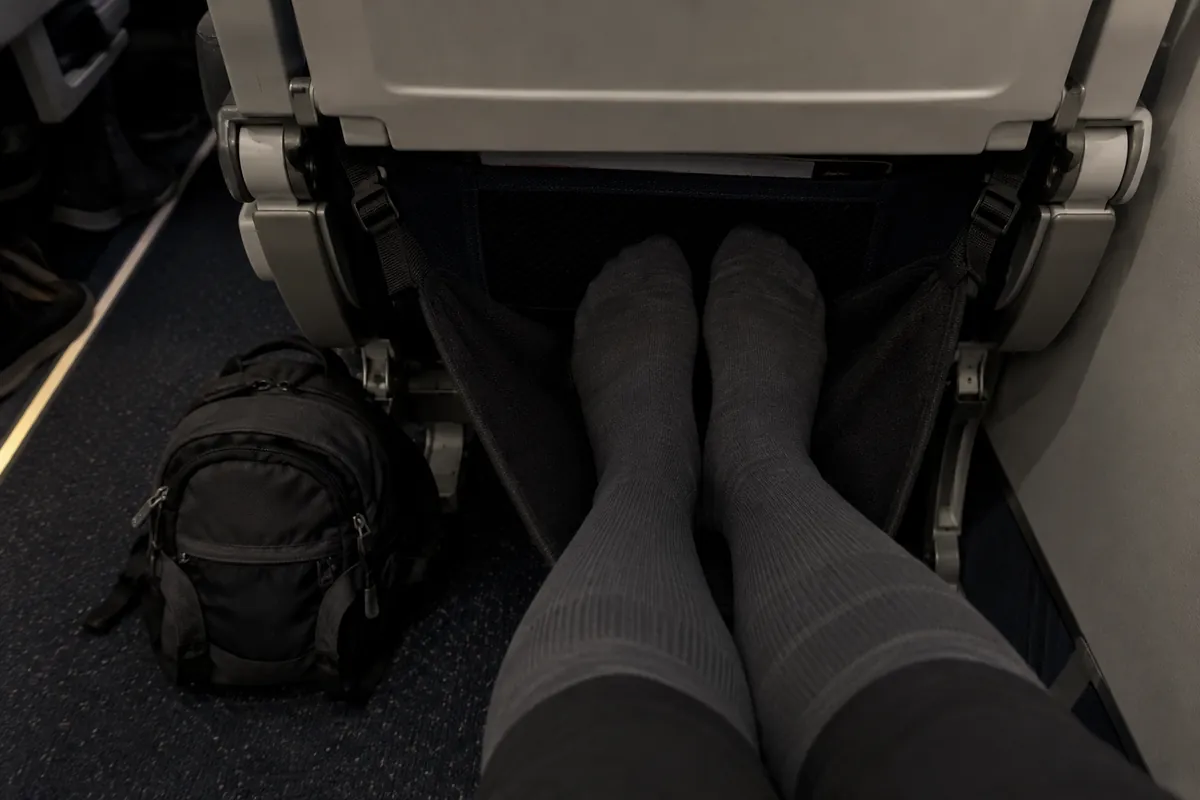
- Dress warm and loose. Wear soft layers, keep socks on and wear compression socks on long flights.
- Settle in. Recline, put your feet up and fasten your seatbelt over your blanket before you close your eyes.
- Rest if sleep won’t come. Close your eyes and put on an audiobook. Rest still counts.
Choose the best seat for sleeping on a plane
Check the seat map for your exact aircraft on aeroLOPA, which shows pitch, recline and where the windows actually are. SeatGuru, the old favorite, has shut down and its maps were stale for years before that.
| Seat | Good for sleep | Bad for sleep |
|---|---|---|
| Window | A wall to lean on, control of the shade, nobody climbs over you | Harder to get up and walk, can be cold against the wall |
| Aisle | Free to stand and stretch, legroom on one side | Carts, elbows and seatmates who need out |
| Middle | Two armrests by etiquette | No wall, no room, neighbors on both sides |
| Exit row | More legroom | Some don’t recline, tray tables in the armrests make the seat narrower |
| Last row | Often still open at check-in | Limited recline, next to lavatory lines and galley noise |
Seats over the wings ride smoother in turbulence than seats at the back. Seats near the front of the economy cabin are usually quieter too, as long as they aren’t next to the galley.
How to sleep on a plane in a window seat
The window seat is the easiest place to sleep sitting up because you have a wall. Use it properly:
- Put a rolled jacket or the side of your neck pillow between your head and the wall. The plastic is cold and hard.
- Lower the shade when the crew allows it. On a 787 the dimmable windows don’t go fully dark, so the eye mask still matters.
- Go to the bathroom right before you settle in, so you don’t need to wake two people later.
How to sleep on a plane in an aisle seat
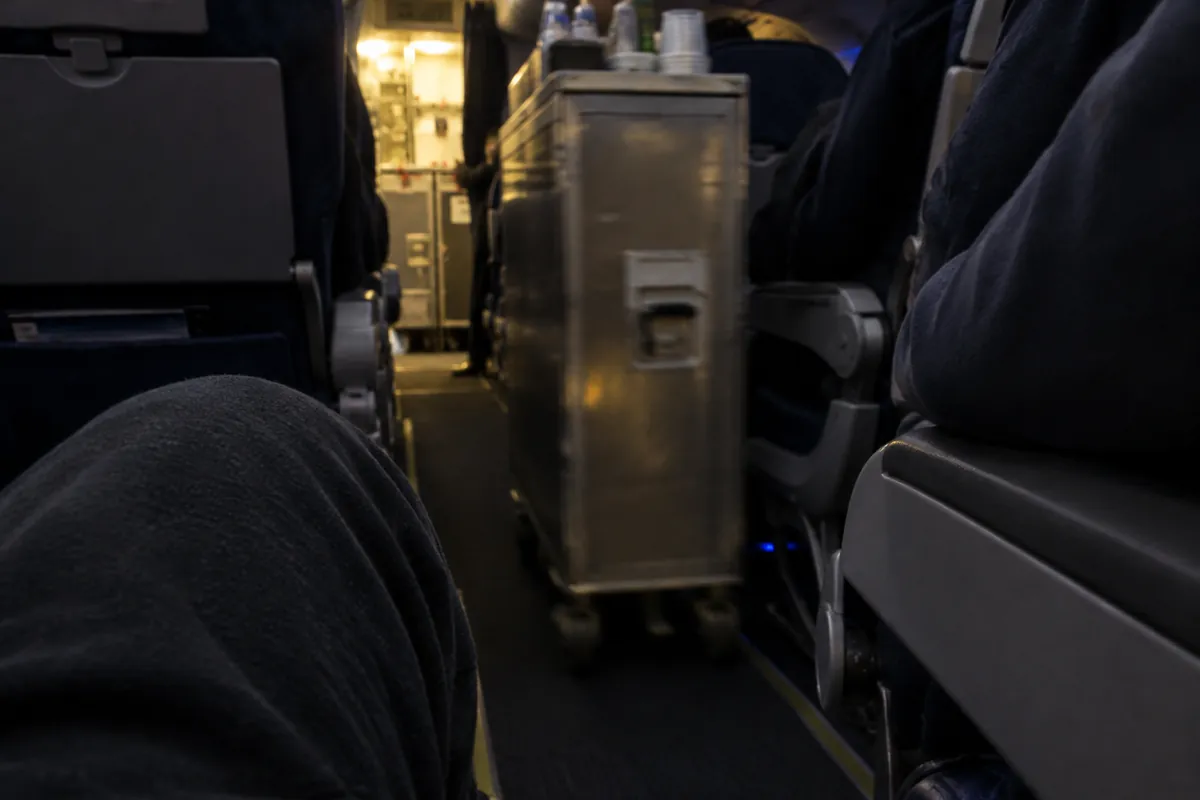
The aisle seat has nothing to lean on, and the aisle side is where things bump you. I learned this on a Lisbon to Newark flight in March 2024, when the drink cart clipped my elbow twice before I’d been asleep twenty minutes.
- Lean toward your seatmate’s side of the headrest wings, not the aisle. Fold the headrest wings in if your seat has them.
- Keep elbows, knees and the blanket inside the armrest. Cart wheels catch anything that hangs over.
- Use a pillow with a taller side and wear it so the tall side faces the aisle. It catches your head when it tips outward.
- Ask your seatmates to wake you when they want out. Otherwise they climb over you and you wake anyway.
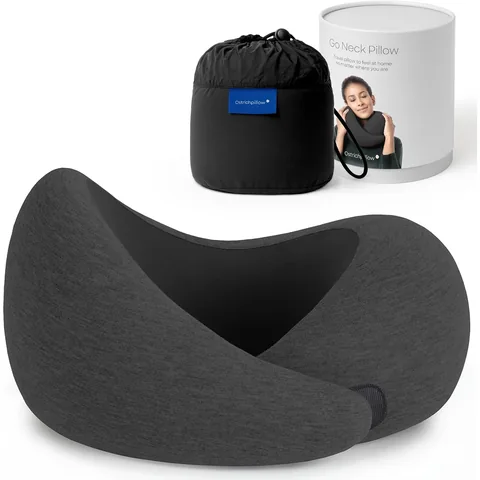
Ostrichpillow GOPremium
No window to lean on in the aisle seat: the taller side catches your head when it tips sideways or forward, so you stop drifting into the aisle.
- High-density memory foam gives 360 degree neck support
- Asymmetrical sides; wear the closure in front or back
The aisle seat does have one health advantage. The CDC notes that aisle passengers are less likely to develop clots than window or middle passengers, partly because they get up more.
How to sleep in a middle seat
You get both armrests by custom, so use them. Recline, put your elbows on the armrests and cross your arms so your body doesn’t sway into a neighbor. The middle seat is where the tray-table method (below) helps the most, because you have no wall to lean on.
How to sleep on a plane sitting up in economy class
Sitting up is the core problem of economy sleep. As you fall asleep your neck muscles relax and your head drops forward or sideways. The jolt wakes you, and the cycle repeats every few minutes.
Wear your neck pillow the right way
Most people wear a U-shaped pillow with the opening at the front, under the chin. That supports the sides but leaves nothing in front, so the chin still falls. Turn it around so the opening sits at the back of your neck and the thick part sits under your chin. This tip comes up again and again on r/TravelHacks. A pillow with a chin strap or a seat strap fixes the same problem in another way.
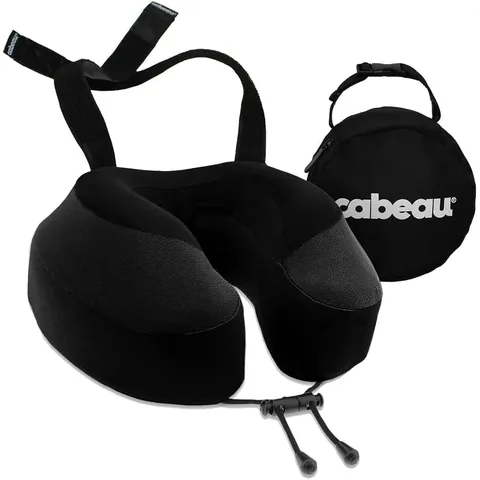
Cabeau Evolution S3Mid-range
Fixes head bobbing in economy: the seat strap and chin clasp stop your head falling forward when you doze, side or front.
- Dual-density memory foam with adjustable chin clasp
- Seat strap attaches to the headrest to keep the pillow in place
A scarf-style pillow such as the Trtl works differently. It wraps around your neck and has a plastic support inside that holds your head up at the side. It packs much smaller than foam, but it suits people who lean to one side more than those whose head drops forward. For a full comparison, see our best travel pillow guide.
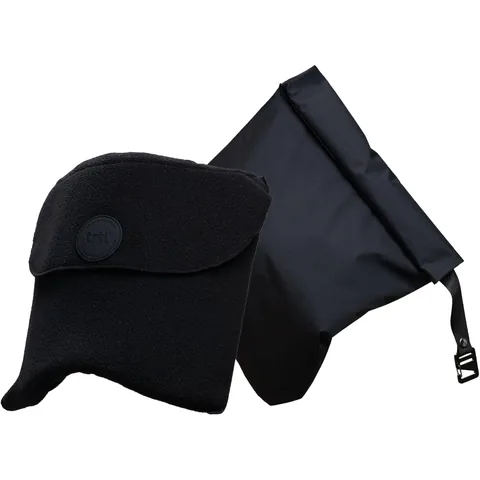
Trtl Travel PillowPremium
Stops the head drop that jerks you awake in an upright seat: an internal support holds the head upright instead of letting it roll.
- Internal support system keeps your head upright while you nap
- Dual hook-and-loop closure; small and regular sizes
How to sleep on a plane without a neck pillow
You can get most of the effect with what you’re wearing:
- Hoodie, hood up and drawstring tight. The hood holds your head against the headrest and blocks light from the sides.
- Rolled jacket or sweater wedged between your shoulder and the headrest wing or the wall.
- Headrest wings folded forward, if your seat has them, so they cradle your head.
- Scarf looped around your neck and the headrest, loosely, so your head can’t fall forward.
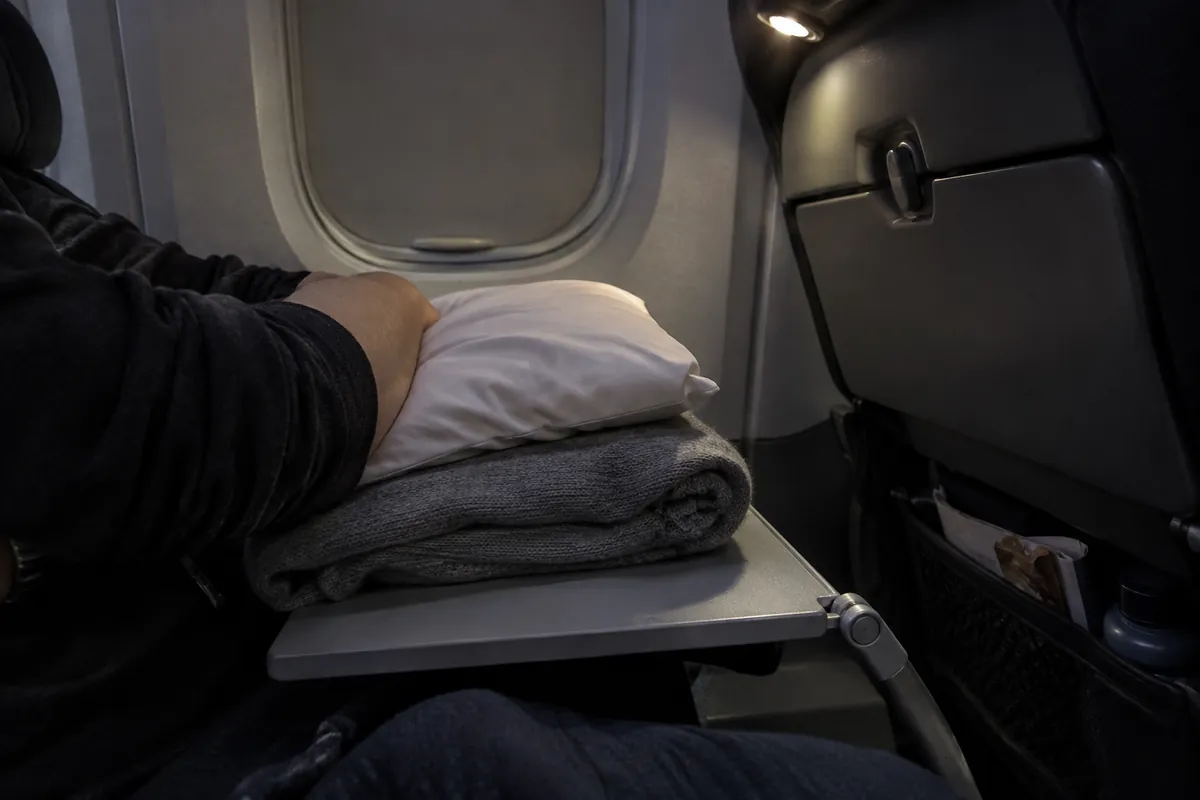
Lean forward on the tray table
Some people sleep better bent forward than sitting up. Lower the tray table, stack a folded sweater or a pillow on it and rest your head and arms on the pile. On a Milan to Tokyo flight in February 2016 I slept about two hours this way in a middle seat, until the passenger in front reclined into my pillow stack.
That is the catch. It only works if the seat in front doesn’t recline, or its passenger stays upright. Use it in the middle seat or behind a bulkhead wall, and sit up during turbulence.
Support your back and legs
Airline seats have almost no lower-back curve. After a few hours your pelvis slides forward, your lower back rounds and you wake sore. A lumbar pillow fills the gap. A small rolled blanket behind your lower back does the same job.
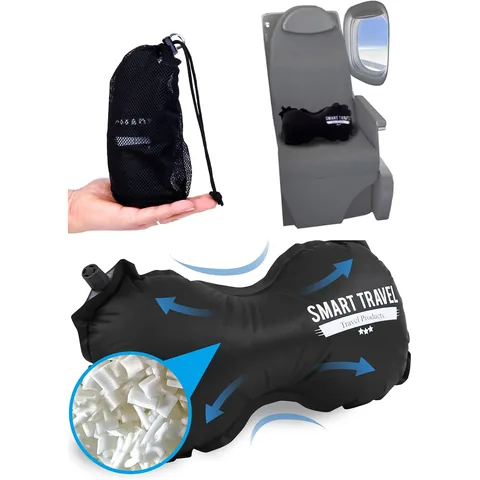
SMART TRAVEL Lumbar PillowMid-range
Seat backs have no lower-back curve, so you slump and wake sore; this fills the gap and straps on so it stays put while you sleep.
- Self-inflating foam core with adjustable firmness
- Adjustable strap secures it to an airplane seat
Your feet matter too. Short people’s feet often don’t rest flat on the floor, and the edge of the seat presses into the thighs. Putting your feet on your backpack under the seat in front helps. A foot hammock that hangs from the tray table arm raises them further. Check that your airline allows them first, since some ban footrests that attach to the seat.
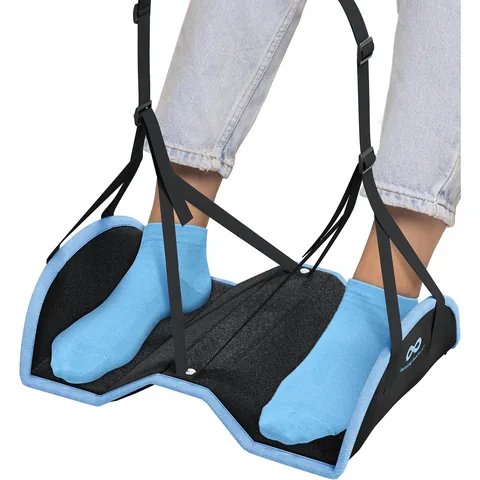
Everlasting Comfort Foot HammockBudget
Hangs from the tray table so your feet sit raised, which takes pressure off your thighs and lower back when you cannot stretch out.
- Memory foam foot rest with a dual footrest design
- Hangs on a tray table with at least 17 x 10 x 6 inch clearance
Block the light and noise in the cabin
Cabin noise at cruise is high. Measurements on Airbus A321s found 80 to 85 dB(A) in flight, about the level of a busy road. Wide-body jets are quieter, at roughly 70 to 75 dB(A), but still loud enough to keep you in light sleep.
Light is the other half. Even ordinary room light before bed delays the release of melatonin, the hormone that makes you sleepy, and your neighbors’ screens stay on all night.
Eye mask
A contoured mask with raised eye cups beats a flat amenity-kit mask. It seals around the nose, where light leaks in when your head tips forward, and it doesn’t press on your eyes or lashes. Our best travel eye mask guide compares 13 masks for side sleepers, lash extensions and silk lovers. If you buy only one, buy one with cups.
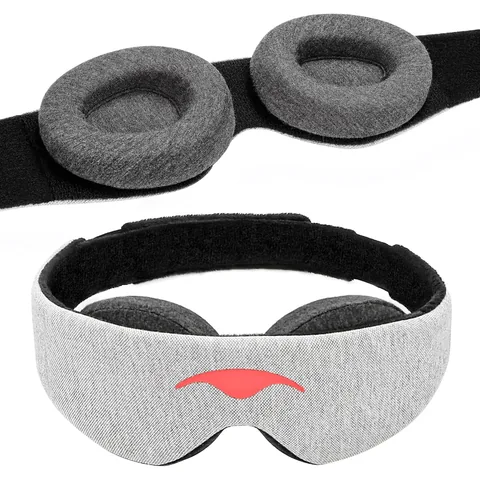
Manta Original Sleep MaskMid-range
Blocks the light from neighbors' screens and the galley, and the cups leave your eyes free to blink, unlike flat masks that press on them.
- Maximum blackout with adjustable, detachable eye cups
- Zero eye pressure, suited to back and side sleepers
Earplugs, headphones or both
Foam earplugs are the simplest fix. Roll them thin, pull the top of your ear up and back, and hold them in for 20 seconds while they expand. Noise cancelling headphones remove the low engine drone better than earplugs, but they are bulky to sleep in. The tip with the most agreement on r/TravelHacks is to wear both: earplugs in, headphones over them, with white noise or an audiobook at low volume.
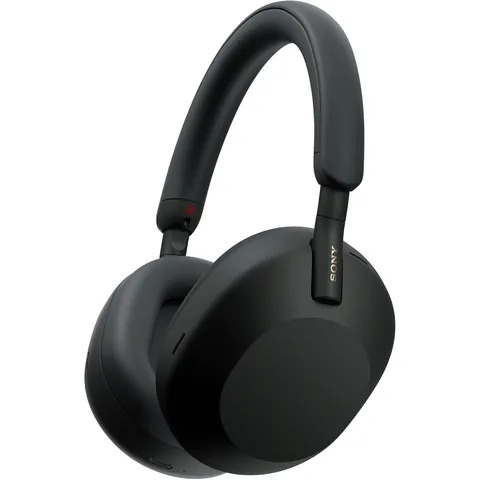
Sony WH-1000XM5Premium
Active noise cancelling takes the low engine rumble out of the cabin, so you can fall asleep to a podcast or white noise at a lower volume.
- Two processors and 8 microphones drive the noise cancelling
- Up to 30 hours of battery with quick charging
If you lean your head to the side, over-ear headphones press into the headrest. Small sleep earbuds sit flat in the ear, and you can lie on them. The Soundcore Sleep A20 blocks noise with its ear tips and plays masking sounds. It has no active noise cancelling, so it works best on quieter wide-body flights.
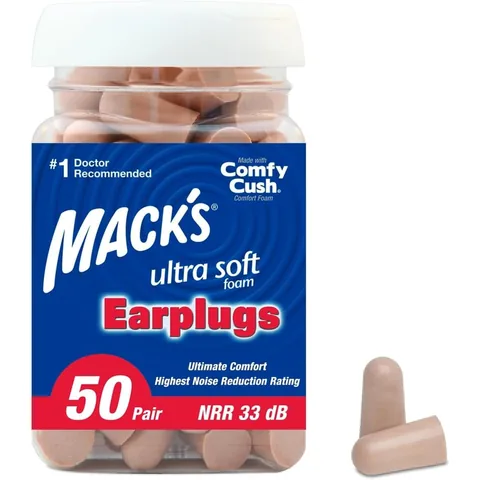 Mack's Ultra Soft Foam EarplugsBudgetCheck price on Amazon
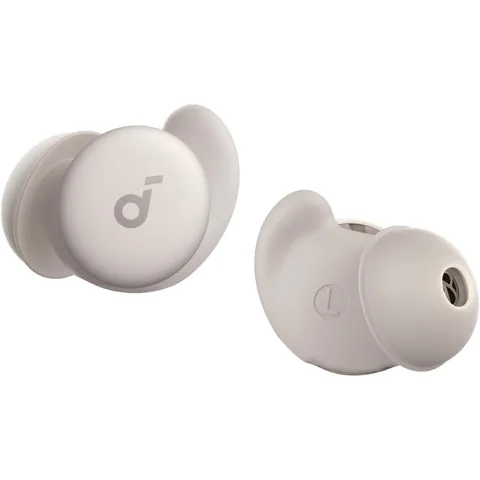 Soundcore Sleep A20 EarbudsMid-rangeCheck price on Amazon
Stay warm and comfortable
Cabins often run cool on night flights, and you get colder as you fall asleep. Airline blankets are thin, and many short-haul and US domestic flights don’t hand them out at all.
- Dress in layers you can sleep in: soft trousers with an elastic waist, a T-shirt and a hoodie or a light sweater. Skip jeans and anything with a stiff belt.
- Keep your feet warm. Bring thick socks and take your shoes off once you’re seated. Feet swell, and tight shoes hurt by the end of a long flight.
- Bring your own blanket on long-haul flights or on airlines that don’t hand them out. A compact throw also works as a pillow when rolled.
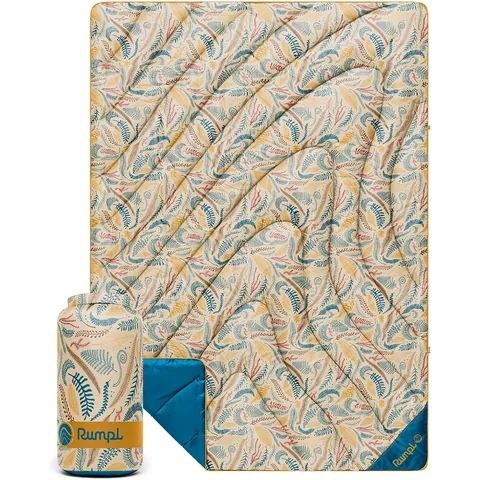
Rumpl Puffy Compact ThrowPremium
Cabins run cold at night and airline blankets are thin; this packs small and has a clip to wear it hands-free over your shoulders.
- Packs down to 5.25 x 11.1 inches with a roll-top stuff sack
- Recycled synthetic insulation; hands-free Cape Clip
For more options, see our best travel blanket guide.
On flights over 4 hours, compression socks keep your ankles from swelling and lower the clot risk. A Cochrane review of 12 trials and 2,918 flyers found symptomless clots in 3 people who wore stockings against 47 who didn’t. The CDC recommends below-knee stockings for at-risk travelers on flights over 6 hours. Put them on before you leave home, because pulling them on in a seat is hard.
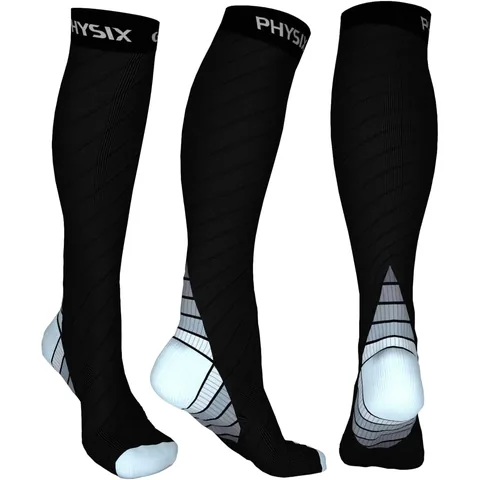
Physix Gear Compression SocksBudget
Legs swell when you sit for hours; graduated socks keep them feeling lighter so you wake with less puffiness at the ankles.
- Graduated 20-30 mmHg compression, firmest at the ankle
- Breathable nylon and spandex knit with seamless toe
The cabin is also very dry, usually 10 to 20% humidity. Drink water during the flight, but not so much that you wake every hour for the lavatory. Lip balm and eye drops in your seat pocket help when you wake up dry.
Time your sleep to your destination
The best way to sleep on a plane in economy is to sleep when your destination does. Set your watch to destination time when you board, then plan your sleep around it.
How to sleep on a red-eye flight
- Eat before you board or eat the first meal quickly, then sleep. On a 5-hour red-eye, waiting for the meal service can cost you an hour.
- Get ready for sleep at the gate: brush your teeth, change into socks, put earplugs and the mask in your pocket.
- Tell the crew you want to sleep if you’ll skip the meal, so they don’t wake you for it.
- Don’t stay up all night before the flight to force sleep. Some people swear by it, but if you fail to sleep on board, you arrive having skipped two nights.
How to sleep on a long flight east or west
Flying east is harder. The CDC puts adaptation at about 1 hour per day flying east and 1.5 hours per day flying west. On an eastbound overnight flight, such as the US to Europe, sleep as soon as you can after takeoff, because the destination morning arrives early. On a westbound day flight, stay awake and keep naps under 30 minutes, then go to bed at local bedtime.
For 2 to 3 days before a big trip, the CDC suggests moving your bedtime 1 hour a day toward the destination’s schedule: earlier for eastbound trips, later for westbound ones.
Caffeine and alcohol
Caffeine has a half-life of about 5 hours, so a coffee at the gate still keeps you up over the ocean. Stop 6 to 8 hours before you plan to sleep.
Alcohol is the most common mistake. It makes you drowsy at first, then breaks up sleep in the second half and cuts deep and REM sleep. At cabin altitude it does more harm. In a 2024 German Aerospace Center study, healthy adults who had two drinks before sleeping in simulated cabin pressure had blood oxygen drop to about 85% and their heart rate rise during sleep.
What to do if you can’t sleep on planes
Some people never fall asleep sitting up, however good their setup. For anyone asking how to sleep on a plane, Reddit gives one top answer on r/TravelHacks: stop trying. Put on an audiobook or a sleep playlist, close your eyes and treat the flight as rest. Sleep often comes once you stop watching the clock.
A few more tips for sleeping on a plane when your mind won’t switch off:
- Keep a routine. Do the same steps you’d do at home: wash your face, brush your teeth, put on socks.
- Turn off screens 30 minutes before you want to sleep, and dim yours to the minimum if you watch something.
- Breathe slowly. Breathe in for 4 counts and out for 6 to 8. A longer exhale slows your heart rate.
- Stop checking the flight map. Counting the hours left keeps you awake.
Plane sleep kit checklist
Pack these in a small pouch at the top of your personal item, so you can reach them without opening the overhead bin.
Wear on board
- Soft trousers with an elastic waist
- Hoodie or light sweater hood doubles as a head support
- Thick socks or compression socks flights over 4 hours
- Slip-on shoes feet swell
Sleep kit
Seat pocket
- Empty water bottle to fill after security
- Lip balm and eye drops cabin humidity is 10-20%
- Toothbrush and small toothpaste pre-sleep routine
- Charged phone with an audiobook downloaded
FAQ about sleeping on a plane
Is it rude to recline your seat on a plane?
No. The recline button is part of the seat you paid for, and on a night flight most people recline. Recline slowly, glance back first and sit up during meal service, when the person behind you is eating. On short daytime flights, reclining fully is more likely to annoy the passenger behind you.
Do you have to keep your seatbelt on while sleeping on a plane?
Yes, keep it fastened whenever you're seated. Turbulence can come without warning, and crews walk the aisle to check belts when the sign comes on. Wear the belt outside your blanket so the crew can see it without waking you. Noise cancelling headphones and a blanket can also hide the seatbelt sign and chime from you.
Should I take melatonin to sleep on a plane?
Melatonin helps with jet lag when you cross 5 or more time zones, according to a Cochrane review. Doses from 0.5 to 5 mg worked about equally. Take it close to your bedtime at the destination. The CDC advises against doses above 5 mg, and people on warfarin or with epilepsy should ask a doctor first.
Are sleeping pills a good idea on a long flight?
Most travelers do better without them. The CDC says to avoid antihistamines and long-acting benzodiazepines for jet lag. Short-acting prescription pills such as zolpidem are an option only with a doctor's advice. Try any pill at home first, because grogginess on landing is common, and a deep sleep keeps you from moving your legs.
Can you lie down across empty seats on a plane?
Yes, if a row is empty after the doors close, ask a flight attendant if you can move. Keep your belt fastened around your waist while lying down. Some airlines sell this as a product: Air New Zealand's Economy Skycouch lets you book a row of three seats whose footrests fold up into a flat surface.