Southeast Asia is a patchwork of languages, histories and communities shaped by centuries of migration, trade and local traditions. Understanding the region means recognizing the distinct peoples who live there and how they relate to modern borders and cultures.
There are 45 Ethnic Groups in Southeast Asia, ranging from Acehnese to Tày. For each group, data are organized under the columns Country,Population (estimate),Language family, and you’ll find below.
How were these 45 ethnic groups chosen and counted?
The list reflects commonly recognized groups across national censuses, ethnographic studies and regional references; selections favor groups with distinct self-identity or linguistic differences rather than every local clan or subcommunity. Counts can vary by source, so the list aims to balance scholarly classification with widely used national categories.
How reliable are the population estimates and language-family labels?
Population figures are estimates drawn from recent censuses and demographic studies but should be treated as approximate due to differing census methods and undercounts; language-family labels follow linguistic consensus but can simplify complex multilingual realities. Check country-specific sources for the most current local numbers.
Ethnic Groups in Southeast Asia
| Name | Country | Population (estimate) | Language family |
|---|---|---|---|
| Javanese | Indonesia | 95,000,000 | Austronesian |
| Sundanese | Indonesia | 40,000,000 | Austronesian |
| Balinese | Indonesia | 4,200,000 | Austronesian |
| Minangkabau | Indonesia | 6,000,000 | Austronesian |
| Bugis | Indonesia | 5,000,000 | Austronesian |
| Acehnese | Indonesia | 4,000,000 | Austronesian |
| Batak | Indonesia | 6,000,000 | Austronesian |
| Dayak | Indonesia and Malaysia | 3,000,000 | Austronesian and Austroasiatic |
| Bamar (Burman) | Myanmar | 33,000,000 | Sino-Tibetan |
| Shan | Myanmar and Thailand | 4,500,000 | Tai-Kadai |
| Karen | Myanmar and Thailand | 7,000,000 | Sino-Tibetan |
| Mon | Myanmar and Thailand | 1,000,000 | Austroasiatic |
| Rohingya | Myanmar | 1,200,000 | Indo-Aryan (Bengali-related) |
| Khmer | Cambodia and Vietnam | 15,000,000 | Austroasiatic |
| Kinh (Vietnamese) | Vietnam | 80,000,000 | Austroasiatic |
| Thai | Thailand | 50,000,000 | Tai-Kadai |
| Lao | Laos and Northeast Thailand | 7,000,000 | Tai-Kadai |
| Hmong | Vietnam, Laos, Thailand, Myanmar | 4,000,000 | Hmong-Mien |
| Mien (Yao) | Vietnam, Laos, Thailand | 800,000 | Hmong-Mien |
| Cham | Vietnam and Cambodia | 200,000 | Austronesian |
| Jarai | Vietnam and Cambodia | 260,000 | Austronesian |
| Tày | Vietnam | 1,700,000 | Tai-Kadai |
| Mường | Vietnam | 1,900,000 | Austroasiatic |
| Tagalog | Philippines | 28,000,000 | Austronesian |
| Cebuano | Philippines | 21,000,000 | Austronesian |
| Ilocano | Philippines | 8,000,000 | Austronesian |
| Hiligaynon (Ilonggo) | Philippines | 7,000,000 | Austronesian |
| Tausug | Philippines, Malaysia | 1,200,000 | Austronesian |
| Maranao | Philippines | 1,300,000 | Austronesian |
| Maguindanao | Philippines | 1,200,000 | Austronesian |
| Sama-Bajau | Philippines, Malaysia, Indonesia | 1,500,000 | Austronesian |
| Igorot | Philippines | 1,400,000 | Austronesian |
| Aeta (Agta) | Philippines | 200,000 | Various (Negrito) |
| Semai | Malaysia | 120,000 | Austroasiatic (Aslian) |
| Temiar | Malaysia | 80,000 | Austroasiatic (Aslian) |
| Chinese (Han) | Across Southeast Asia | 25,000,000 | Sino-Tibetan (Sinitic) |
| Tamil | Malaysia, Singapore, Myanmar | 1,800,000 | Dravidian |
| Kachin | Myanmar | 1,200,000 | Sino-Tibetan |
| Chin | Myanmar | 1,000,000 | Sino-Tibetan |
| Khmer Krom | Vietnam (Mekong Delta) | 1,000,000 | Austroasiatic |
| Kinh diaspora (Overseas Vietnamese) | Across Southeast Asia | 2,000,000 | Austroasiatic |
| Cham (Muslim subgroup note) | Vietnam and Cambodia | 200,000 | Austronesian |
| Malay (ethnic) | Malaysia, Indonesia, Brunei, Singapore, Thailand | 20,000,000 | Austronesian |
| Riau-Lingga Malays (regional subgroup) | Indonesia, Malaysia | 600,000 | Austronesian |
| Kadai Tai (Isan—Thai-Lao identity note) | Thailand (Northeast) | 20,000,000 | Tai-Kadai |
Images and Descriptions

Javanese
The Javanese are Indonesia’s largest ethnic group, concentrated on central and eastern Java with about 95 million people. They speak Javanese, have rich court traditions, gamelan music, shadow puppetry, and major influence on national culture, politics, and literature.
Sundanese
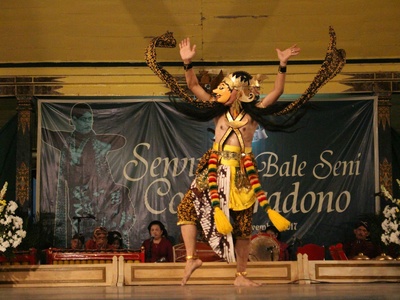
Sundanese live mainly in West Java and Jakarta outskirts with around 40 million people. They speak Sundanese, are known for distinct music, cuisine, and rice-cultivation traditions, and maintain a vibrant regional identity within Indonesia’s plural society.
Balinese
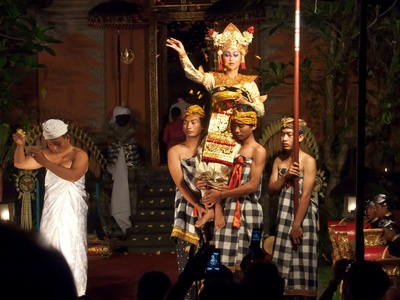
Balinese are the majority on Bali island, numbering roughly 4.2 million. Predominantly Hindu in a Muslim-majority country, they are known for temple arts, dance, ritual ceremonies, and a strong caste-influenced society that shapes communal cultural life.

Minangkabau
The Minangkabau of West Sumatra number about 6 million and practice a matrilineal social system. They speak Minangkabau, are famed for merchant networks, distinctive cuisine and architecture, and strong traditions of adat (customary law) and migration.
Bugis
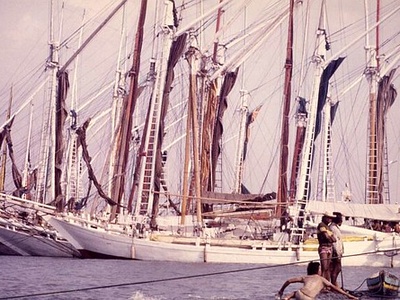
Bugis people of South Sulawesi total around 5 million. Renowned seafarers and traders, they speak Buginese and maintain complex kinship and gender traditions. Many migrated across the archipelago, influencing coastal cultures in Malaysia and Indonesia.
Acehnese
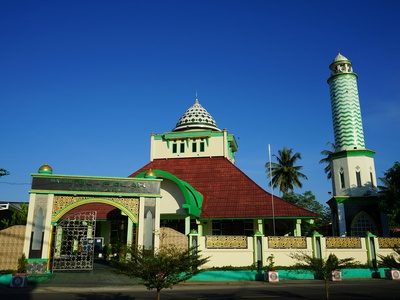
Acehnese inhabit Aceh province on Sumatra with about 4 million people. They speak Acehnese, are predominantly Muslim with a history of separatist politics, distinct legal traditions, and notable maritime trading heritage.

Batak
Batak refers to several interrelated groups in North Sumatra totaling about 6 million. They speak various Batak languages, retain strong clan identities, Christian and Muslim communities, and distinctive art, architecture, and musical traditions.
Dayak
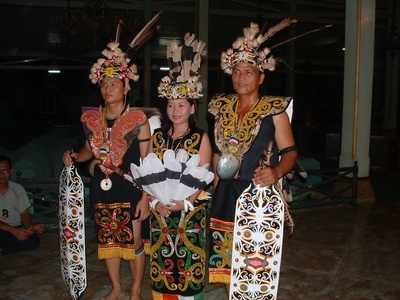
Dayak is a broad term for many indigenous Borneo groups totaling roughly 3 million. They practice diverse subsistence lifestyles, maintain rich ritual arts and longhouse societies, and have varying languages and political histories across Borneo.
Bamar (Burman)
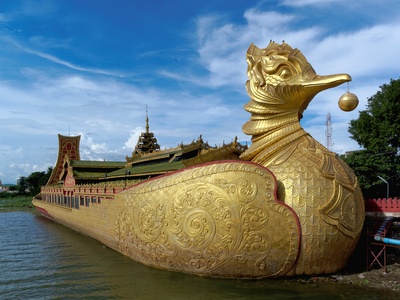
Bamar are Myanmar’s political majority with around 33 million people, centered in the Irrawaddy and central plains. They speak Burmese, shaped national identity, Theravada Buddhist culture, and dominate Myanmar’s state institutions and history.
Shan
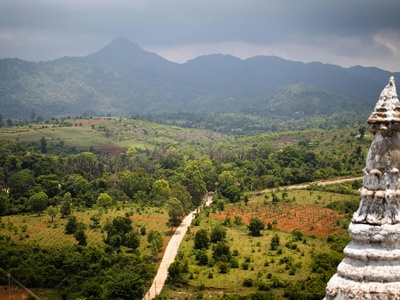
The Shan are Tai-speaking people in eastern Myanmar and parts of Thailand, about 4.5 million strong. Known for upland rice cultivation and distinct polities, they have their own language, script, and periodic autonomy movements.
Karen
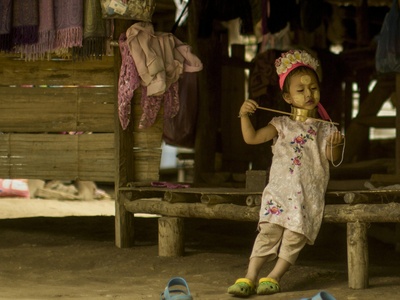
Karen denotes related groups across Myanmar and Thailand totaling roughly 7 million. Speaking various Karenic languages, many are Christian or Buddhist, with long-standing demands for autonomy and distinctive weaving, music, and oral traditions.
Mon
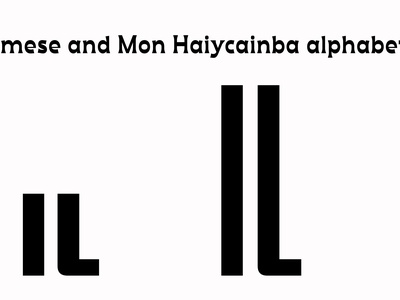
The Mon live in lower Myanmar and parts of Thailand, about 1 million people. Historically influential (early Theravada kingdoms), they speak Mon, contributed writing and religious traditions, and retain distinct cultural practices despite assimilation pressures.
Rohingya
The Rohingya are a primarily Muslim ethnic group from Rakhine State, Myanmar, about 1.2 million in the region historically. They speak a dialect related to Bengali, face contested citizenship status, displacement, and international human rights attention.
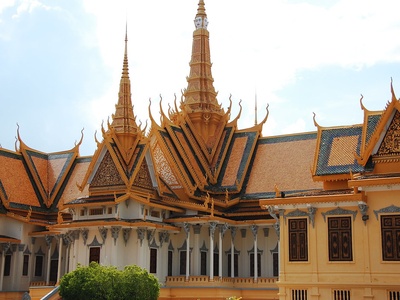
Khmer
Khmer are Cambodia’s dominant ethnic group with around 15 million people, speaking Khmer and centered on the Mekong basin. They are known for Angkorian history, Theravada Buddhism, rice agriculture, and major cultural influence in the region.
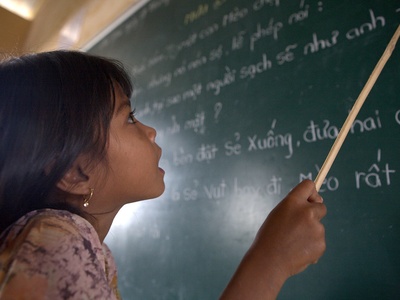
Kinh (Vietnamese)
The Kinh are Vietnam’s majority ethnic group, roughly 80 million people concentrated in lowland river deltas. They speak Vietnamese, shape national culture, and live alongside many minority peoples with differing languages and upland traditions.
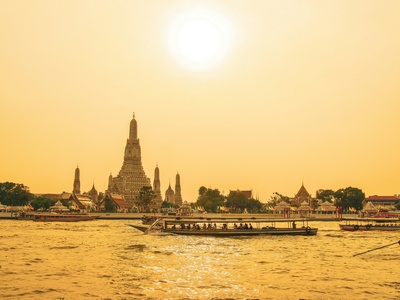
Thai
Thai people form the majority of Thailand—about 50 million—centered in central plains and Bangkok. They speak varieties of Thai, practice Theravada Buddhism, and carry national cultural symbols such as central Thai royal arts, cuisine, and festivals.
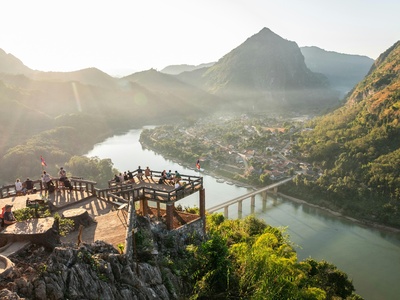
Lao
Lao refers to the majority in Laos (about 7 million) and culturally related populations in northeastern Thailand (Isan). They speak Lao/Isan languages, practice Theravada Buddhism, and share rice-farming lowland traditions with regional overlap and identity debates.
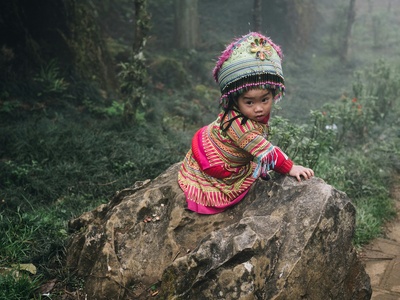
Hmong
Hmong are highland peoples across mainland Southeast Asia, totaling around 4 million. They speak Hmong languages, have strong clan structures, distinctive embroidery and New Year customs, and significant diaspora communities from wartime migrations.
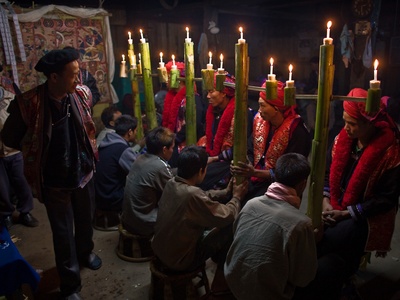
Mien (Yao)
Mien (often called Yao) are upland groups across Indochina, about 800,000 people in the region. They speak Mienic languages, practice animist and syncretic religions, and maintain transborder kinship and migration traditions.
Cham
The Cham are an Austronesian ethnic group descended from the historic Champa kingdom, now numbering about 200,000. Found in central Vietnam and Cambodia, they speak Cham, have Hindu and Muslim communities, and a distinct maritime cultural legacy.
Jarai
Jarai are an Austronesian-speaking highland group in Vietnam’s Central Highlands and neighboring Cambodia, about 260,000 people. Known for matrilineal elements, rice cultivation, and distinctive gong music, they have strong village-based social structures.
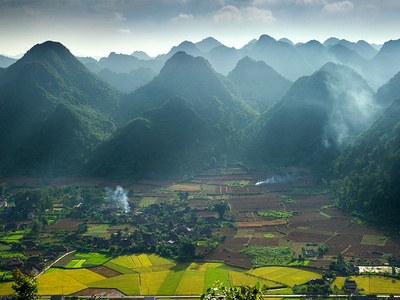
Tày
The Tày are Vietnam’s largest highland minority at roughly 1.7 million, concentrated in the northeast highlands. They speak Tai languages, practice wet-rice agriculture, maintain stilt houses, and have rich oral and folk traditions distinct from lowland Kinh culture.
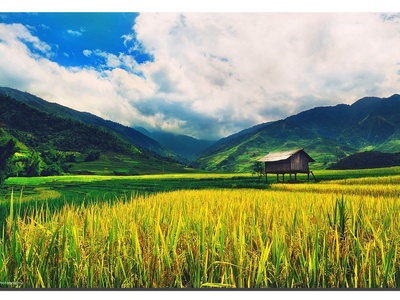
Mường
The Mường of northern Vietnam number about 1.9 million and are culturally close to the Kinh. They speak Mường (an Austroasiatic language), retain upland agricultural traditions, and are known for folk customs and communal festivals.
Tagalog
Tagalog people, centered in Luzon and Metro Manila, number about 28 million native speakers. Their language forms the basis of Filipino national language; they have rich literary, urban, and rural cultural traditions shaping Philippine national identity.
Cebuano
Cebuano speakers number around 21 million, centered in Cebu, Bohol, Negros, and Mindanao. They form a major Visayan ethnolinguistic community with distinct literature, maritime trade history, and vibrant local media and cultural festivals.
Ilocano
Ilocano people of northern Luzon total about 8 million. Known for migration within the Philippines, resilient upland agriculture, distinctive language and cuisine, they maintain strong regional identity and diaspora networks nationwide.
Hiligaynon (Ilonggo)
Hiligaynon speakers (Ilonggo) number roughly 7 million, concentrated in Western Visayas and parts of Mindanao. They are known for musical traditions, strong local literature, and a commercial rice-producing lowland culture.
Tausug
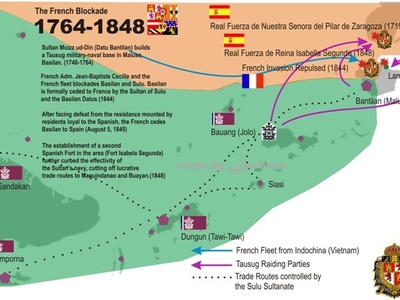
The Tausug are a maritime Muslim people of the Sulu archipelago and parts of Sabah, totaling about 1.2 million. Renowned historically as seafarers and sultanate elites, they speak Tausug and have a distinct warrior and trading culture.
Maranao
Maranao inhabit the Lake Lanao region of Mindanao with about 1.3 million people. They are predominantly Muslim, speak Maranao, and are noted for sophisticated art, weaving, and a royal court tradition linked to the Maranao sultanates.
Maguindanao
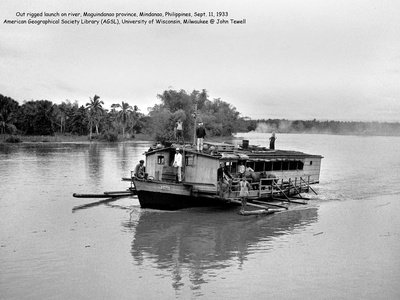
The Maguindanao people of central Mindanao number around 1.2 million and are predominantly Muslim. They speak Maguindanaoan languages, historically formed powerful sultanates, and have a cultural emphasis on oral literature, rice agriculture, and clan structures.
Sama-Bajau
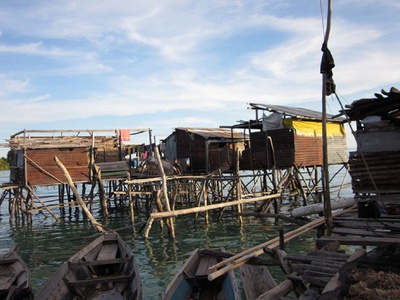
Sama-Bajau are maritime peoples known as “sea nomads” across the Sulu Sea and Borneo coasts, totaling about 1.5 million. Many live boat-based or coastal lives, speak Sama languages, and are noted for freediving and fishing expertise.
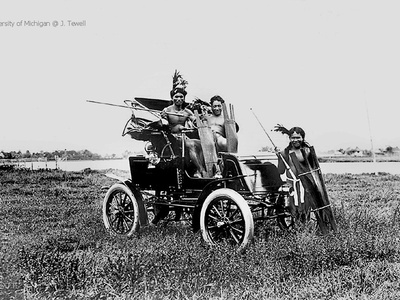
Igorot
Igorot is an umbrella term for Cordillera highland peoples in northern Luzon, about 1.4 million in total. They maintain rice-terrace agriculture, unique ritual systems, warrior histories, and strong regional identities with various subgroups like Ifugao and Kankanaey.
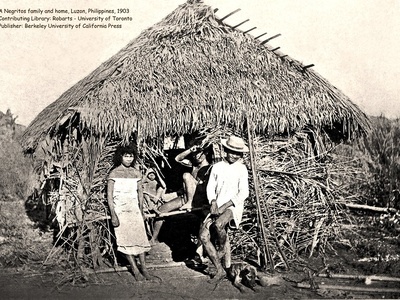
Aeta (Agta)
Aeta are one of several Negrito hunter-gatherer-descended groups in the Philippines, roughly 200,000 people. They have diverse languages and subsistence practices, distinctive physical ancestry, and often marginalization within national societies.
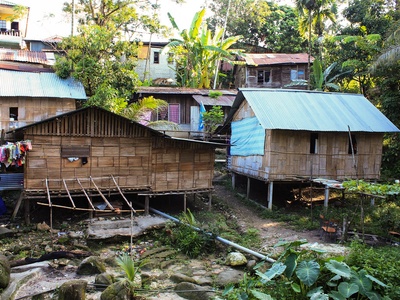
Semai
The Semai are an Orang Asli group in Peninsular Malaysia, numbering around 120,000. Part of the Senoi cluster, they speak an Aslian language, practice swidden agriculture and foraging, and maintain distinct social norms and mythic traditions.
Temiar
Temiar live in Peninsular Malaysia’s central highlands with about 80,000 people. They are an Orang Asli group speaking an Aslian language, noted for rich ritual music, dream-based healing practices, and strong forest-based cultural knowledge.
Chinese (Han)
The Chinese (mostly Han) are longstanding diasporic communities across Southeast Asia totaling about 25 million. They speak various Chinese languages, dominate urban commerce, and have diverse cultural influence while maintaining transnational networks and hybrid identities.
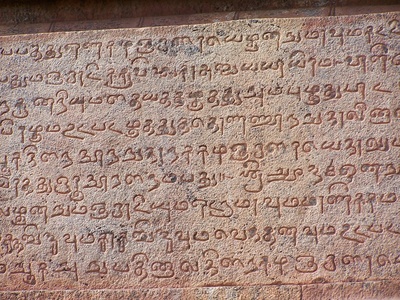
Tamil
Tamils in Southeast Asia—centuries-old communities in Malaysia and Singapore—number about 1.8 million. Speaking Tamil, many arrived during colonial labor migrations, forming distinct cultural, religious, and linguistic communities influential in commerce and politics.
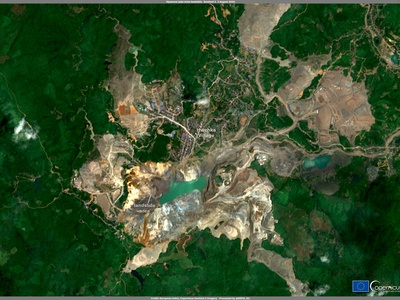
Kachin
The Kachin are highland peoples in northern Myanmar (Kachin State), about 1.2 million in number. They speak Jingpho and related languages, are largely Christian, maintain distinct social structures, and have long resisted central state control.
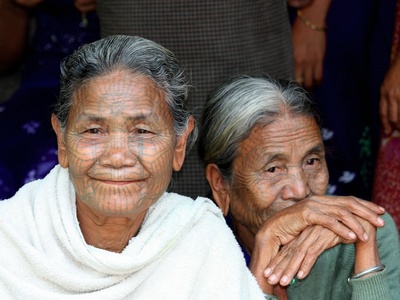
Chin
Chin peoples inhabit western highlands of Myanmar near India and Bangladesh, totaling around 1 million. They speak many Kuki-Chin languages, are culturally diverse, largely Christian, and have strong clan and hill-society traditions.
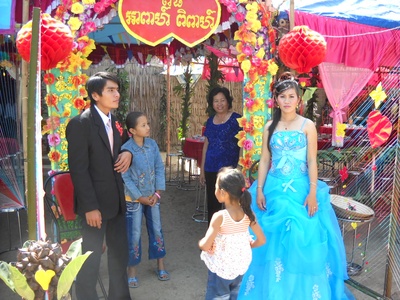
Khmer Krom
Khmer Krom are ethnic Khmers historically living in Vietnam’s Mekong Delta with about 1 million people. They speak Khmer dialects, maintain Cambodian cultural ties, and their identity is sometimes politically sensitive between Cambodia and Vietnam.
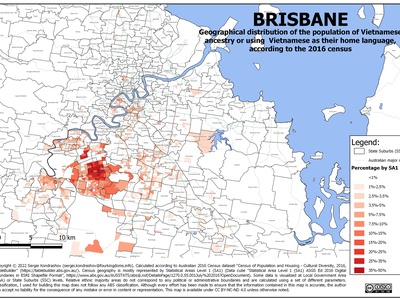
Kinh diaspora (Overseas Vietnamese)
Overseas Kinh (Vietnamese) communities across SEA number around 2 million, combining long-standing and more recent migrations. They retain Vietnamese language, cuisine, and remittance links while integrating into host societies.
Cham (Muslim subgroup note)
A subset of Cham communities practice Islam and distinguish themselves culturally within the broader Cham population. They are maritime, historically linked to Champa, and maintain distinct ritual calendars, languages, and religious institutions.
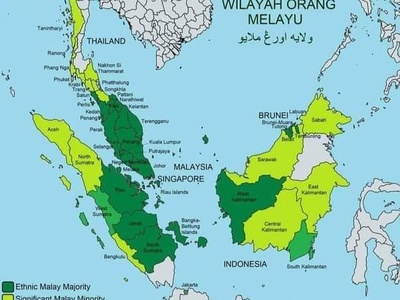
Malay (ethnic)
Ethnic Malays total around 20 million across Malaysia, Indonesia, Brunei, Singapore, and southern Thailand. They speak Malay varieties, are central to Islam-based cultural identities in several states, and shape regional culinary, literary, and political traditions.
Riau-Lingga Malays (regional subgroup)
Riau-Lingga Malays are a regional Malay subgroup in eastern Sumatra and nearby islands with about 600,000 people. They have distinct dialects, maritime trade heritage, and cultural practices linking Malay sultanates across the Strait of Malacca.
Kadai Tai (Isan—Thai-Lao identity note)
Populations in northeast Thailand (Isan) of Lao cultural heritage number around 20 million and speak Isan/Lao dialects. Many identify as Thai nationally, while retaining Lao-influenced language, music, and Khmer-Mekong agricultural traditions.