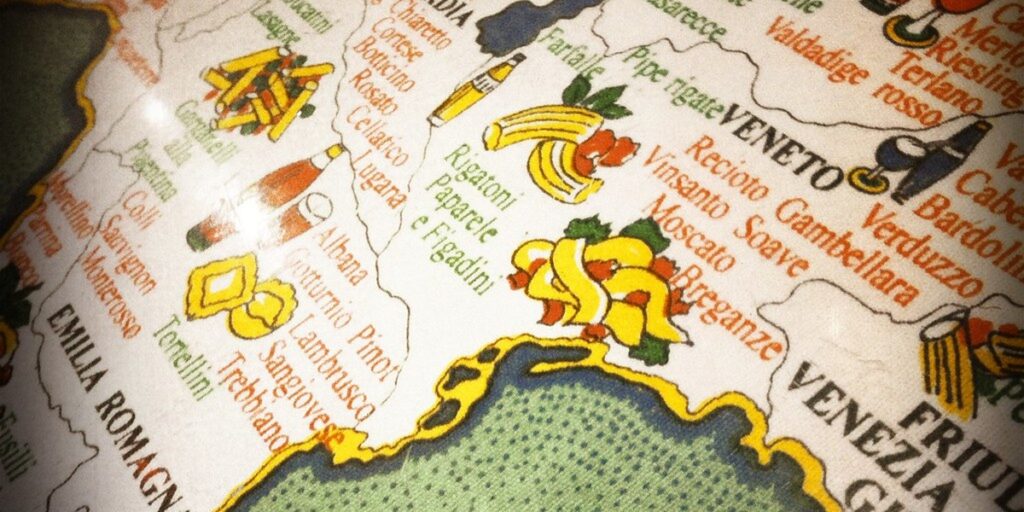
Italy’s regions carry distinct rhythms and vocabularies shaped by centuries of local life, trade and migration. From market squares to family dinners, those speech patterns mark where people come from and how communities keep traditions alive.
There are 41 Dialects in Italy, ranging from Abruzzese to Venetian. For each entry you’ll find below the Region(s), Linguistic family, Estimated speakers (no.), giving a quick snapshot of geography, origins and scale for every dialect listed — useful whether you’re curious, researching, or planning travel you’ll find below.
How different are these dialects from standard Italian?
Many dialects share vocabulary and grammar with standard Italian but can differ in pronunciation, word choices and sentence forms enough to sound distinct; some are mutually intelligible with regional Italian, while others retain features from pre-Roman or neighboring languages and may require exposure to follow easily.
Will learning a few local phrases help when visiting?
Yes — a handful of region-specific greetings and common words goes a long way for friendliness and navigation; locals appreciate the effort and you’ll often get clearer directions and warmer interactions than using only standard Italian.
Dialects in Italy
| Name | Region(s) | Linguistic family | Estimated speakers (no.) |
|---|---|---|---|
| Piedmontese | Piedmont (Turin, Cuneo, Alessandria) | Gallo‑Italic | 2,000,000 |
| Ligurian | Liguria (Genoa, La Spezia, Savona) | Gallo‑Italic | 800,000 |
| Lombard | Lombardy (Milan, Bergamo, Como) | Gallo‑Italic | 3,500,000 |
| Emilian | Emilia (Bologna, Modena, Parma) | Gallo‑Italic | 1,500,000 |
| Romagnol | Romagna (Ravenna, Forlì, Rimini) | Gallo‑Italic | 700,000 |
| Venetian | Veneto (Venice, Padua, Verona) | Italo‑Dalmatian (Venetan) | 2,500,000 |
| Friulian | Friuli (Udine, Pordenone) | Rhaeto‑Romance | 600,000 |
| Ladin | Dolomite valleys (South Tyrol, Belluno, Trentino) | Rhaeto‑Romance | 30,000 |
| Sardinian (Logudorese) | Central-northern Sardinia | Sardinian (Isolate Romance) | 600,000 |
| Sardinian (Campidanese) | Southern Sardinia | Sardinian (Isolate Romance) | 500,000 |
| Gallurese | Northeast Sardinia (Gallura) | Sardinian/Corsican transitional | 100,000 |
| Tuscan (Florentine) | Tuscany (Florence, Siena) | Italo‑Dalmatian (Tuscan) | 2,000,000 |
| Romanesco | Rome and surrounding Lazio provinces | Central Italian (Italo‑Dalmatian) | 1,500,000 |
| Umbrian | Umbria (Perugia, Terni) | Central Italian | 300,000 |
| Marchigiano | Marche (Ancona, Pesaro, Macerata) | Central Italian | 1,000,000 |
| Abruzzese | Abruzzo (L’Aquila, Pescara) | Central/Southern Italo‑Romance | 700,000 |
| Molisan | Molise (Campobasso, Isernia) | Central/Southern Italo‑Romance | 150,000 |
| Neapolitan | Campania (Naples, Salerno) and southern areas | Italo‑Dalmatian (Neapolitan) | 7,000,000 |
| Calabrian | Calabria (Catanzaro, Reggio Calabria) | Italo‑Dalmatian/Southern Italo‑Romance | 2,000,000 |
| Sicilian | Sicily (Palermo, Catania) and parts of Calabria | Italo‑Dalmatian (Sicilian) | 5,000,000 |
| Apulian (Pugliese) | Puglia (Bari, Foggia, Brindisi) | Italo‑Dalmatian/Southern Romance | 3,000,000 |
| Salentino | Salento peninsula (southern Apulia) | Italo‑Dalmatian/Southern Romance | 1,000,000 |
| Algherese Catalan | Alghero, Sardinia | Catalan (Romance) | 20,000 |
| Arbëresh | Southern Italy (Calabria, Sicily, Basilicata) | Albanian (Tosk) minority language | 100,000 |
| Griko | Salento (Apulia) and Calabria pockets | Modern Greek (Hellenic) minority | 30,000 |
| South Tyrolean German | South Tyrol (Alto Adige) | Austro‑Bavarian (Germanic) | 300,000 |
| Cimbrian | Trentino and Veneto mountain enclaves | Upper Germanic (Bavarian) | 2,000 |
| Mòcheno | Trentino (Valsugana) | Upper Germanic (Bavarian) | 2,000 |
| Slovenian (Italy) | Friuli‑Venezia Giulia (Trieste, Gorizia) | Slavic (Slovenian) | 50,000 |
| Franco‑Provençal (Arpitan) | Aosta Valley and Piedmont Alpine valleys | Arpitan (Franco‑Provençal) | 40,000 |
| Occitan (Alpine) | Piedmont (Cuneo valleys) | Occitan (Gallo‑Romance) | 30,000 |
| Emilian‑Romagnol (general) | Emilia‑Romagna region | Gallo‑Italic | 2,200,000 |
| Lombard (Western/Eastern split) | Northern Lombardy provinces | Gallo‑Italic | 3,500,000 |
| Pugliese (subvarieties) | Puglia (Bari dialect, Foggia areas) | Italo‑Dalmatian/Southern Romance | 3,000,000 |
| Calabrese (Northern vs Southern) | Calabria provinces (Cosenza, Reggio) | Southern Italo‑Romance | 2,000,000 |
| Sicilian (Island dialects) | Sicily islands and Ionian Calabria | Italo‑Dalmatian (Sicilian) | 5,000,000 |
| Logudorese (Sardinian main) | Central Sardinia | Sardinian (Isolate Romance) | 600,000 |
| Campidanese (Sardinian southern) | Southern Sardinia | Sardinian (Isolate Romance) | 500,000 |
| Gallurese (Corsican influence) | Northeast Sardinia (Gallura) | Corsican‑influenced Romance | 100,000 |
| Alto Adige Ladin varieties | Dolomites (Siusi, Val Gardena) | Rhaeto‑Romance (Ladin) | 30,000 |
| Sicilian Greek (Calabrian Greek pockets) | Bova and Reggio Calabria areas | Hellenic (Griko/Greco) | 10,000 |
Images and Descriptions
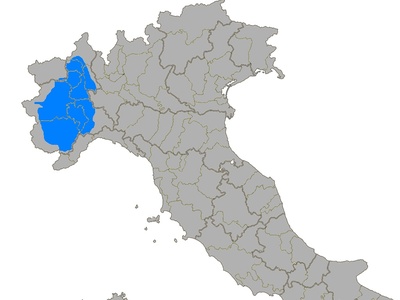
Piedmontese
A Gallo‑Italic Romance variety with uvular R in some areas and unique vowel changes. Vitality is declining among youth but stable in rural areas; partly intelligible to Italians, often requiring adjustment for full understanding.
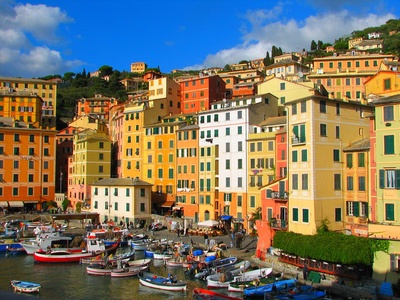
Ligurian
Distinct for its consonant cluster reductions and maritime vocabulary, Ligurian has limited mutual intelligibility with Standard Italian. Vitality varies: strong local identity in Genoa but declining use among younger generations.

Lombard
A group of Gallo‑Italic varieties with retroflex and vowel patterns different from Italian. Lombard shows moderate intelligibility for nearby Italians but low for distant speakers; urban shift to Italian has reduced everyday use.
Emilian
Emilian features vowel harmony and consonant changes distinct from Italian. Traditionally strong in rural towns, its vitality is threatened by Italian media; partially intelligible with Standard Italian for shared vocabulary.
Romagnol
Romagnol has unique phonology and vocabulary within Emilian‑Romagnol. Local pride keeps it alive in older speakers; younger generations use Italian, so mutual intelligibility is moderate to low.
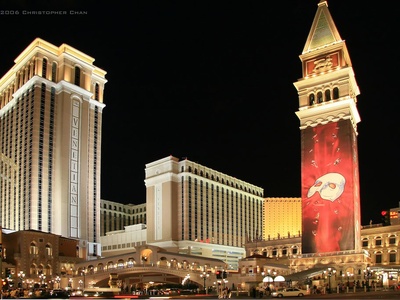
Venetian
Venetian preserves older vowel systems and specific articles. It is relatively transparent to Italians from the north but less so elsewhere; community use remains in towns, with declining intergenerational transmission.
Friulian
A Rhaeto‑Romance language with distinct grammar and vocabulary, Friulian enjoys official regional recognition. Vitality is moderate with schooling support; mutual intelligibility with Italian is limited and requires learning.
Ladin
Spoken in mountain valleys, Ladin has strong local identity and schooling support. It is not mutually intelligible with Standard Italian and retains archaic features and unique syntax.
Sardinian (Logudorese)
Logudorese is conservative, preserving Latin vowels and morphology. It is often considered the most conservative Romance language; intelligibility with Italian is low and vitality is moderate but regional pride is strong.
Sardinian (Campidanese)
Campidanese shows stronger Arabic and Catalan influences and different phonetics from Logudorese. Mutual intelligibility with Italian is limited; vitality is stable in rural areas but eroding among youth.
Gallurese
Gallurese blends Corsican and Sardinian traits, with Tuscanal influences. It is fairly distinct from Standard Italian, enjoys local use, and has moderate vitality but limited mutual intelligibility.
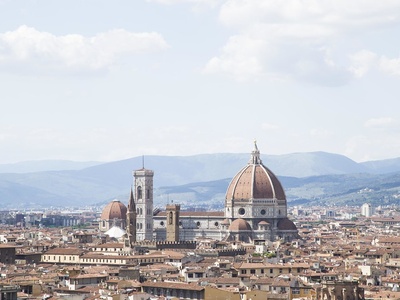
Tuscan (Florentine)
Florentine is historically important as the basis of Standard Italian but retains local phonology and vocabulary. It is highly intelligible with Standard Italian; vitality is high though local features often merge into standard speech.
Romanesco
Romanesco has distinctive vowel changes and slangy registers; historically influential through media and literature. It remains intelligible to most Italians but some localisms and pronunciation make it distinctive.
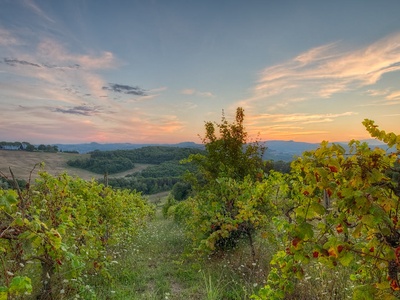
Umbrian
Umbrian displays central Italic vowel patterns and conservative morphology. Vitality is regionally varied, stronger in rural communities; intelligibility with Standard Italian is moderate but some lexical differences persist.
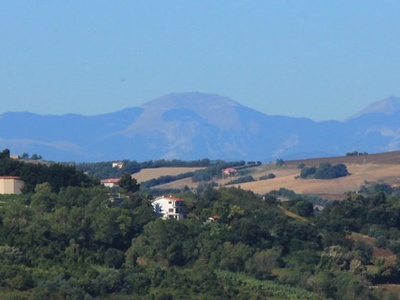
Marchigiano
Marchigiano blends Central and Southern traits, with unique vowel and consonant patterns. Widely used locally, its vitality is fair though urban Italian encroaches; intelligibility with Standard Italian is moderate.
Abruzzese
Abruzzese shows conservative phonology and distinct verb forms. Rural vitality remains reasonable, urban shift towards Italian occurs; mutual intelligibility with Standard Italian is partial.
Molisan
Molisan preserves archaic vocabulary and slightly different phonetics. With limited speakers its vitality is fragile; Italian speakers may understand parts but full comprehension often requires familiarity.
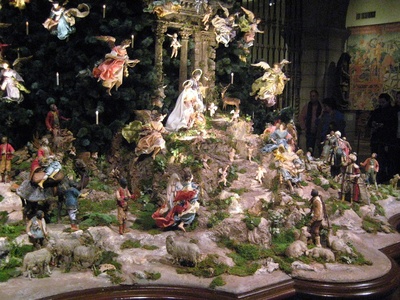
Neapolitan
A major Southern Romance variety with rich literature, music and distinct phonology. Neapolitan has limited mutual intelligibility with Standard Italian; it remains widely used culturally though younger people mix with Italian.
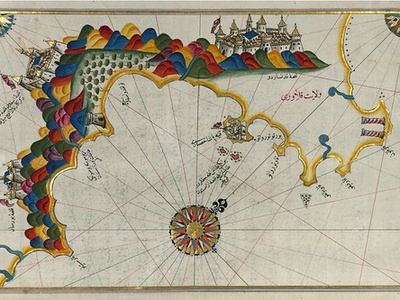
Calabrian
Calabrian covers northern (Neapolitan‑like) and southern (more divergent) varieties, with distinct phonetics and lexicon. Vitality varies; intelligibility with Standard Italian ranges from moderate to low depending on area.
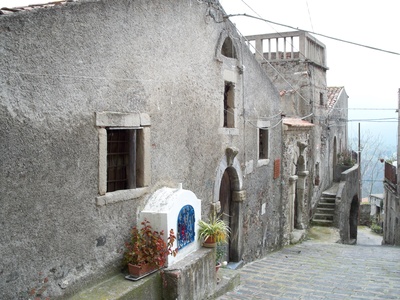
Sicilian
Sicilian has strong Arabic, Greek and Catalan influences and distinctive grammar. It is not fully intelligible to Standard Italian speakers; vitality is robust culturally though everyday use is declining in some areas.
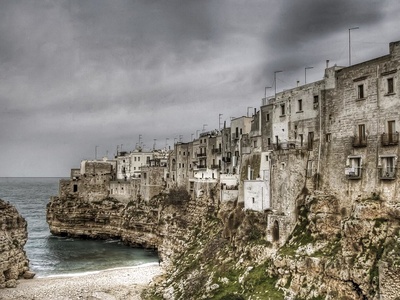
Apulian (Pugliese)
Pugliese varieties include northern and southern differences, with unique vowel changes and lexicon. Local usage remains common; mutual intelligibility with Italian is moderate but some forms are quite distinct.
Salentino
Salentino shows Greek and Balkan substrate influences and strong local identity. It is partially intelligible with Standard Italian but has many distinct phonetic and lexical features.
Algherese Catalan
Algherese is a local Catalan variety maintained since medieval times, with Italian influence. Vitality is limited but official recognition helps; intelligibility with Standard Italian is low, Catalan speakers find it closer to Catalan.
Arbëresh
Arbëresh is an Albanian variety preserved by long‑established communities since the 15th century. Strong cultural vitality in villages; not intelligible with Standard Italian, requires separate learning.
Griko
Griko preserves ancient Greek elements and local Romance influences. Vitality is endangered but supported by cultural groups; it is not mutually intelligible with Standard Italian and requires knowledge of Greek.
South Tyrolean German
A Germanic Austro‑Bavarian variety with official bilingual status. Vitality is strong in education and administration; not mutually intelligible with Italian, though many speakers are bilingual.
Cimbrian
Cimbrian is a relic Germanic language in isolated villages with archaic German features. Vitality is severely endangered; not intelligible with Italian, local revival efforts exist.
Mòcheno
Mòcheno is a small Germanic minority language with limited speakers and cultural support. Vitality is fragile; it is unintelligible to Italian speakers and taught in some local schools.
Slovenian (Italy)
Slovenian in Italy is a recognized minority language with regional schooling and media. Vitality is moderate in border communities; not mutually intelligible with Italian but many are bilingual.
Franco‑Provençal (Arpitan)
Arpitan varieties have unique vowel patterns and lexicon distinct from French and Italian. Vitality is low but protected; mutual intelligibility with Italian is limited and variable by area.
Occitan (Alpine)
Alpine Occitan survives in western Piedmont valleys with local literature and festivals. Vitality is endangered; intelligibility with Italian is low and requires study, though some vocabulary overlaps exist.
Emilian‑Romagnol (general)
The Emilian‑Romagnol grouping includes many local varieties with distinct phonology and lexicon. Vitality varies by province; partial intelligibility with Italian exists but many features require local familiarity.
Lombard (Western/Eastern split)
Lombard’s subgroups show major internal differences; many urban speakers use Italian. Overall vitality is declining; intelligibility with Standard Italian is partial and region dependent.
Pugliese (subvarieties)
Pugliese includes Bari and other local dialects with varying features. Local speech remains lively in towns and countryside; mutual intelligibility with Italian is moderate.
Calabrese (Northern vs Southern)
Calabrese covers diverse northern (closer to Neapolitan) and southern (more divergent) forms. Vitality persists locally; intelligibility with Standard Italian ranges from moderate to low.
Sicilian (Island dialects)
Island Sicilian varieties have strong regional identity, with distinct phonology and vocabulary shaped by diverse historical contacts. Vitality is robust culturally, but mutual intelligibility with Italian is limited.
Logudorese (Sardinian main)
Logudorese is conservative, retaining Latin structures and unique phonology. Vitality remains regional with cultural pride; intelligibility with Standard Italian is low, often requiring separate learning.
Campidanese (Sardinian southern)
Campidanese shows different vowel shifts and lexical influences. Strong local usage balances gradual decline; it is not easily understood by Standard Italian speakers without exposure.
Gallurese (Corsican influence)
Gallurese blends Corsican phonetics with Sardinian traits, spoken in Gallura towns. It is distinct from Standard Italian and has limited intelligibility; cultural vitality persists locally.
Alto Adige Ladin varieties
Dolomite Ladin varieties are officially recognized with schooling and media support. Vitality is moderate due to protections; they are not mutually intelligible with Italian and preserve ancient Alpine forms.
Sicilian Greek (Calabrian Greek pockets)
A highly endangered Greek variety (Calabrian Greek) surviving in a few villages. Vitality is critical; unintelligible with Italian, it requires knowledge of Greek and local tradition for survival.