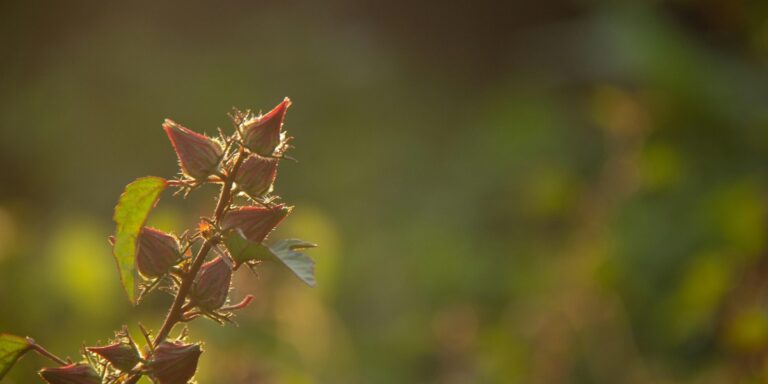
This comprehensive list details the 15 Rivers in Gabon, providing each river’s length (km), basin/tributary relationships, and notable features such as waterfalls, navigation, and protected areas. Ideal for students, travelers, and researchers, the post includes concise descriptions, maps, and key facts to help you explore Gabon’s waterways—click to discover each river’s story and significance.
List of Lakes in Gabon
Explore a comprehensive list of Lakes in Gabon that highlights the country’s notable freshwater bodies set within lush rainforests, coastal mangroves, and inland plains. This guide provides names, locations, ecological features, and practical travel tips to help researchers, birdwatchers, and travelers discover Gabon’s lakes and plan memorable visits.
Official Languages in Gabon
This post explores the Official Languages in Gabon, detailing French’s legal status and the country’s indigenous languages, their usage, and estimated speaker percentages. Learn how languages function in government, education, and daily life, with clear statistics and historical context to understand Gabon’s linguistic landscape.
List of Gabon Ethnic Groups
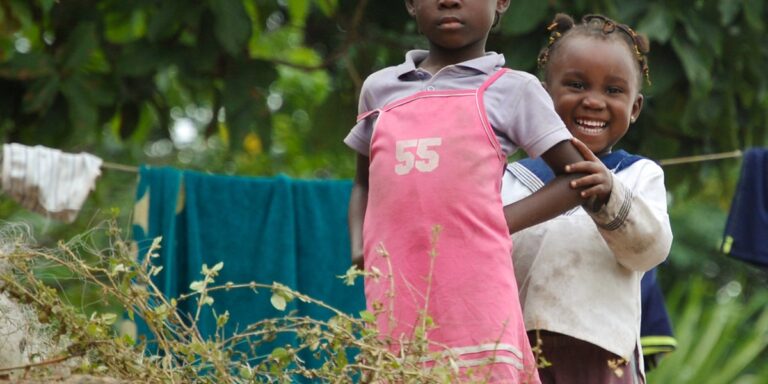
This post lists 15 Gabon ethnic groups with concise data on population share, primary regions, and main language families. From the large Fang community to smaller coastal and inland peoples, explore where each group lives, their linguistic roots, and key cultural notes to guide further research or travel.
The Complete List of Gabon Passport Visa-Free Countries
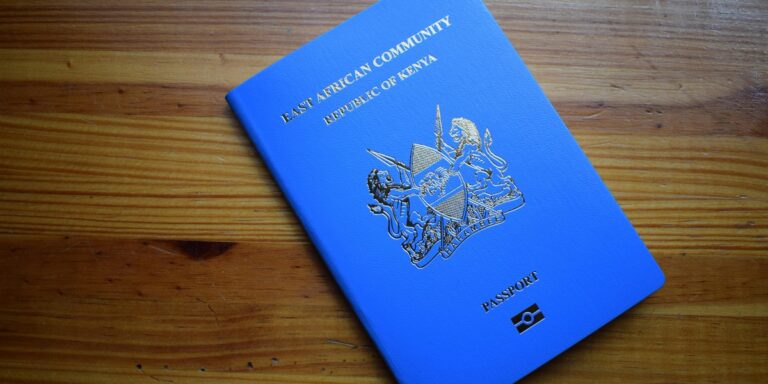
This comprehensive guide lists all 50 Gabon Passport Visa-free Countries, including flag icons, allowed stay (days) and concise entry notes for each destination. Updated for 2025, use this quick-reference to plan visa-free travel and check stay limits and entry conditions for Gabonese passport holders at a glance.
List of World Heritage Sites in Gabon
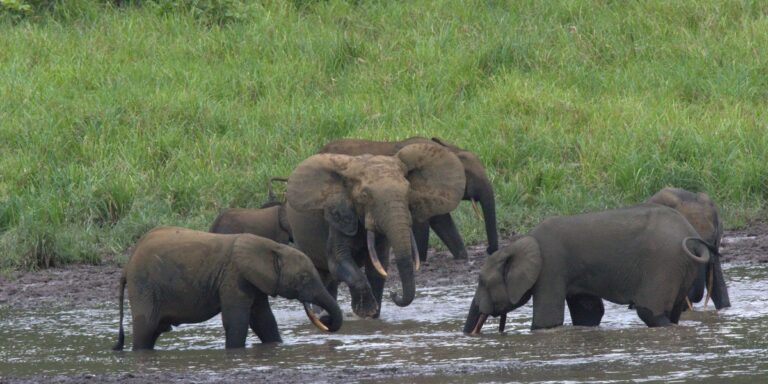
Gabon has two UNESCO World Heritage Sites: the Ecosystem and Relict Cultural Landscape of Lopé-Okanda (2007) and Ivindo National Park (2021). This concise guide lists each site’s inscription year and location, plus visiting tips, significance, and UNESCO links to help travelers, students, and researchers plan visits and verify conservation status.