Gabon sits on the Gulf of Guinea in Central Africa, a country of coastal plains, rivers and dense rainforest that shape local livelihoods and identities. Small population centers and varied landscapes have helped preserve a range of distinct community traditions.
There are 15 Gabon Ethnic Groups, ranging from Eshira (Sira) to Vili. For each, you’ll find below Population share (%),Primary region(s),Language family / main language so you can quickly compare size, location and linguistic ties; you’ll find the full list and details below.
Which groups are largest in Gabon and where do they live?
The Fang are the largest group, largely in the northern and central interior; coastal groups such as the Myene and Punu are also significant, while smaller communities like the Eshira (Sira) and Vili tend to be more regionally concentrated. Exact shares vary by census and region.
How much do languages differ across these groups?
Most local languages belong to Bantu branches and share similarities, but each group has its own distinct language or dialect; French serves as the national lingua franca for education and administration while local tongues remain central to daily life and cultural practices.
Gabon Ethnic Groups
| Name | Population share (%) | Primary region(s) | Language family / main language |
|---|---|---|---|
| Fang | 32% | North and central Gabon (Woleu‑Ntem, Estuaire, Ogooué‑Ivindo) | Bantu family / Fang language |
| Punu | 20% | Southwestern Gabon (Ngounié, Nyanga, Ogooué‑Maritime) | Bantu family / Punu language |
| Nzebi (Njebi) | 12% | Southern‑central Gabon (Ngounié, Ogooué‑Lolo, Nyanga) | Bantu family / Nzebi language |
| Myene | 8% | Coastal Gabon (Estuaire, Ogooué‑Maritime) | Bantu family / Myene languages |
| Mbochi | 8% | Northeast Gabon (Ogooué‑Ivindo, Woleu‑Ntem, Haut‑Ogooué) | Bantu family / Mbochi language |
| Kota | 5% | East‑central Gabon (Haut‑Ogooué, Ogooué‑Lolo) | Bantu family / Kota language |
| Teke (Bateke) | 4% | Southeast Gabon (Haut‑Ogooué, Ogooué‑Lolo, border areas) | Bantu family / Teke languages |
| Mpongwe | 3% | Estuaire and coast (near Libreville, Îles Loos) | Bantu family / Mpongwe language |
| Eshira (Sira) | 2% | West‑central Gabon (Ogooué‑Maritime, Ngounié) | Bantu family / Sira (Eshira) language |
| Kwele | 2% | East‑central forests (Ogooué‑Ivindo, near Congo border) | Bantu family / Kwele language |
| Kongo (Bakongo) | 2% | Southern border regions (Nyanga, Ngounié) | Bantu family / Kikongo and related dialects |
| Vili | 1% | Coastal Loango area (Ogooué‑Maritime, Ngounié) | Bantu family / Vili language |
| Pygmy peoples (Baka, Babongo, Bakoya) combined | 1% | Interior rainforests (Ogooué‑Ivindo, Ogooué‑Lolo) | Central African foragers / various Pygmy languages and dialects |
| Obamba | 0.5% | Southeastern Gabon (Haut‑Ogooué) | Bantu family / Obamba language |
| Ndumu (Ndumu/Adouma)* | 0.5% | Central riverine areas (Ogooué basin) | Bantu family / Adouma/Ndumu languages |
Images and Descriptions
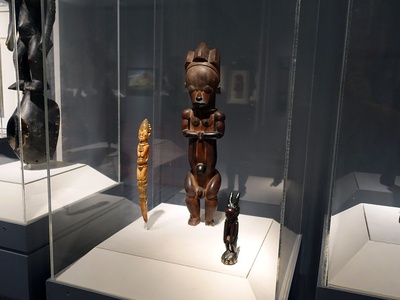
Fang
Largest ethnic group in Gabon, the Fang are known for their strong social structures, timber and cocoa agriculture, and rich artistic traditions (notably ngil masks). Historically influential in politics and commerce across northern and central regions.
Punu
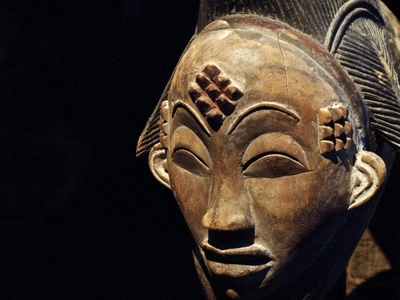
Punu people are noted for elaborate white facial masks used in funerary and initiation rites, cattle‑raising history and swamp‑edge farming. They dominate parts of southwestern Gabon and have vibrant dance and weaving traditions.
Nzebi (Njebi)
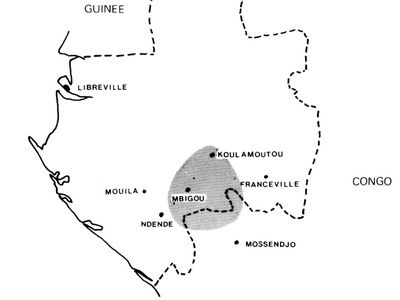
Nzebi communities are riverine farmers and traders historically active along Ogooué tributaries. Known for matrilineal elements in social organization and distinctive woodcarving, they connect interior forest zones to coastal trade networks.

Myene
Myene groups inhabit estuaries and islands near Libreville and the coast; they have long histories as canoeists, fishermen and early participants in coastal trade. Cultural life features musical forms and strong coastal identities.
Mbochi
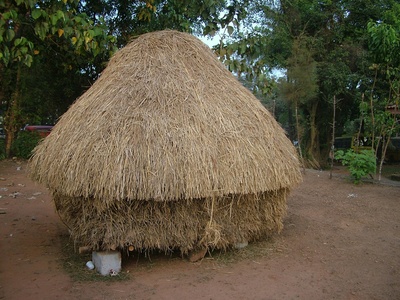
Mbochi are a northeastern Bantu group with a reputation for cattle herding, farming and localized political influence. They speak related dialects, maintain forest‑edge livelihoods, and have significant representation in regional leadership.
Kota
Kota people are famous for their highly stylized reliquary sculptures (the Kota reliquary figures). Traditionally forest farmers and metalworkers, they have distinctive spiritual practices tied to ancestor veneration and ironworking heritage.
Teke (Bateke)
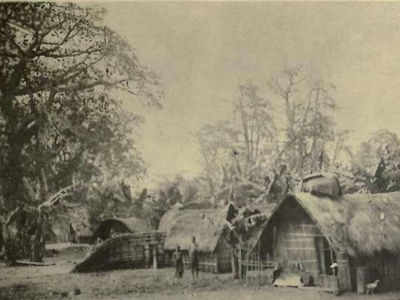
Teke communities inhabit riverine plateaus and historically controlled parts of trans‑Ogooué trade routes. Known for weaving, political kingdoms and evocative brass and wood crafts, they link Gabon with Congolese cultural zones.
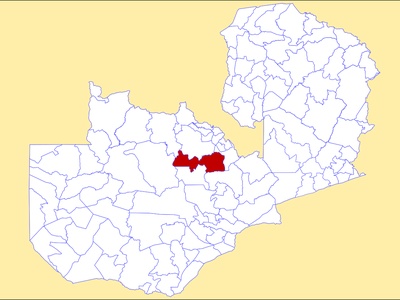
Mpongwe
Mpongwe traditionally occupied the estuary around Libreville and were early partners in European trade. They are traders and fishermen whose coastal location made them influential in colonial and early national history.
Eshira (Sira)
Eshira (Sira) people practice mixed agriculture and fishing along coastal plains and mangroves. They have strong oral traditions, local chieftaincies, and craftsmanship in canoe‑making and weaving.
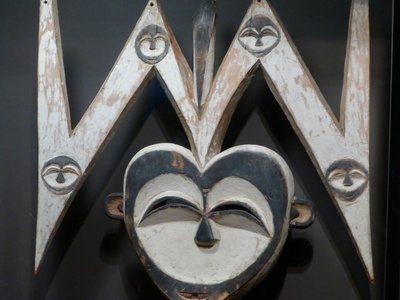
Kwele
Kwele are forest dwellers noted for distinctive masks and ceremonial dances used in initiation and social regulation. They practice shifting cultivation, hunting and have rich ritual arts tied to forest cosmology.
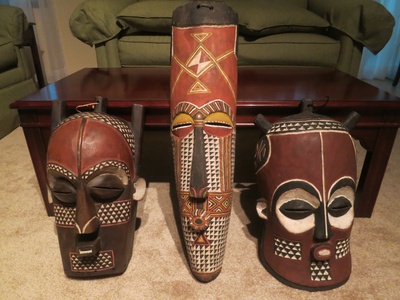
Kongo (Bakongo)
Bakongo communities in Gabon share cultural and linguistic ties with larger Kongo populations across Central Africa. They engage in agriculture, river trade, and maintain Kongo spiritual and artistic traditions, including wood carving.
Vili
Vili people live along the Loango coast and islands; historically they were seafarers and traders with rich oral histories. Today they work in fishing, small‑scale farming and keep coastal ritual and musical practices alive.
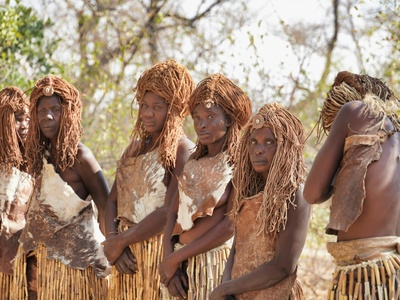
Pygmy peoples (Baka, Babongo, Bakoya) combined
Forest‑dwelling Pygmy groups maintain hunter‑gatherer traditions, deep ecological knowledge, and musical polyphony. Many now have blended economies (hunting, gathering, wage labor) and face land‑access and cultural preservation challenges.
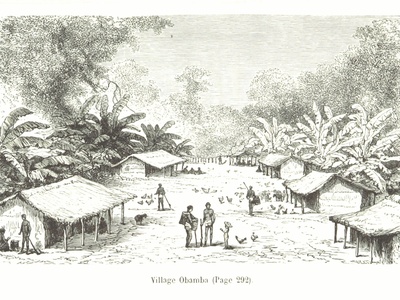
Obamba
Obamba communities are upland farmers and hunters with vibrant oral histories and ritual life. Known locally for clan-based social structures, they practice mixed subsistence agriculture and maintain regional cultural ceremonies.
Ndumu (Ndumu/Adouma)*
Riverine Ndumu (Adouma) people live along Ogooué tributaries, combining fishing, canoe craft and smallholder farming. They act as intermediaries between interior forest communities and coastal markets, with distinctive riverine cultural practices.