
TLDR
The Bahamas has two cities that matter for this question: Nassau on New Providence and Freeport on Grand Bahama. Both have real violent crime, and almost all of it sits in specific residential neighborhoods that tourists have no reason to visit. The resort zones, cruise port areas and main attractions are far safer, and most visitors go home with nothing worse than a sunburn. The US State Department rates the country Level 2 (exercise increased caution). Take licensed taxis, skip night walks, and stay out of jet-ski deals.
Table of Contents
- Why “most dangerous city” is the wrong frame in the Bahamas
- What the current travel advisory says
- Nassau: where the risk is and where it isn’t
- Freeport and Grand Bahama
- Nassau vs Freeport at a glance
- Cruise port specifics
- The Out Islands
- Practical rules that actually reduce your risk
Why “most dangerous city” is the wrong frame in the Bahamas
Most “most dangerous cities in the Bahamas” lists are Caribbean-wide countdowns that squeeze Nassau into a slot and move on. They never mention Freeport at all. That’s a gap, because those two are the only places in the country that function as cities, and each is really a patchwork.
The Bahamas has a population of roughly 400,000 spread across about 30 inhabited islands. The violence is concentrated, mostly in New Providence, where Nassau sits, and mostly among people who know each other: gang disputes, retaliation, drug-related conflicts. The country has recorded well over 100 murders in recent years. That’s a serious number for a small population, and it’s the reason the advisory exists. But it’s a different problem from random street crime aimed at visitors.
So the useful question isn’t “which city is worst.” It’s “which blocks, at what time of day.” That’s how the rest of this post is organized.
What the current travel advisory says
The State Department’s Bahamas travel advisory sits at Level 2: exercise increased caution. It cites crime, including gang violence in some Nassau neighborhoods, and it warns about sexual assault and about water-related accidents. It specifically calls out jet-ski operators, who have been tied to robbery and assault reports, and unsafe jet-ski and watersports operations in general.
Advisories get revised, and the date on the page matters more than anything a blog post can tell you. Check the date and the wording before you book, then check again the week you leave. The US Embassy in Nassau also posts security alerts when something changes on the ground.
Level 2 is the same tier as many popular European destinations. It’s a prompt to pay attention, not a reason to cancel.
Nassau: where the risk is and where it isn’t
Nassau is the Bahamas’ capital, its cruise hub, and the place where the country’s crime numbers cluster. Crowd-sourced indexes such as Numbeo put it in the mid-60s on a 100-point crime scale, which is high, but that figure blends the whole island and tells you nothing about where you’ll actually be standing.
Over the Hill: the area to avoid
“Over the Hill” is the local name for the historic, mostly Black neighborhoods south of Nassau’s downtown ridge, including Bain Town and Grants Town. It’s the cultural heart of the city and home to most of its residents. It’s also where much of the gang-related violence happens, and it’s the zone the advisory is most concerned about.
Residents live there normally. Visitors who wander in on foot, especially after dark, stand out and have no local knowledge of which streets are tense. If you want to see the area, go with a licensed local guide in daylight and leave the jewelry at the hotel. Otherwise, there’s nothing there that the rest of the island doesn’t offer more safely.
Sand Trap shows up on competitor lists too, and the same logic applies: it’s residential, it’s not a tourist district, and there’s no reason to be there.
Fish Fry at Arawak Cay: good food, watch the clock
Arawak Cay’s Fish Fry is a row of open-air shacks selling conch salad, cracked conch and fried snapper. It’s a genuine local scene and a popular stop, and in daylight and early evening it’s fine. The caution comes later at night, when crowds thin and the area is a short drive from rougher neighborhoods. Go for lunch or an early dinner, and book a taxi for the ride back instead of walking.
The safer areas
- Cable Beach: a resort strip on the west side with big hotels, a casino and a lot of security. Walking between properties in the day is normal.
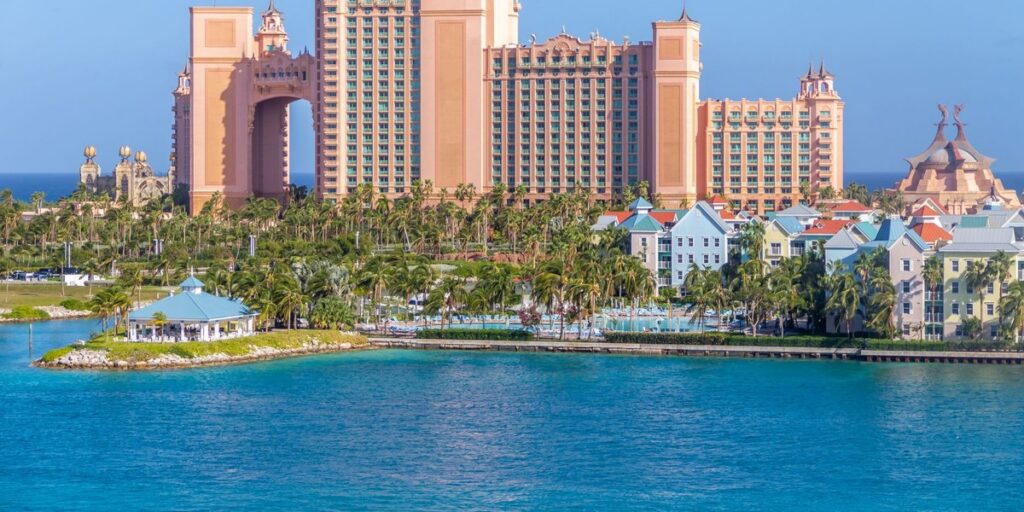
- Paradise Island: Atlantis and its neighbors, reached by bridge. Largely self-contained, with its own security and a visitor-heavy crowd.
- Lyford Cay: a gated enclave at the western end of the island. You won’t get in without an invitation, which is the point.
- Downtown Bay Street by day: busy, touristed, and watched by police. It gets quiet fast after the shops close.
Freeport and Grand Bahama
Freeport is the second city, on Grand Bahama about 90 miles off the Florida coast, and it gets almost no attention in safety coverage. That’s a mistake. It has its own pockets of violent crime, and the island’s economy has had a rough stretch since Hurricane Dorian in 2019, which hit Grand Bahama and neighboring Abaco hard.
The same neighborhood-level logic holds. The tourist side is Lucaya, with Port Lucaya Marketplace, Taino Beach and the resorts nearby. It’s the part of Grand Bahama that visitors use and it’s far calmer than the inland residential areas of Freeport proper, where most reported violence occurs. A rental car makes sense here because the island is spread out and public transport is thin, but keep valuables out of sight and don’t leave anything in the car.
Freeport is quieter than Nassau after dark, and that cuts both ways: fewer people on the street means fewer witnesses. The nighttime rule is the same as in Nassau. Take a taxi from door to door.
Nassau vs Freeport at a glance
| Nassau (New Providence) | Freeport (Grand Bahama) | |
|---|---|---|
| Main risk | Gang violence in specific neighborhoods; petty theft downtown | Violent crime in inland residential areas; theft from cars and rentals |
| Areas to avoid | Over the Hill (Bain Town, Grants Town), Sand Trap, and any unfamiliar residential street at night | Inland residential neighborhoods away from the Lucaya tourist zone |
| Safer areas | Cable Beach, Paradise Island, Lyford Cay, Bay Street by day | Lucaya, Port Lucaya Marketplace, Taino Beach, resort areas |
| Daytime | Generally fine in tourist zones | Generally fine in tourist zones |
| Night | Take a taxi door to door; skip Fish Fry after late evening | Take a taxi; streets empty quickly |
| Scale | Larger crowds, more incidents overall | Smaller city, lower profile, still real risk |
Cruise port specifics
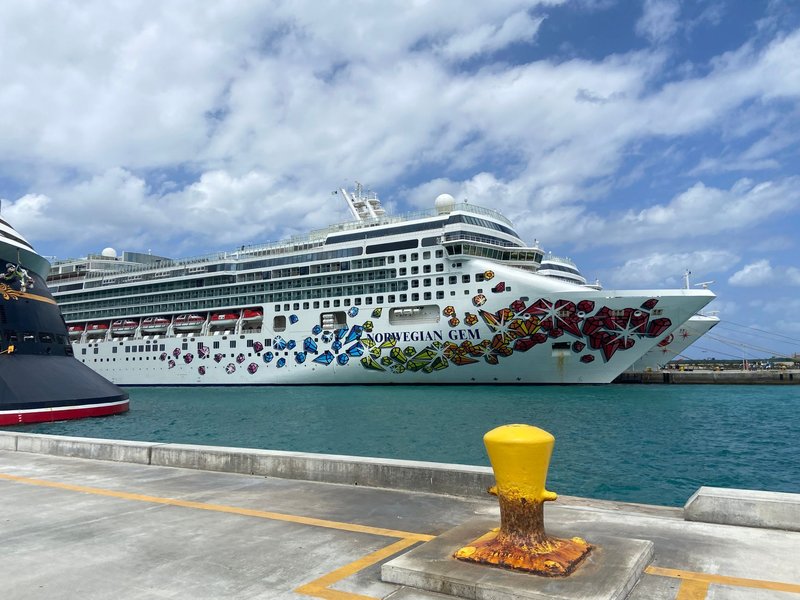
Most visitors to Nassau arrive by ship at Prince George Wharf, which opens directly onto Bay Street and the Straw Market. Staying in the harbor-side blocks near the pier is the low-risk option: they’re busy, patrolled and designed for people stepping off a ship.
The harassment you’re likely to meet is mild: hair-braiding offers, taxi touts, and vendors who won’t take a first no. A polite, firm “no thank you” and continuing to walk works. The more serious problems cluster around unlicensed operators, especially jet-ski rentals and unregistered “tour guides” who approach you on the dock. Book excursions through the ship or through operators with a visible license and a physical office.
Don’t plan on walking from the port into the residential streets south of downtown. If you don’t have a specific destination and a ride arranged, stay in the touristed core.
The Out Islands
The Exumas, Eleuthera, Abaco, Andros and the rest of the Out Islands barely register in crime coverage. Their small populations and limited nightlife mean petty theft is the main concern, and the risks are more about boats, water and distance from medical care than about crime. If your plan is a few days in Nassau and the rest in the Out Islands, the second half is the lower-risk half.
Practical rules that actually reduce your risk
- Use licensed taxis. In the Bahamas they’re government-regulated with posted fares. Agree on the fare or check the rate card before you get in, and don’t accept unmarked rides.
- Don’t walk at night. Even short distances. Arrange a taxi from restaurant to hotel.
- Leave the jewelry and the big camera at home. A visible watch or gold chain is the easiest way to become a target.
- Skip jet-ski operators. The State Department flags them for good reason. If you want a watersports day, book through your hotel or a licensed resort operator.
- Keep valuables out of the beach bag. Phones and wallets go in the room safe, with a copy of your ID and one card on you.
- Stay in tourist zones unless you have a plan. Curiosity is fine, but do it with a licensed guide and in daylight.
- Check the advisory date. Conditions shift. A quick look before departure beats relying on any article, this one included.
The honest answer to the question in the title: Nassau has the higher crime numbers and Freeport is the city competitors overlook, but neither is dangerous everywhere. Know the handful of places to avoid, keep your evenings simple, and the Bahamas is a straightforward trip.
