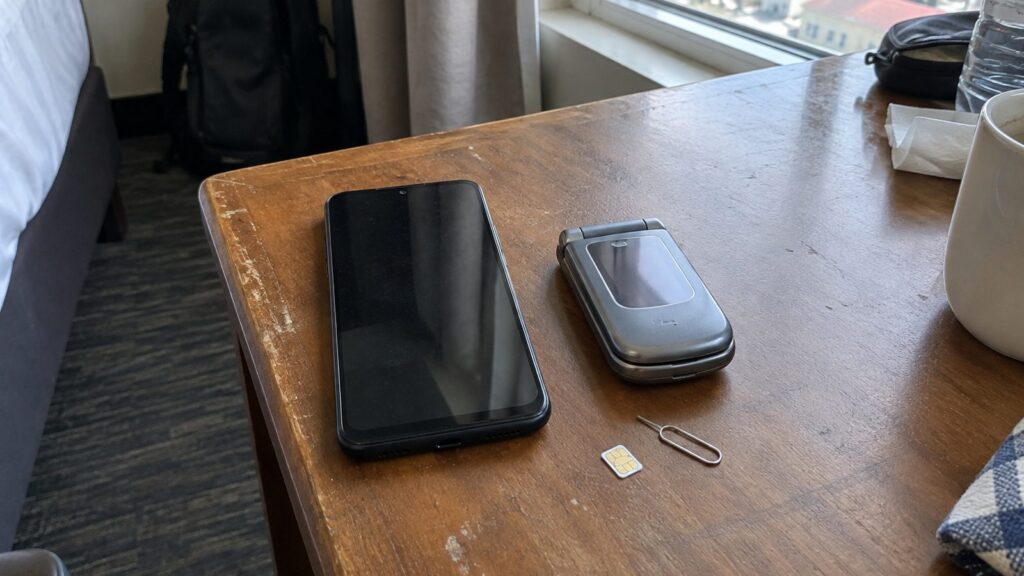
The best burner phone for international travel is a factory-unlocked smartphone with 4G LTE and VoLTE calling, ideally with an eSIM, bought outright. It is not the prepaid flip phone at the supermarket checkout. That phone is usually locked to one US carrier, and since January 2026 Verizon prepaid phones stay locked for 365 days. Many cheap flips also rely on 3G, which is already switched off in the US, Japan and Australia and nearly gone in the UK.
A burner phone for travel abroad needs to take a foreign SIM or eSIM, connect on 4G in the countries you’re visiting and keep getting security updates. It also needs to be cheap enough that losing it costs little.
Best burner phone for international travel: quick picks
- Best overall: Google Pixel 9a. Unlocked, nano SIM plus eSIM, and Google publishes a band list that covers Europe, Asia and the Americas.
- Best for long-term use: Google Pixel 10a, with seven years of Android and security updates.
- Best budget Android: Samsung Galaxy A17 5G, the US unlocked model with six years of security updates.
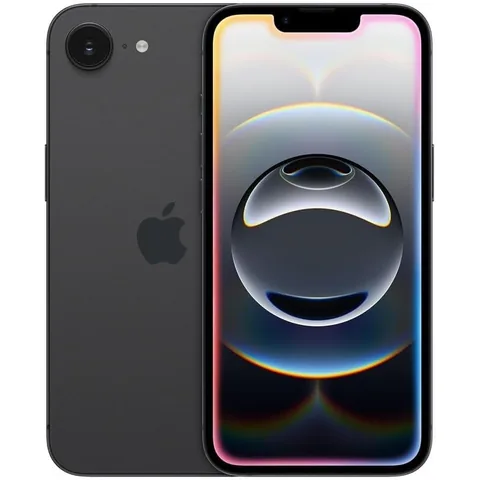
- Best burner iPhone: iPhone SE 3rd generation (Renewed). It has a SIM tray and an eSIM, so it takes a local SIM or a travel eSIM.
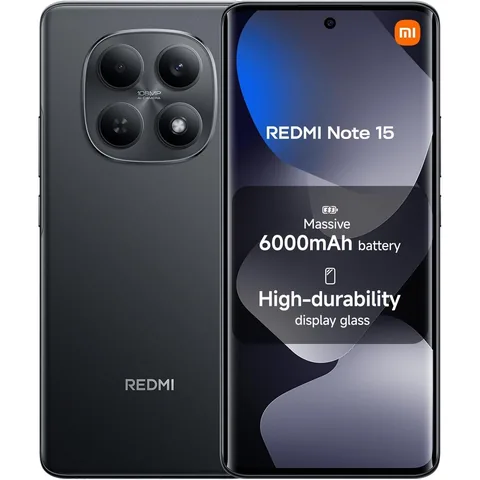
- Best for China: Redmi Note 15 4G Global, with the TD-LTE bands China Mobile uses.
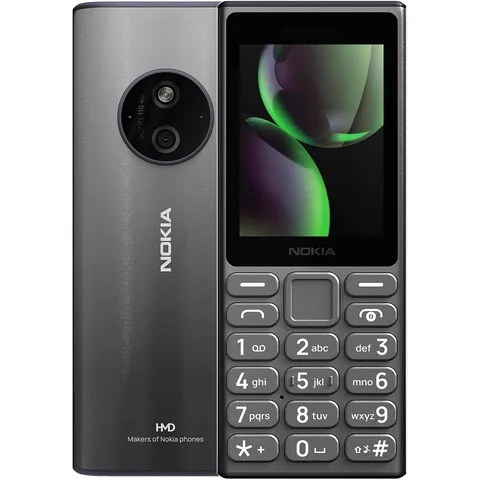
- Best basic phone: Nokia 110 4G, a 4G phone with VoLTE for calls and texts only.
Do you need a burner phone at all?
Many travelers don’t. If your own phone is unlocked and supports eSIM, a data eSIM for the destination gives you the same local connection without a second handset. A top reply in an r/travel thread about a burner for Italy says exactly that: check your phone for eSIM first. US travelers on T-Mobile or Google Fi plans already get international data without any swap.
A second phone earns its place in four situations:
- High-surveillance destinations. The Dutch intelligence service AIVD advises travelers to China to use temporary devices with no personal email, messaging or social media accounts on them.
- Border crossings where you’d rather carry less data. US Customs and Border Protection can search any phone at a port of entry without suspicion.
- Cities with frequent phone snatching. A cheap phone for maps and photos limits a theft to one inexpensive device.
- Your main phone is carrier-locked. A locked phone can’t take a foreign SIM, and some carriers won’t unlock a phone for months.
What makes a burner phone work abroad
Four specs decide whether a travel phone connects when you land. A fifth decides how safe it is.
1. Unlocked from the factory. Buy the phone outright as “unlocked”, from the maker or a retailer. Verizon’s prepaid unlock policy keeps phones activated after January 27, 2026 locked until 365 days of paid service, and T-Mobile has a similar 365-day rule for prepaid. On an iPhone, Settings > General > About > Carrier Lock should read “No SIM restrictions”. 2. 4G LTE with VoLTE. 3G is gone in the US, Japan (Docomo closed its FOMA network on March 31, 2026) and Australia, and the UK is finishing the job. Germany’s carriers switch off 2G in 2028. In the US and Australia, a 4G phone without VoLTE (voice over LTE) can’t make ordinary calls, and more of Europe joins them as 2G closes. 3. The right LTE bands. Europe relies on bands 3, 7 and 20. Asia leans on bands 1, 3 and 8, plus 38 to 41 for TD-LTE. The Americas use 2, 4, 12 and 66. Band 28 works across Asia-Pacific and Latin America. 4. eSIM plus a physical SIM tray. eSIM lets you install a travel data plan over Wi-Fi before you fly. A SIM tray lets you use a local prepaid SIM bought at the airport. The best burner has both. 5. Security updates. The EFF’s 2026 border guide notes that older and cheaper devices are easier to break into during a forensic search. A phone still on its update schedule is the safer burner.
| Phone | SIM | eSIM | Bands 3, 7 and 20 (Europe) | Update promise |
|---|---|---|---|---|
| Google Pixel 9a | Nano SIM + eSIM | Yes | Yes, on Google’s spec sheet | Up to 7 Android upgrades |
| Google Pixel 10a | Nano SIM + eSIM | Yes | Yes, on Google’s spec sheet | 7 years |
| Samsung Galaxy A17 5G (US) | Dual SIM | Not stated for the US model | Not stated for the US model | 6 years of security updates |
| Moto G Power 2025 | Dual SIM | Not stated | Not stated | Not stated |
| iPhone SE 3rd gen (Renewed) | Nano SIM + eSIM | Yes | Yes, on Apple’s US model | Not stated |
| iPhone 16e (Renewed) | eSIM only | Yes | Yes, on Apple’s spec page | Not stated |
| Redmi Note 15 4G Global | Nano SIM + hybrid slot | No | Bands 3 and 7, no band 20 | Not stated |
| Nokia 110 4G | Dual nano SIM | No | Not stated | None (basic phone) |
Sources: Amazon listings, Google’s Pixel 9a specs and Apple’s spec pages, checked November 2026. “Not stated” means neither the listing nor the maker’s page shows it.
The VoLTE trap in Australia, India and Japan
Bands get the attention, but VoLTE provisioning decides whether a phone can make calls. Australia is the strictest country. Since October 28, 2024, Telstra is legally required to block phones that can’t call emergency services over 4G VoLTE. Its 3G closure FAQ says a blocked visitor’s phone gets no calls and no data from the moment it is switched on. Phones bought overseas “may be blocked”.
Older reports from India describe carriers that skip VoLTE on imported phones. Docomo in Japan says some 4G phones lose functions after the 3G closure. Before a trip to any of the three, look up your exact model on the destination carrier’s device checker, or plan to call over Wi-Fi with WhatsApp or Signal.
Best unlocked phone for international travel: four picks
Each of these four is sold as an unlocked model for the US market.
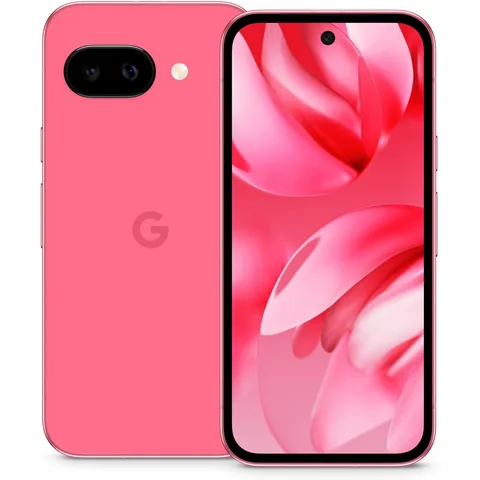
Pixel 9aMid-range
A wide-band unlocked phone with eSIM, so it takes a local SIM or a travel eSIM in Europe and Asia. Check Telstra's list before Australia.
- Listing: global 4G LTE and 5G bands, nano-SIM plus eSIM, unlocked
- Listing: 6.3-inch OLED, 5,100 mAh battery, up to 7 major Android upgrades
The Pixel 9a is the pick because its band list is public and long: LTE bands 1, 3, 7, 8, 20, 28, 38 to 41 and 66 are all on Google’s spec sheet. That covers every region in this guide on one phone. It holds one nano SIM and one eSIM, so you can keep a travel eSIM for data and add a local SIM for a phone number. The 5,100 mAh battery is the largest of the smartphones here.
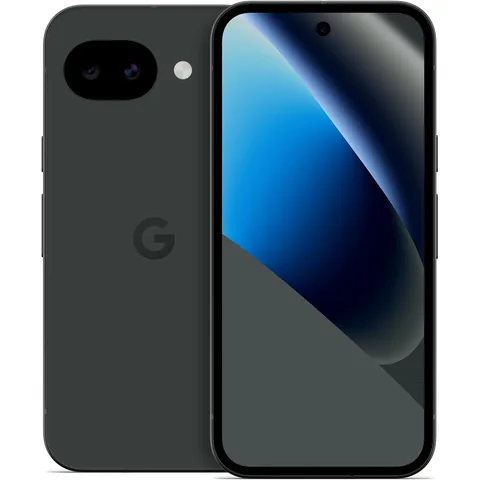
Pixel 10aPremium
Newer Pixel sold by Amazon, unlocked, with 7 years of updates. A travel phone that stays patched, with a local SIM or eSIM abroad.
- Listing: unlocked, works with Google Fi, Verizon, T-Mobile, AT&T
- Listing: Android 16, 7 years of OS and security updates, 30+ hour battery
The Pixel 10a is the only premium-tier pick here. Buy it if the burner will become a long-term second phone. Google promises seven years of OS and security updates, and T-Mobile and Three UK list it with VoLTE. Amazon sells this listing directly, while the 9a above comes from a third-party seller.
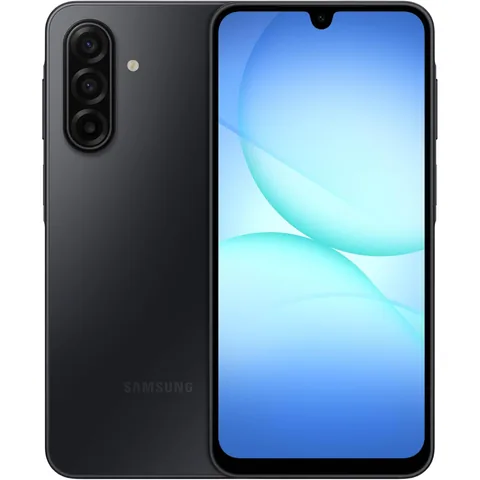
Galaxy A17 5GBudget
Unlocked US model with six years of security updates, so a spare phone stays patched. It takes a local SIM, which carrier-locked prepaid phones do not.
- Listing: unlocked for all carriers, Dual SIM, US model with 1-year warranty
- Listing: 6 OS upgrades and 6 years of security updates, Android 15
The Galaxy A17 5G is the budget-tier phone with the longest update promise: six OS upgrades and six years of security patches. Samsung’s US listing doesn’t publish the band list or confirm eSIM for the US model, so treat it as a phone for a local physical SIM and check band 20 before using it as a burner phone for Europe, where band 20 carries most rural coverage.
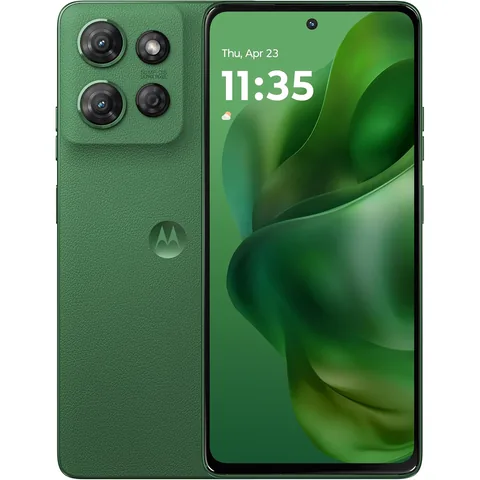
Moto G Power 2025Budget
Unlocked US model that takes a local SIM in Canada or Mexico. Motorola doesn't list its bands, so check Europe's band 20 before a trip there.
- Listing: unlocked, made for US, Dual SIM, microSD slot up to 1TB
- Listing: 5,000 mAh battery, 6.8-inch 120 Hz display, Android 15
The Moto G Power 2025 is built for the US market, with a 5,000 mAh battery and a microSD slot for offline maps and photos. Motorola doesn’t list its bands on the Amazon page, and US carrier spec sheets show the North American set. It suits trips to Canada and Mexico better than Europe or Asia.
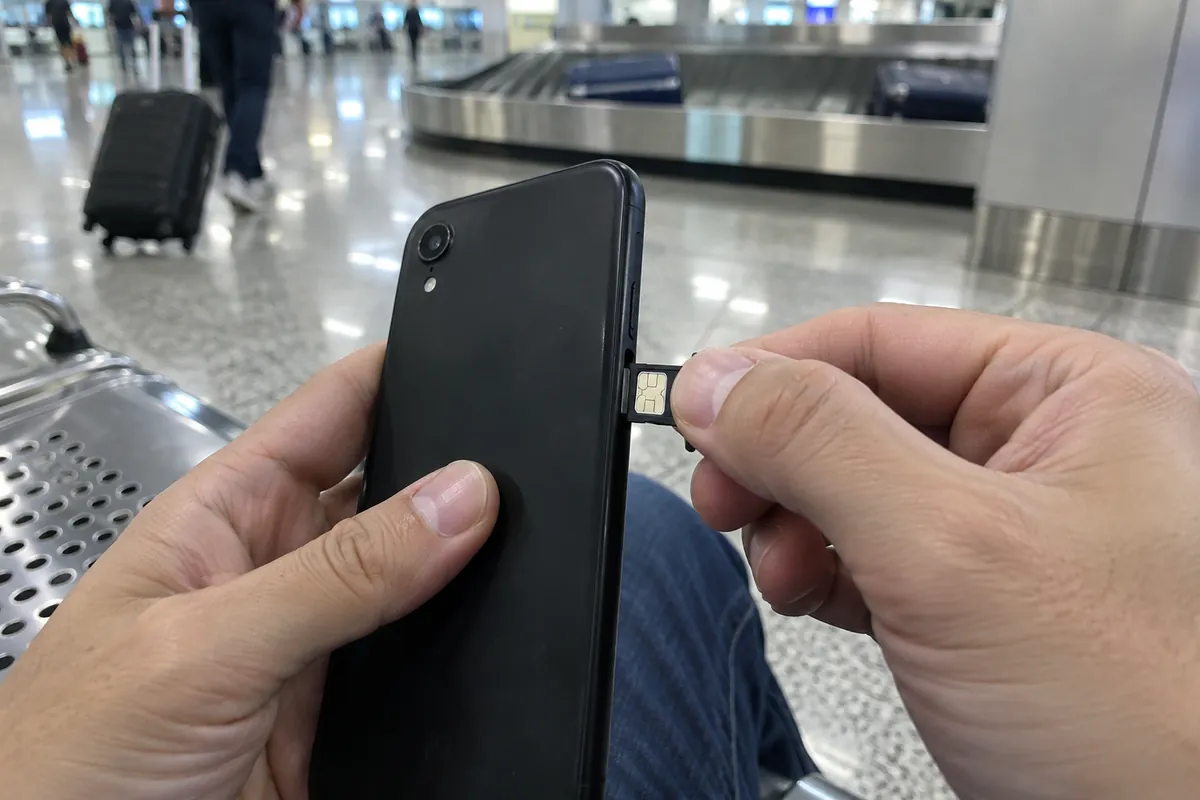
Best burner iPhone
Apple’s travel eSIM page says any iPhone from the XS and XR onward supports eSIM, as long as it isn’t carrier-locked. Two models stand out.
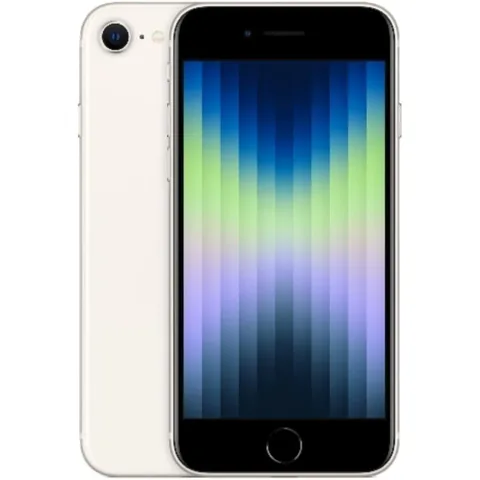
iPhone SE 3rd Gen (Renewed)Budget
The cheapest iPhone here. Unlocked, 5G-capable, and Apple lists nano-SIM plus eSIM, so it takes a travel eSIM or a local SIM.
- Listing: unlocked for all carriers, 5G capable, Renewed
- Listing: A15 Bionic chip, 4.7-inch display, Touch ID home button
The iPhone SE (3rd generation) is the cheapest iPhone that still makes sense. It has a nano SIM tray and an eSIM, a Touch ID home button and Apple’s US band set, which includes bands 3, 7 and 20. The SIM tray matters most for China, where the 16e can’t take a local SIM (see below). Apple’s US band list for the SE doesn’t show the TD-LTE bands China Mobile uses, so a China Unicom or China Telecom SIM is the safer match.
iPhone 16e (Renewed)Mid-range
Unlocked iPhone with eSIM only, so a travel eSIM installs over Wi-Fi and the SIM cannot be pulled out if the phone is snatched.
- Listing: eSIM only, no physical SIM card; global 4G LTE and sub-6 5G
- Listing: A18 chip, 6.1-inch OLED, 4,005 mAh battery, USB-C, Renewed
The iPhone 16e has no SIM tray at all. Apple says an eSIM can’t be pulled out of a lost or stolen iPhone, so a thief can’t simply swap the SIM. The catch is that you can only use carriers that sell eSIM, which rules out many airport SIM kiosks.
Basic 4G phone as a backup burner
A basic phone has no apps to compromise and a battery that lasts days. It also can’t run maps, ride-hailing apps or a VPN, and the phone you want for an emergency call must connect on 4G.
Nokia 110 4G (2024)Budget
A basic 4G phone sold with VoLTE, so it avoids the 3G-shutdown trap. International version: the listing says it will not work on AT&T or Verizon.
- Listing: Dual SIM, unlocked GSM, VoLTE, international version
- Listing: 1,450 mAh removable battery, no AT&T, Verizon or Cricket support
The Nokia 110 4G is the “International Version” of HMD’s basic phone, listed with VoLTE and two SIM slots. The listing says it works on GSM networks like T-Mobile but not on AT&T or Verizon, and it names no bands, so check the destination carrier’s device list first. Avoid basic phones sold as “3G”: they get no signal at all in the US, Japan or Australia. Avoid the regional versions of the Nokia 2660 Flip too. HMD’s spec page lists no US version and no VoLTE.
Travel phone for China: the burner case
China is the destination most people mean when they search for a travel burner. The US State Department’s advisory tells travelers to assume China’s security services can read their emails, texts and social media posts. Canada’s advisory says border officials may review the content on your devices. The European Commission has confirmed it gives burner equipment to senior officials when they travel.
Most tourists still use their own phones, and r/China threads say so. The case for a separate phone is strongest if you work in government, journalism, tech, law or business with Chinese counterparts, or if your phone holds work email you can’t afford to expose.
Redmi Note 15 4G GlobalBudget
Global-version Xiaomi for China trips, with TDD bands 38/40/41. The listing says US use is limited to T-Mobile-family networks.
- Listing: LTE 1/2/3/4/5/7/8/12/13/17/18/19/26/28/66, TDD 38/40/41
- Listing: dual-standby SIM plus microSD option, 6.77-inch 120 Hz AMOLED
The Redmi Note 15 4G Global lists LTE bands 1, 3 and 8 plus TD-LTE bands 38, 40 and 41, which together cover the 4G networks of China’s three main carriers. The listing says US use is limited to T-Mobile-family networks, so it is a China phone, not a phone for everywhere. For the computer side of a China trip, see our best burner laptop for travel guide.
Three China rules shape the setup:
- SIM cards need your passport. China’s tourism site says foreigners register a SIM in person at China Mobile, China Unicom or China Telecom with a passport. Pudong, Beijing Capital and Baiyun airports have counters. That SIM is tied to your identity.
- Most iPhones can’t use a China carrier eSIM. Apple’s China eSIM page lists only the iPhone 18 Pro, 18 Pro Max, iPhone Duo, 17e and iPhone Air. An iPhone 16e has no SIM tray either, so it can’t use a China mainland SIM at all. It can still use a roaming travel eSIM bought outside China.
- VPNs need a government license. The UK Foreign Office says VPNs must be licensed by MIIT, and Google, YouTube, Facebook and X are blocked. A roaming eSIM from a foreign provider routes data through another country. Sellers say Google apps work on one, but it is not a VPN.
In April 2018 a Shanghai press trip came with a rule from our publisher: leave the work phone in Milan. I bought a China Unicom SIM at Pudong with my passport and used a wiped spare phone with only WeChat and a maps app installed.
Burner phone at the US border
CBP searched 55,318 travelers’ electronic devices in fiscal year 2025, out of more than 419 million people it processed. That’s about 1 in 7,600 arrivals. Searches are rising fast, though: the first three quarters of fiscal 2026 already counted 52,081. About 92% are basic searches, where an officer scrolls through the phone by hand. An advanced search connects equipment to copy the contents and requires reasonable suspicion plus a senior manager’s approval.
What the CBP policy page says about your phone:
- You must present it “in a condition that allows for the examination”. A locked phone can be detained.
- Officers disconnect the phone from networks and may only look at data stored on it, not your cloud accounts.
- A US citizen who refuses to unlock can’t be refused entry but can be held for hours, and the phone can be kept for days or months. A foreign visitor’s refusal can count against admission.
Canada’s CBSA says travelers are “obligated to provide” the password when asked. A burner doesn’t change any of this. It changes what an officer finds, and what you lose if the phone is held. A common r/privacy tip is to wipe the phone before the crossing and restore it from a backup afterward. The EFF warns that an empty phone can itself draw attention, so give the burner its trip apps and a little ordinary use before you fly.
Local SIM, eSIM or roaming: what goes inside the burner
A burner is only as anonymous as its SIM, and most countries tie a SIM to a passport. The GSMA counted 147 countries that require ID to register a prepaid SIM. That list includes China, Thailand (which added face-matching checks in 2025) and Germany, where the law obliges carriers to verify every prepaid customer.
| Option | Phone number | ID check | Best for |
|---|---|---|---|
| Local prepaid SIM | Yes, local | Passport in most countries | Calls to local businesses, ride-hailing, long stays |
| Travel data eSIM | Usually no | Usually none at purchase | Short trips, maps and messaging |
| Home plan roaming | Your home number | None | Short trips on T-Mobile, Google Fi or day passes |
Japan is tightening its rules. Its 2026 law change brings data-only SIMs under identity checks too. In September 2022, the week I moved to Kyoto, a data-only SIM from a Kansai Airport vending machine needed no ID. A voice SIM with a number needed a residence card.
Phone theft: the cheap phone as a decoy
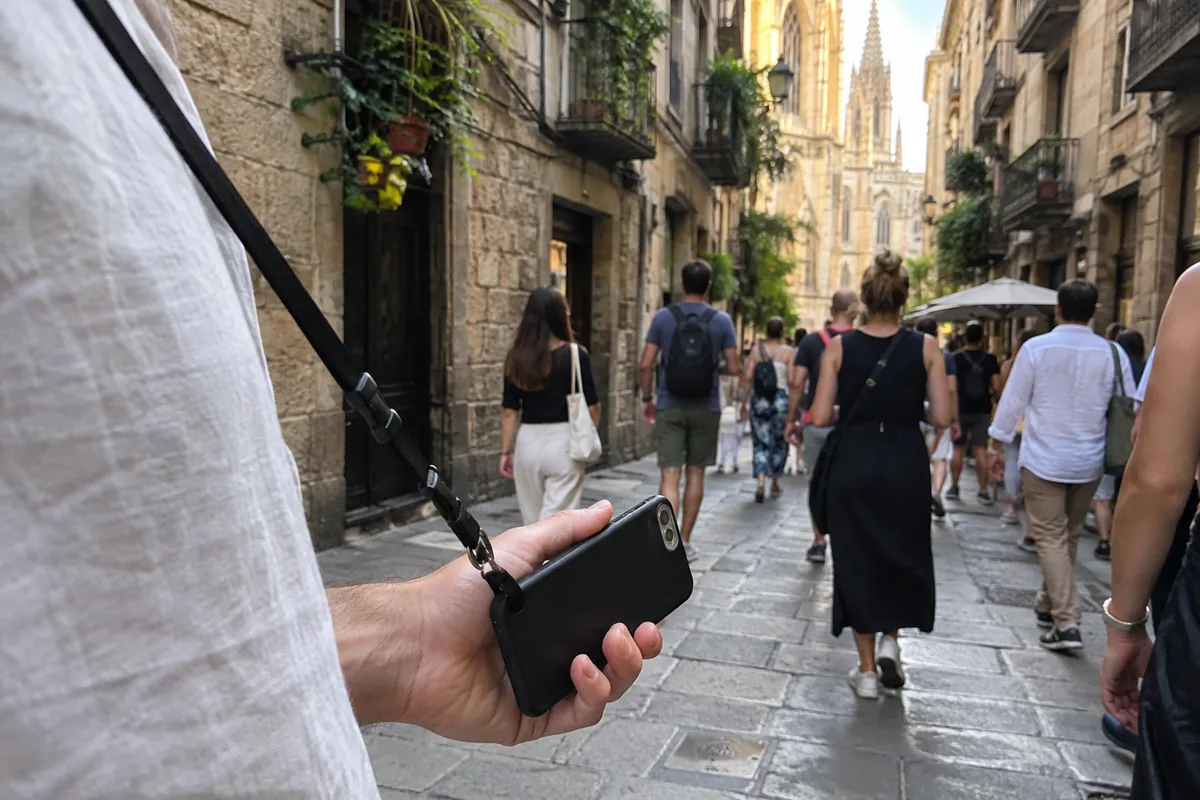
Phone theft is the most ordinary reason to carry a burner. London recorded 71,867 phone thefts and robberies in 2025, down from 81,439 in 2024, according to the Mayor of London. The State Department’s advisory for France calls pickpocketing and phone theft common in crowded places, and Barcelona police run a public lookup site for the stolen phones they recover.
The burner habit here is simple. Carry the cheap phone for maps, tickets and photos on the street, and keep the expensive one in a zipped inner pocket. Don’t leave anything sensitive in the hotel safe: AIVD notes that hotel staff can open them.
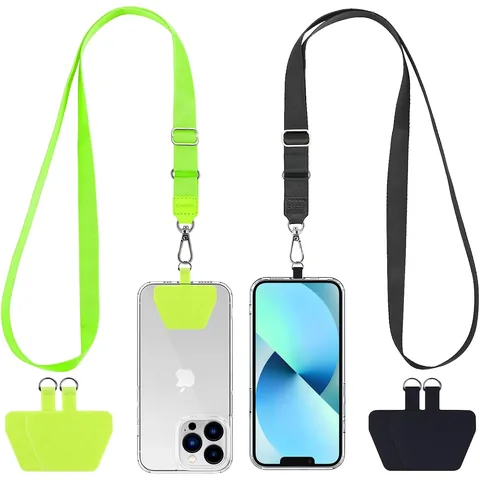
CACOE Crossbody Phone LanyardBudget
Phone snatching is common in crowded parts of London, Paris and Barcelona. A crossbody tether turns a grab-and-run into a tug.
- Listing: 2 adjustable neck straps and 4 patches in the pack
- Listing: patch sits in the charging port; fully covered cases only
A crossbody tether turns a grab-and-run into a tug. The CACOE strap clips to a patch anchored at the charging port, under the case, so it needs a case that covers the whole phone. Our anti-theft fanny pack guide covers the bag side of the same problem.
How to set up a travel burner phone
Setup decides how much a burner protects you. A secondhand phone signed into your main Google account protects nothing. Follow AIVD’s and the EFF’s advice:
1. Start from a factory reset, then install the latest system update before you travel. 2. Create a new Google account or Apple ID for the phone. Don’t sign in to your personal email, cloud photos, password manager or social media. 3. Install only what the trip needs: maps with offline areas downloaded, a translation app, a messenger, ride-hailing and the airline app. 4. Set a long passcode and turn off fingerprint and face unlock. The EFF recommends a passcode of four or five random words. 5. Power the phone off before a border checkpoint. A powered-down phone is fully encrypted until you unlock it. 6. Reset it again when you get home. Don’t connect it to work networks before the reset.
Signal and WhatsApp register with a phone number that can receive a code. A new local SIM doesn’t change the number on your existing Signal account, so if you want a separate identity on the burner, register it with the local or eSIM number.
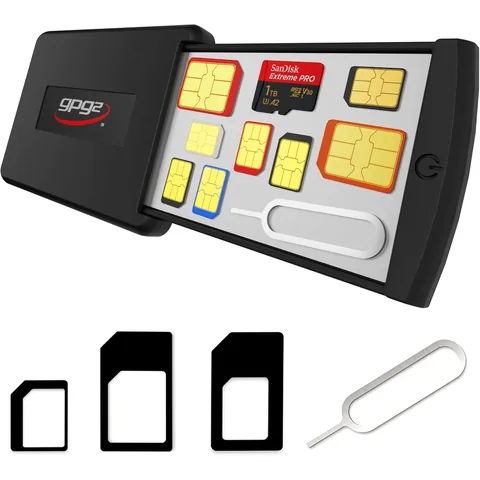 Hard SIM Card Travel CaseBudgetCheck price on Amazon
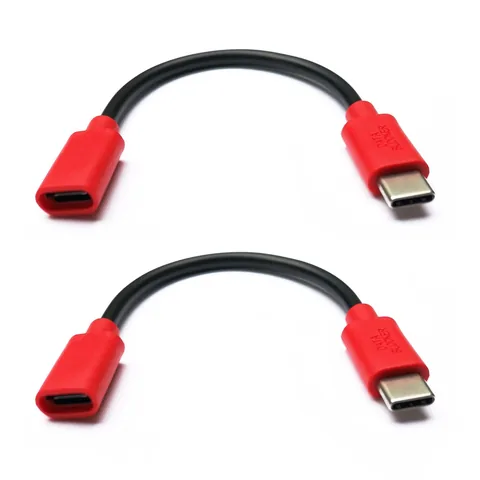 PortaPow USB-C Data BlockerBudgetCheck price on Amazon
Swapping SIMs abroad means your home SIM and its ejector pin spend the trip loose in a bag. A hard SIM case holds both, plus adapters. The PortaPow blocker sits between a public USB socket and your cable and passes power but not data, which removes the risk of a tampered charging port in an airport or hotel.
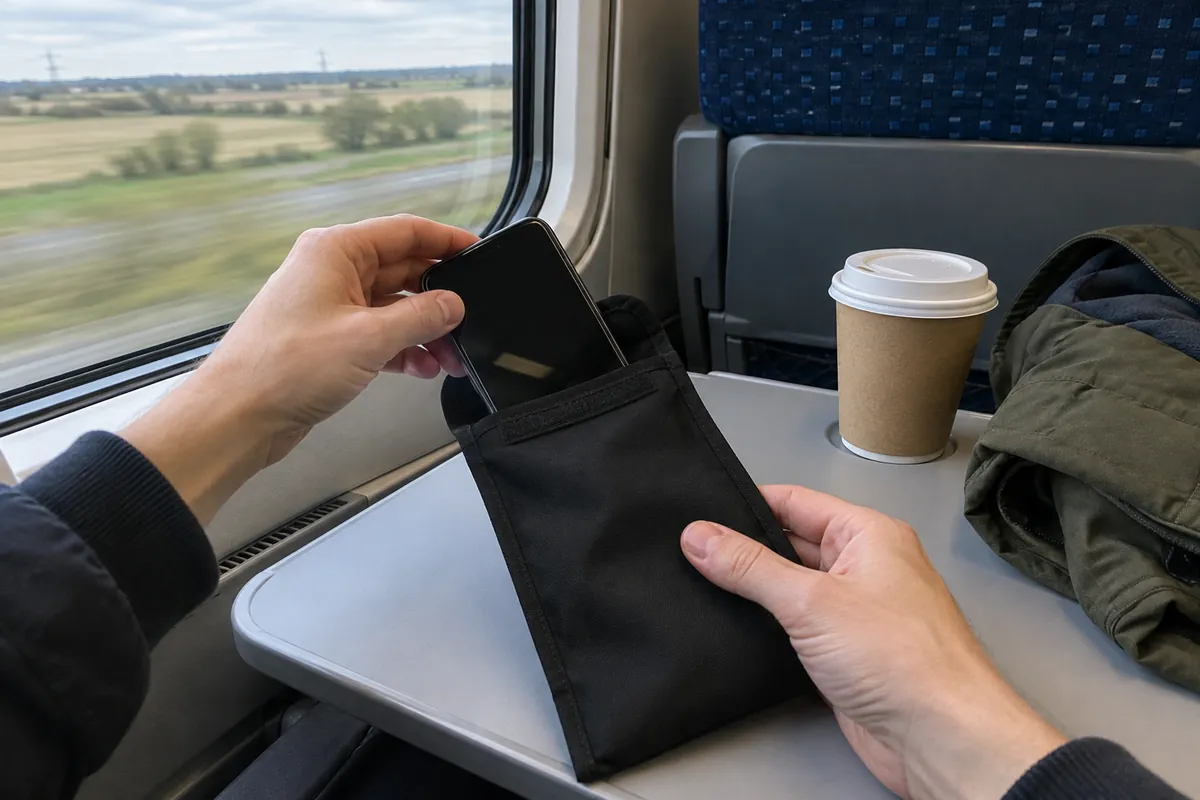
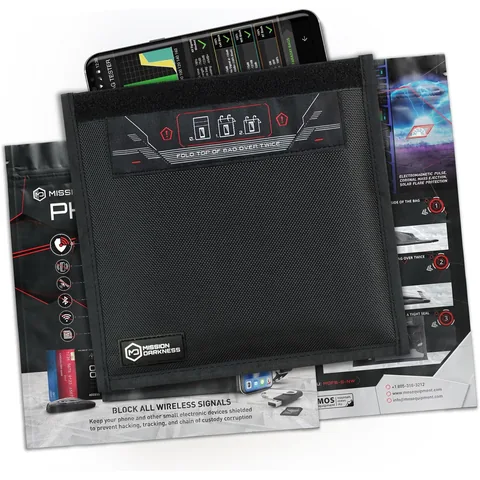
Mission Darkness Faraday BagBudget
Keeps a phone fully off the network while it is sealed inside, with no reliance on airplane mode. Test it by calling the phone in the bag.
- Listing: blocks Wi-Fi, Bluetooth, 5G, GPS and RFID signals up to 40 GHz
- Water-resistant ballistic nylon, roll-and-Velcro closure, 5.5 x 9 in inside
A Faraday bag blocks cellular, Wi-Fi, Bluetooth and GPS signals while the phone is inside. Use it when you carry your main phone into China or another country where you don’t want it to touch the network at all. For most trips, airplane mode is simpler. Emergency SOS and Find My stop working while it’s sealed. Test the bag by calling the phone inside it. Cheap bags often leak signal.
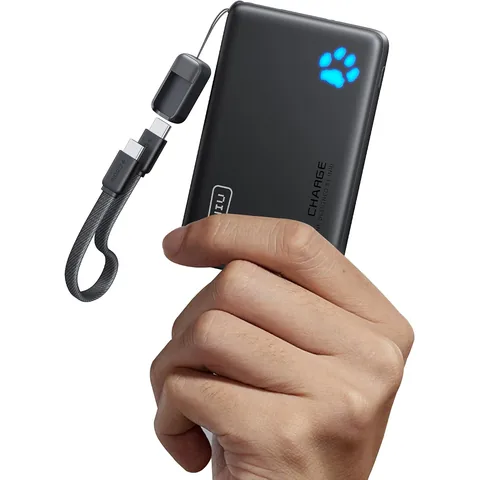
INIU 10000mAh Power BankBudget
A burner running maps and a travel eSIM drains fast. A 10,000 mAh bank fits under airline limits and rides in the carry-on.
- Listing: 10,000 mAh, 45W output, two USB-C ports plus one USB-A
- Listing: detachable USB-C cable, flashlight, 40% smaller than conventional chargers
A burner running maps and a travel eSIM all day drains fast, and a basic phone’s charger is one more cable to forget. A 10,000 mAh power bank recharges a 5,000 mAh phone about one and a half times. Power banks go in the carry-on, never in checked luggage. Our travel power bank guide covers airline limits and recalled models.
Burner phone FAQ
Can I use WhatsApp on a burner phone?
Yes. WhatsApp registers with any number that can receive a text or call, so a local SIM or an eSIM with a number works. Registering your usual number on the burner moves your account off your main phone, which defeats the point. Give the burner its own number and its own WhatsApp account, and tell the people you need to reach about the new number before you leave.
What should I do if my burner phone is stolen?
Ask the SIM's carrier to block the SIM so nobody can use your local number or prepaid credit, then erase the phone with Google's Find My Device or Apple's Find My under the trip account. A burner holds no personal email or photos, so that is most of the cleanup. Get a police report number if you plan to claim on travel insurance.
Can I buy a burner phone at the airport when I land?
In most large airports you can buy a SIM card, but rarely a phone. Airport shops that sell handsets charge more and stock few models, and you still register the SIM with your passport in most countries. Buy and set up the phone at home, where you can check the bands and install updates over your own Wi-Fi.