
Table of Contents
- Quick Answer
- What Delaware Actually Has
- First State National Historical Park, Site by Site
- The Two National Historic Trails
- Best Time to Visit
- A One-Day Itinerary Linking the Sites
- Visitor Logistics: Hours, Parking, Sleeping
- Pair It With: Nearby State Parks
- FAQ
Quick Answer
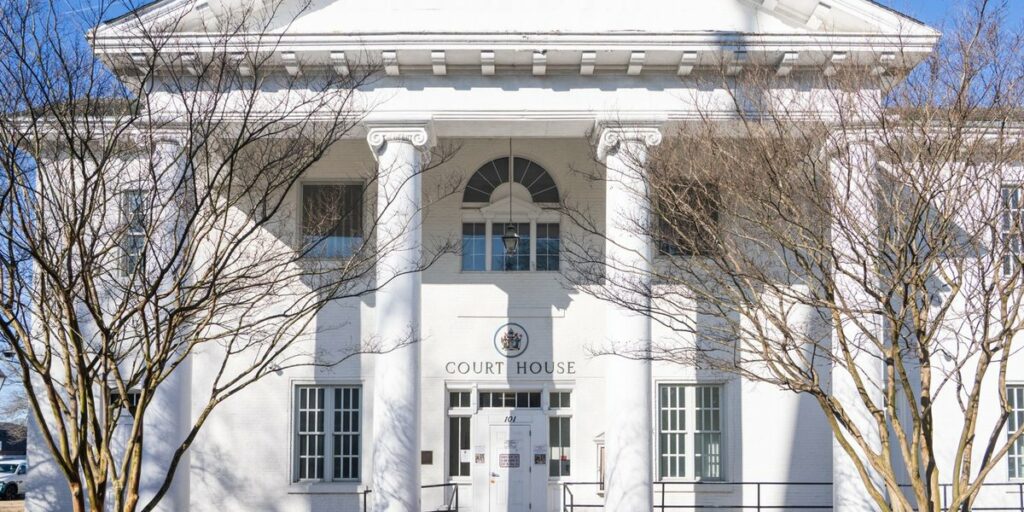
Delaware has zero units carrying the official “National Park” title — it’s one of the states that never landed on that list of 63. What it does have is First State National Historical Park, a single National Park Service unit made up of seven separate historic sites scattered from Wilmington down to Lewes, plus two National Historic Trails that pass through on their way to somewhere else. No entrance gate, no single visitor experience — you’re piecing together a state’s founding story one courthouse and one church at a time.
That’s not a consolation prize. It’s a different kind of trip, and most people planning around the words “national park” don’t realize it until they’re already looking at a map.
What Delaware Actually Has
The confusion is fair. “National Park” gets used as a catch-all for anything the NPS runs, but it’s actually one specific designation out of twenty-some types the agency manages — national monuments, national historic sites, national seashores, and so on. Delaware’s entry is a National Historical Park, which is its own category: a park built around human history rather than scenery, usually spread across multiple non-contiguous locations tied together by a theme.
First State National Historical Park started as First State National Monument, proclaimed in March 2013. Congress upgraded it to a National Historical Park in December 2014, folding in existing sites rather than building anything new. That history matters for visitors: this was never designed as one destination with a parking lot and a welcome sign. It’s a curated list of places that already existed, now managed under one name.
First State National Historical Park, Site by Site
Seven components make up the park, and they’re not clustered — the northernmost and southernmost sites are roughly a two-hour drive apart. Each one earns its place on a different part of Delaware’s story: Dutch and Swedish settlement, colonial governance, the plantation economy, and the drafting of the state’s founding documents.
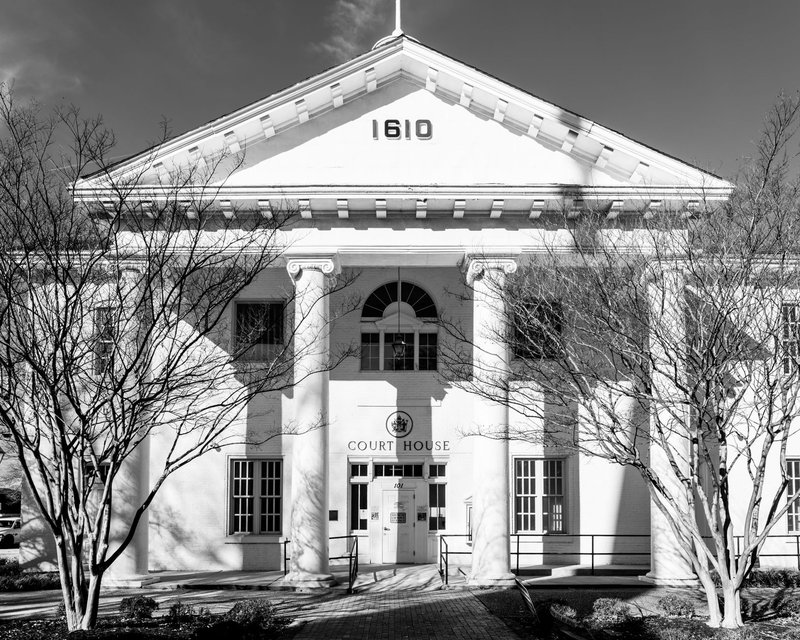
New Castle Court House Museum — Built in 1732, this is where Delaware’s colonial assembly met and where the circular boundary that gives Delaware its odd, arc-shaped border with Pennsylvania was surveyed from. It’s the most complete, walk-in-and-tour site in the park.
The Green, Dover — Not a building but a public square, laid out in 1683 under William Penn’s orders. Delaware ratified the U.S. Constitution here in December 1787, becoming the first state to do so — the source of the park’s name.
John Dickinson Plantation — A working 18th-century plantation just outside Dover, home to the “Penman of the Revolution” who drafted much of Delaware’s early constitution. The site interprets both Dickinson’s political legacy and the lives of the enslaved people who worked the land.
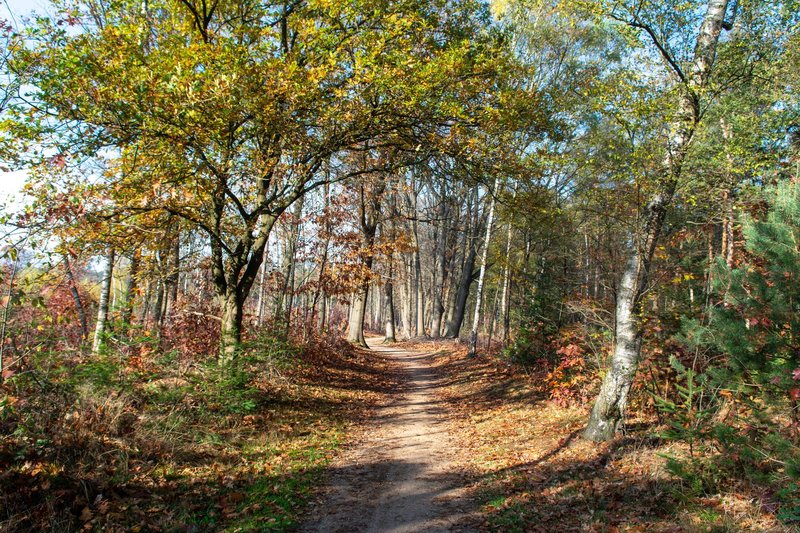
Woodlawn / Beaver Valley — A 1,100-plus-acre tract of rolling farmland and forest along the Pennsylvania line, donated by the Woodlawn Trustees. This is the outlier in the group: no historic building tour, just trails through land William Penn once considered for his own estate.
Fort Christina — A small park in Wilmington marking the 1638 landing site of the first permanent Swedish settlement in North America — the actual founding of the “First State” before it was a state.
Old Swedes (Holy Trinity) Church — A working Lutheran-turned-Episcopal church in Wilmington, consecrated in 1699 and still holding services, making it one of the oldest churches in the U.S. still used for its original purpose.
Ryves Holt House — Delaware’s oldest surviving dwelling, in downtown Lewes, dating to around 1665.
| Site | Location | What you actually do there | Drive from Wilmington | Drive from Dover |
|---|---|---|---|---|
| New Castle Court House | New Castle | Guided tour, colonial architecture | ~10 min | ~45 min |
| Fort Christina | Wilmington | Short walk, monument, riverside park | In city | ~50 min |
| Old Swedes Church | Wilmington | Self-guided church tour, cemetery | In city | ~50 min |
| Beaver Valley (Woodlawn) | Near Pennsylvania line | Hiking, no interior tour | ~15 min | ~1 hr |
| The Green, Dover | Dover | Walk the square, plaques, nearby museums | ~50 min | In city |
| John Dickinson Plantation | Dover area | Guided tour, farm buildings | ~55 min | ~10 min |
| Ryves Holt House | Lewes | Short self-guided visit | ~1 hr 40 min | ~50 min |
The Two National Historic Trails
Beyond the seven-site park, two federally designated National Historic Trails cut through Delaware without stopping for it — the state is a chapter in a much longer story.
The Captain John Smith Chesapeake National Historic Trail traces roughly 3,000 miles of waterways Smith and his crew mapped between 1607 and 1609, and it follows the Delaware Bay shoreline along the state’s southern edge. There’s no single trailhead — access points are boat launches, water trails, and interpretive markers along the bay, aimed at paddlers and boaters more than hikers.
The Washington-Rochambeau Revolutionary Route National Historic Trail retraces the 1781 march of Continental and French forces from Rhode Island to Yorktown — the campaign that ended the Revolutionary War. The route runs through Wilmington and Christiana, marked today by roadside signage rather than a maintained footpath. You’re driving the trail, not walking it.
Neither trail has a visitor center or an entrance fee. Both reward people who already know the history going in — there’s minimal on-site interpretation, and the payoff is mostly in knowing what you’re looking at.
Best Time to Visit
Spring (April–May) and fall (late September–October) are the window most locals would tell you to take, and for the same reason it works everywhere in the mid-Atlantic: humidity drops, the outdoor sites (Beaver Valley especially) stop being a sweat-through-your-shirt proposition, and the indoor sites keep normal hours without holiday closures.
Summer works fine for the building tours — they’re air-conditioned — but Beaver Valley’s trails get buggy and exposed by midday. Winter cuts hours at several sites; New Castle Court House and John Dickinson Plantation both trim their open days between December and February, so check current hours before building a winter trip around them.
A One-Day Itinerary Linking the Sites
Nobody hits all seven sites in a day — the geography doesn’t allow it — but the three northern sites cluster tightly enough to do in one loop, and it’s the itinerary none of the standard guides lay out.
Start at New Castle Court House Museum in the morning; it opens early and a guided tour runs under an hour. From there, it’s a ten-minute drive into Wilmington for Old Swedes Church and Fort Christina, both walkable from the same parking area near the Wilmington riverfront — budget ninety minutes for both. Close the day at Beaver Valley, fifteen minutes northwest, for a two-to-three-hour hike before the light goes.
That’s a full day covering three centuries of settlement without touching the highway for more than twenty minutes at a stretch. Dover and Lewes are their own separate trip — pairing John Dickinson Plantation with The Green in Dover makes a solid half-day on its own, ideally combined with lunch in downtown Dover.
Visitor Logistics: Hours, Parking, Sleeping
None of the seven sites charge an entrance fee — that’s consistent across the whole park. Parking is free and unmetered at every location, though New Castle’s historic district lots fill up during weekend festivals, so arrive before 11 a.m. on those dates if you’re headed there on a Saturday.
The park’s main visitor contact point is the Sheriff’s House at 10 Market Street in New Castle, which handles orientation and staffing information for the whole park rather than any single site running its own front desk.
Here’s the part that catches people off guard: there’s no lodging or camping inside the park boundary at any of the seven sites. This isn’t a backcountry park with a campground — it’s historic buildings and a forest tract, and you sleep somewhere else. New Castle and Wilmington both have standard hotel options within a few miles of their respective sites; Dover has chains near Route 13; Lewes, being a beach town, books up fast in summer and is worth reserving weeks ahead.
Pair It With: Nearby State Parks
If camping or longer outdoor time is the point of the trip, Delaware’s state park system is the better fit, and a few sit close enough to First State’s units to combine in one visit. Brandywine Creek State Park borders the Beaver Valley tract directly — trails connect the two properties, so you can hike from NPS into state park land without noticing the boundary. Cape Henlopen State Park, near Lewes, has camping, a beach, and World War II-era bunkers, and it’s a five-minute drive from Ryves Holt House. Fort Delaware State Park, reached by ferry from Delaware City, adds a Civil War-era fort to a trip that starts at New Castle Court House twenty minutes away.
FAQ
Does Delaware have any national parks? No. Delaware has no unit carrying the official “National Park” designation. It has First State National Historical Park (a different NPS category) and portions of two National Historic Trails.
What’s the closest actual National Park to Delaware? Shenandoah National Park in Virginia, roughly a three-hour drive from Wilmington. Assateague Island National Seashore, closer at about two hours, is a National Seashore rather than a National Park — another commonly confused designation.
Is First State National Historical Park free to visit? Yes, at every one of the seven sites. No entrance fee, no timed-entry reservation.
Can you camp at First State National Historical Park? No on-site camping at any of the seven components. Brandywine Creek State Park and Cape Henlopen State Park, both nearby, have developed campgrounds.
How long does it take to see the whole park? Realistically two separate trips: one day for the Wilmington/New Castle cluster (New Castle Court House, Fort Christina, Old Swedes, Beaver Valley), and a second half-day for Dover (The Green, John Dickinson Plantation) plus a detour to Lewes for Ryves Holt House if the coast is already on the itinerary.