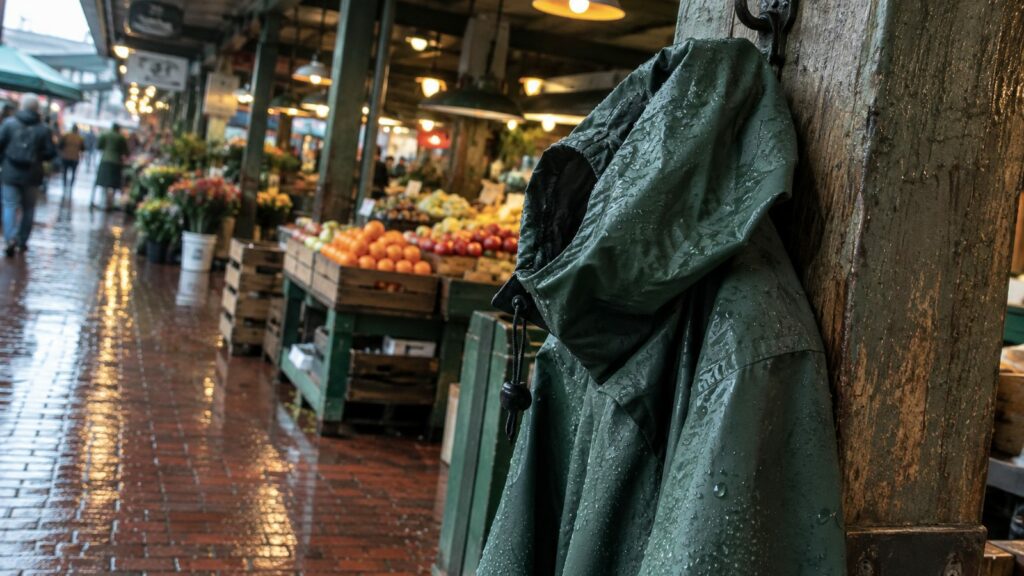
The umbrella is the item first-time visitors most often pack for Seattle, and the one locals rarely carry. The city gets about 39 inches of rain a year, less than New York, but spreads it over roughly 155 wet days, most of it drizzle pushed sideways by wind off Puget Sound. A hooded jacket handles that.
So what to pack for Seattle comes down to two things: the month, and how far from downtown you go. A ferry deck, a snowfield at Paradise and a Ballard bar on the same trip each ask for something different, so this Seattle packing list starts with one core bag and adds to it by area.
What to pack for Seattle: one core bag, four add-ons
Every Seattle trip, in any month, starts with the same core:
- a waterproof jacket with a hood;
- one warm mid layer (fleece, wool sweater or a thin puffer);
- shoes that stay dry on wet, steep sidewalks;
- jeans or casual pants, which work for nearly every restaurant in town.
Then add by area:
- Ferry crossings: a hat and something windproof, even in August.
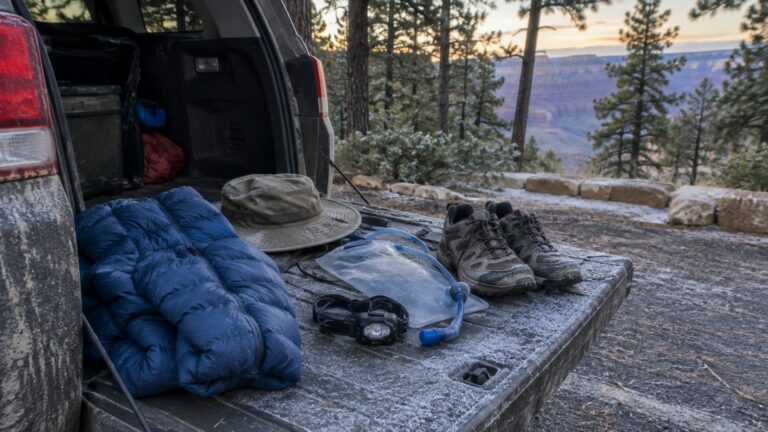
- Mount Rainier or the Olympics: traction for snow until mid-July, a headlamp and real hiking layers.
- A Seahawks or Sounders game: a clear bag no bigger than 12 by 6 by 12 inches.
- An Alaska cruise departure: a carry-on day bag for embarkation, because checked luggage goes ahead to your cabin.
The core bag: shell, layers and grip
A hood beats an umbrella
Between October and March, Seattle averages 14 to 19 days a month with measurable rain. Most of those days bring a fine, steady drizzle rather than a downpour, which is why a breathable shell with a hood works better than an umbrella. On Reddit’s r/AskSeattle, the advice for visitors repeats almost word for word: pack a rain jacket, skip the trench coat and skip the umbrella, because the wind turns umbrellas inside out on the hills.
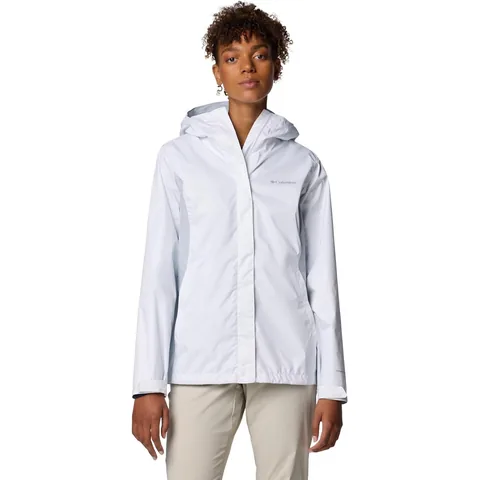
Columbia Arcadia IIMid-range
Seattle gets 14 to 19 rain days a month from October to March, mostly wind-blown drizzle that a hooded shell handles better than an umbrella.
- Waterproof, breathable Omni-Tech shell with adjustable storm hood
- Packs into its hand pocket for dry-day carry
Layers instead of one heavy coat
Winter in the city is damp, not frigid. January highs sit around 48 F and lows near 38 F, so a sweater or fleece under a shell is warmer than a big wool coat that soaks through. Locals add a second point: a down puffer loses most of its warmth when wet, so wear it under the shell, not over everything.
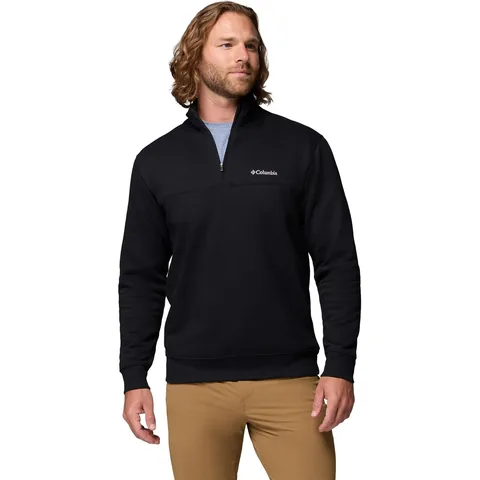
Columbia Hart Mountain IIMid-range
January highs sit near 48 F and ferry decks stay cool even in July; a half-zip mid layer goes under the shell in winter and alone on summer evenings.
- Sueded fleece feel in a cotton and polyester blend
- Half-zip lets you vent or close up for wind
Shoes for wet hills
The walk from Pike Place Market up to Capitol Hill is a long, steady climb, and Queen Anne Avenue North is steep enough that Visit Seattle suggests the 2 or 13 bus from Seattle Center instead. Wet brick, painted crosswalks and steel plates in the street get slick. Leave the canvas sneakers and heels at home and bring a waterproof walking shoe or light hiker with a grippy sole. Rain boots are more than the city needs.
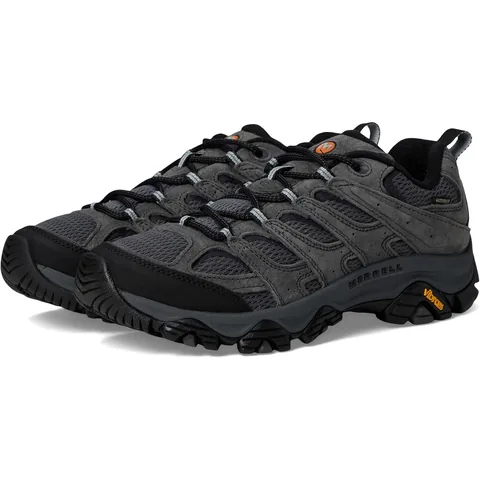
Merrell Moab 3 WaterproofMid-range
The climbs from Pike Place to Capitol Hill and up Queen Anne are steep and wet most of the year; a waterproof shoe with a lug sole keeps grip and dry socks.
- Waterproof membrane seals out water and lets moisture escape
- Vibram TC5+ outsole for traction on loose and wet surfaces
Downtown, Pike Place Market and the waterfront
This is where a first day in Seattle usually goes, on foot. Pike Place Market is open every day except Thanksgiving and Christmas, the produce and fish stalls open first, and by midday the aisles are shoulder to shoulder. A cross-body bag or small backpack worn on the front is easier than a tote in that crowd.
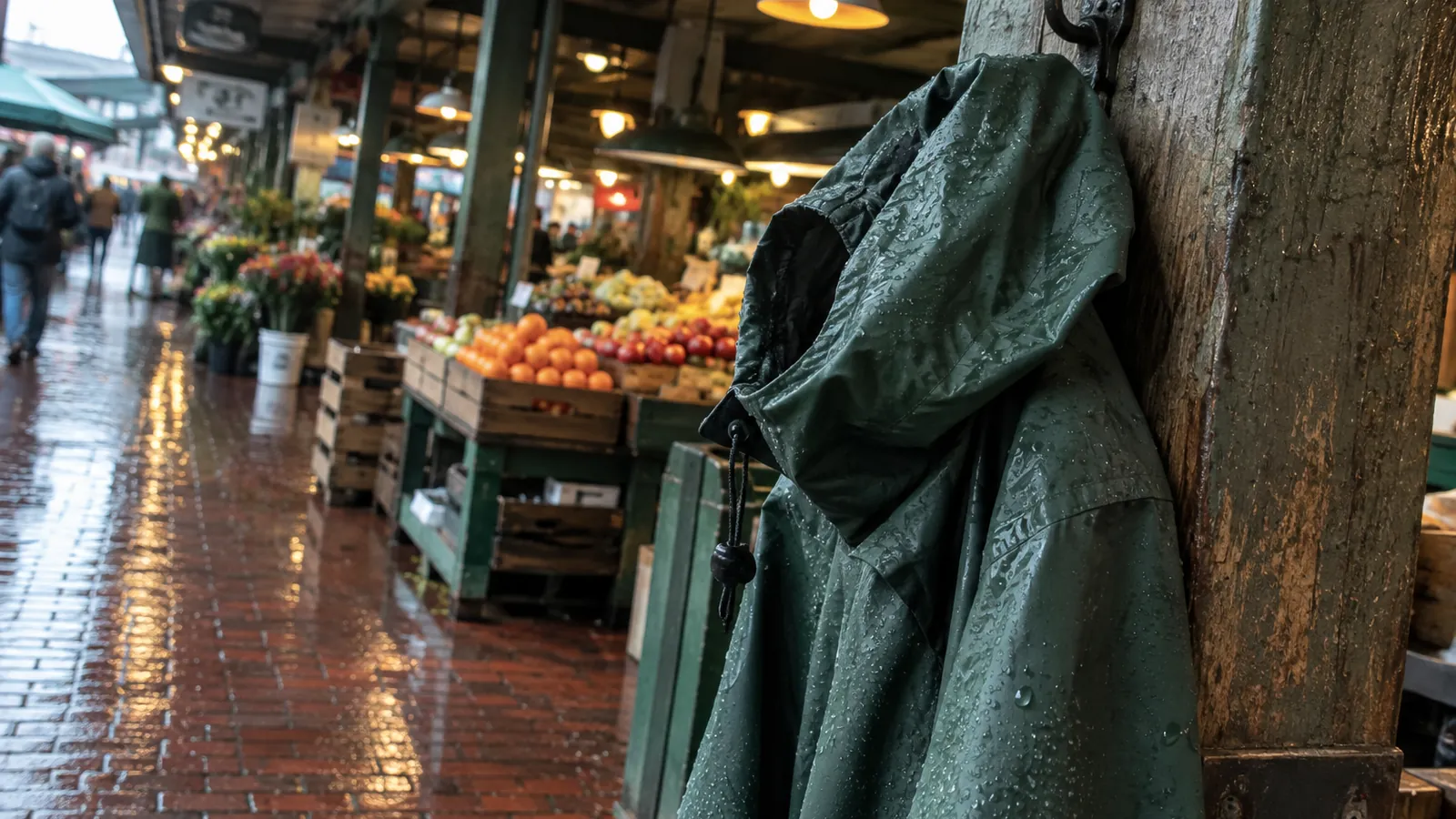
The Pike Street Hillclimb and the Overlook Walk are the two ways most people get between the market and the waterfront below it. Count on wet steps for most of the year. If you plan to ride the Seattle Great Wheel or walk the piers to the aquarium, an extra layer helps; the waterfront is a few degrees cooler and much windier than the streets two blocks up.
The Space Needle screens every guest and bag, and large bags are turned away. Small backpacks and purses are fine, and there is a free two-hour bag check at the base. The observation deck is partly open-air, so the wind you felt on the waterfront follows you up.
A small dry sack in the day bag keeps the phone, a spare pair of socks and a charging cable dry through a day of drizzle between the market, the piers and the ferry dock.
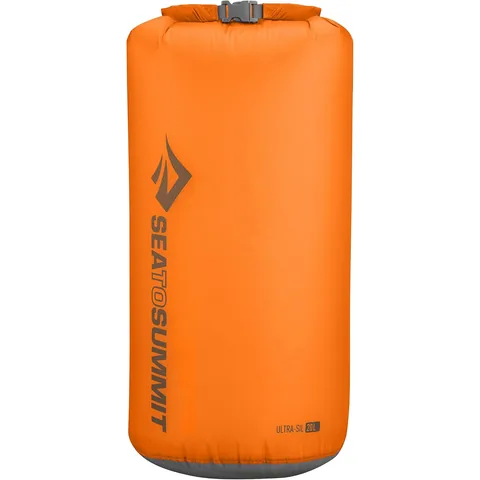
Sea to Summit Ultra-Sil Dry SackMid-range
A full day on foot in the drizzle between the market, the waterfront and the ferry dock soaks phones and spare socks in an ordinary daypack.
- Ultralight roll-top waterproof sack
- Compact stuffable size
Game day in SoDo
Lumen Field, home of the Seahawks, Sounders and Reign, admits only clear plastic or vinyl bags up to 12 by 6 by 12 inches, a one-gallon freezer bag or a small clutch up to 4.5 by 6.5 inches. T-Mobile Park next door sets its own rules for Mariners games, so check the team site before you pack a backpack. Both stadiums sit a short walk from Stadium station on Link light rail, so you can leave the hotel with only the clear bag.
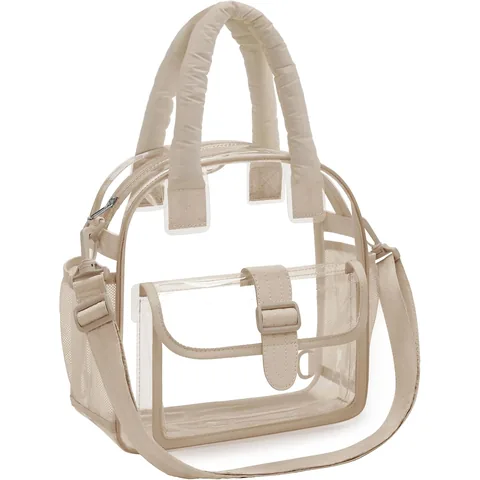
BAGSMART Clear Stadium BagBudget
Lumen Field admits only clear bags up to 12 by 6 by 12 inches at Seahawks, Sounders and Reign games.
- Clear 12 x 6 x 12 stadium-approved design
- Carries handheld, crossbody or on the shoulder
Lumen Field has open sides and a roof that covers most seats but not all of them. For a November game, wear the rain shell and a warm hat; umbrellas are allowed only if they do not block anyone’s view.
On the ferry to Bainbridge Island
The Washington State Ferries run from Colman Dock on the downtown waterfront to Bainbridge Island in about 35 minutes. Walk-on passengers need to be aboard five minutes before departure. The boats have heated indoor cabins and open outer decks, and the outer decks are where the views of the skyline and, on clear days, Mount Rainier are.
On a March crossing in 2014 I stood at the bow in a cotton hoodie. Spray and drizzle soaked it through before Bainbridge was in sight, and it stayed damp until dinner.
Even in July, with downtown near 77 F, the wind on the water makes the outer deck feel like a different season. Wear a beanie and a windproof shell on the outer deck, plus gloves from October to April. Harbor seals, sea lions and occasionally orcas surface along the route, so a small pair of binoculars earns a place in the day bag.
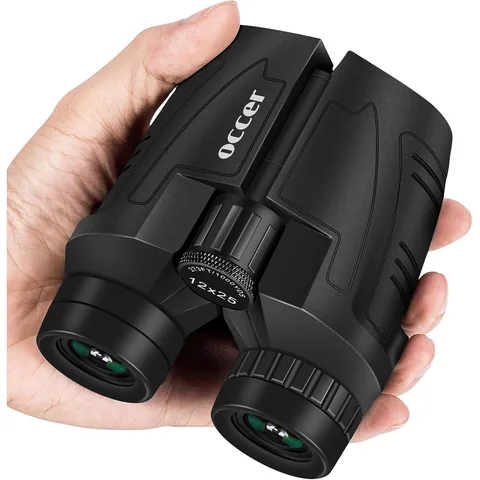 Occer 12x25 BinocularsBudgetCheck price on Amazon
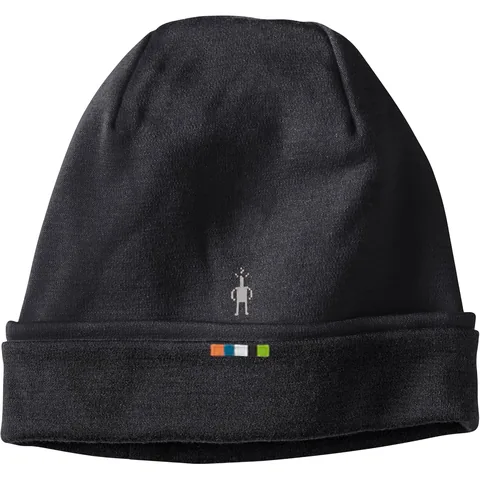 SmartWool Merino BeanieMid-rangeCheck price on Amazon
There is no public Wi-Fi on board. Download the ferry schedule and the Bainbridge walking map before you leave the terminal.
Mount Rainier and the Olympic Peninsula
A day trip to Paradise on Mount Rainier or to Hurricane Ridge in Olympic National Park is a different trip from the city, and it needs a different bag. Paradise sits at 5,400 feet. Normal July days there run from 44 F at dawn to 64 F in the afternoon, and January days from 21 F to 33 F. The park reports snow at 5,000 to 8,000 feet until mid-July.
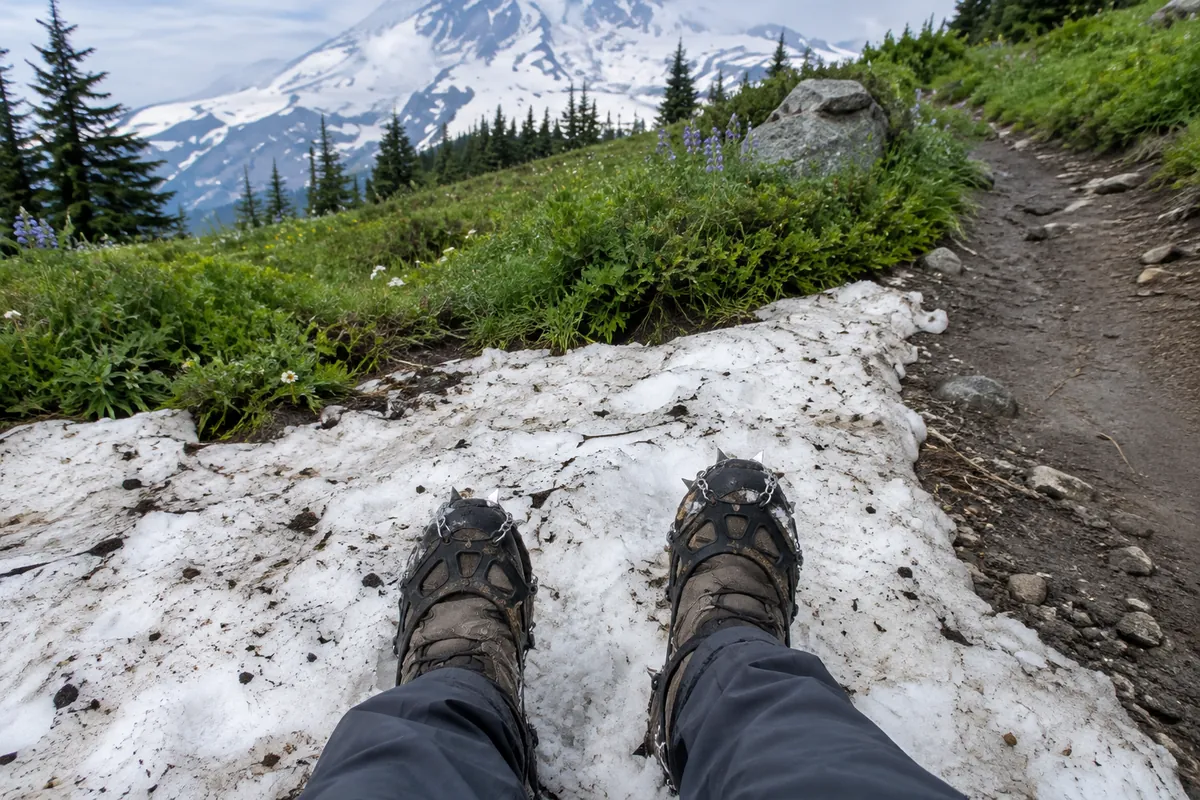
At the end of June 2016 the Skyline Trail above Paradise was still mostly snow. I turned back at the first steep patch past Myrtle Falls in running shoes while people with strap-on spikes walked on up.
Strap-on traction makes those snow patches walkable for a day hiker. It is not mountaineering gear and is useless on deep snow, but it handles the packed, icy trail sections that stay into early summer.
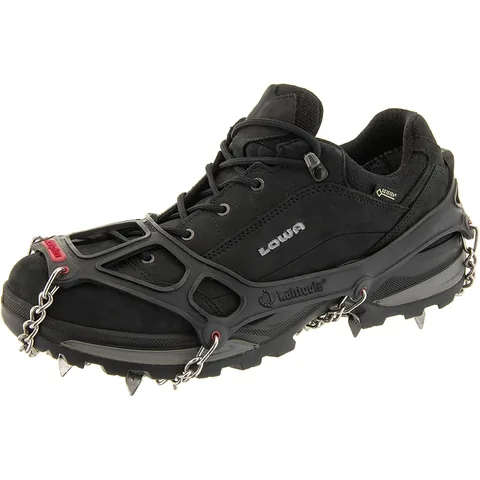
Kahtoola MICROspikesPremium
The Park Service reports snow at 5,000 to 8,000 feet on Mount Rainier until mid-July; Paradise sits at 5,400 feet.
- Stainless steel spikes bite into packed snow and ice
- Slip over hiking boots or shoes in seconds
The National Park Service asks every hiker to carry the Ten Essentials, even on short sightseeing walks: navigation, a headlamp, sun protection, first aid, a knife, fire, shelter, extra food, extra water and extra clothes. Most of the park has no cell coverage, so download offline maps. Snowfields reflect sunlight, so sunglasses and sunscreen matter more here than they do in the city.
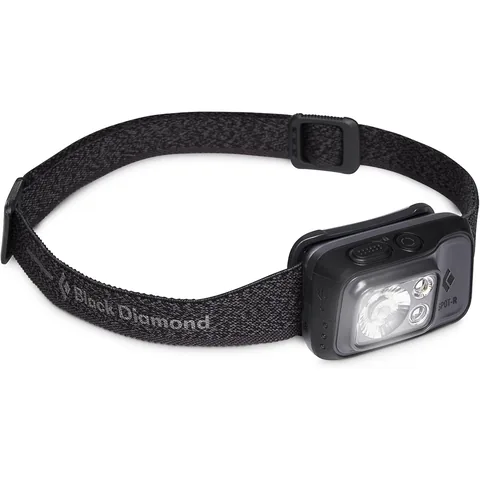 Black Diamond Spot 400-RMid-rangeCheck price on Amazon
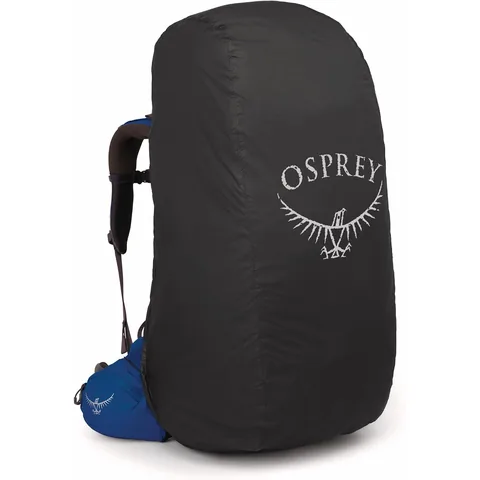 Osprey Ultralight RaincoverMid-rangeCheck price on Amazon
From November 1 to May 1, every vehicle entering Mount Rainier National Park must carry tire chains or approved traction devices, whatever the forecast and whether or not it has all-wheel drive. Rental companies often ban chains, so ask at the counter or rent from a company that allows them.
The Olympics add a rain forest. The Hoh Valley gets well over 100 inches of rain a year, and the trails stay muddy even in summer. Hurricane Ridge, by contrast, can switch from sun to strong wind and snow in an afternoon; in winter its road opens Friday to Sunday only, weather permitting. Call the road line at 360-565-3131 before you drive out.
Capitol Hill, Ballard and Fremont after dark
Seattle dresses down. Jeans are fine at most fine-dining rooms and at the symphony, and a suit tends to mark someone as a visitor in town for a conference. A clean pair of dark jeans, a sweater and the same waterproof shoes you walked in all day will cover nearly every restaurant, brewery and bar.
What changes at night is the temperature. Even on an 80 F August afternoon, evenings in Ballard or on the Fremont waterfront can drop into the high 50s once the sun sets over Puget Sound. A packable vest that rolls into a pocket of the day bag solves it.
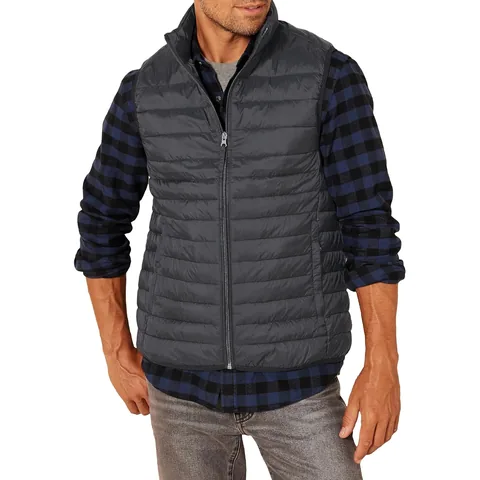
Amazon Essentials Packable Puffer VestBudget
Summer evenings in Ballard and Fremont drop into the 50s after sunset; the vest packs into its own pocket in a day bag.
- Water-resistant nylon shell with insulated, quilted fill
- Packs into its inner zip pocket
Capitol Hill is steep from downtown. East Olive Way is the shorter climb compared with the Pike-Pine corridor, and Link light rail stops at Capitol Hill station if the hill is too much after a long day.
Before or after an Alaska cruise
Seattle’s 2026 cruise season runs from mid-April to October, with 330 ship calls from Pier 66 downtown and Pier 91 at Smith Cove. According to the Port of Seattle, 53% of cruise passengers stay in the city before or after sailing, for 1.7 nights on average, so the city bag and the cruise bag overlap.
Keep the rain jacket, layers and a swimsuit in a carry-on for embarkation day; checked bags reach the cabin hours later. Pier 66 is within walking distance of Pike Place Market, so an early arrival can store bags and walk up for lunch. Port Valet, new for 2026, sends luggage from the ship to Seattle-Tacoma International Airport after the cruise, so you can walk off the ship and spend the day in the city without bags. The full ship list is on our cruise packing list.
Seattle weather by month, and what to wear in each
Seattle has two seasons that matter for a suitcase: a dry summer from July to September and a long wet stretch from October to May. The figures are 1991-2020 normals measured at Seattle-Tacoma International Airport, 13 miles south of downtown.
| Month | High °F / °C | Low °F / °C | Rain days | What to wear |
|---|---|---|---|---|
| Jan | 48 / 9 | 38 / 3 | 19 | Fleece or puffer under a shell, hat; drizzle most days |
| Feb | 50 / 10 | 38 / 3 | 16 | Waterproof shell over fleece; damp, cold mornings |
| Mar | 54 / 12 | 40 / 4 | 17 | Rain shell, fleece, waterproof shoes; showers likely |
| Apr | 59 / 15 | 43 / 6 | 15 | Light jacket plus shell; layers for changeable days |
| May | 66 / 19 | 49 / 9 | 11 | Tee plus fleece, light shell; evenings cool |
| Jun | 71 / 22 | 53 / 12 | 9 | Light layers; shell stays in the day bag |
| Jul | 77 / 25 | 57 / 14 | 5 | Shorts and tee days; sweater for the water |
| Aug | 78 / 25 | 57 / 14 | 5 | Shorts days; fleece for ferry and evenings |
| Sep | 72 / 22 | 54 / 12 | 8 | Layers return; shell for first fall rains |
| Oct | 60 / 16 | 47 / 8 | 14 | Rain jacket, sweater, waterproof shoes |
| Nov | 52 / 11 | 41 / 5 | 18 | Heavy rain gear, warm layers, boots |
| Dec | 47 / 8 | 37 / 3 | 18 | Warm layers under a shell, hat; dark by 4:30 pm |
What to wear in Seattle in January
January is the darkest stretch of the year, with 19 days of rain and daylight around eight and a half hours. Pack a warm insulated jacket under or with a shell, a hat, gloves and waterproof shoes.
What to wear in Seattle in February
Expect raw mornings near 38 F that warm only to about 50 F. A fleece or wool sweater under a shell, plus a beanie, covers most days. Rain falls on about 16 days, three fewer than in January.
What to wear in Seattle in March
March brings showers that come and go within an hour, often with sun between them. Wear layers you can take off: a long-sleeve base, a fleece and a shell. Daylight saving time adds an hour of evening light from the second Sunday of the month.
What to wear in Seattle in April
Highs climb to the upper 50s, and the cherry trees on the University of Washington Quad usually finish blooming in the first week or two. Bring a light jacket for the afternoons and keep the shell for rain on about half of the days. The first cruise ships arrive in mid-April.
What to wear in Seattle in May
May is when T-shirts come out in the afternoon, with highs around 66 F, but mornings and evenings stay near 50 F. Pack a tee, a fleece and the shell. Mountain trails are still under snow, so a Rainier day trip in May means the visitor center and the plowed lots, not a hike.
What to wear in Seattle in June
June often starts gray and cool enough that locals call it Juneuary, with morning clouds that tend to clear by afternoon. Pack light layers and keep the rain shell in the day bag. Evenings stay light until after 9 p.m., so plan a sweater for late dinners outdoors.
What to wear in Seattle in July
July is the driest month, with about five rain days and highs near 77 F. Shorts, T-shirts and sunglasses are enough in town, but a sweater still goes in the bag for the ferry and the waterfront after sunset. Seafair weekend, with the Blue Angels over Lake Washington, usually falls on the first weekend of August, so pack a sun hat for the lakeside crowds.
What to wear in Seattle in August
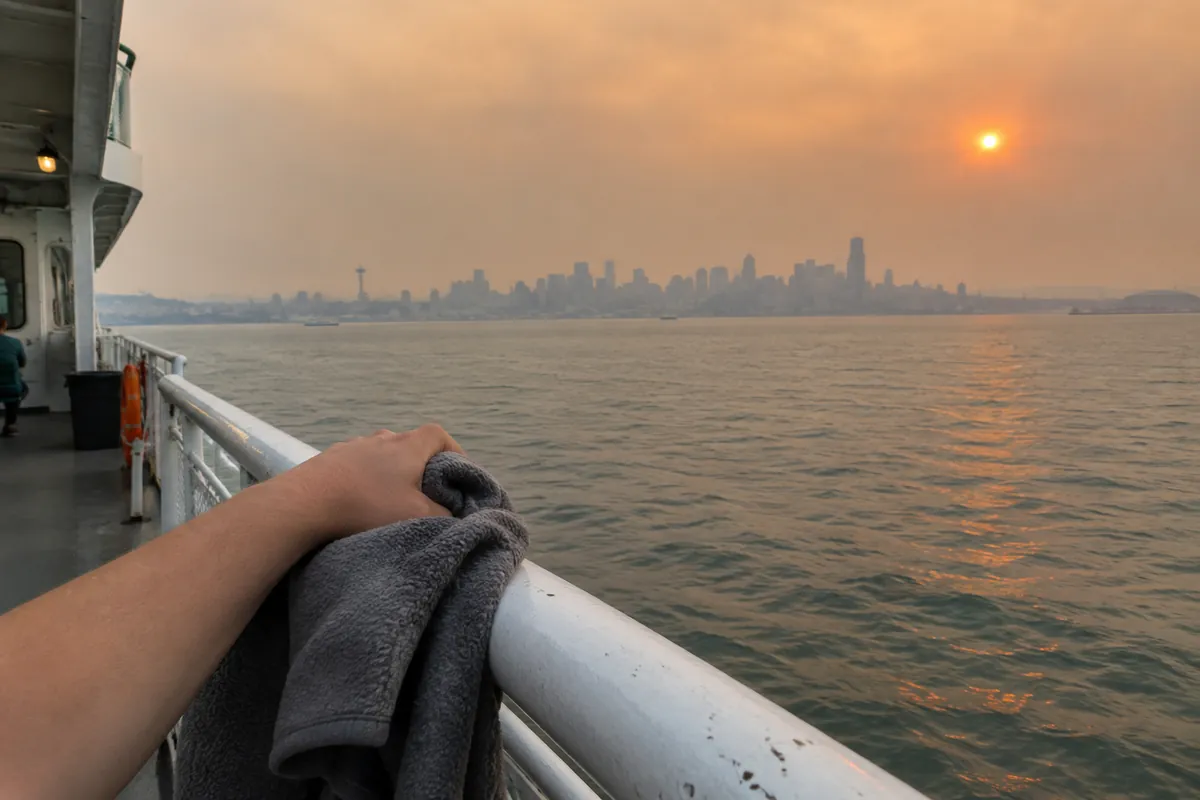
August matches July for warmth and dryness and is the most likely month for wildfire smoke from fires in Washington, Oregon or British Columbia. Check the air quality forecast the day before; on smoky days a fitted N95 respirator makes outdoor walking easier.
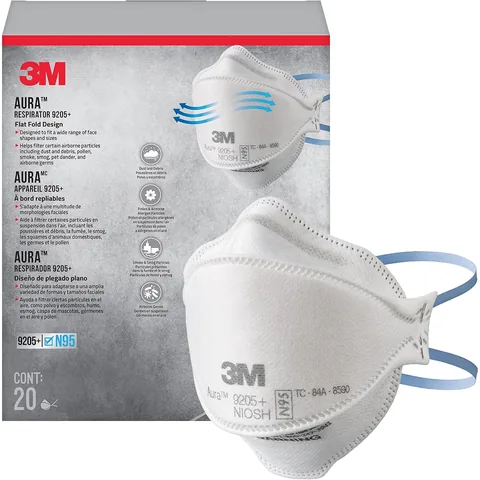
3M Aura N95 RespiratorsBudget
Wildfire smoke from Washington, Oregon or British Columbia can reach Puget Sound from July to September.
- Pack of 20 folding N95 respirators
- Three-panel flat-fold design that fits in a bag
What to wear in Seattle in September
September keeps most of summer’s warmth, with highs around 72 F and eight rain days. It is the best month for a dry Rainier hike, since the trails are clear of snow. Bring layers for cooler nights and the rain shell for the first autumn showers late in the month.
What to wear in Seattle in October
The rain returns in October, with about 14 wet days and highs falling from the mid-60s to the mid-50s across the month. A waterproof jacket, a sweater and shoes that keep water out matter again. Fall color on Capitol Hill and in the Washington Park Arboretum peaks in the middle of the month.
What to wear in Seattle in November
November is the wettest month, with more than six inches of rain at the airport. Autumn wind storms also bring down branches and power lines around the region. Pack the warmest shell you own, a fleece, a hat and waterproof shoes, and plan indoor days at the museums for the heaviest rain.
What to wear in Seattle in December
December days are short, with sunset before 4:30 p.m. around the solstice. Pack a warm jacket, layers, a hat and gloves for evenings at the holiday markets, plus a headlamp if you plan any mountain drive. Highs hover near 47 F, and rain falls on about 18 days.
The Seattle packing list, item by item
This packing list for Seattle fits a four- to seven-day trip. Drop the mountain group if you are staying in the city.
Clothes
- Hooded waterproof rain jacket skip the umbrella
- Fleece or half-zip mid layer
- Packable vest or thin puffer wear it under the shell
- 2 long-sleeve tops
- T-shirts (June to September)
- Dark jeans or casual pants fine for most restaurants
- Shorts (July and August)
- Wool or synthetic socks, one spare pair a day
- Warm beanie ferry decks
- Light gloves (October to April)
Footwear
- Waterproof walking shoes or light hikers
- A second pair of shoes to rotate while one dries
Day bag
- Small backpack or cross-body bag large bags refused at the Space Needle
- Dry sack for phone and socks
- Compact binoculars ferry and waterfront
- Refillable water bottle
- Phone charging cable and battery
- ORCA card or a tap-to-pay card for Link light rail
Mountains (Rainier and Olympic)
- Strap-on traction spikes (until mid-July)
- Headlamp
- Pack rain cover
- Sunglasses and sunscreen for snow glare
- Offline maps (little cell coverage)
- First aid kit, snacks and extra water
- Tire chains for the car (November 1 to May 1)
Season and events
- N95 respirators (July to September smoke)
- Clear stadium bag Lumen Field
- Sun hat (July and August)
- Swimsuit for the hotel pool or a cruise
Toiletries and documents
- Lip balm and hand cream
- Any prescriptions in the carry-on
- Photo ID; a REAL ID or passport for US flights
Five things Seattle visitors can skip
- An umbrella: most hotels keep loaners at the front desk, and the wind and crowds make them more trouble than help.
- Rain boots: heavy rain in the city is rare enough that waterproof walking shoes are better.
- Formal clothes and high heels: few places expect them, and the hills punish heels.
- A large backpack for game day or the Space Needle: both turn them away.
- Heavy winter gear from June to September: unless you plan to hike at Paradise, the city stays mild.
- Plugs
- Type A and B, 120 V (standard US outlets) Source
- Airport to downtown
- Link light rail, about 40 minutes from SEA to Westlake; tap a contactless card or an ORCA card Source
- Ferry to Bainbridge
- About 35 minutes from Colman Dock; walk-ons aboard 5 minutes before sailing; no public Wi-Fi Source
- Space Needle bags
- All bags screened; large bags not allowed; free two-hour bag check Source
- Lumen Field bags
- Clear bags up to 12 x 6 x 12 in, a one-gallon freezer bag or a clutch up to 4.5 x 6.5 in Source
- Mount Rainier tire chains
- Required in every vehicle, including AWD rentals, November 1 to May 1 Source
- Mount Rainier hiking
- Carry the Ten Essentials; most of the park has no cell coverage Source
- Hurricane Ridge in winter
- Road open Friday to Sunday, weather permitting; road line 360-565-3131 Source
- Cruise luggage
- Port Valet (new in 2026) moves bags from the ship to Sea-Tac Airport Source
Seattle packing FAQ
Do I need a car in Seattle?
Not for the city. Light rail, buses, the monorail and the ferries reach the airport, downtown, Capitol Hill, the University District, Seattle Center and Bainbridge Island. A car, or a tour, is the practical way to reach Mount Rainier, the Olympic Peninsula or the Cascades, since none of them has direct transit from downtown. Downtown hotel parking adds up quickly, so many visitors rent a car only for the mountain days.
Does it snow in Seattle?
Rarely enough that it makes the news. The city sees a few inches in an average winter, usually in one or two events between December and February, and it melts within a day or two. Seattle has few snowplows and steep streets, so even an inch can close schools and slow buses; on those days a pair of shoes with real tread matters more than a heavier coat.
What is the best month to visit Seattle?
July through mid-September is the driest and warmest stretch, with highs in the 70s, long days and the mountain trails mostly clear of snow. It is also the busiest time, with cruise passengers in town on most weekends. Late September and early October keep mild weather with fewer crowds, and April and May bring blossoms and lower hotel demand at the cost of more rain.
Can you see Mount Rainier from Seattle?
Yes, on clear days. The mountain stands about 60 miles southeast of downtown, and locals say the mountain is out when it shows. The best city views are from Kerry Park on Queen Anne, the Space Needle deck and the Bainbridge ferry. From October to May, clouds hide it on most days, so plan a clear-weather viewpoint visit for the morning you see it.
Can I pack for Seattle with only a carry-on?
Yes, for most trips. Wear the waterproof shoes and the rain jacket on the plane and pack a mid layer, two or three tops, one pair of dark jeans and a second pair of shoes, since Seattle restaurants rarely expect anything dressier. Strap-on spikes and a headlamp for a Rainier day both fit in a carry-on, and Link light rail runs from the airport to downtown without a taxi.