A regular backpack is barred at the Statue of Liberty pedestal, has to go to the checkroom at MoMA and can’t enter the New Year’s Eve viewing pens in Times Square. The Empire State Building, Madison Square Garden and Yankee Stadium have no storage at all. When you work out what to pack for New York City, the rules at the door count as much as the weather.
This New York packing list starts with the three mistakes visitors make and the fix for each.
- Bringing a backpack. Carry a small crossbody or zip tote that fits under a theater seat.
- Dressing for the outdoor temperature alone. Wear layers you can take off and carry, because a 28°F street leads straight into a warm subway car.
- Packing new or thin-soled shoes. Walking days reach 20,000 steps, and in winter the crosswalks turn to slush.
Going in a particular month? Jump to January, February, March, April, May, June, July, August, September, October, November or December.
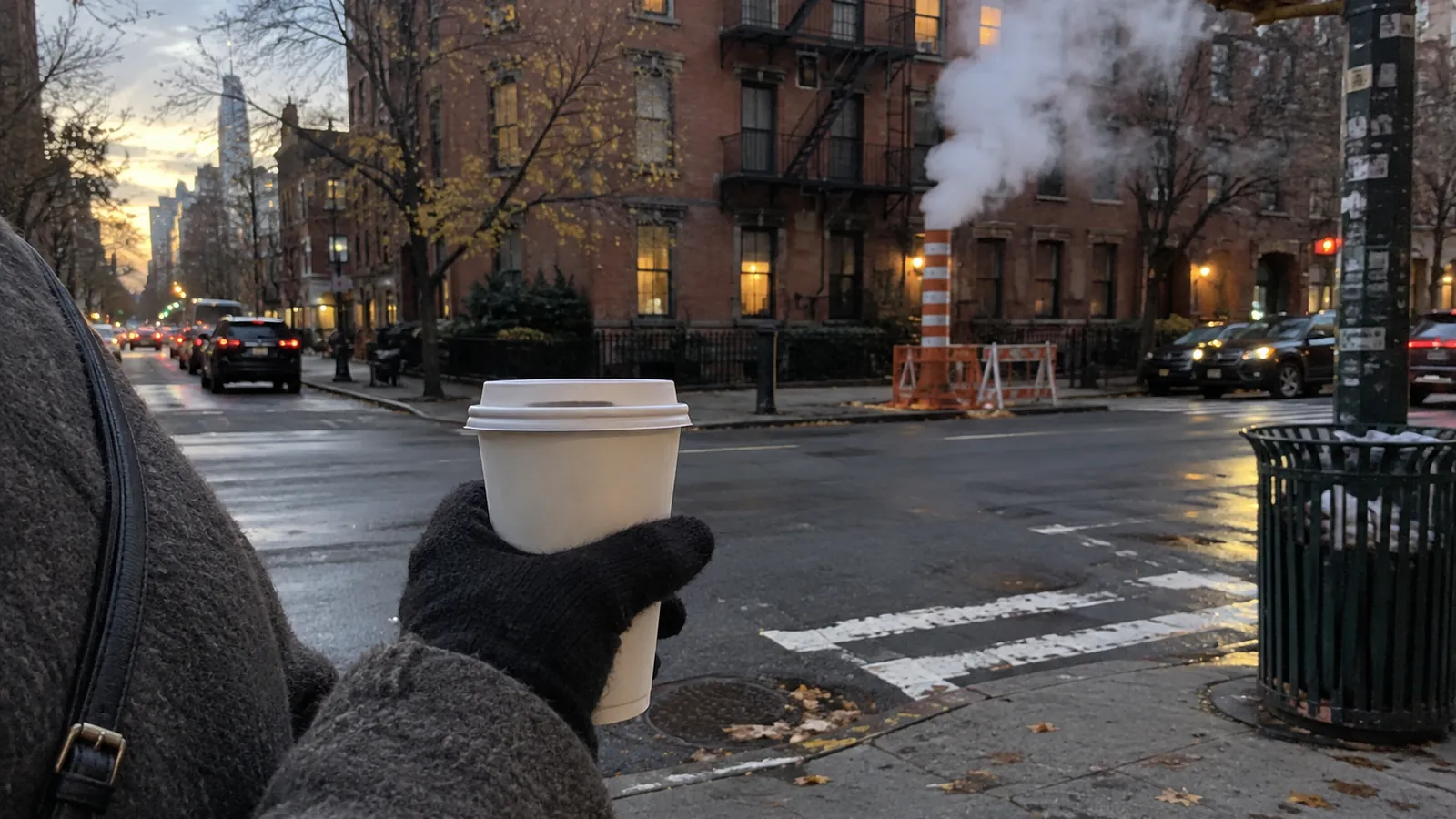
Mistake 1: Bringing a backpack to a city that keeps refusing it
Almost every big New York attraction screens bags, and each one sets its own limit. Very few offer a place to leave what fails. This is what the major stops allow:
| Place | Bag rule | If yours fails |
|---|---|---|
| Statue of Liberty pedestal | No backpack-style bags, drawstring bags included. No tripods or large non-folding umbrellas | Monument lockers, quarters only, 2-hour limit |
| Statue crown | Only a camera, phone, medication and water in a clear plastic container | Same lockers |
| 9/11 Memorial and Museum | Nothing over 19 x 17 x 8 in | Coat room for backpacks; staff can refuse large items |
| Empire State Building | No large bags, suitcases or carry-ons | No lockers or storage |
| The Met | Small backpacks only, worn on the front or carried by hand | Coat check does not take large bags or luggage |
| MoMA | All backpacks stay out of the galleries | Checkroom, which can refuse bags when full |
| Broadway theaters | Must fit on your lap or fully under the seat. Rules vary by theater | Varies; some items must be checked |
| Madison Square Garden | Up to 22 x 14 x 9 in, and it must fit under the seat | No bag check or storage |
| Yankee Stadium | Soft-sided up to 16 x 16 x 8 in | No storage |
| US Open | Up to 12 x 12 x 16 in. Backpacks barred except single-compartment drawstring bags. Confirm on usopen.org before you go | Paid storage outside the East Gate |
| Times Square on New Year’s Eve | No backpacks, large bags, umbrellas or chairs | None |
Note the clash: the drawstring bag that gets you into the US Open is the one the Statue pedestal rejects. A small, flat, non-backpack bag passes at all of them except the crown.
The Statue needs the most planning. The ferry operator allows backpacks on board, but the National Park Service bars large packages and luggage at screening, and there are no lockers at either screening site. What you surrender is not returned. Carry a small bag and leave the suitcase at the hotel.
In October 2011 I lost most of a lunch break to the MoMA checkroom line because of a work backpack. The following week I bought a flat tote from a street stall on Canal and kept it for the rest of my time in the city.
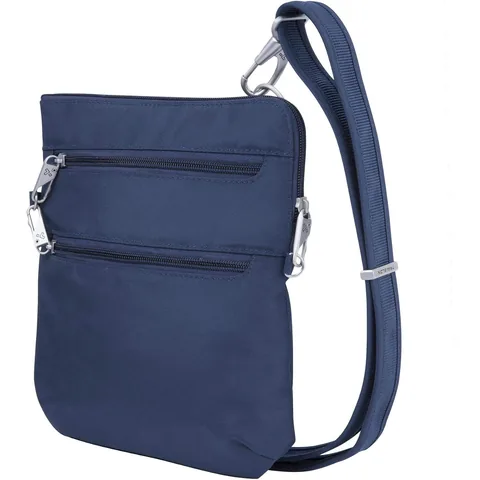
Travelon Slim Double Zip CrossbodyMid-range
The Statue pedestal bars backpack-style bags and MoMA checks backpacks; a slim 1-inch-deep crossbody fits under a Broadway seat.
- Slash-resistant construction with locking zippers
- 9 x 10.5 x 1 in with adjustable shoulder strap
A slim crossbody also keeps your phone in front of you on a crowded platform. Our New York City safety map covers the neighborhoods where visitors do need to pay attention.
Three small things solve the other door problems. The Statue pedestal accepts water only in a clear plastic bottle, not metal or glass, and Yankee Stadium allows an empty non-glass bottle up to 24 oz. A compact folding umbrella gets past the pedestal rule on large non-folding ones. The Met prohibits use of its electrical outlets, so a travel power bank keeps the map and ticket apps running.
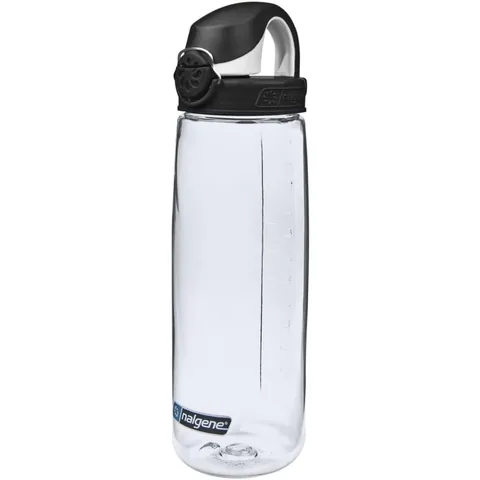 Nalgene 24 oz On The Fly (Clear)BudgetCheck price on Amazon
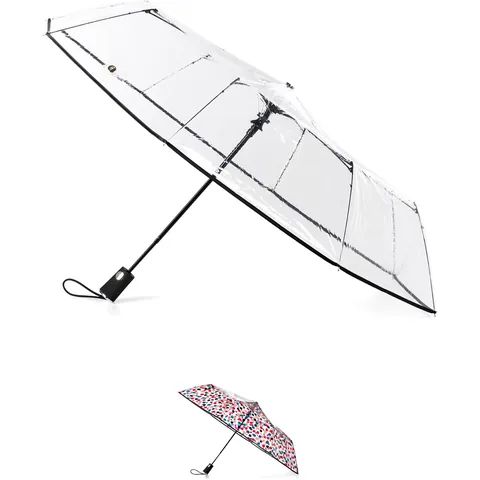 totes Compact Auto Open UmbrellaBudgetCheck price on Amazon
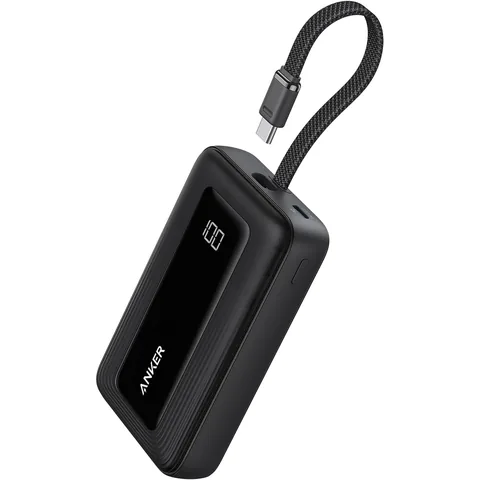 Anker 10,000mAh 30W Power BankBudgetCheck price on Amazon
Mistake 2: Dressing for the outdoor temperature alone
New York’s cold and heat are both interrupted every few minutes. In January the street may be 28°F with wind running down the avenue, while the subway car and the theater lobby are warm enough to make a parka unbearable. In July the order flips: 85°F on the street, hotter on the platform, then a museum or shop cold enough that NYC Tourism tells visitors to carry a cardigan.
The fix is a thin layer plus an outer shell you can remove and carry. Everything else in the bag should work with that.
- Winter: a thermal top, a sweater and a coat with room for both. A tip on Reddit’s r/travel is to pick wool or synthetics over cotton because winter cold here is damp.
- Spring and fall: a sweater under a waterproof jacket. There are 9 to 12 rain days in every month of the year, so a rain layer belongs in the bag in all seasons.
- Summer: the lightest shirt you own, plus a scarf or cardigan folded in your tote.
The day Central Park reached 104°F in July 2011, I waited for a downtown train at Union Square in a cotton shirt that was soaked through by the time it arrived. I then sat in an office kept near 68°F until the shirt dried on me.
Skip the poncho. NYC Tourism says a single-use one marks you as a visitor, and a jacket that packs into its own pocket does the same job on the ferry and on a cold deck.
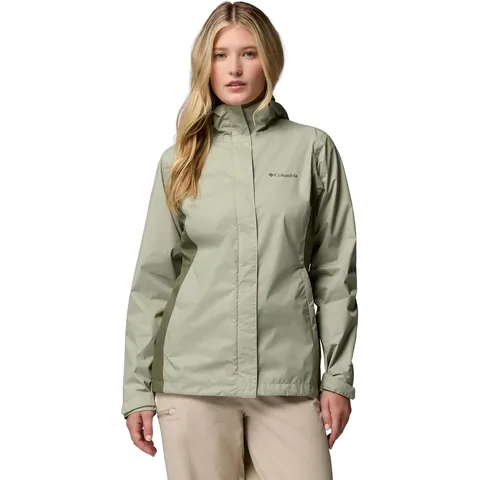 Columbia Arcadia II (women's)Mid-rangeCheck price on Amazon
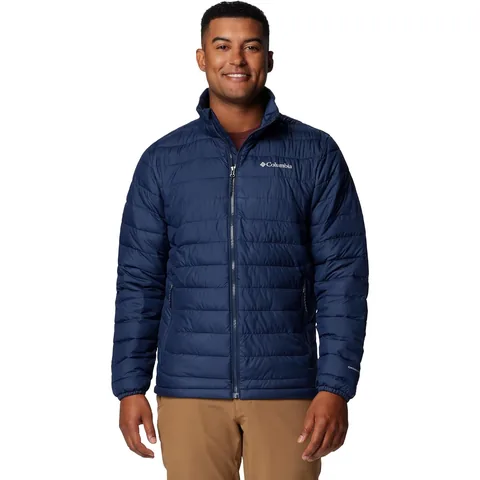 Columbia Powder Lite II (men's)Mid-rangeCheck price on Amazon
Mistake 3: Packing shoes that have never walked 20,000 steps
NYC Tourism tells visitors to leave behind any shoe that can’t take 20,000 steps a day, which is about nine miles of concrete. Many subway stations are stairs only, and the Statue crown adds 162 steps in a tight spiral with no elevator. Wear new shoes for a week at home before you fly. Another r/travel tip: leave the heels behind, since people here walk everywhere and ride the subway in flats.
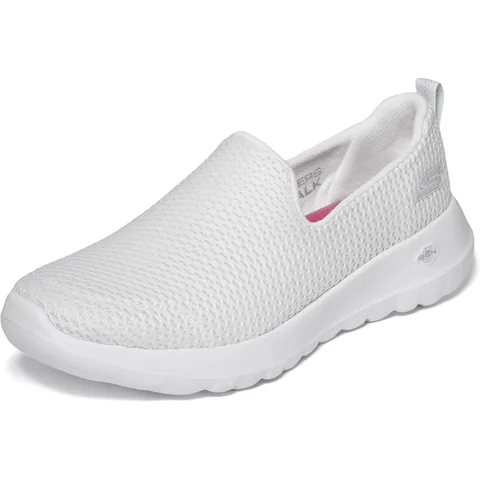
Skechers Go Walk Joy (women's)Mid-range
NYC Tourism says to leave behind any shoe that cannot handle 20,000 steps a day, so wear these in before you land.
- Goga Max high-rebound insole and 5GEN cushioning
- Machine-washable slip-on with breathable mesh upper
Winter adds a second test. Salt, grey slush and meltwater pool at the corners where you step off the curb, and that puddle is often deeper than it looks. A waterproof boot with a real tread beats a fashionable one.
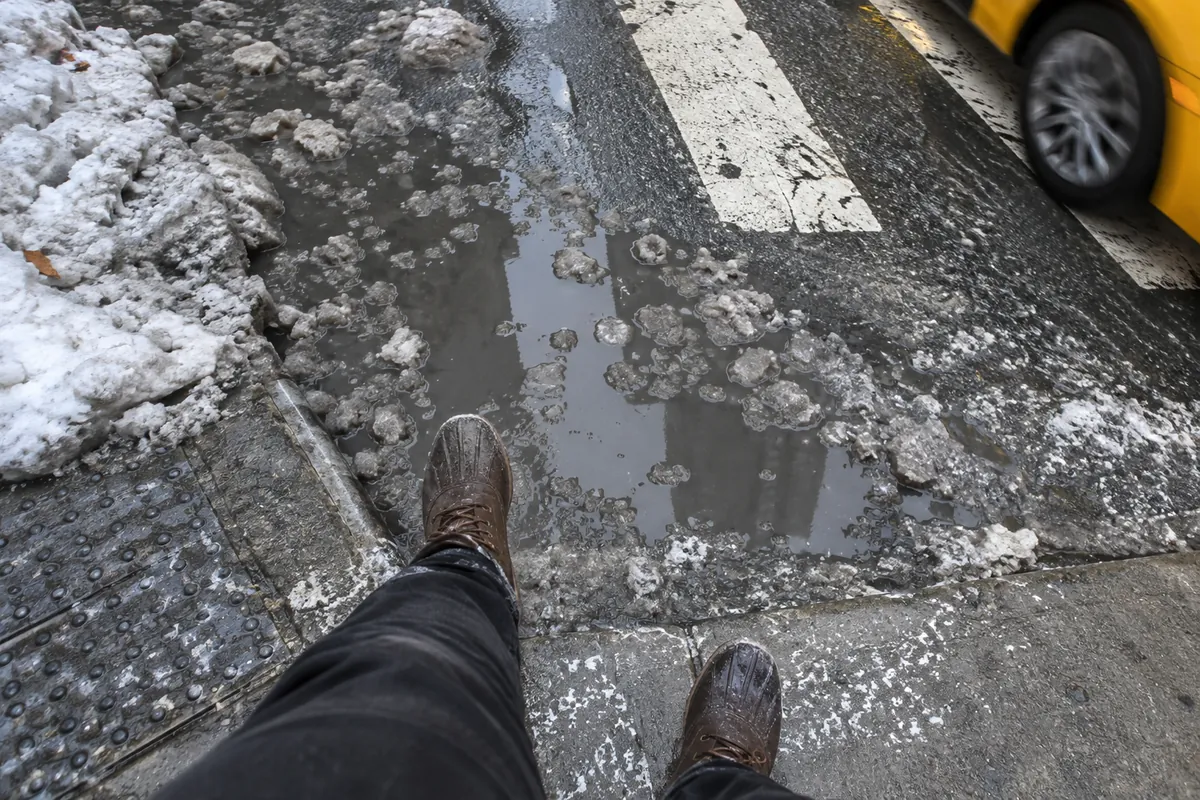
After the December 2010 blizzard I crossed Eighth Avenue in suede ankle boots and went in to the shin at the curb. Those boots never recovered.
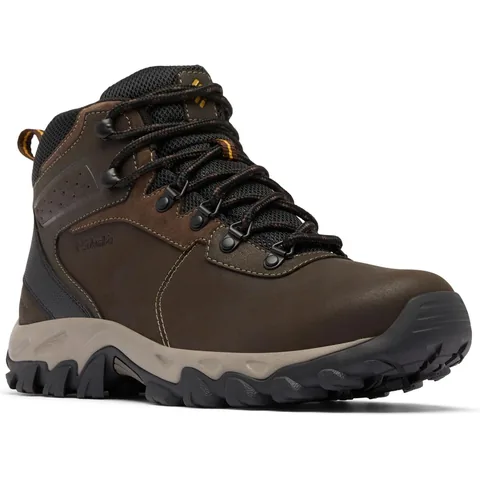 Columbia Newton Ridge Plus II (men's)Mid-rangeCheck price on Amazon
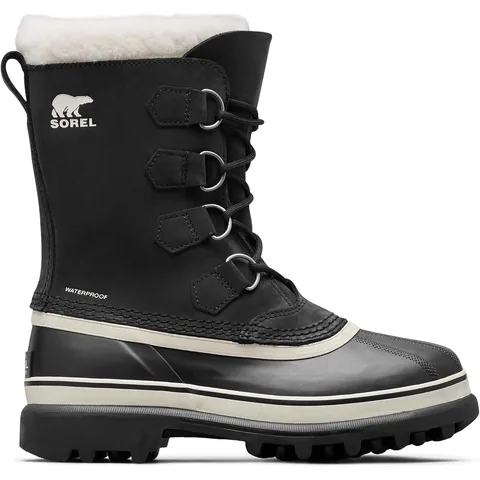 SOREL Caribou (women's)PremiumCheck price on Amazon
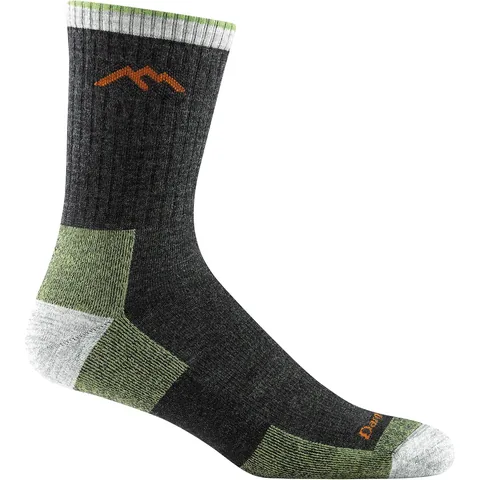 Darn Tough Hiker Micro Crew (men's)BudgetCheck price on Amazon
What to pack instead: the full New York list
This list assumes a four-day trip in carry-on, with hotel laundry or one wash in the middle. Clothing changes by month, so check your month below.
Clothes
- 3 tops suited to the month
- 2 pairs of pants or jeans dark colors hide subway grime
- 1 sweater or cardigan for air conditioning in summer
- 1 polished layer (blazer or dress) for a show or dinner
- Underwear and socks for 4 days
- Sleepwear
Rain and outerwear
- Packable rain jacket every month
- Compact folding umbrella
- Insulated jacket (November to March)
- Thermal top (December to February)
- Hat, gloves and scarf (November to March)
Day bag
- Slim crossbody or flat tote
- Clear plastic water bottle
- Power bank
- Quarters for Statue lockers a change machine is on site
Toiletries and health
- Lotion sunscreen no aerosols
- Liquids in a quart bag 3.4 oz or less for flying home
- Blister plasters
- Prescriptions in original packaging
Tech and documents
- Phone and charger
- Contactless card or phone wallet for subway fares
- Photo ID and timed tickets
- Type A plug adapter overseas visitors only
What to pack for New York in each month
The month matters more than the neighborhood when you decide what to wear in New York. Temperatures below are Central Park averages. Rain days count any day with 0.01 in or more of precipitation, snow included.
| Month | High °F / °C | Low °F / °C | Rain days | What to wear |
|---|---|---|---|---|
| Jan | 40 / 4 | 28 / -2 | 11 | Heavy coat, hat, gloves, waterproof boots; wind off avenues |
| Feb | 42 / 6 | 30 / -1 | 10 | Insulated coat, grippy waterproof shoes, gloves, scarf |
| Mar | 50 / 10 | 36 / 2 | 11 | Winter coat plus rain shell; snow and rain both possible |
| Apr | 62 / 17 | 46 / 8 | 11 | Light waterproof jacket, sweater, shoes that handle puddles |
| May | 71 / 22 | 55 / 13 | 12 | Tee plus light layer; cardigan for cold AC interiors |
| Jun | 80 / 27 | 64 / 18 | 11 | Breathable clothes, sunscreen, cardigan for AC |
| Jul | 85 / 29 | 70 / 21 | 11 | Lightest fabrics, walking shoes, small fan for platforms |
| Aug | 83 / 29 | 69 / 21 | 10 | Light clothes, compact umbrella for thunderstorms |
| Sep | 76 / 25 | 62 / 17 | 9 | Warm days, cool nights; light jacket, rain shell |
| Oct | 65 / 18 | 51 / 11 | 10 | Layers, waterproof jacket, sweater for evenings |
| Nov | 54 / 12 | 42 / 6 | 9 | Warm coat, hat, gloves; rain shell for wet days |
| Dec | 44 / 7 | 34 / 1 | 11 | Warm coat, thermal layers, hat, gloves, hand warmers |
New York in January: slush and 28°F mornings
January averages a 40°F high, a 28°F low and about 9 in of snow, with 11 wet days. Pack a warm coat, a hat, gloves that work with a phone and waterproof boots. Wool or synthetic layers come off once you are underground. The Polar Bear Plunge at Coney Island opens the year on January 1, outdoor rinks run through mid-March, so gloves and a hat earn their space on any outdoor plan.
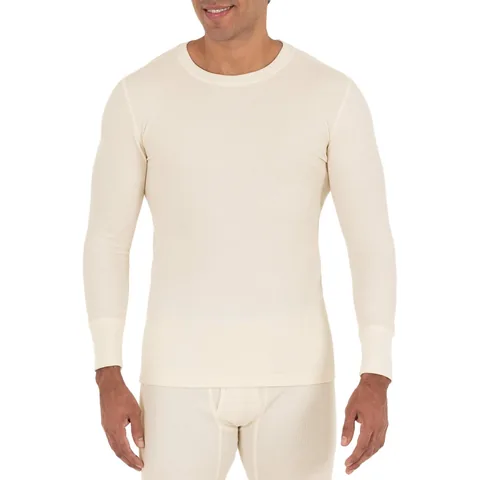
Fruit of the Loom Thermal Crew Top (men's)Budget
January lows reach 28F outside, but subways and theaters run warm, so a thin layer under a coat comes off easily indoors.
- Waffle knit with moisture-wicking finish
- Fitted for layering under jackets
New York in February: the snowiest month
February brings the most snow on average at 10 in, with a 42°F high and a 30°F low. With that much snow, boots need real grip. The 86th floor deck at the Empire State Building is open-air, with outdoor heaters that don’t stop the wind, so wear gloves and a hat up there. Lunar New Year events in Chinatown mean long stretches of standing outside.
New York in March: two seasons in one suitcase
Highs reach 50°F and lows 36°F, yet March still averages 5 in of snow alongside 11 wet days. Nor’easters are most frequent from September to April, so a waterproof shell does more than a heavier coat. Pack the winter coat and the shell together this month. The St. Patrick’s Day Parade on March 17 means hours standing on Fifth Avenue.
New York in April: wet shoes and cherry blossoms
April runs 62°F by day and 46°F at night, with 11 wet days. Shoes that handle puddles and a light waterproof jacket are the two items to get right. Yankees and Mets home openers land early in the month, and a night game feels far colder than the daytime high, so a sweater goes to the stadium.
New York in May: the easiest month to pack for
With a 71°F high and a 55°F low, May needs a T-shirt and one light layer for evenings and cold museums. It also has the most rain days of the year at 12, so keep the jacket. The Five Boro Bike Tour closes streets early in the month and Fleet Week usually lands on Memorial Day week. Sandals count as walking shoes only if they have already done a 20,000-step day.
New York in June: sun on long outdoor days
Highs hit 80°F and lows 64°F. Breathable clothes and a folded cardigan cover most days. The Pride March on Fifth Avenue runs rain or shine and Governors Ball puts you in Flushing Meadows all day, so sunscreen matters more than it does in May. Bring a lotion or stick, not a spray: aerosols are barred at Yankee Stadium, Madison Square Garden and the Met.
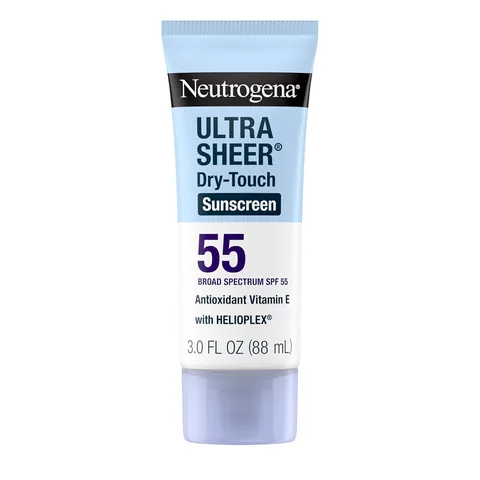
Neutrogena Ultra Sheer Lotion SPF 55Budget
Yankee Stadium names sunscreen among barred aerosol cans, and MSG and the Met also bar aerosols; a lotion avoids the problem.
- Broad-spectrum SPF 55 lotion, 3 fl oz
- Non-greasy, water-resistant up to 80 minutes
New York in July: hot platforms and cold offices
July is the hottest month, averaging 85°F with a 70°F low, and it can feel far hotter on a subway platform. NYC Emergency Management treats a heat index above 95°F as dangerous, so plan indoor stops in the afternoon. Pack your lightest fabrics, a refillable bottle and a scarf for air conditioning. NYC Tourism suggests a small fan for the platforms; our travel fan guide compares more options. The July 4 fireworks and the Coney Island hot dog contest both mean hours outdoors in a crowd.
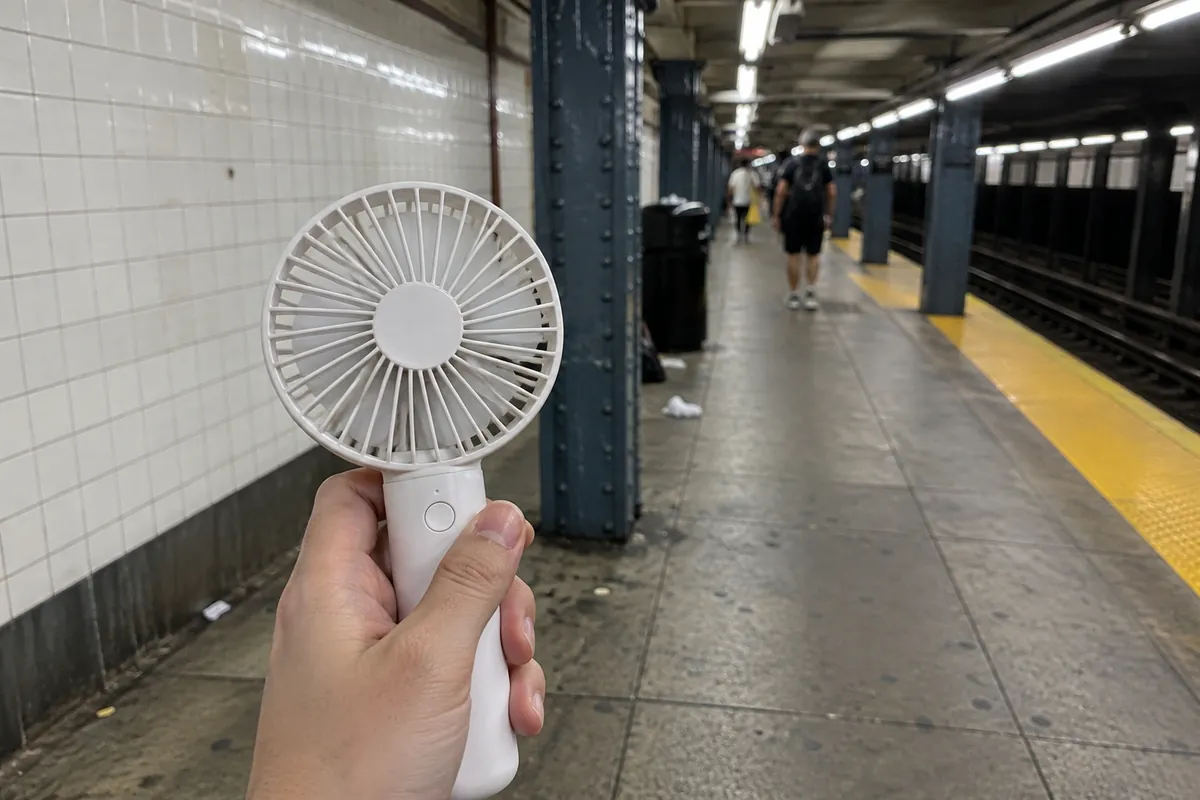
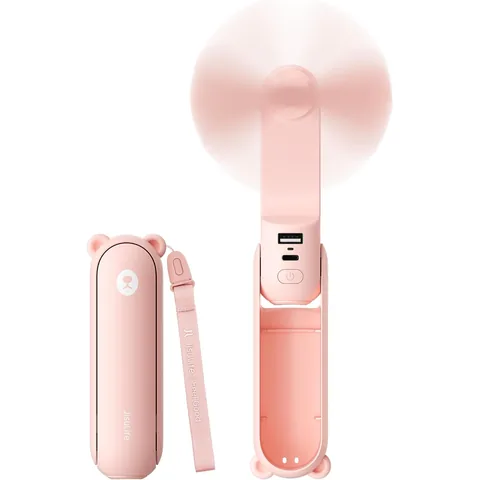
JISULIFE Portable Handheld FanBudget
July highs average 85F and NYC Tourism suggests a small portable fan for subway platforms.
- Up to 19 hours of cooling per charge
- Doubles as a backup power bank and flashlight
New York in August: thunderstorms and the US Open
August averages 83°F with a 69°F low and 10 wet days, many of them from thunderstorms, and it is too humid for a jacket. A compact umbrella that fits a small bag handles those. The US Open starts in late August, and the published rules bar aerosol sunscreen and most backpacks, so pack a lotion and a small bag.
New York in September: warm days, cool nights
September is among the driest months at 9 wet days, with a 76°F high and a 62°F low. Bring a light jacket for evenings and a rain shell, since nor’easter season starts now. Fashion Week, the Feast of San Gennaro in Little Italy and the end of the US Open all fall this month. If you visit the 9/11 Memorial around the anniversary, keep your bag under the 19 x 17 x 8 in limit.
New York in October: layers and costume rules
October highs average 65°F with 51°F lows. A sweater becomes necessary after dark for the first time since April. Pack layers and a waterproof jacket. If you are in town for the Village Halloween Parade on October 31, keep any full-face mask away from attractions, because the Met, the Empire State Building, Yankee Stadium and the Statue ferries all bar them.
New York in November: standing outside for parades
Highs drop to 54°F and lows to 42°F, and the first flakes can arrive, though the average is only 0.5 in. The Marathon on the first Sunday and the Macy’s Thanksgiving Day Parade both mean long stretches standing still on a cold morning, which feels much colder than walking at the same temperature. Bring a warm coat, hat, gloves and a shell for wet days. Holiday markets and the Holiday Train Show open around the same time.
New York in December: tree lights and New Year’s Eve
December averages a 44°F high, a 34°F low and about 5 in of snow, with 11 wet days. A warm coat, thermal layers, hat and gloves cover most days, including the tree at Rockefeller Center and the Radio City Christmas Spectacular.
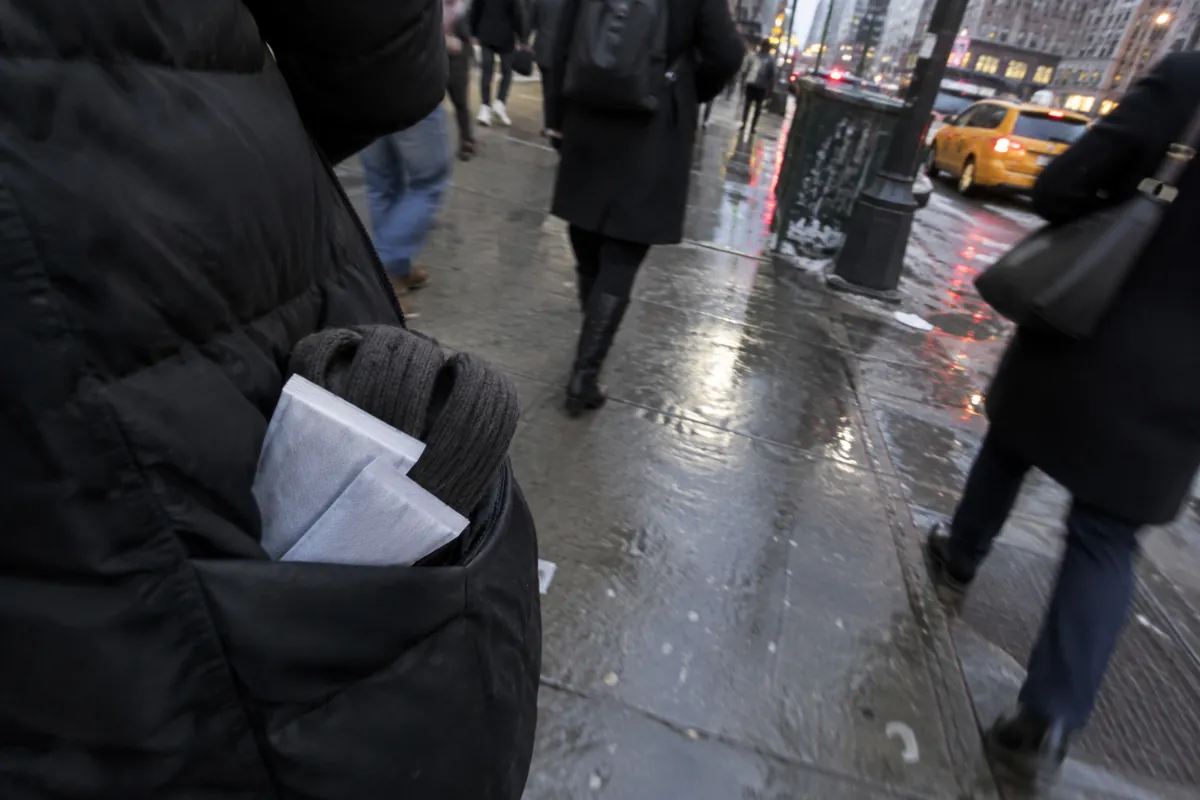
New Year’s Eve in Times Square is its own trip. Viewing areas open at 3 p.m. through checkpoints on 6th and 8th Avenues, there are no portable restrooms, and you stand outside for hours in what may be below-freezing air with no backpack or umbrella. Organizers recommend many layers and wind-resistant, water-repellent outerwear. A pair of hand warmers in your gloves helps, and a few more in your coat pockets get you through the wait.
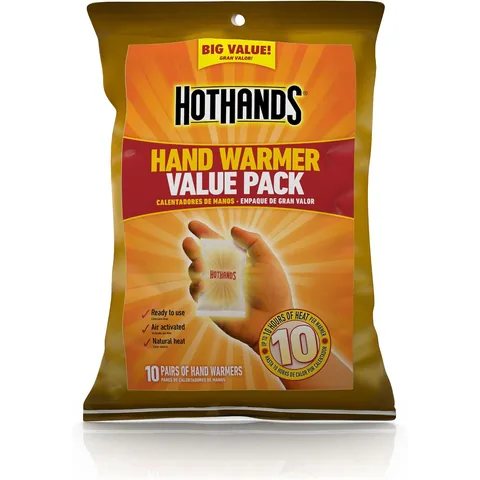
HotHands Hand Warmers (10 pairs)Budget
New Year's Eve in Times Square means hours outside in potentially below-freezing weather, and December lows average 34F.
- Air-activated, up to 10 hours of heat
- Fits in gloves, pockets and boots
What not to bring to New York
- Pocket knives and multitools. New York City law bars carrying a knife with a blade of 4 inches or more in public and any knife in open view, and the NYPD counts a visible pocket clip as open view. State law dropped gravity knives in 2019, yet the NYPD warns you can still be arrested depending on the circumstances. Knives are also barred at nearly every attraction in the table above. Leave them at home.
- Pepper spray. The Statue ferries, the 9/11 Memorial, the Empire State Building, Madison Square Garden and Yankee Stadium all bar it. If you fly in, TSA allows it in checked bags only. State law lets adults carry a pocket-size spray, but it does not say whether that covers one a visitor bought elsewhere, so leave it at home.
- Tripods, selfie sticks and drones. Rules differ, but the Empire State Building, the Met, Madison Square Garden and Yankee Stadium all restrict them, and drones are not allowed in Central Park.
Others are just dead weight:
- A voltage converter for phones and laptops. Overseas visitors need a plug adapter, and a converter only for hot hair tools that lack dual voltage.
- A MetroCard or a stack of transit cash. Tap a contactless card or phone at the turnstile, using the same one every ride so the weekly fare cap applies.
- Bulk toiletries. Drugstores are everywhere in Manhattan, and some stay open 24 hours.
- Several formal outfits. One blazer or versatile dress covers a show or a good dinner.
- Plugs
- Type A and B, 120 V Source
- Subway and bus fares
- Tap a contactless card or phone with OMNY; a weekly fare cap applies per card or device Source
- Flying home
- Carry-on liquids 3.4 oz or less in one quart bag from JFK, LaGuardia and Newark Source
- E-scooters
- Riding one is banned on MTA property, and charging one there is too Source
New York packing questions
Can I do a New York trip with just a carry-on?
Yes, for up to a week in most months. Wear your bulkiest coat and boots on the plane and do one wash midway. Hotel laundry service and neighborhood laundromats with drop-off service are common in Manhattan and Brooklyn. Winter is the only time a checked bag is worth it, since boots and a parka fill most of a carry-on.
What should I wear to a Broadway show?
The Shubert house rules we read list no dress code. NYC Tourism suggests leaving blue jeans and sneakers behind and dressing up more on Friday and Saturday nights, while matinees and midweek shows are casual. A sweater or blazer with dark pants suits a weekend evening, and the suggestion is not enforced at the door.
What do New Yorkers wear?
Mostly black, navy, denim and other neutrals, with comfortable shoes and a tote. NYC Tourism points out that nobody polices personal style, so this is about blending in, not a rule. Dark colors also forgive a day of subway seats, and one bright item looks intentional instead of touristy.
Do I need cash in New York?
Very little. Cards and phone payments cover transit, shops and most restaurants. Keep a small amount for street vendors and hotel housekeeping tips, plus quarters if you plan to use the Statue of Liberty pedestal lockers, which take nothing else. A change machine sits next to them if you arrive without any.
Where do I leave my suitcase on checkout day?
Ask your hotel first, then book a luggage storage service near your last stop if it can't help. Attractions will not take it: the Empire State Building and Madison Square Garden have no storage, and a theater that does accept luggage may charge for a bag check, so plan this before your final day.
Sources
Climate figures come from NOAA NCEI 1991-2020 monthly normals for Central Park. Packing and dress advice comes from NYC Tourism. Event timing comes from its annual events calendar. Bag rules are linked in the table above and were checked in November 2026.