Alaska covers about 663,268 square miles—more than the next three largest U.S. states combined—yet its population is only around 733,000 (2020 Census). That contrast matters: vast public lands and near-wilderness are minutes from town in places, while services and neighbors can be hours or days away in others. The trade-offs of moving to Alaska are straightforward: extraordinary access to nature, distinct cultural life, and unique financial perks balanced against higher costs, harsh weather, and geographic isolation. (U.S. Census Bureau; National Park Service.)
Top 5 Advantages of Living in Alaska
If you value outdoor life, independence, and close communities, Alaska offers peak appeals that are hard to find elsewhere: wide-open wilderness, a smaller population that fosters tight local networks, financial boosts tied to natural resources, living culture from Alaska Native communities, and some of the best skies on the continent for aurora and stargazing. The points below use state-area and park numbers to ground each claim.
1. Vast Wilderness and Outdoor Recreation
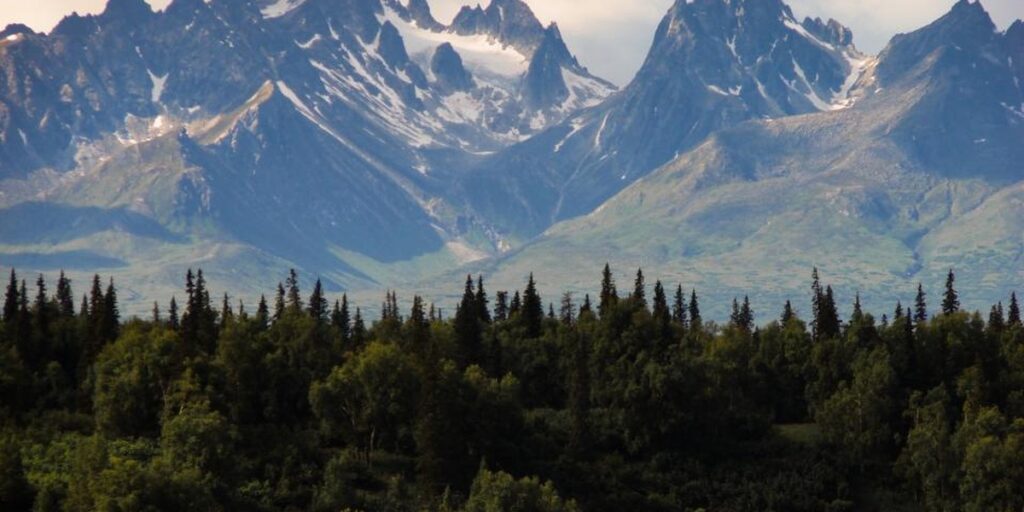
Access to public lands is a defining advantage: Alaska is roughly 663,268 square miles and contains eight national parks managed by the National Park Service, plus national forests, wildlife refuges, and state parks.
That means backcountry hiking, mountaineering, glacier travel, sea kayaking, sportfishing, and big-game hunting are everyday weekend options where roads allow. Denali National Park draws climbers and day-hikers; Kenai Fjords and the Kenai River support guided glacier trips and salmon-fishing charters; remote Bristol Bay underpins world-class salmon fisheries.
Practical tip: learn seasonal gear needs (layering, crampons in spring, dry suits for kayaking), secure required permits in advance for popular areas, and consider local guides for glacial or ocean travel. See the National Park Service for park details and permit rules.
2. Low Population Density and Tight-Knit Communities
With about 733,000 residents statewide (2020 Census), many Alaskan towns have fewer than 10,000 people, which shapes social life: neighbors know each other and community institutions matter.
Small towns like Sitka, Kodiak, and Nome host cultural festivals, potlucks, and volunteer-driven services such as search-and-rescue and volunteer fire departments. Newcomers often find faster social integration if they pitch in at community events or local organizations.
Real-world impact: reputation and local relationships can affect housing options and hiring in small places, so building connections helps both socially and practically.
3. Economic Perks: Permanent Fund and Resource Jobs
One standout benefit is the Alaska Permanent Fund dividend (PFD), which distributes oil-revenue returns to eligible residents. Recent annual dividends have varied; for example, the 2023 PFD was about $1,884—check the state PFD site for current figures.
Beyond the PFD, extractive and resource industries drive employment: oil and gas, commercial fishing and processing, state and federal government roles, tourism, and Alaska Native corporations. Employers range from Trident Seafoods and seafood processors to large public employers in Anchorage and Juneau.
Practical note: many fisheries and tourism jobs are seasonal, while oil- and government-sector positions often pay better and cluster in hubs. For newcomers, factor the PFD into household budgeting but don’t assume it fully offsets higher living costs in remote areas.
4. Rich Indigenous Cultures and Wildlife Encounters
Alaska offers close access to Alaska Native cultures—through cultural centers, festivals, and corporations like Sealaska—and frequent wildlife viewing: moose in town, brown bears on salmon streams, and whales offshore.
Opportunities include learning traditional skills, attending a potlatch or cultural gathering, and participating in subsistence hunts or fisheries where legal and customary. Museums like the Alaska Native Heritage Center in Anchorage offer year-round programs and rotating exhibits.
When watching wildlife, follow safety and etiquette: keep distance from bears and marine mammals, store food properly, and respect local cultural protocols when visiting villages or attending events.
5. Clean Air, Low Light Pollution, and Northern Lights
Rural Alaska has very low light pollution, which makes aurora-viewing and night-sky photography exceptional. Interior locations like Fairbanks see frequent northern lights in fall through spring.
Summer daylight extremes are another plus: Fairbanks can get up to about 22 hours of daylight in June and July, a boon for long days of hiking, fishing, and outdoor work.
Practical gear note: nights can still be cold even during aurora season—bring proper cold-weather clothing for late-night viewing. Many tour operators near Fairbanks offer guided northern-light excursions that include warm shelters and photography help.
Top 5 Disadvantages of Living in Alaska
The downsides tend to be logistical, financial, and health-related. Remote communities pay freight premiums for goods, harsh winters and storm seasons disrupt travel and supply chains, specialized medical care is concentrated in a few hubs, mental-health stress can rise in long winters, and higher-paying jobs are clustered in specific industries and cities.
6. High Cost of Living and Supply Constraints
Many places in Alaska face elevated grocery, fuel, and construction costs because most goods move by barge or air freight. Remote villages in particular see price markups that can range widely above the U.S. average.
Concrete effect: a loaf of bread or a gallon of gas in a village store can cost 30–100% more than in Anchorage, depending on season and freight schedules. Housing and building materials are also pricier where shipping is required.
Budget tip: plan bulk shipments for nonperishables, use Anchorage or other hub cities for major purchases when possible, and build freight and seasonality into moving cost estimates.
7. Extreme Weather, Long Winters, and Isolation
Long, cold winters and seasonal storms affect travel, work, and daily life. Above the Arctic Circle, communities experience polar night—Utqiaġvik can go about 67 days without sunrise—while coastal storms bring heavy snow and fierce winds.
Real consequences include canceled flights, delayed barges, and occasional periods when roads or ferries are unusable. Many villages can be effectively cut off during storm windows, requiring extra planning for supplies and travel.
Practical advice: keep an emergency kit, allow generous travel buffers in winter, winterize vehicles and homes, and consider jobs that permit flexibility or remote work during stormy months.
8. Limited Healthcare and Specialist Access
Specialty medical care is concentrated in Anchorage, Fairbanks, and Juneau; many rural clinics provide primary care but lack specialists, advanced imaging, and surgical suites.
For serious emergencies or specialty referrals, patients are often transported by medevac to tertiary centers such as the Alaska Native Medical Center in Anchorage. That raises both time-to-treatment and potential out-of-pocket costs if insurance gaps exist.
Recommendation: verify insurance coverage for medevac and inter-facility transfers, and families with chronic or complex conditions may want to live near a hub or budget for frequent travel to specialists.
9. Mental Health and Seasonal Affective Challenges
Extended darkness, isolation, and the stress of weather-related disruptions can increase the risk of seasonal affective disorder (SAD) and other mental-health issues in northern communities.
Communities respond with local counseling, peer support, and growing telebehavioral-health programs, but access and cultural fit vary by place. Many residents rely on light-therapy lamps, regular social routines, and outdoor activity to manage symptoms.
Practical step: build a winter plan that includes social activities, a light-therapy lamp, exercise, and a local mental-health contact or telehealth arrangement before the dark months arrive.
10. Infrastructure Limits and Job Concentration
Higher-paying jobs cluster in oil, government, military, and larger private employers—mostly in Anchorage, Fairbanks, Juneau, and North Slope operations—while many coastal and rural economies depend on seasonal fishing and tourism.
That leads to limited local career options for professionals outside hubs, seasonal layoffs in tourism-dependent towns, and few public-transport choices in most places. Internet and cellular service quality can also vary widely, affecting remote-work feasibility.
Career advice: research local job markets in advance, ask employers about seasonality, explore remote-work setups, and factor potential relocation costs if your field requires specialty services based in a hub city.
Summary
- Alaska’s scale—663,268 square miles—and small population mean unrivaled access to wilderness and tight communities, but also real distance from services.
- The pros and cons of living in Alaska include financial perks like the Permanent Fund dividend that help offset costs, yet freight, housing, and utilities often raise household budgets.
- Healthcare and specialist services are concentrated in a few hubs, and extreme weather plus long winters require planning for travel, supplies, and mental-health supports.
- Before moving, visit in both summer and winter to compare seasons, check local job markets and housing options, and contact regional healthcare providers or employers about access and expectations.
- Weigh the pros and cons of living in Alaska against your priorities: if outdoor access, community life, and cultural experiences top the list, Alaska may fit; if proximity to specialists, year-round services, or a wide local job market are crucial, plan accordingly.