The Meiji Restoration of 1868 rewired Japan: a single political turning point that fused centuries-old court rituals, temples, and craftsmanship with an intense appetite for modern engineering and design. That unusual pairing—old forms kept alive even as cities reinvented themselves—helps explain why visiting Japan feels like stepping between timeframes in a single afternoon.
From Kyoto’s wooden stages to Tokyo’s gleaming skyline, the country offers experiences for history buffs, food lovers, nature seekers, and tech-minded travelers alike. Japan has roughly 25 UNESCO World Heritage Sites (cultural and natural) and famously punctual railways with Shinkansen on-time performance often cited above 99%, small facts that help when you’re planning a trip.
Japan blends ancient culture, striking natural beauty, world-class food, and ultra-efficient modern conveniences — and here are 12 compelling reasons to visit that show why it remains unmatched as a travel destination. The list below is grouped into four clear categories: culture & history; nature & outdoors; food & daily life; and technology, transport & safety. Let’s start with the living traditions and historic places that anchor so much of the country’s appeal.
Cultural and Historical Attractions
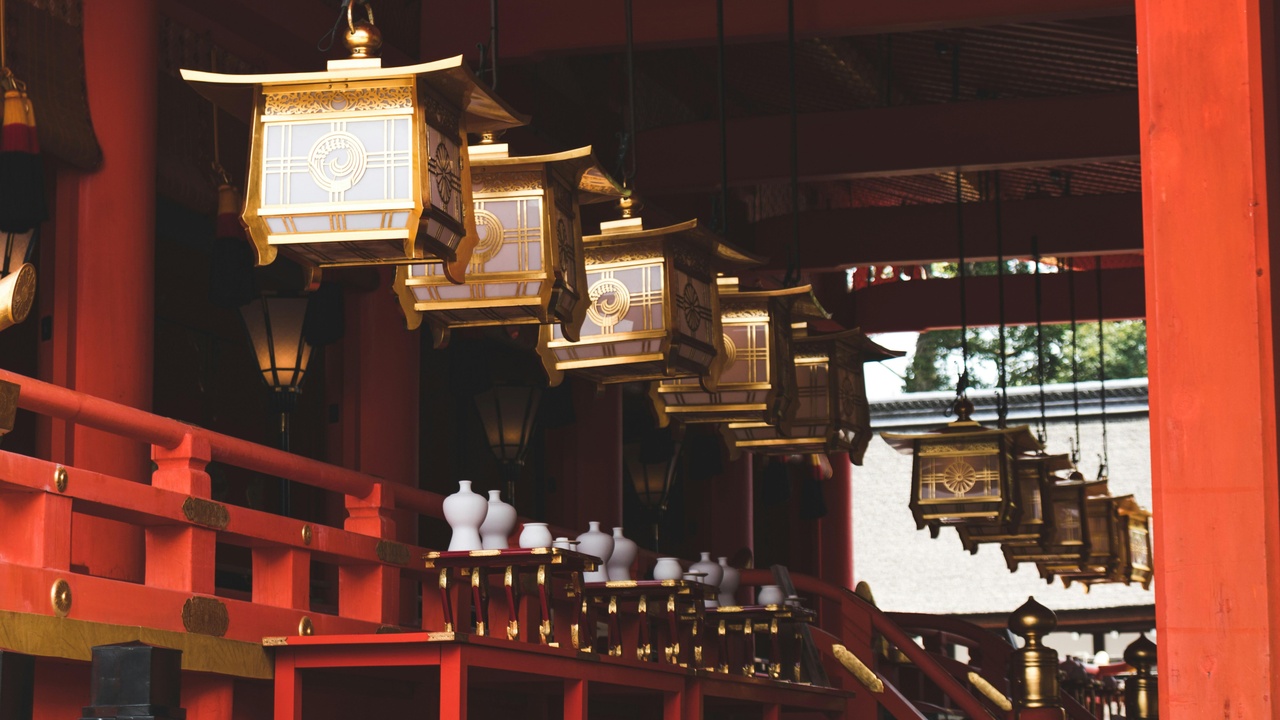
Japan’s layered history shows up everywhere: stone lanterns beside glassy rivers, centuries-old temples tucked between modern buildings, and neighborhoods where artisans still practice family trades. Visiting these sites gives real context to rituals and beliefs that shaped visual culture across the islands.
The next three points highlight architecture, festivals, and hands-on traditions you can experience firsthand. Many travelers plan time in Kyoto, Nara, and Hiroshima to see how the past is preserved and lived today.
1. Ancient temples, shrines, and UNESCO sites
Japan’s well-preserved temples and shrines offer immersive encounters with history and belief. With about 25 UNESCO World Heritage Sites, you can see why international recognition follows places that combine beauty and historical importance (UNESCO is a useful reference for specifics).
Architectural features—torii gates, wooden pagodas, and expansive temple halls—tell stories about Shinto and Buddhist practices. Walk the thousands of vermilion torii at Fushimi Inari Taisha in Kyoto, stand on the famed wooden stage of Kiyomizu-dera, or visit Horyu-ji in Nara, one of the world’s oldest wooden buildings.
Hiroshima’s Peace Memorial (Genbaku Dome) is another UNESCO-listed site that transforms architecture into a powerful historical lesson about the 20th century. Seeing these places in person brings rituals, art, and resilience into sharp relief.
2. Traditional festivals and living rituals
Festivals—matsuri—are a straightforward way to see living culture on display, and they occur year-round with strong regional variation. Major events include Gion Matsuri in Kyoto each July, Aomori’s Nebuta Matsuri in August, and the Sapporo Snow Festival every February.
Seasonal rituals are equally important: cherry blossom viewings in late March–early April draw crowds across the country, while the autumn koyo leaf season typically runs from October into November depending on latitude and elevation. Sumo is both sport and ceremony, with three official grand tournaments held each year.
Visitors can watch processions, sample festival street food at night stalls, or even join local rituals when invited. These events are social, photographic, and often surprisingly accessible if you plan around dates.
3. Crafts, tea ceremony, and hands-on cultural experiences
Beyond passive sightseeing, Japan offers abundant workshops where you can learn by doing. Regional craft centers keep techniques alive—Arita and Kutani for porcelain, Bizen for pottery, and Kyoto for traditional textiles and tea schools.
Joining a tea ceremony class in Kyoto, taking a pottery lesson in Ishikawa Prefecture, or renting a kimono for a walking tour are practical ways to support artisans while gaining deeper context for the objects and gestures you’ll see in museums and temples.
Look for cultural exchange programs and local craft centers that advertise short classes; they’re common in both big cities and smaller towns and make memories that outlast any souvenir.
Nature, Seasons, and Outdoor Activities

Japan’s strong four-season rhythm shapes travel planning: cherry blossoms in spring, lush green summers, vivid koyo (autumn leaves), and heavy snow in parts of the north. Many highlights are predictably timed—sakura often blooms in late March to early April in central Honshu—so you can plan for seasonal peaks.
The country’s landscapes range from volcanic peaks and alpine forests to long coastlines and subtropical islands. The following subsections cover iconic views, onsen culture, and outdoor sports tailored to each season.
4. Iconic landscapes: Mount Fuji, coastlines, and national parks
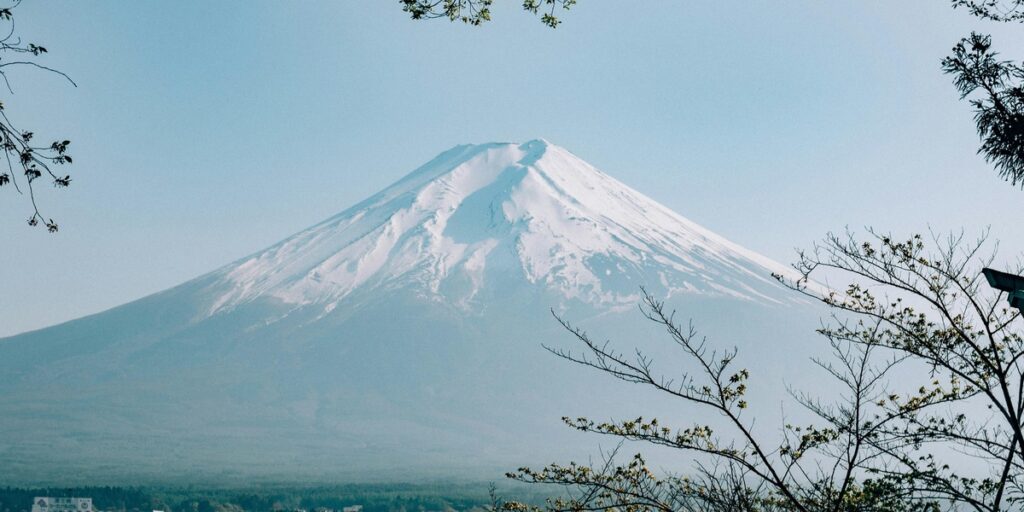
Japan’s variety of landscapes is a major draw, and Mount Fuji is the single image most travelers recognize. Fuji’s cultural significance earned it a UNESCO World Cultural Heritage listing, and the Fuji Five Lakes region offers classic viewpoints and lakeside activities.
National parks like Daisetsuzan in Hokkaido and Nikko north of Tokyo showcase distinct ecosystems, while places such as Yakushima preserve ancient cedar forests. If you plan to climb Mount Fuji, the official climbing season runs in July and August when mountain huts and trails are open.
Other scenic stops include Amanohashidate’s sandbar and coastal drives along the Noto Peninsula, each offering entirely different senses of place—calm lakes, dramatic cliffs, or mossy cedar groves depending on where you go.
5. Onsen (hot springs) and relaxation culture
Onsen are both a means of relaxation and a cultural ritual rooted in regional geology. Famous areas—Hakone, Beppu, and Kusatsu—offer a wide variety of baths, from outdoor rotenburo with mountain views to steam baths and sand baths in Kyushu.
Practical etiquette matters: always wash before entering communal baths, tie back long hair, and check local tattoo policies since some onsen restrict visible tattoos. Staying at a ryokan often pairs an onsen visit with a multi-course kaiseki dinner, making for a complete overnight experience.
For a memorable soak, seek a rotenburo overlooking mountains or a small-town bath where locals gather—both offer quiet windows into everyday Japanese life.
6. Outdoor sports: hiking, skiing, coastal adventures
Japan’s outdoors suit beginners and seasoned adventurers alike. Hokkaido’s Niseko enjoys a global reputation for powder snow during the winter ski season (roughly December–March), while the Japan Alps offer extensive summer trekking routes.
Historic trails such as the Nakasendo let you hike between post towns on gentle day routes, and the Kerama Islands or Okinawa provide warm-water diving with clear reefs and abundant marine life. Plan a winter ski trip to Hokkaido or a summer hike in the Alps depending on your preferred activity.
These outdoor options let you combine city time with nature—easy day trips or multi-day treks depending on how much time you have.
Food, Neighborhood Life, and Everyday Pleasures
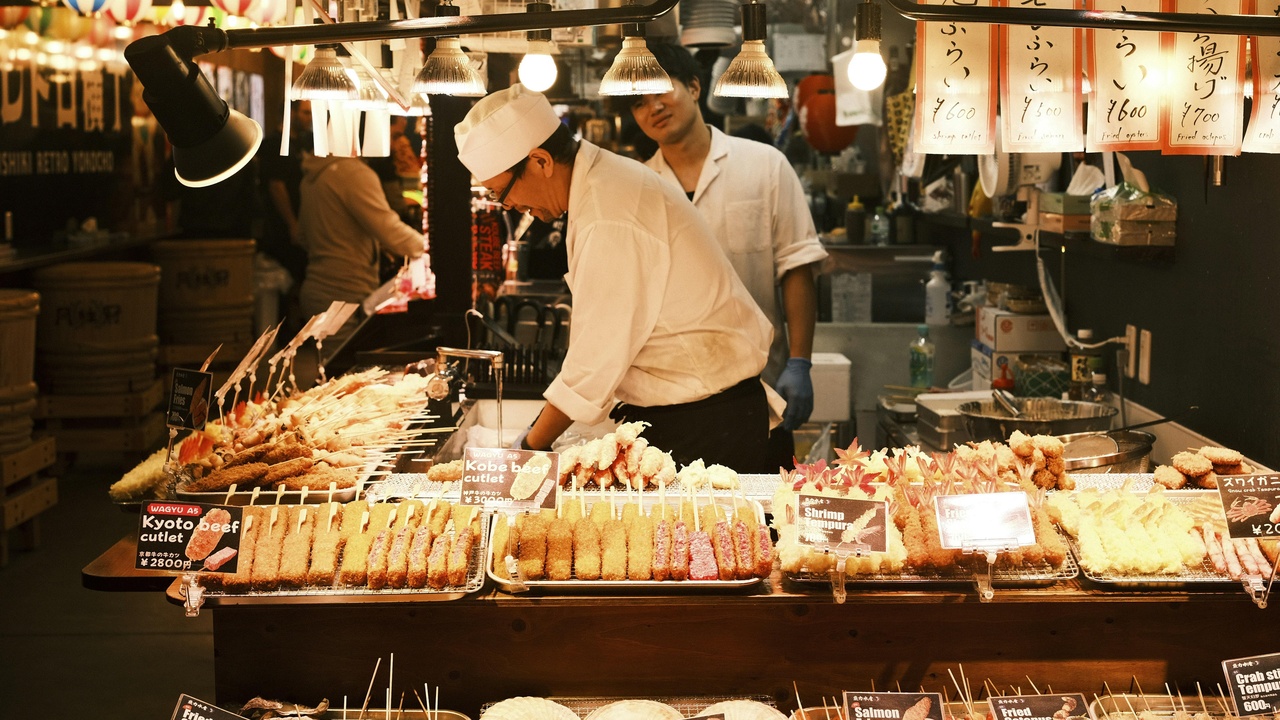
Japan’s food reputation is global: a range from humble ramen shops to delicate kaiseki tasting menus, plus neighborhoods wired for convenience. Tokyo regularly tops fine-dining discussions, and regional specialties—Hokkaido seafood, Osaka street food, Fukuoka ramen—make traveling between prefectures a culinary tour.
When picking among the many reasons to visit japan, food and neighborhood rhythms often decide an itinerary. The next three points cover cuisine, convenience, and markets that reveal daily life.
7. World-class cuisine: sushi, ramen, kaiseki, and regional dishes
Japan’s dining spectrum runs from standing sushi counters and bustling ramen alleys to meticulously plated kaiseki. Many cities mix Michelin-starred options with tiny neighborhood joints; securing an omakase reservation often requires advance planning, while counter seats at small sushi bars create intimate experiences with chefs.
Regional dishes vary dramatically: Hakata-style ramen in Fukuoka, Hiroshima’s layered okonomiyaki, and Hokkaido’s fresh crabs and seafood. Balance high-end dining with casual stalls—one memorable night might be sushi at an omakase counter, the next a late ramen bowl from a local shop.
8. Neighborhood convenience: konbini, vending machines, and safe streets
Japan’s convenience culture is real: there are over 50,000 konbini nationwide and roughly five million vending machines scattered across cities and rural stations. These services make travel easy for late-night meals, quick drinks, and basic supplies.
Konbini (7‑Eleven, Lawson, FamilyMart) sell hot bento, ATMs that often accept foreign cards, and even accept parcel pickups. Vending machines offer hot and cold drinks plus regional snack curiosities. The combination of convenience and generally safe streets means you can explore neighborhoods late into the evening with confidence.
9. Markets, seasonal food events, and culinary rituals
Markets are an excellent way to witness local foodways. Visit Tsukiji Outer Market for fresh seafood stalls, hike into the Hida Takayama morning markets for mountain produce, or time a trip for seasonal wagashi—cherry-blossom sweets in spring are everywhere.
Respectful behavior goes a long way: don’t block aisles, wait for sellers to finish, and remember tipping isn’t customary—service is included. If you want freshness, arrive early to morning markets where fishermen and farmers sell directly to restaurants and residents.
Modern Comforts: Transport, Safety, and Pop Culture
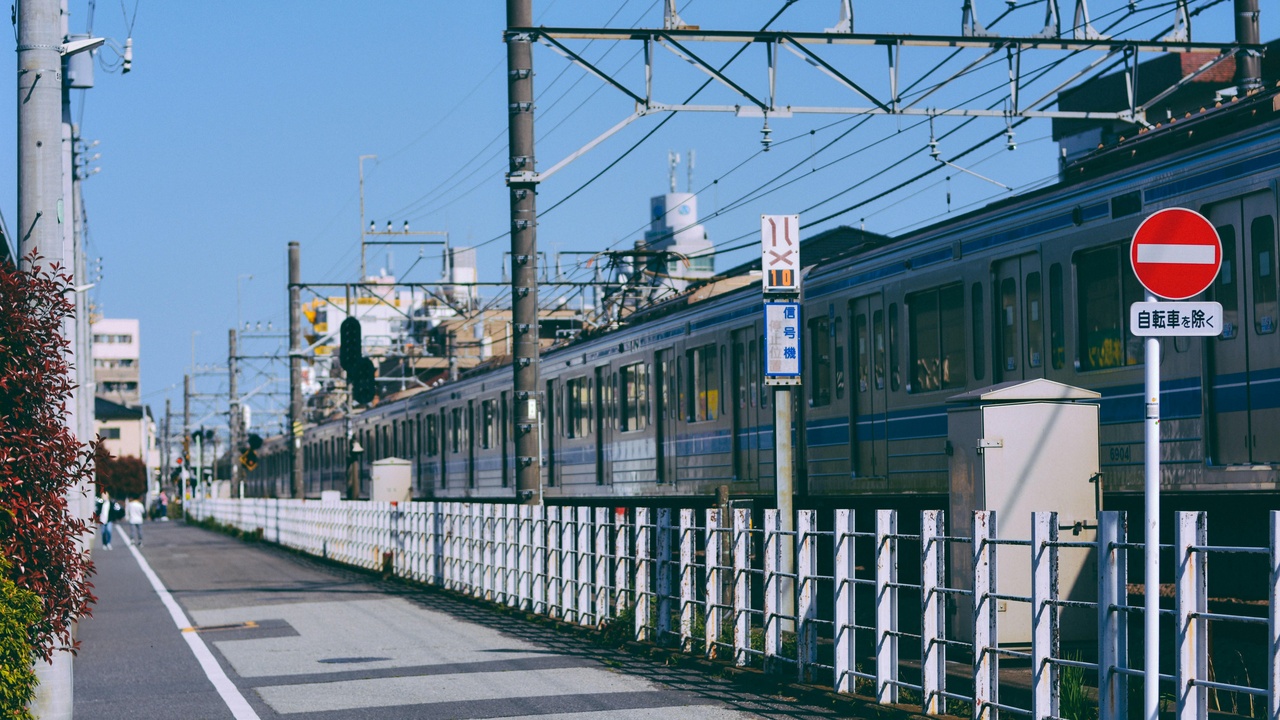
Japan mixes high-tech convenience with reliable public services and an outsized cultural influence on music, fashion, anime, and gaming. The transport network itself is a reason many visitors add multiple cities to one itinerary.
Among the top reasons to visit japan are its punctual trains, low-crime streets, and neighborhoods specialized by theme—perfect for fans of electronics, fashion, and niche subcultures. The following subsections cover transport, safety, and pop-culture hubs.
10. Efficient transport: trains, Shinkansen, and punctuality
Japan’s transport network is an attraction in itself. Shinkansen services run at speeds up to about 320 km/h on some lines, and their punctuality is often cited above 99%—a practical advantage when you’re planning tight connections or day trips.
The network makes Tokyo–Kyoto day trips entirely feasible (roughly two to 2.5 hours on the faster services). Foreign travelers often use a JR Pass for intercity travel, and city transit is easier with IC cards like Suica or Pasmo that handle trains, buses, and even some shops.
11. Safety, cleanliness, and hospitality (omotenashi)
Japan’s public order and hospitality are frequently noted by visitors. The country’s homicide rate is low—around 0.3 per 100,000 people—and you’ll notice clean streets, orderly queues, and well-maintained public facilities that make exploring comfortable.
Hospitality—omotenashi—shows up in helpful station staff, clear signage, and ryokan service traditions. These factors make solo travel and late-night exploration more accessible for many visitors, and they help reduce common trip anxieties.
12. Pop culture, shopping districts, and unique subcultures
Japan punches above its weight in global pop culture. Districts like Akihabara in Tokyo specialize in electronics and anime goods, Harajuku showcases youth fashion and street style, and Nakano Broadway is a magnet for collectors.
Fans can browse flagship electronics stores, hunt for rare manga and figurines, or visit themed cafés—maid cafés and character cafés are easy to find in major cities. For a curated experience, the Ghibli Museum in Mitaka offers ticketed exhibitions that reward advance planning.
Summary
- Japan pairs living tradition with modern efficiency: temples, festivals, and crafts sit alongside punctual railways and tech-forward cities.
- Seasonal variation is central—cherry blossoms, autumn leaves, heavy northern snow, and subtropical summers—so pick a season (sakura or skiing) and plan around it.
- Food and neighborhood culture make travel practical and delicious: markets, konbini convenience, and regional specialties reward slow exploration and small detours.
- Practical comforts—Shinkansen speed and punctuality, a low violent-crime rate, clear signage, and welcoming service—mean you can cover a lot of ground with confidence.
- Start planning by choosing one of these reasons as your focus—try a rail-based route linking Tokyo, Kyoto, and a nature spot, or build an itinerary around a festival or a hands-on cultural workshop.