Honduras sits at a crossroads of Central American highlands, Caribbean coastlines and Pacific-influenced valleys, and its people reflect that variety. Local histories, migration and geography have shaped distinct communities across departments and coastal regions.
There are 11 Honduras Ethnic Groups, ranging from Black/Afro-Honduran to White. The list below presents each group with clear, comparable fields — Population %,Primary region,Primary language(s) — so you can see size, where they’re concentrated and which languages they commonly use; you’ll find below the full breakdown and quick context for each entry.
How current and reliable are the Population % figures for these ethnic groups?
Population percentages are usually based on the latest national census and reputable surveys, but methods and self-identification rules vary by year. Treat small-percentage figures as estimates: census undercounts, migration and mixed heritage can shift numbers between cycles, so use them as a comparative snapshot rather than exact counts.
Which languages and regional patterns should I expect across these groups?
Spanish is dominant nationwide, but expect indigenous languages (e.g., Miskito, Garifuna, Lenca) and English varieties along the Caribbean coast and Bay Islands. Regional patterns align with history: indigenous and Afro-descendant communities are more common on the Mosquito Coast and Caribbean belt, while mestizo and white populations are widespread in central highlands and urban centers.
Honduras Ethnic Groups
| Name | Population % | Primary region | Primary language(s) |
|---|---|---|---|
| Mestizo | 90.0% | Nationwide; concentrated in urban valleys (Francisco Morazán, Cortés) | Spanish |
| Indigenous (Total) | 7.0% | Various: western highlands, Mosquitia, north coast | Various Indigenous languages; Spanish |
| Lenca | 4.50% | Western and central highlands (Lempira, Intibucá, La Paz, Comayagua) | Spanish; Lenca (critically endangered) |
| Miskito | 1.50% | Northeast Caribbean lowlands and Mosquitia (Gracias a Dios, Colón, Atlántida) | Miskito; Spanish |
| Garífuna | 0.80% | Caribbean coast and Bay Islands (Atlántida, Colón, Cortés, Islas de la Bahía) | Garífuna; Spanish; English |
| Ch’orti’ | 0.40% | Western departments near Copán and Ocotepeque | Ch’orti’ (Mayan); Spanish |
| Tolupan (Jicaque) | 0.20% | Central-northern interior (Yoro, Francisco Morazán) | Tol (Jicaque); Spanish |
| Pech (Paya) | 0.10% | Northeast interior (Olancho, northern Colón) | Pech; Spanish |
| Tawahka (Sumo) | 0.02% | Mosquitia interior (Gracias a Dios, along Río Patuca) | Tawahka (Sumo) language; Spanish |
| Black/Afro-Honduran | 2.00% | Caribbean coast, Bay Islands, urban areas | Spanish; English; Garífuna |
| White | 1.00% | Urban centers and higher-income coastal regions (Tegucigalpa, San Pedro Sula) | Spanish |
Images and Descriptions
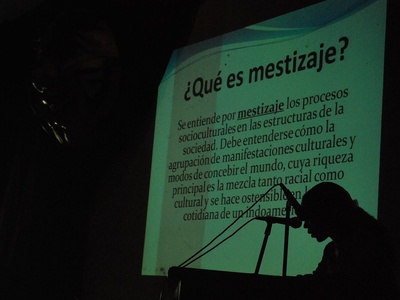
Mestizo
Mestizos (Ladinos) are people of mixed Indigenous and European ancestry; the dominant cultural group in Honduras, Spanish-speaking and concentrated in cities and agricultural valleys, blending indigenous traditions with Hispanic customs.
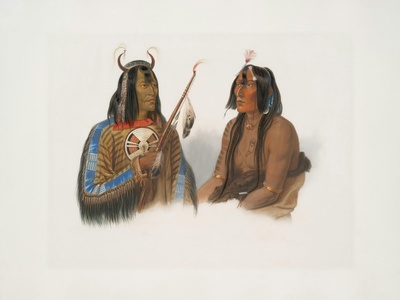
Indigenous (Total)
Collective category for Honduras’s native peoples, including Lenca, Miskito, Ch’orti’, Pech, Tolupan and Tawahka; communities retain distinct languages, territories and cultural practices, mainly in highlands and Mosquitia coastal and interior regions.
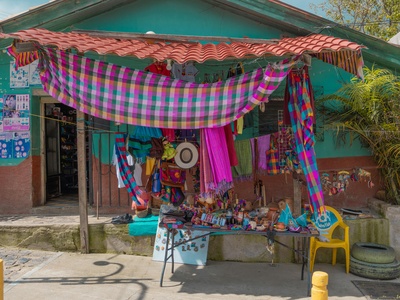
Lenca
Largest Indigenous group in Honduras, historically agricultural highland communities noted for weaving, pottery and communal organization; Lenca identity persists despite language loss, with cultural revival movements in local politics and crafts.

Miskito
Miskito live primarily in the Mosquitia region along the Caribbean coast, speaking Miskito and Spanish. They have distinct coastal livelihoods—fishing, hunting and small-scale agriculture—and strong regional autonomy traditions.
Garífuna
Garífuna are Afro-Indigenous descendants of West African and Caribbean Indigenous peoples, famous for rich music, dance and language. Concentrated on the Caribbean coast, they maintain communal traditions and maritime livelihoods.
Ch’orti’
Ch’orti’ are a Maya group in western Honduras near Copán; they preserve Mayan language and cultural practices tied to agriculture, communal rituals and archaeological heritage around ancient Maya sites.
Tolupan (Jicaque)
Also called Jicaque, Tolupan communities live in mountainous interior areas practicing subsistence agriculture and maintaining traditional governance and spiritual practices; their Tol language is endangered but culturally significant.
Pech (Paya)
Pech (Paya) people inhabit forests and riverine areas in Olancho and nearby zones; small communities practice hunting, fishing and shifting cultivation and work to preserve their language and land rights.
Tawahka (Sumo)
Tiny Tawahka (Sumo) groups live along the Patuca River in Mosquitia, speaking Tawahka languages. They sustain traditional hunting, fishing and intercultural exchange with Miskito neighbors while guarding remote forest territories.
Black/Afro-Honduran
Afro-Honduran populations include Afro-descendant communities on the Caribbean coast and Bay Islands; cultural life centers on fishing, creole English varieties and Afro-Caribbean heritage, overlapping with Garífuna identity in many areas.
White
Hondurans of predominantly European descent form a small minority, often concentrated in major cities. They speak Spanish and historically shaped economic and political elites, while blending into national culture.