Iraq’s cities are economic hubs where oil revenues, trade corridors and service sectors concentrate wealth and opportunity. From historic marketplaces to modern business districts, urban areas shape livelihoods and regional development across the country.
There are 8 Richest Cities in Iraq, ranging from Baghdad to Sulaymaniyah. For each city you’ll find below data organized with Country,Estimated GDP per capita (USD, 2023),Main wealth drivers (max 15 words), so you can quickly compare scale and what drives prosperity — you’ll find those details below.
How current and reliable are the GDP per capita figures?
The estimates use available 2023 regional and national data, adjusted where local figures are scarce; they’re best seen as indicative ranges rather than exact municipal accounts, reflecting known oil receipts, public spending, private sector size and trade activity.
Why do Baghdad and Sulaymaniyah appear at different positions on the list?
Differences come down to economic structure: Baghdad concentrates government, services and commerce while Sulaymaniyah benefits from diversified trade, investment and relative private-sector growth, which affects per‑capita output and living standards.
Richest Cities in Iraq
| City | Country | Estimated GDP per capita (USD, 2023) | Main wealth drivers (max 15 words) |
|---|---|---|---|
| Basra | Iraq | 18,000 | Oil exports, port activities, petrochemicals, shipping |
| Kirkuk | Iraq | 12,000 | Crude oil production, service sector, refining |
| Erbil | Iraq | 8,500 | Government, oil services, construction, trade, regional services |
| Duhok | Iraq | 7,000 | Trade, agriculture, tourism, oil services, cross-border commerce |
| Sulaymaniyah | Iraq | 6,500 | Oil services, trade, education, manufacturing, tourism |
| Baghdad | Iraq | 5,500 | Public administration, trade, services, finance, informal sectors |
| Karbala | Iraq | 4,200 | Religious tourism, retail, services, construction |
| Najaf | Iraq | 4,000 | Pilgrimage economy, religious services, hospitality, retail |
Images and Descriptions
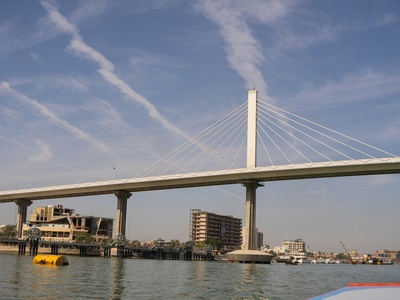
Basra
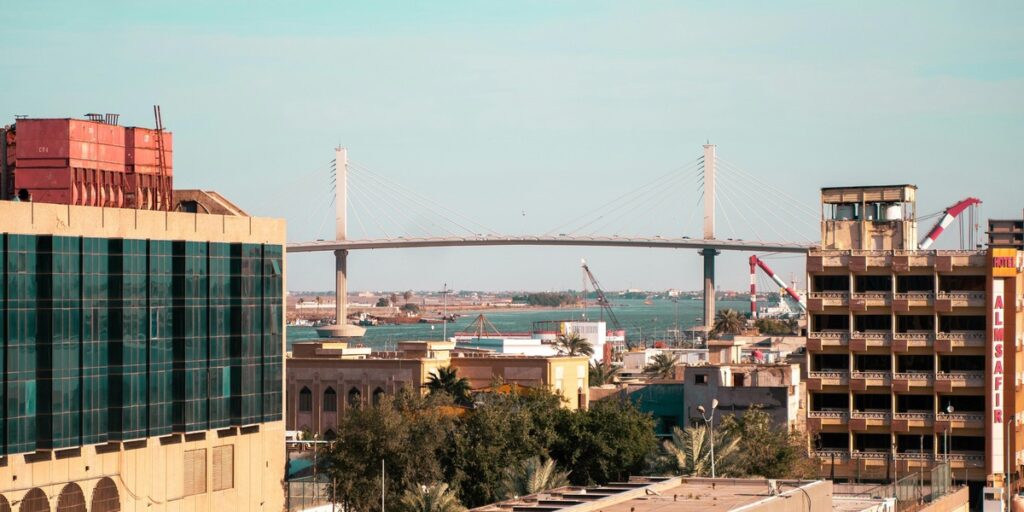
Basra is Iraq’s oil-export hub and major port; oil, petrochemicals and shipping dominate local GDP. Large energy infrastructure and export terminals drive high per-capita output, though revenue volatility and infrastructure needs shape investment and living‑standard patterns.

Kirkuk
Kirkuk’s economy is anchored by substantial oil fields and related services. Crude extraction, pipelines and refining support elevated per-capita output, but political disputes, security risks and infrastructure gaps create income volatility despite strong resource wealth.
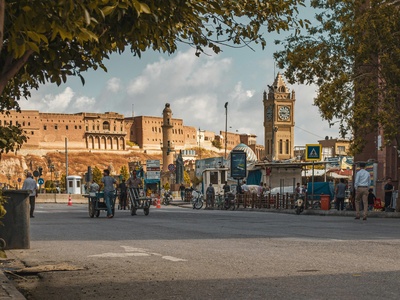
Erbil
Erbil, capital of the Kurdistan Region, blends government spending, oil‑service companies, construction booms and regional trade. Growing private investment and real estate have raised incomes, though oil‑price swings and fiscal uncertainties affect future growth.
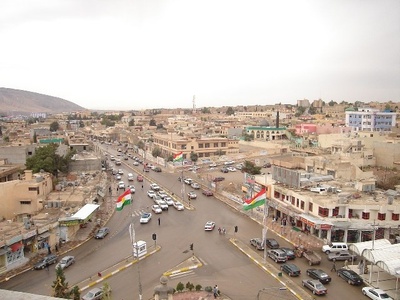
Duhok
Duhok benefits from cross‑border trade, agriculture, tourism and oil‑service activity. A diversified regional commercial base and rising services support above‑average incomes, with tourism and infrastructure projects offering near‑term investment potential.
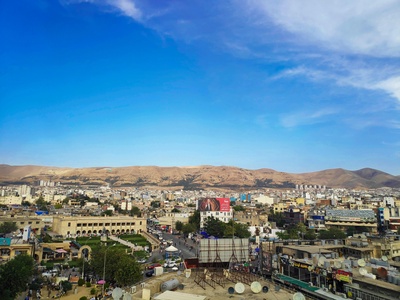
Sulaymaniyah
Sulaymaniyah mixes oil‑related services, trade, education and light manufacturing. Universities and cultural tourism underpin a service‑oriented local economy, supporting steady per‑capita income growth despite regional fiscal constraints.
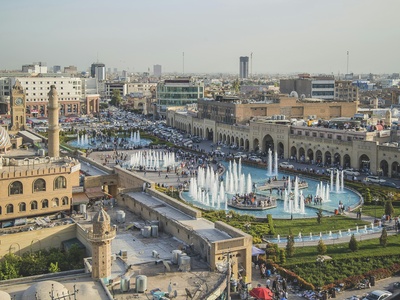
Baghdad
Baghdad’s large public administration, commerce, finance and services sectors sustain broad economic activity. Despite its population size, per‑capita output is moderate due to reconstruction needs and uneven service delivery, though private commerce is expanding.
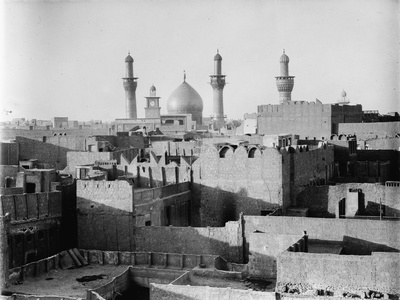
Karbala
Karbala’s economy is driven by major religious tourism, hospitality and retail linked to pilgrimage seasons. Visitor flows generate substantial local income and spur hotel and infrastructure investment, producing elevated seasonal per‑capita earnings.
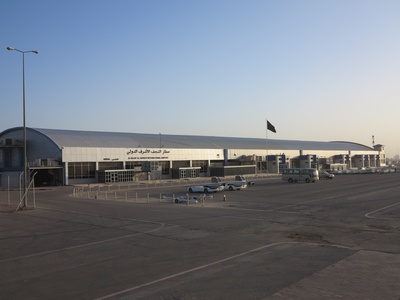
Najaf
Najaf relies on pilgrimage and religious services; hotels, retail and transport earn most local income. Strong visitor demand boosts per‑capita earnings seasonally, though dependence on religious tourism cycles and infrastructure limits year‑round stability.