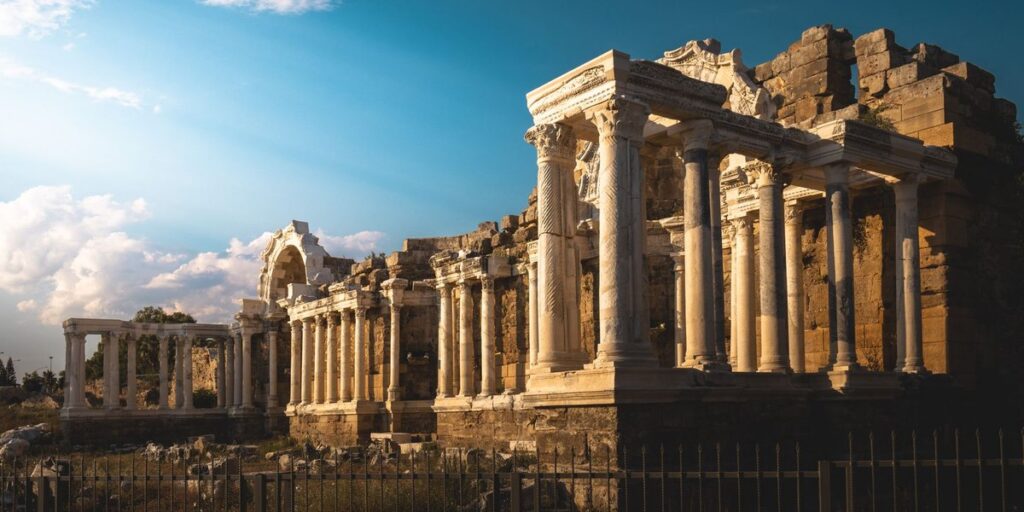
Most lists of ruins in Pakistan stop at the same six UNESCO sites and call it done. Those six are worth your time, but they cover maybe a third of what’s actually standing. Pakistan has Bronze Age cities older than Babylon’s best-known period, Buddhist monasteries from the Kushan era, a sandstone fortress that was never finished, and thousands of rock carvings along a highway most visitors drive straight past.
This guide covers 14 of them, grouped by province so you can build a route. Each entry gives the era, what remains today, and a practical note on getting there. A short section on current condition and safety follows the list.
Contents
- Ruins in Pakistan at a glance
- Sindh
- Punjab
- Khyber Pakhtunkhwa
- Gilgit-Baltistan
- What condition are the sites in?
- How to visit ruins in Pakistan
Ruins in Pakistan at a glance
| Site | Period | Province | UNESCO status |
|---|---|---|---|
| Mohenjo-daro | c. 2500-1900 BCE | Sindh | World Heritage |
| Kot Diji | c. 2800-2500 BCE | Sindh | Tentative list |
| Banbhore | 1st century BCE-13th century CE | Sindh | Tentative list |
| Ranikot Fort | Disputed; rebuilt early 1800s | Sindh | Tentative list |
| Makli Necropolis | 14th-18th century | Sindh | World Heritage |
| Harappa | c. 2600-1900 BCE | Punjab | Tentative list |
| Taxila | 6th century BCE-5th century CE | Punjab | World Heritage |
| Rohtas Fort | Begun 1541 | Punjab | World Heritage |
| Katas Raj | c. 6th-10th century CE | Punjab | None |
| Uch Sharif | 12th-15th century | Punjab | Tentative list |
| Takht-i-Bahi | 1st-7th century CE | Khyber Pakhtunkhwa | World Heritage |
| Bhamala | c. 3rd-5th century CE | Khyber Pakhtunkhwa | None |
| Jehanabad Buddha | 7th century CE | Khyber Pakhtunkhwa | None |
| Chilas rock carvings | Prehistoric-1st millennium CE | Gilgit-Baltistan | None |
Sindh
Sindh holds the oldest and the most photographed ruins in the country. The Indus floodplain here supported cities when most of Europe was still in the Neolithic, and the river later drew the sultanates that built Thatta.
1. Mohenjo-daro
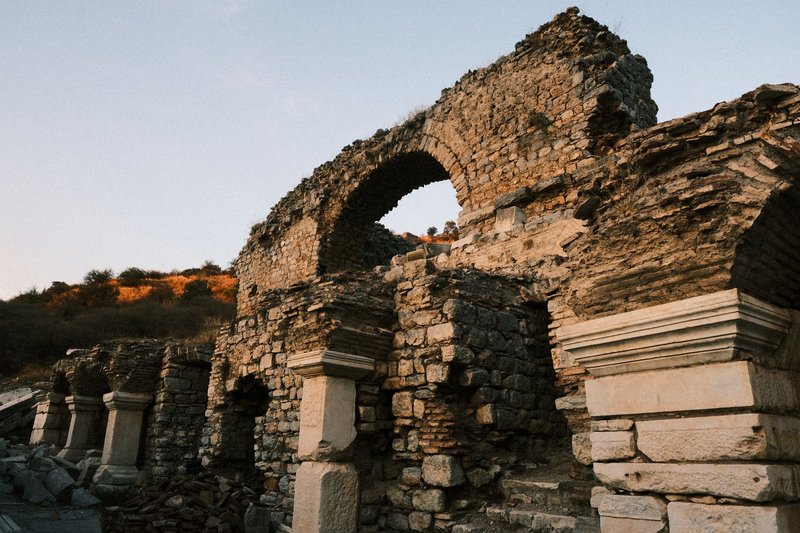
Mohenjo-daro is the reason most people come. At its peak, roughly 2500 BCE, it was one of the largest cities of the Indus Valley Civilization, laid out on a street grid with brick houses, wells in nearly every block and covered drains running under the lanes. The Great Bath, a brick-lined tank about 12 by 7 metres, still sits at the top of the main mound. A later Buddhist stupa from the Kushan period caps the highest point, which is how you find your bearings when you arrive.
You can walk the streets and step into house footprints, which is the draw. Nobody has ever found a palace or a royal tomb here, and that absence is half of what makes the place strange. UNESCO inscribed the site in 1980.
Visit: Near Larkana, about 30 km away. Best from November to February; summer heat regularly passes 45 °C. There’s a small site museum, and the walking circuit takes two to three hours.
2. Kot Diji
Kot Diji gives its name to an Early Harappan culture dated to roughly 2800-2500 BCE, the phase before the big planned cities. The site is a mound beneath a later fortress, with the earlier settlement’s stone foundations and burnt-brick structures showing how the Indus towns were already fortifying themselves a few centuries before Mohenjo-daro peaked.
The fortress on top is a separate story. Talpur rulers built it in the late 1700s, and it’s in far better shape than the prehistoric layers below. You get both in one stop, and almost no other visitors.
Visit: Khairpur district, a straightforward add-on if you’re passing through Sukkur or Khairpur. Go November to February.
3. Banbhore
Banbhore is a port city on the Indus delta coast near Karachi, occupied from about the 1st century BCE to the 13th century CE. Many archaeologists link it to Debal, the port that Arab forces reached in the early 8th century, though that identification is still argued over. What survives is a fortified mound, the outline of streets and houses, and the foundations of a mosque that some scholars place among the earliest on the subcontinent.
It’s a modest site visually. The reason to go is that it marks where Islam, Buddhist trade routes and the Arabian Sea all met, and it takes half a day from Karachi, not a multi-day trip.
Visit: About 65 km east of Karachi, off the road toward Thatta. Best October to March. A small on-site museum displays finds.
4. Ranikot Fort
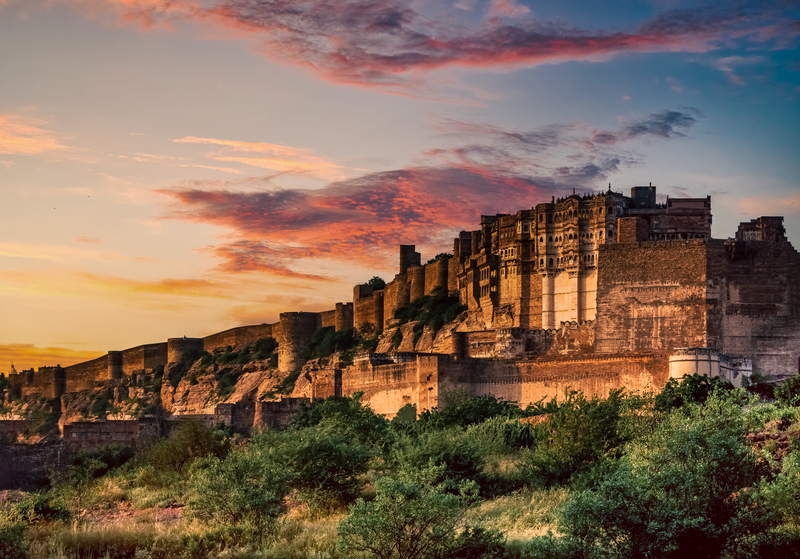
Ranikot’s walls follow the ridgeline of the Kirthar foothills for around 26 km, which is why it gets called the Great Wall of Sindh. Who built it is unresolved. The version you’ll see on signage credits the Talpur rulers, who rebuilt and strengthened it in the 1800s, but some historians argue the original lines are far older.
What you get today is a long run of stone and mortar bastions climbing and dropping across dry hills, plus the Sann Gate, the largest of four entrances. The scale matters more than any single detail. You can’t take it in from one spot, and most visitors only cover the inner Miri Fort, a smaller citadel inside the outer wall.
Visit: Reached from the town of Sann, a few hours by road from Karachi or Hyderabad. Go in winter, take water, and arrange a local guide or driver because signage is thin.
5. Makli Necropolis
Outside Thatta, Makli is a hillside cemetery that spans the 14th to the 18th century. The Samma, Arghun, Tarkhan and Mughal dynasties all buried their rulers and notables here, so a single walk takes you from plain stone chambers through to intricate sandstone carving and glazed tilework. Estimates of the number of graves run as high as a million, though nobody has counted.
Look for the tomb of Jam Nizamuddin II, a sandstone square from the early 16th century, and the two-storey tomb of Isa Khan Tarkhan II, built in the 1600s with Gujarati-influenced stonework. UNESCO listed Makli in 1981.
Visit: Thatta is about 100 km east of Karachi, an easy day trip. Best November to February. Mornings give you the light on the carved stone and the lowest heat.
Punjab
Punjab has the broadest span: a Bronze Age brick city, Alexander-era Taxila, Hindu temple complexes in the Salt Range and the long Sufi tomb trail that leads to Uch.
6. Harappa
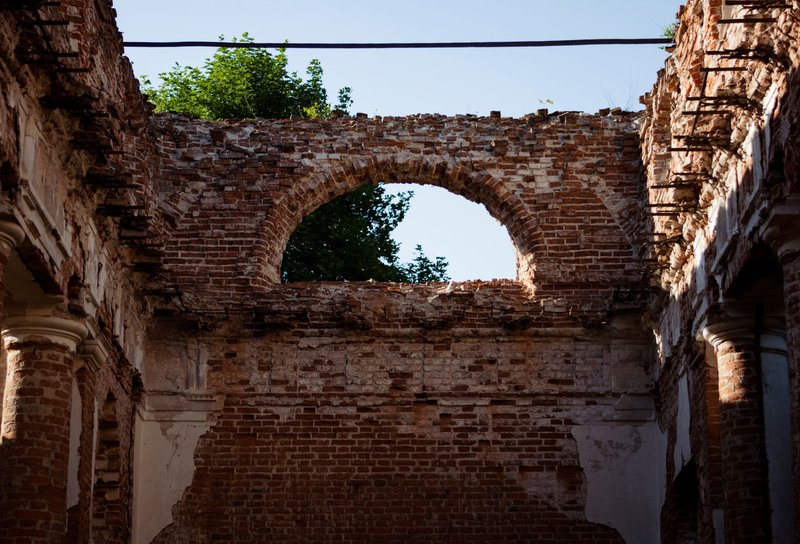
Harappa gave the Indus Valley Civilization its other name, the Harappan culture. It was a city of an estimated 20,000 or more people between about 2600 and 1900 BCE, and excavations began in 1921 under Daya Ram Sahni. By then the site had already lost a lot. In the 1850s, contractors building the Lahore-Multan railway pulled bricks from the ancient mounds for track ballast, and the ruins fed a substantial stretch of line.
What remains is smaller than Mohenjo-daro: low brick walls, a granary platform, working-floor remnants and excavated burial grounds. The site museum, with seals, beads and pottery, matters more here than at most places because it helps you reconstruct what the mounds can no longer show.
Visit: Roughly 25 km west of Sahiwal, which sits between Lahore and Multan. Best October to March.
7. Taxila
Taxila is not one ruin but a cluster, and it deserves most of a day. The settlement shifted across three locations over several centuries. Bhir Mound, the earliest, dates to around the 6th century BCE. Sirkap, built by Bactrian Greeks in the 2nd century BCE, is laid out on a Hellenistic grid that’s still readable at ground level. Sirsukh is Kushan. Around them sit the Buddhist sites: the Dharmarajika stupa, the Jaulian monastery on its hilltop and Mohra Muradu, where stucco figures survive in niches.
Taxila was a university town and a trade stop between Central Asia and the Indian plains. The Taxila Museum, small and old-fashioned, holds Gandharan sculpture that’s worth the entry on its own. UNESCO inscribed Taxila in 1980.
Visit: About 35 km northwest of Islamabad. Best October to March. Hire a driver, since the sites are spread across several kilometres, and start with Sirkap and Dharmarajika.
8. Rohtas Fort
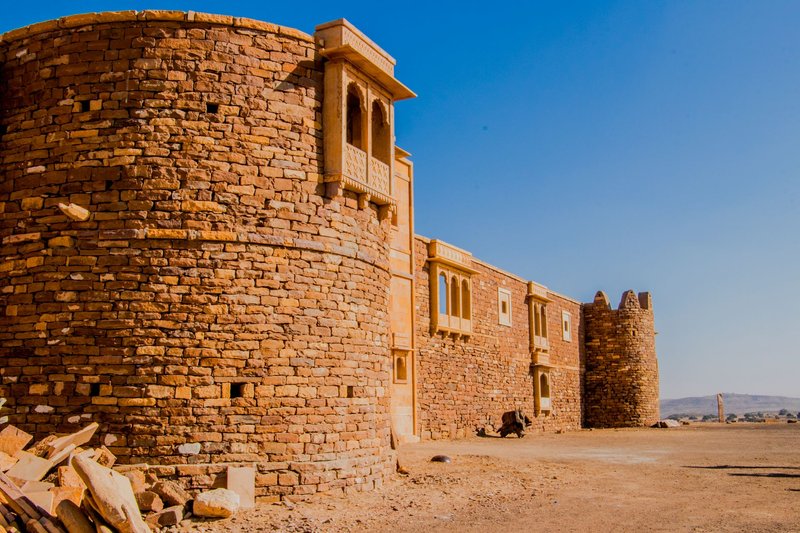
Sher Shah Suri began Rohtas in 1541 to control the Gakhar tribes who had resisted his rule, and he died before it was finished. It’s an unusual fortress: roughly four kilometres of sandstone walls following a ridge, twelve gates, and no palace complex of any real size, because the builders never got that far. The Sohail Gate, with its carved stone and calligraphy, is the one that appears in photographs.
Large parts are ruined, so the experience is of walking along walls that go further than you expect, with gaps where collapsed sections open onto the Jhelum plain. UNESCO listed it in 1997.
Visit: About 15 km from Jhelum, close to the Grand Trunk Road. Best October to March. Allow two to three hours and sturdy shoes.
9. Katas Raj
Katas Raj is a Hindu temple complex in the Salt Range, centred on a sacred pool that tradition says formed from Shiva’s tears after the death of Sati. The brick and stone shrines, known as the Satgraha, date broadly to the 6th to 10th century CE under the Hindu Shahi period, and they’re in various states of ruin. A Buddhist stupa and a later haveli are also on the grounds.
It has had a rough few decades. The pool shrank sharply because of groundwater extraction and nearby industry, and Pakistan’s Supreme Court took up the problem in 2012. Restoration has followed, but check what’s open before you arrive.
Visit: Chakwal district, a short drive from the Kallar Kahar exit on the M2 motorway. Best October to March.
10. Uch Sharif
Uch was a centre of Sufi learning for centuries, and its tombs are among the oldest tile-decorated buildings in South Asia. The three main monuments are the tombs of Bibi Jawindi, Baha’al-Halim and Jalaluddin Surkh-Posh Bukhari, dating from the 12th to the 15th century. Blue-and-white glazed tile and carved brick cover their surfaces.
Floods and the shifting course of the river have eroded the complex, and parts of Bibi Jawindi’s tomb have collapsed over the centuries. That fragility is the draw for many visitors: you’re seeing a building that’s actively disappearing.
Visit: About 70 km from Bahawalpur, which is the nearest city with hotels. Best October to March; the area is very hot from April.
Khyber Pakhtunkhwa
The Gandhara region sits mostly in what’s now Khyber Pakhtunkhwa. From roughly the 1st to the 5th century CE it was a Buddhist heartland, which is why this province has the densest concentration of monasteries in the country.
11. Takht-i-Bahi
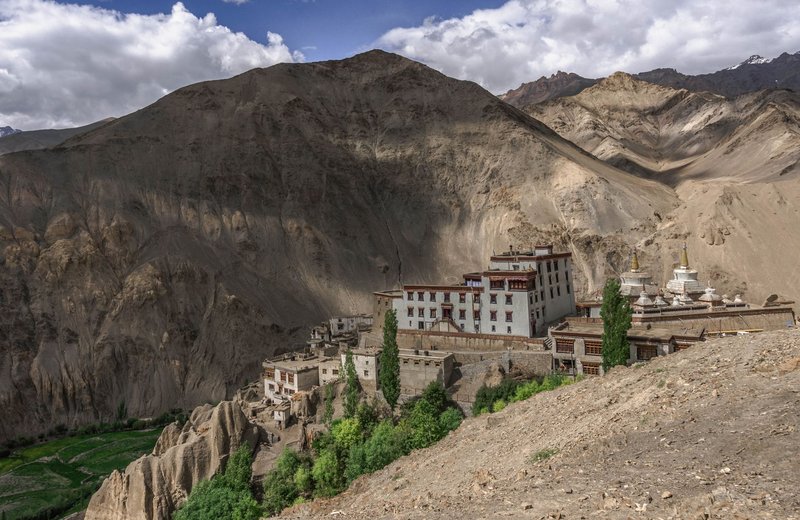
Takht-i-Bahi is a Buddhist monastery complex built on a ridge around 150 metres above the Mardan plain, founded in the 1st century CE and used until about the 7th century. It’s the best-preserved monastery in Pakistan. Courtyards, a main stupa court, meditation cells, assembly halls and a stepped stairway are all still legible, and the dark stone walls with their bits of stucco give it a different look from the red brick of the Indus sites.
At the foot of the hill are the remains of Sahr-i-Bahlol, a small fortified town contemporary with the monastery. UNESCO inscribed both together in 1980.
Visit: About 15 km from Mardan, and roughly two hours’ drive from Islamabad. The climb up takes 20 to 30 minutes. Best October to April.
12. Bhamala
Bhamala is a Buddhist stupa complex near Haripur, dating to about the 3rd to 5th century CE. The main stupa has a cross-shaped base, with a courtyard and monastic quarters around it. Excavators found a Buddha in parinirvana (reclining at death), around 14 metres long, which ranks among the largest of its kind in the region.
It’s an easy add-on to Taxila if you want a quieter second Buddhist site, with a riverside setting and far fewer visitors. The rural surroundings help.
Visit: Near Haripur, around an hour from Islamabad. Best October to March.
13. Jehanabad Buddha
In the Swat Valley, a seated Buddha about 7 metres tall is carved into a cliff face, dating to roughly the 7th century CE. It sits in the same valley that Buddhists once called Uddiyana, a major centre of the religion before Islam reached the area.
The carving has a recent history. In 2007, militants attacked the Buddha’s face with explosives. An Italian conservation team (working with Pakistani authorities) restored the face, and the work was finished in the early 2010s. The patched stone is visible if you look close, and I’d argue that’s part of what makes it worth seeing.
Visit: A short drive from Mingora, the main town of Swat. Best March to October. Check current security advice before you go.
Gilgit-Baltistan
14. Chilas rock carvings
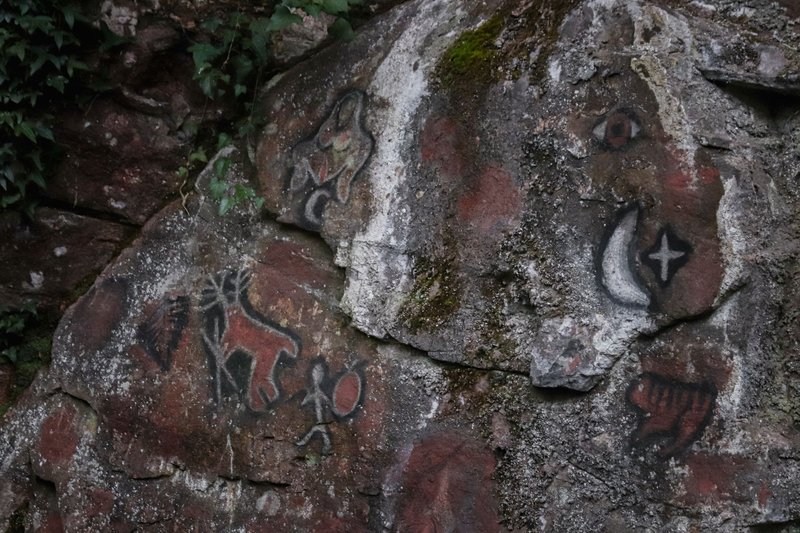
Along the upper Indus, on boulders and cliff faces beside the Karakoram Highway, there are an estimated 50,000 petroglyphs and inscriptions. They run from prehistoric hunting scenes through to stupas, Buddhas and inscriptions in Kharosthi, Brahmi, Sogdian and other scripts left by traders and pilgrims who used this corridor between India and Central Asia. The densest clusters are near Chilas, Thalpan and Hodar.
You won’t find walls or ruined buildings here. You’ll find rocks to scramble over and carvings that are easy to miss until a guide points them out. The Diamer-Bhasha Dam reservoir will flood stretches of the river valley, and some carvings will end up underwater, which makes this one to see sooner rather than later.
Visit: Chilas is on the Karakoram Highway, about halfway between Islamabad and Gilgit. Best April to June and September to October; the valley is very hot in midsummer. Ask at your hotel for a local guide, because most carvings have no signs.
What condition are the sites in?
Short answer: fragile, and often underfunded. Mohenjo-daro’s brick walls suffer from salt rising through groundwater, and the heavy rain in 2022 damaged parts of the site. Gandhara sites have faced decades of looting, with sculptures taken from monasteries and sold abroad. Uch and Makli both lose material each year to weather and river erosion.
None of this means the sites are closed. It means a visit now matters in a practical way, since entry fees fund some of the upkeep, and it means you should go with some flexibility. A gate that was open last year may be shut for repair this year.
How to visit ruins in Pakistan
Group by region. Taxila, Bhamala and Takht-i-Bahi fit into a three- or four-day trip from Islamabad. Mohenjo-daro, Kot Diji and Makli work as a Sindh loop from Karachi or Sukkur. Harappa, Uch and Katas Raj are spread out and need their own transport.
Time it for winter. Most of the country’s ruins sit in the plains, where the best weather runs from late October to early March. Gilgit-Baltistan flips that, with spring and autumn the sweet spots.
Hire local help. A driver is close to essential for Taxila, Ranikot and Chilas, where sites are scattered and signs are limited. Hotels and tour operators can arrange this on short notice.
Check security advice. Conditions change by district. Before you book, read the current UK government travel advice for Pakistan and check with your own country’s foreign ministry, particularly for Swat, rural Sindh and Gilgit-Baltistan. Some areas may require permits or registration.
Carry cash. Entry fees at archaeological sites are low, but card machines are rare, and foreign visitors are often charged a higher rate than locals.
Pick two or three from this list and the rest will follow. Most people who start with Mohenjo-daro end up planning a second trip for the Buddhist sites. The ruins in Pakistan are spread wider and run deeper than the standard six suggest, and the lesser-known ones are where you’ll have the place to yourself.