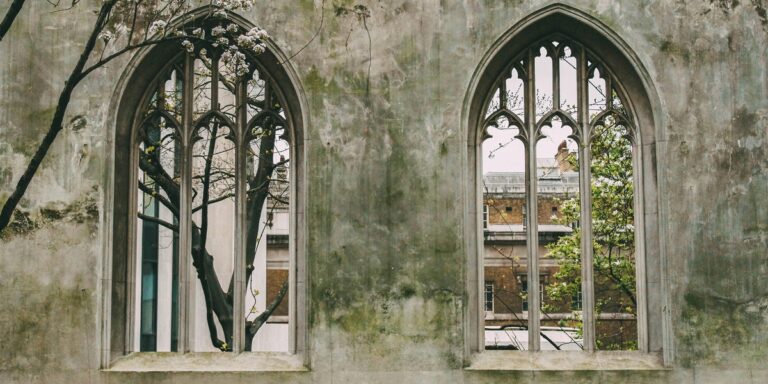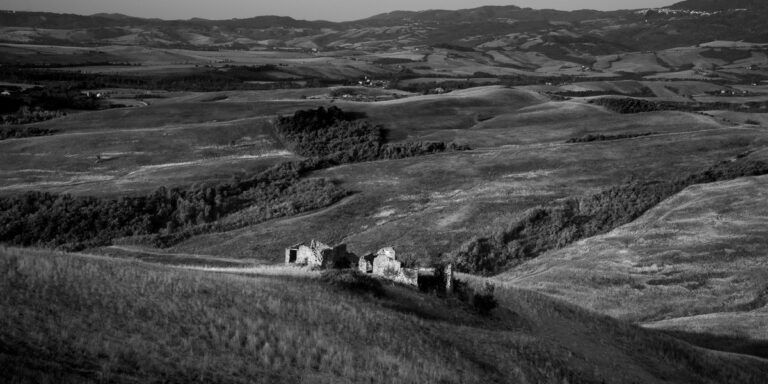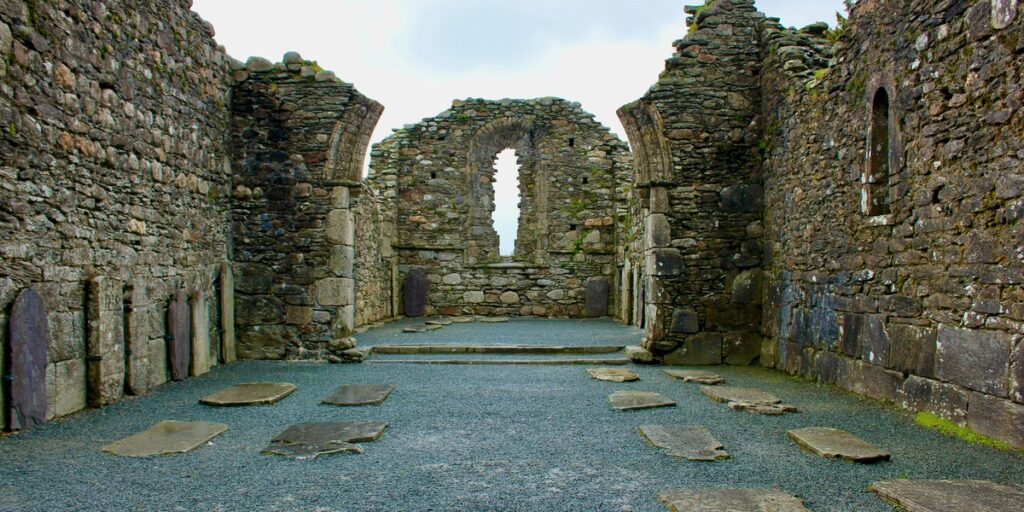
Dublin and the surrounding counties are scattered with abbeys, castles, fortified houses and walled settlements that tell the story of Ireland’s past — perfect for short drives, walks and history-minded day trips. Whether you prefer a quick suburban stop or a longer outing, there’s a ruin to match your pace and interest.
There are 39 Ruins near Dublin, ranging from Ballymount Great Castle to Trim Castle. For each site the essential details are organized as Distance (km), County, Era / Type to help you plan visits — you’ll find below.
How far are these ruins from Dublin city centre?
Distances vary by site, but the list includes very short trips out of the city as well as places best reached by car; use the Distance (km) column to sort options and pick ones that fit your available time and transport.
Are these ruins generally open to visitors and is there an entry fee?
Access varies: some ruins sit on public land or town parks with free access, while others are on managed heritage sites or private property that may have opening times and admission charges — check local county or site webpages before you go.
Ruins Near Dublin
| Name | Distance (km) | County | Era / Type |
|---|---|---|---|
| Glendalough Monastic Site | 50 | Wicklow | 6th c early Christian monastic city |
| Trim Castle | 46 | Meath | 12th c Anglo-Norman castle |
| Bective Abbey | 45 | Meath | 12th c Cistercian abbey |
| Hill of Tara | 38 | Meath | Prehistoric & Early Christian royal site |
| Monasterboice | 55 | Louth | 5th c early Christian monastic site |
| Old Mellifont Abbey | 50 | Louth | 12th c Cistercian abbey |
| Castleroche Castle | 85 | Louth | 13th c Anglo-Norman castle |
| Maynooth Castle | 25 | Kildare | 12th c Norman castle |
| Hell Fire Club | 16 | Dublin | 18th c hunting lodge |
| Black Castle | 50 | Wicklow | 12th c Norman coastal fortress |
| Hill of Slane | 48 | Meath | 16th c friary and church ruin |
| Jigginstown House | 35 | Kildare | 17th c unfinished palace |
| Swords Castle | 14 | Dublin | 13th c fortified episcopal residence |
| Donadea Castle | 40 | Kildare | 17th c tower house ruin |
| St. Mary’s Abbey, Howth | 16 | Dublin | 15th c collegiate church |
| Baltinglass Abbey | 65 | Wicklow | 12th c Cistercian abbey |
| Kells Monastic Site | 65 | Meath | 9th c early Christian monastic site |
| King John’s Castle, Carlingford | 95 | Louth | 12th c Norman coastal castle |
| Clonmore Castle | 98 | Carlow | 13th c rectangular keep castle |
| Rathgall Hillfort | 88 | Wicklow | Bronze Age stone hillfort |
| Old Kilcullen Monastic Site | 52 | Kildare | Early Christian monastic site |
| Carlingford Friary | 95 | Louth | 14th c Dominican friary |
| Duleek Abbey | 45 | Meath | 12th c Augustinian Priory |
| Rathmore Church | 60 | Meath | 15th c manorial church |
| Clondalkin Round Tower | 10 | Dublin | 8th c monastic round tower |
| Moone High Cross | 70 | Kildare | 8th c high cross and monastic ruin |
| Scurlockstown Bawn | 40 | Meath | 15th c fortified farmhouse |
| Castledermot Friary | 80 | Kildare | 13th c Franciscan Friary |
| St. John’s Priory, Newtown Trim | 47 | Meath | 12th c Augustinian priory |
| Kindlestown Castle | 25 | Wicklow | 13th c hall house |
| Ballymount Great Castle | 10 | Dublin | 17th c fortified house |
| Kilgobbin Castle | 14 | Dublin | 13th c Norman castle |
| St. Mary’s Church, Julianstown | 40 | Meath | 15th c fortified church |
| The Mint, Carlingford | 95 | Louth | 15th c fortified town house |
| Threecastles Castle | 25 | Kildare | 15th c tower house |
| Shankill Castle | 20 | Dublin | 15th c fortified tower house |
| St. Anne’s Church, Raheny | 9 | Dublin | Medieval parish church |
| Donaghmore Round Tower & Church | 50 | Meath | 10th c monastic site |
| St. Kevin’s Church, Kilnamanagh | 12 | Dublin | Medieval church ruin |
Images and Descriptions
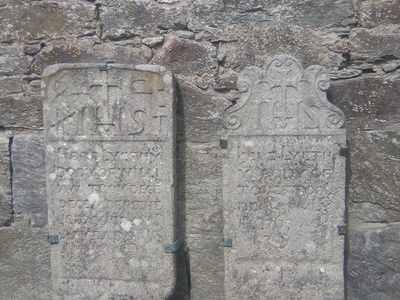
Glendalough Monastic Site
A breathtaking valley with a wealth of ruins, including a round tower, churches, and a cathedral founded by St. Kevin. Easily accessible via marked trails, it’s one of Ireland’s most significant and beautiful historic sites.
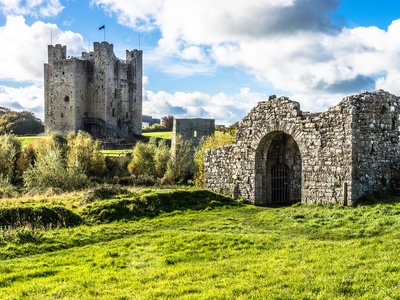
Trim Castle
The largest Anglo-Norman castle in Ireland, with a massive three-storey keep and curtain walls. Famous as a filming location for Braveheart, it’s a fantastic OPW-managed site to explore, offering a real sense of medieval scale.
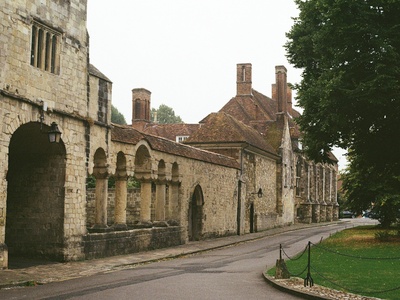
Bective Abbey
A beautifully preserved Cistercian abbey ruin with intact cloisters and impressive stone architecture. Located on the River Boyne, it’s free to access and offers a peaceful, atmospheric visit. Also featured in the movie Braveheart.

Hill of Tara
The ancient ceremonial and burial site of the High Kings of Ireland. While mostly earthworks, it features the Lia Fáil (Stone of Destiny) and the ruins of a church, offering profound historical significance and panoramic views.
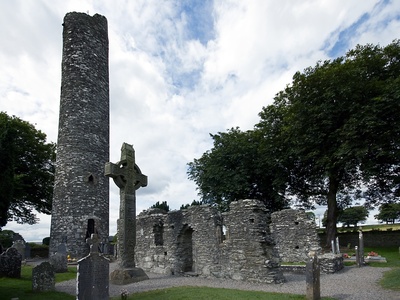
Monasterboice
Home to two of Ireland’s finest high crosses, Muiredach’s Cross and the West Cross, which feature intricate biblical carvings. The site also includes a round tower and two ruined churches, making it a key monastic landmark.
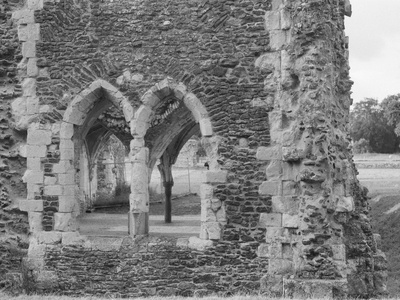
Old Mellifont Abbey
The ruins of the first Cistercian monastery in Ireland, notable for its unique octagonal lavabo (wash house). An OPW heritage site with a visitor centre, it offers insight into the lives of medieval monks in a peaceful setting.
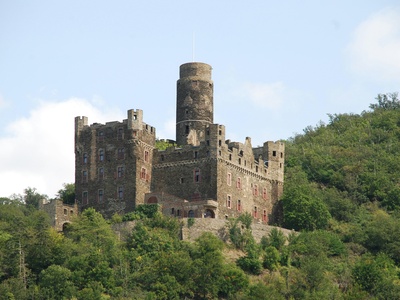
Castleroche Castle
A dramatic triangular castle ruin perched on a rocky outcrop with commanding views of the surrounding countryside. Associated with the formidable Lady Rohesia de Verdun, it’s a stunning and photogenic site, though access requires a short walk.
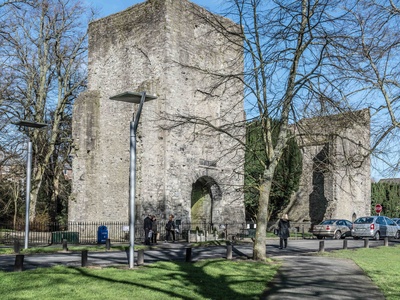
Maynooth Castle
A substantial ruined castle keep and gatehouse at the entrance to Maynooth University. Once the stronghold of the powerful FitzGerald dynasty, this OPW site is easily accessible and offers guided tours to explore its formidable tower.
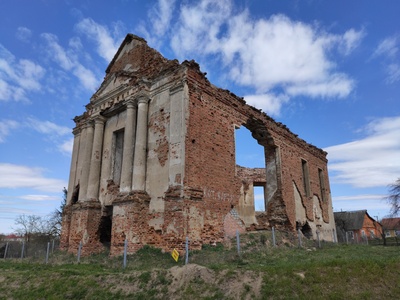
Hell Fire Club
Perched atop Montpelier Hill, this spooky, roofless lodge was built using stones from a prehistoric cairn. It’s famous for legends of debauchery and the supernatural. A popular hike with stunning views over Dublin city.
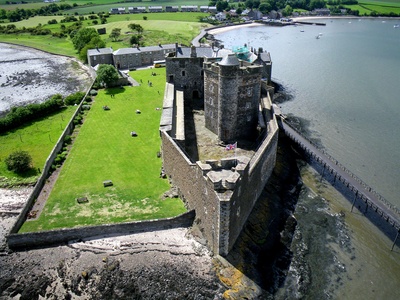
Black Castle
Clinging to a promontory overlooking the Irish Sea, the romantic ruins of Black Castle offer dramatic sea views. Built by the FitzGerald family, it’s a free and publicly accessible site perfect for a scenic coastal walk from Wicklow town.
Hill of Slane
A site steeped in legend, where St. Patrick is said to have lit the paschal fire. The hilltop features the ruins of a Franciscan friary and a prominent church tower, offering panoramic views of the Boyne Valley.
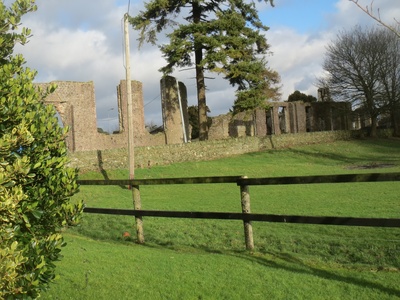
Jigginstown House
Known as the ‘unfinished palace’, these are the vast ruins of a formal residence started for the Earl of Strafford. The impressive brick structure with its massive cellars gives a glimpse of colossal ambition that was never realised.
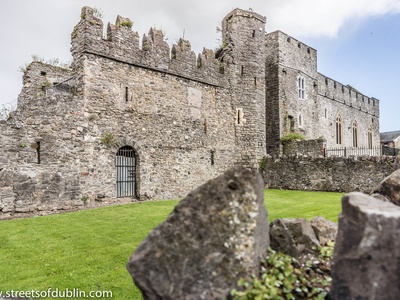
Swords Castle
A large, walled complex that served as a residence for the Archbishop of Dublin. Extensively restored but with significant original and ruined sections, it’s a free-to-enter public park offering a look at Dublin’s medieval past.
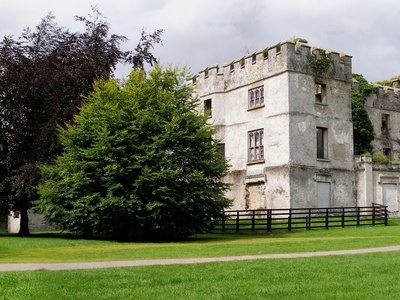
Donadea Castle
The ivy-clad ruins of the Aylmer family castle stand within the beautiful Donadea Forest Park. The castle, along with a ruined church and walled garden, provides a romantic and historic centrepiece for the park’s many walking trails.
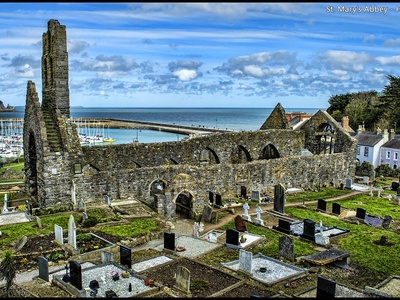
St. Mary’s Abbey, Howth
Perched on a hill overlooking Howth Harbour, these atmospheric ruins include a distinctive bell-cote and several medieval tombs. The surrounding grounds are a peaceful spot with fantastic views of Ireland’s Eye, easily reached from the village.
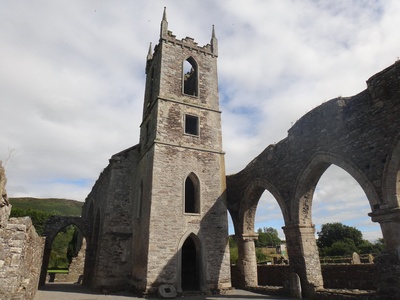
Baltinglass Abbey
The beautiful ruins of a Cistercian monastery, known for its mix of Romanesque and Gothic architecture. The remaining arches and pillars of the abbey church are particularly impressive and are freely accessible within the town of Baltinglass.
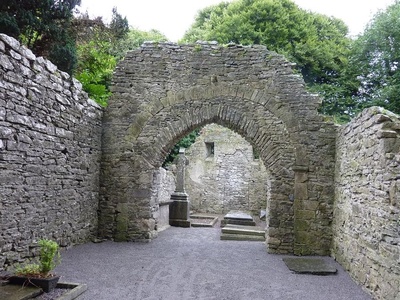
Kells Monastic Site
A major monastic centre famous for the Book of Kells. The site today includes a well-preserved round tower, several high crosses, and St. Columb’s House, a small stone oratory. A historic trail guides you through the town’s ruins.
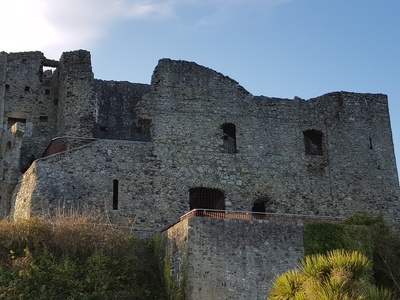
King John’s Castle, Carlingford
Dominating the shoreline of Carlingford Lough, this large ruin was commissioned by Hugh de Lacy around 1210. Its dramatic location and extensive walls make it a landmark site, though direct access to the interior is sometimes restricted.
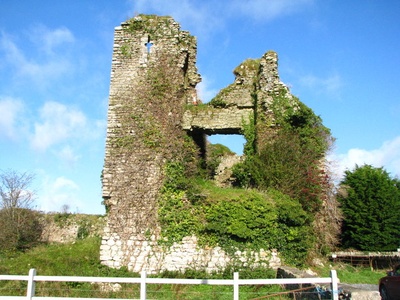
Clonmore Castle
One of the earliest examples of a rectangular keep in Ireland, this large ruin was a key stronghold in the Norman-controlled Pale. Its massive, crumbling walls are freely accessible and offer a sense of raw, untouched history.
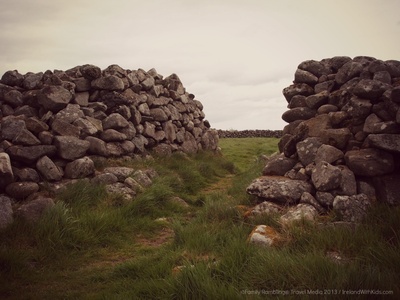
Rathgall Hillfort
An impressive prehistoric stone fort with three massive circular stone ramparts still clearly visible. Located on a hilltop with extensive views, this large and ancient ruin offers a tangible connection to Ireland’s deep past. Access is permitted by the landowner.
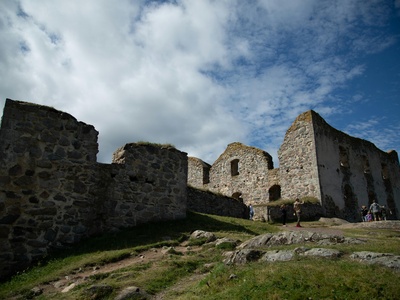
Old Kilcullen Monastic Site
An atmospheric hilltop site featuring the remains of a round tower and several fascinating, though weathered, high crosses. It offers a quiet, contemplative experience with panoramic views of the surrounding Kildare countryside.
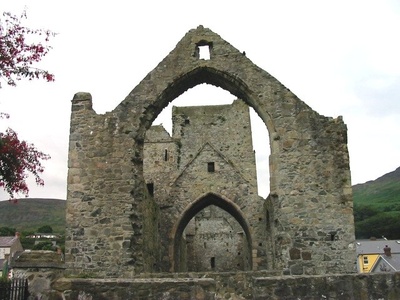
Carlingford Friary
A well-preserved Dominican priory ruin located within the charming medieval town of Carlingford. Its most prominent feature is the tall, slender bell tower. The site is freely accessible and adds to the historic atmosphere of the town.
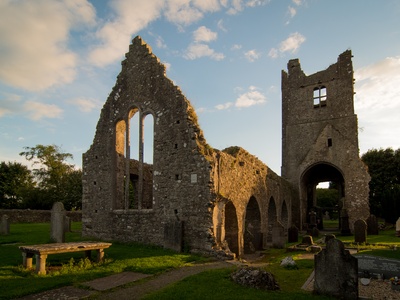
Duleek Abbey
Site of one of Ireland’s first stone churches. The extensive ruins seen today are from a 12th-century priory, featuring a prominent tower and the tomb of a Norman knight. An important and freely accessible historical site.
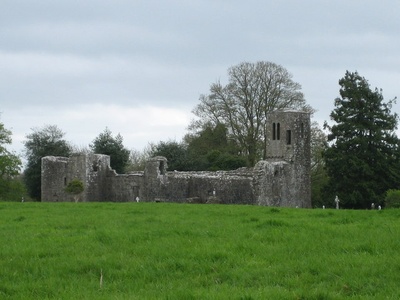
Rathmore Church
A large and impressive late medieval church ruin, notable for its fine stone carvings and the tomb of the Plunkett family. Standing alone in a field, its scale and detail suggest the wealth of its patrons.
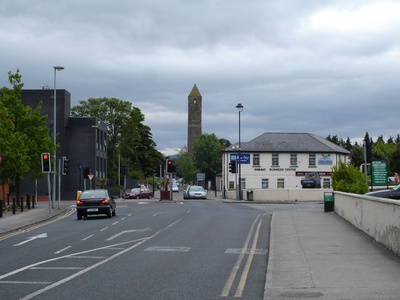
Clondalkin Round Tower
One of the best-preserved round towers in Ireland, complete with its original conical cap. Standing at 26 metres tall, it is the main surviving feature of a monastery founded by St. Crónán. A visitor centre nearby details its history.
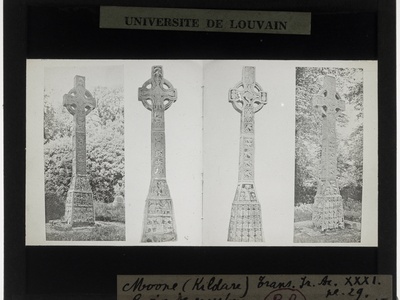
Moone High Cross
Site of a spectacular, slender 8th-century high cross covered in intricate biblical panels. The cross stands on the grounds of a ruined medieval church, offering a stunning example of early Christian art in a peaceful setting.
Scurlockstown Bawn
A unique and well-preserved example of a 15th-century fortified farm enclosure, or bawn. The high stone walls and corner towers were built to protect a farming family from raids. It is an interesting look at rural medieval life.
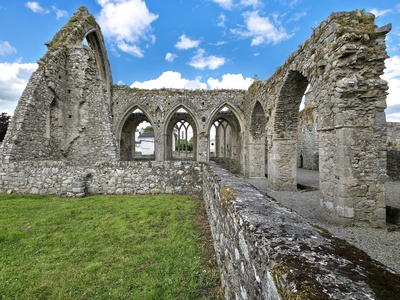
Castledermot Friary
The extensive ruins of a Franciscan friary, including a church with a beautiful east window and a prominent bell tower. Located in Castledermot, the ‘Friary on the Inchaquire’, it is an atmospheric and easily visited site.
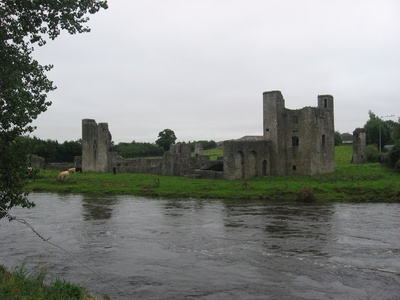
St. John’s Priory, Newtown Trim
The ruins of the oldest Augustinian priory in Ireland, located a short walk from Trim Castle along the River Boyne. The site includes the impressive ruin of the priory church, once the largest in the country.
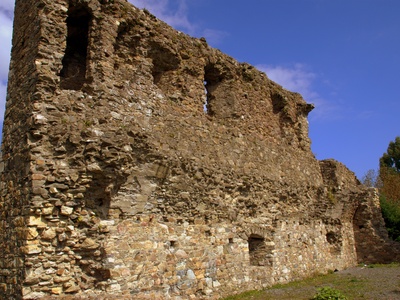
Kindlestown Castle
The ruins of a rare early Norman hall house, a type of undefended residential dwelling. Located near Greystones, its remaining walls, including a fine twin-light window, offer a glimpse into the domestic life of early settlers.
Ballymount Great Castle
The substantial ruins of a fortified house built in the early 1600s but burned down just a few decades later. The remaining gables and walls are an imposing sight in a suburban park, showing a transitional style between castle and house.
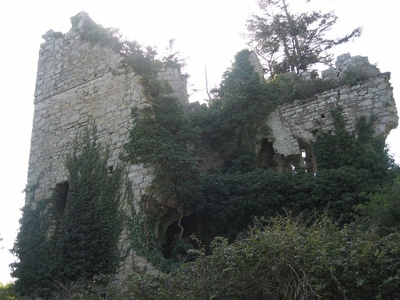
Kilgobbin Castle
The tall, slender ruin of a castle belonging to the Walsh family, who controlled this area for centuries. Located near Stepaside, its remaining tower is a prominent landmark and a reminder of the Norman presence in the Dublin mountains foothills.
St. Mary’s Church, Julianstown
The ruins of a medieval parish church with a distinctive, strongly fortified bell tower. Such ‘tower house’ churches were common in The Pale, serving both religious and defensive purposes for the local community.
The Mint, Carlingford
A well-preserved, three-storey fortified town house or tower house in medieval Carlingford. Although called ‘The Mint’, it was likely the residence of a wealthy merchant, notable for its intricately carved windows.
Threecastles Castle
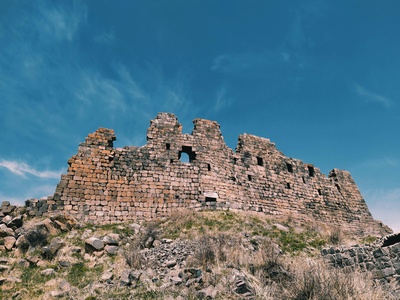
The ruin of a classic Pale tower house, built for defence against raids from the nearby Wicklow mountains. It is one of three castles built by the Archbishop of Dublin to protect the area, and its remains are impressive.
Shankill Castle
The ruins of a Pale tower house, built as a defensive outpost for Dublin. Located near the medieval church and graveyard, the remaining walls give a sense of the fortifications that once dotted the landscape south of the city.
St. Anne’s Church, Raheny
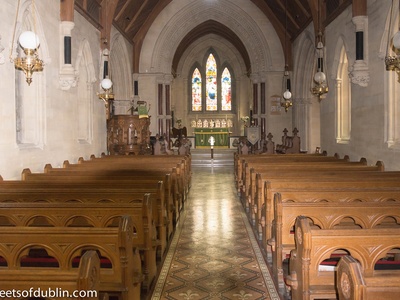
The atmospheric ruins of a small medieval parish church located within the grounds of St. Anne’s Park. Surrounded by old gravestones, its crumbling walls offer a quiet and historic point of interest within the popular park.
Donaghmore Round Tower & Church
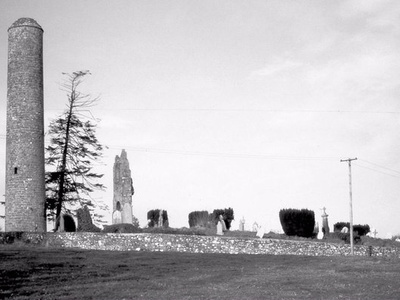
This monastic site features a nearly complete round tower, distinctive for its massive arched Romanesque doorway featuring a carving of the crucifixion. The adjacent ruined medieval church makes it a fascinating historical stop.
St. Kevin’s Church, Kilnamanagh
The humble ruins of a medieval church and graveyard in a suburban setting, marking the site of a 7th-century monastery. It is a quiet local spot that offers a tangible link to the area’s deep Christian heritage.