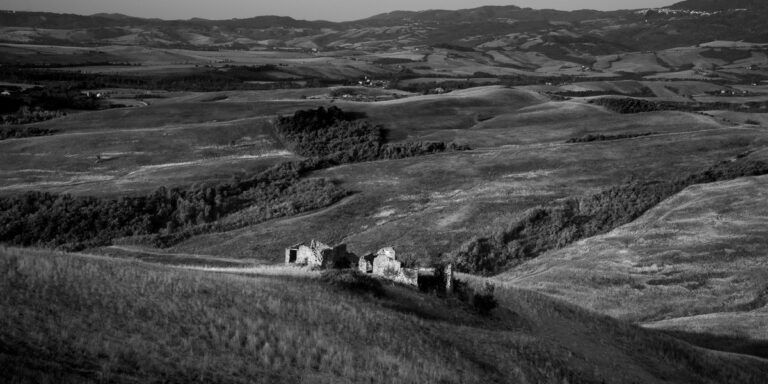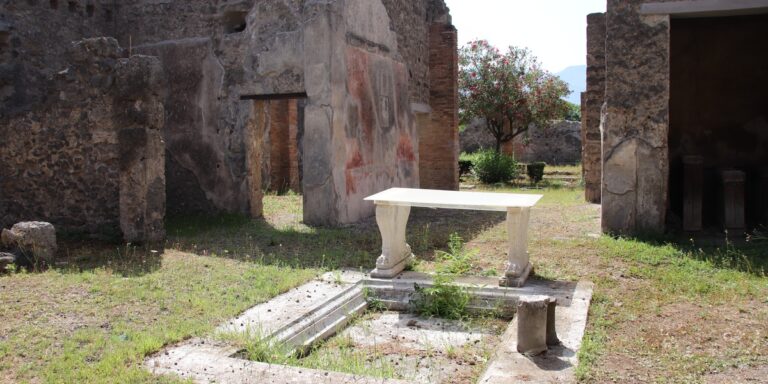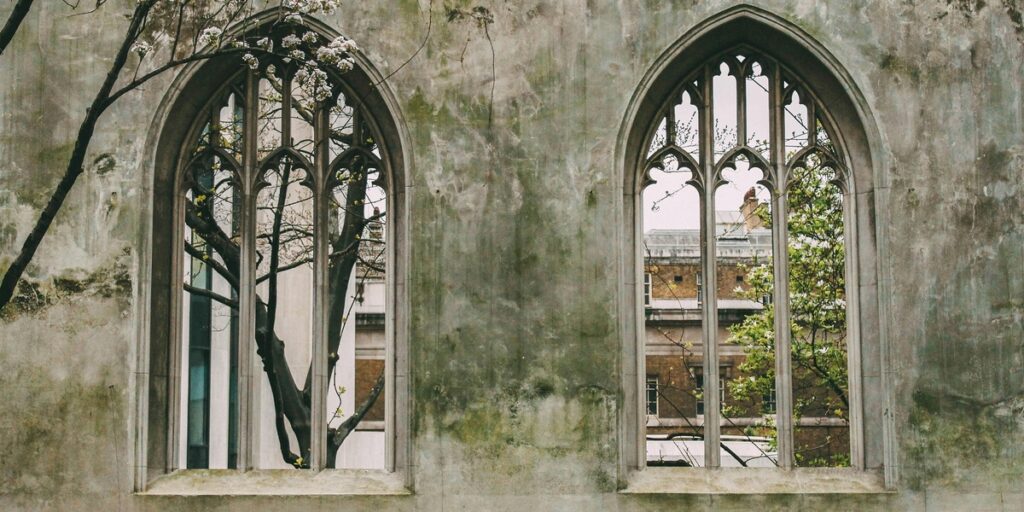
Just beyond the capital’s commuter belt lie weathered walls, ivy-clad towers and quiet churchyards that map out centuries of local life. Short drives and rail hops from London open up an unexpected string of ruins perfect for brief history walks or photography outings.
There are 29 Ruins near London, ranging from All Saints’ Church, Coneyhurst (ruinous church) to Waverley Abbey. For each entry you’ll find Location (nearest town, county),Distance (km),Access (short) so you can compare travel time and practical access details — you’ll find below.
How far are these ruins from central London?
Distances vary but most sites sit within roughly 20–80 km, meaning many are reachable in about 1–2 hours by car or by combining train and a short taxi or walk; check the Distance (km) column for exact figures and local transport notes.
Do I need permission or special gear to visit them?
Access ranges from open public sites to ruins on private land or sensitive ruins with restrictions; the Access (short) entry flags parking, footpath routes or permission needs—wear sturdy shoes and respect signs and boundaries.
Ruins Near London
| Name | Location (nearest town, county) | Distance (km) | Access (short) |
|---|---|---|---|
| Rochester Castle | Rochester, Kent | 49 | Managed by English Heritage, ticketed access |
| Reigate Castle (Keep) | Reigate, Surrey | 36 | Public park with visible keep ruins |
| Newark Priory | Ripley (near Pyrford), Surrey | 45 | Public, riverside ruins, unmanaged site |
| Waverley Abbey | Farnham (near Godalming), Surrey | 54 | English Heritage, managed site |
| Berkhamsted Castle | Berkhamsted, Hertfordshire | 45 | Public park with ruins and earthworks |
| Verulamium Roman Theatre & Wall | St Albans, Hertfordshire | 34 | Managed site, English Heritage, public access |
| Reading Abbey Ruins | Reading, Berkshire | 67 | Public, managed by Reading Borough Council |
| Odiham Castle (King John’s Castle) | Odiham, Hampshire | 61 | Public country park, visible ruins |
| Hadleigh Castle | Hadleigh, Essex | 49 | English Heritage, managed, hilltop ruins |
| Pleshey Castle | Pleshey, Essex | 53 | Public, earthworks and partial walls |
| Reculver Towers & Roman Fort | Reculver (Herne Bay), Kent | 82 | Public coastal site, managed by council |
| Bayham Old Abbey | Lamberhurst, Kent | 70 | Managed ruins, public access (NT nearby) |
| Lewes Priory | Lewes, East Sussex | 75 | English Heritage, managed ruins |
| Bramber Castle | Bramber, West Sussex | 72 | Public, hillside ruins and steps |
| Cooling Castle | Higham, Kent | 47 | Private with occasional open days, limited access |
| St Dunstan-in-the-East | City of London, Greater London | 3 | Public garden, city ruin (open) |
| London Wall (visible sections) | City of London, Greater London | 2 | Public streetside remains, free access |
| Barking Abbey Ruins | Barking, East London | 16 | Public park, visible ruins and gatehouse |
| Copped Hall (ruin core) | Epping, Essex | 25 | Private with tours, partial ruin undergoing restoration |
| Prittlewell Priory (remains) | Prittlewell, Southend-on-Sea, Essex | 68 | Public park, visible priory remains |
| King’s Langley Priory remnants | King’s Langley, Hertfordshire | 35 | Public site with visible remains |
| Merton Priory Ruins | Merton (Merton Park), Greater London | 11 | Public park, visible fragments |
| Rochester Cathedral ruins (Chapel fragments) | Rochester, Kent | 49 | Public cathedral precinct, controlled access |
| All Saints’ Church, Coneyhurst (ruinous church) | Billingshurst area, West Sussex | 72 | Public church ruin, limited facilities |
| Hastings Castle (ruined keep remains) | Hastings, East Sussex | 87 | Historic site, public access with paths |
| Walmer Castle ruins (outer works?) | Deal area, Kent | 95 | Coastal site, partial remains near Sound |
| St Augustine’s Abbey (ruins) | Canterbury, Kent | 96 | English Heritage, managed ruins |
| Bexhill Abbey ruins (St Peter’s)? | Bexhill-on-Sea, East Sussex | 91 | Public fragments, local access |
| Battle of Hastings site (Battle Abbey ruins, partial) | Battle, East Sussex | 100 | Managed by English Heritage, partial ruins |
Images and Descriptions
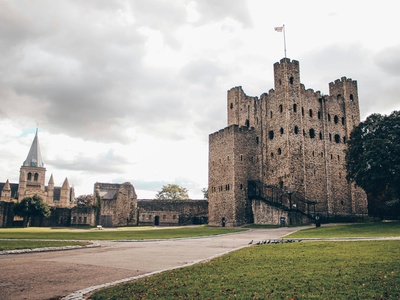
Rochester Castle
Norman castle with one of England’s tallest surviving keeps. Built c.1127, its dramatic tower and curtain walls tell siege stories; easy riverside visit with views, interpretation panels and short walk from Rochester station, ideal for day-trippers exploring Medway towns.

Reigate Castle (Keep)
Small medieval keep and earthworks on Reigate Hill. Mostly reduced to ruins and ruins of a tower, set in a public castle grounds and park; quick visit from town centre offers history and good views across Surrey.
Newark Priory
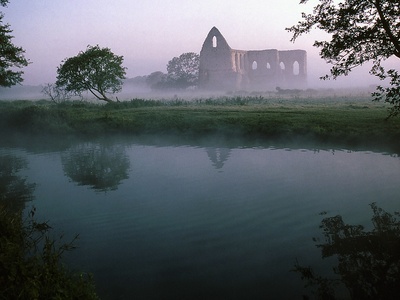
Ruinous 12th-century Augustinian priory beside the River Wey. Substantial masonry remains and arches survive in a picturesque riverside setting; atmospheric, free to explore with limited facilities—bring waterproof shoes in winter.
Waverley Abbey
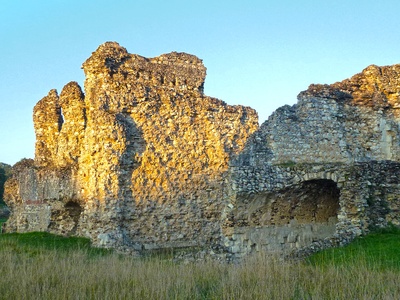
Cistercian abbey founded 1128, now evocative stone ruins set in peaceful woodland near the River Wey. Clear interpretation, easy trails and picnic spots make it a relaxed half-day visit for history lovers and walkers.
Berkhamsted Castle
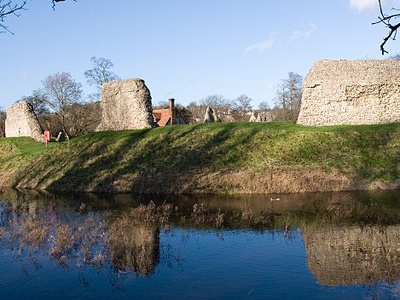
Norman motte-and-bailey with surviving curtain wall and gatehouse fragments. Once a major royal fortress, now a well-signposted site on a hill in town; family-friendly with picnic areas and short walks to explore the motte and ruins.
Verulamium Roman Theatre & Wall
Above-ground Roman theatre remains and fragments of town wall in spacious parkland. The site shows Roman St Albans (Verulamium) with visible masonry and earthworks; combine with the Verulamium Museum for a full visit.
Reading Abbey Ruins
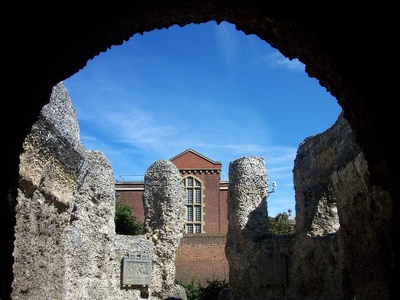
Large medieval abbey ruins founded 1121; partial walls, gateways and cloister traces sit in the town centre. Interpretation panels and easy access; popular for a short historic stroll combined with Reading town and riverside.
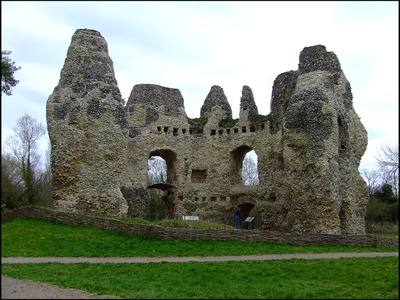
Odiham Castle (King John’s Castle)
Remains of a 13th-century royal castle associated with King John; low stonework and castle earthworks in a peaceful water-meadow setting. Good for walkers and castle-spotters, with riverside paths and local pubs nearby.
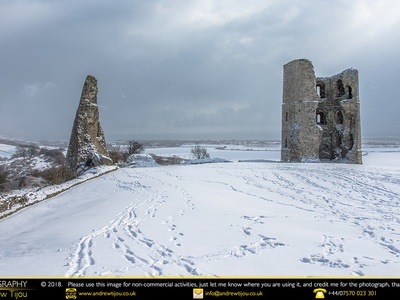
Hadleigh Castle
Ruined 13th-century castle perched on a Suffolk/Essex hill with dramatic estuary views. Only outer walls and fragments remain but the setting and vistas are the main draw; picnic-spot and a short climb from town make it a rewarding trip.
Pleshey Castle
Small motte-and-bailey site with earthworks and stretches of ruined wall. Once a medieval stronghold, the site is tranquil and easy to access from nearby villages; ideal for visitors interested in castle earthworks and quiet rural walks.
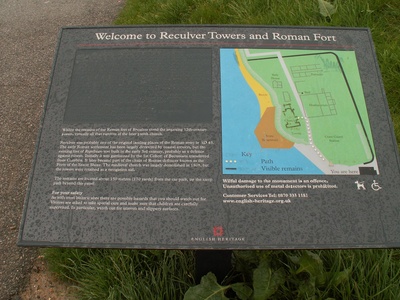
Reculver Towers & Roman Fort
Striking twin medieval church towers set beside Roman fort remains on the coast. Visible Roman masonry, later medieval ruins and sea views combine—great for coastal walks, birdwatching and dramatic photo opportunities; visitor information on site.
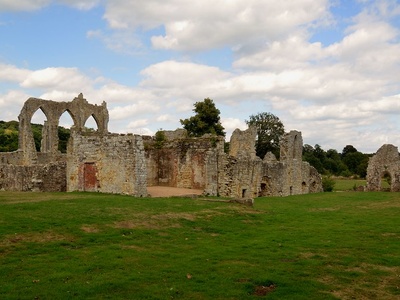
Bayham Old Abbey
Tudor/medieval abbey ruins set in picturesque parkland near Tunbridge Wells. Substantial cloister and church fragments survive; tranquil site for photographers and history walks, often combined with nearby National Trust properties and woodland trails.
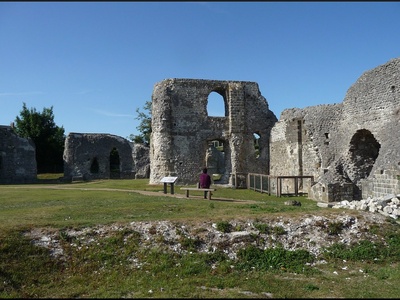
Lewes Priory
One of England’s largest medieval priory ruins (12th–16th centuries). Extensive vaults, walls and cloister fragments sit in town centre gardens with interpretation; very accessible from Lewes station and perfect for combining with Lewes castle and town.
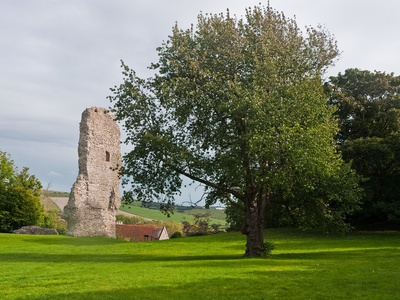
Bramber Castle
Small Norman motte-and-bailey ruin with surviving curtain wall fragments above the Adur valley. A short but steep climb rewards visitors with panoramic views and well-signposted information; pleasant stop on a Sussex day trip.
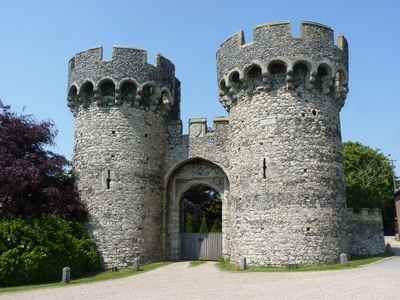
Cooling Castle
Ruined 14th-century moated castle notable for atmospheric brick ruins and moat. Often on private land with irregular open days—check visitor arrangements; a favourite for photographers and those exploring the Hoo Peninsula’s history.
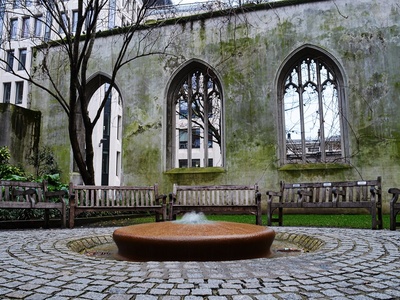
St Dunstan-in-the-East
Wartime-bombed medieval church transformed into a public garden. Ruined stone shell with surviving arches and towers amid planting; peaceful, surprising green space right in the City—easy on-foot visit for central London visitors.
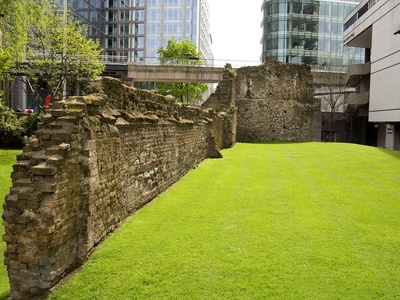
London Wall (visible sections)
Surviving stretches of Roman and medieval city wall visible around the City of London. Scattered above-ground fragments and towers present in streets and parks—combine with a walking route to spot ancient stones among modern buildings.
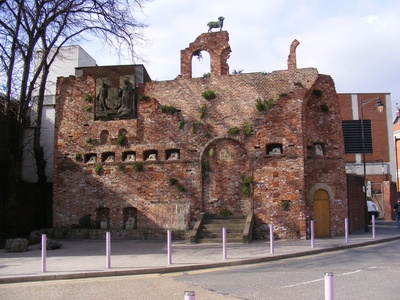
Barking Abbey Ruins
Fragments and the Abbey’s medieval gatehouse footprint survive in Barking Abbey Ruins park. The site interprets a large Anglo-Saxon and medieval abbey; easily reached by public transport and pleasant for short historical walks.
Copped Hall (ruin core)
Large 18th-century mansion largely ruined and undergoing restoration; substantial shell, terraces and garden features remain. Visits by appointment or open days; interesting for industrial archaeology and estate history within easy reach of east London.
Prittlewell Priory (remains)
Small priory ruins and a surviving medieval chapel fragment in a riverside park. The site offers peaceful riverside walks and local interpretation; can be combined with Southend coastal attractions.
King’s Langley Priory remnants
Remains of a Dominican priory and later royal connections (14th century) with earthworks and masonry fragments. Small and quiet, accessible from the village and useful as part of a Hertfordshire abbey and castle trail.
Merton Priory Ruins
Ruins and foundations of a medieval Augustinian priory with interpretive panels in a leafy park. Small above-ground remains and informative signage make it an interesting surprise within suburban south-west London.
Rochester Cathedral ruins (Chapel fragments)
While the cathedral is intact, nearby medieval monastic cloister and chapter house fragments within the precinct are visible as ruinous remains; combine with Rochester Castle and town centre for a full medieval day out.
All Saints’ Church, Coneyhurst (ruinous church)
Small medieval church now largely ruinous and atmospheric in rural West Sussex. Above-ground stonework provides insight into local ecclesiastical history—best visited as part of a countryside walk or heritage route.
Hastings Castle (ruined keep remains)
Norman castle ruins overlooking Hastings with earthworks and surviving masonry fragments. Coastal location gives dramatic views; combine with Hastings town and beach—suitable for half-day exploration with steps and uneven surfaces.
Walmer Castle ruins (outer works?)
Historic coastal fort complex with some ruined elements (older masonry and earthwork remains). Best for visitors interested in layered coastal defences; check local access and combine with Deal and Walmer seaside attractions.
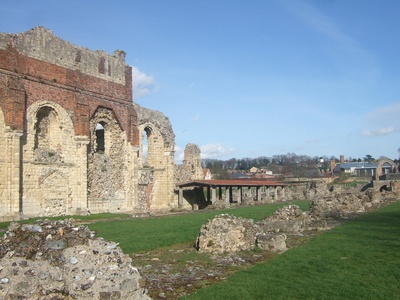
St Augustine’s Abbey (ruins)
Foundations and visible above-ground stone remains of a major Anglo-Saxon and medieval abbey; close to Canterbury Cathedral, the ruins tell England’s early Christian story with signage and easy walking routes around the city’s historic core.
Bexhill Abbey ruins (St Peter’s)?
Small coastal abbey fragments and medieval masonry visible above ground around Bexhill’s older zones. Quiet and less-visited, suitable combined with coastal walks—check local signage for exact locations.
Battle of Hastings site (Battle Abbey ruins, partial)
Ruins of the abbey founded on the 1066 battlefield (some intact Abbey museum parts, with ruined cloisters and earthworks). Interpretive experience focused on the battle and monastery—possible longer day trip from London; distance near threshold.