
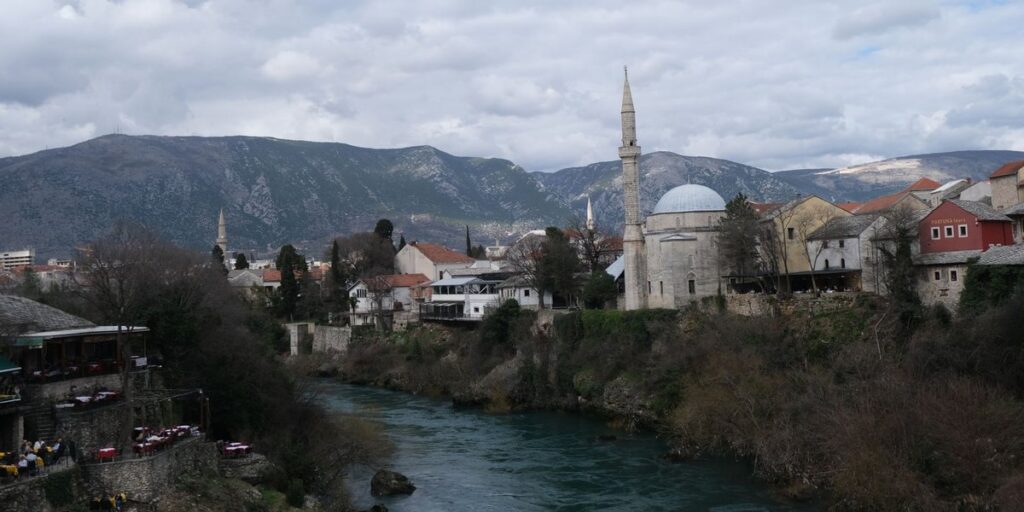
Bosnia and Herzegovina is safe for visitors, and the real differences between its cities are small. Violent crime against tourists is rare everywhere. What changes from town to town is how many pickpockets work the crowds, how close the hiking trails run to old front lines, and whether the taxi driver has read your face. This ranking of the safest cities in Bosnia and Herzegovina shows those differences and explains how each score was reached.
TL;DR
- Safest overall: Jajce, Trebinje and Travnik. Small, calm, almost no petty crime.
- Safe, with normal city sense: Bihać, Tuzla and Mostar.
- Safe with awareness: Sarajevo (pickpockets, taxis, winter smog) and Banja Luka (political climate more than street crime).
- The one rule that matters everywhere: stay on paved roads and marked trails. Landmines remain, and they are a rural hazard, not a city one.
- Emergency numbers: 122 police, 124 ambulance, 123 fire, 112 general.
Table of Contents
- How we ranked the safest cities in Bosnia and Herzegovina
- Comparison table
- 1. Jajce
- 2. Trebinje
- 3. Travnik
- 4. Bihać
- 5. Tuzla
- 6. Mostar
- 7. Sarajevo
- 8. Banja Luka
- Landmines: the country-wide rules
- Advisories, emergency numbers, driving and tap water
- Where to stay by traveler type
- FAQ
How we ranked the safest cities in Bosnia and Herzegovina
Several sites publish numeric scores for Bosnian cities. One popular table runs from Jajce at 90 down to Banja Luka at 60, and the same site rates the country as a whole at 48 while listing the risk as “Low.” It never explains the math. A number with no method is decoration.
So this list uses three plain categories instead: very safe, safe, and safe with awareness. None of them means “avoid.” “Safe with awareness” means one or two specific habits are worth having.
Bosnia publishes no comparable city-level crime statistics, so this is a judgment-based ranking, not a statistical one. Each city was scored on five factors:
- Petty theft: how often visitors lose phones and wallets, and how crowded the tourist core gets.
- Night safety: how comfortable it is to walk back to your lodging after dinner.
- Solo-female comfort: street harassment, and whether a woman alone gets left alone.
- Landmine proximity: how near suspected mined areas sit to places visitors actually go.
- Transport and taxi risk: overcharging, unmetered cabs, and the state of the roads in and out.
The inputs are government travel advisories, the country’s mine-action data, the geography of the 1992-1995 front lines, and the recurring complaints visitors make. Ties are broken by how forgiving the city is if you make a mistake.
One structural point most rankings skip. The country is split into two entities, the Federation of Bosnia and Herzegovina and Republika Srpska, plus the self-governing Brčko District. There are no border checks between them, the currency is the same convertible mark (KM), and the emergency numbers are the same. The difference you will notice is flags and alphabets, not safety.
Comparison table
| City | Rating | Petty theft | Night safety | Solo-female comfort | Landmine proximity | Transport/taxi risk |
|---|---|---|---|---|---|---|
| Jajce | Very safe | Very low | Very good | Very comfortable | Low | Low |
| Trebinje | Very safe | Very low | Very good | Very comfortable | Low | Low |
| Travnik | Very safe | Very low | Good | Comfortable | Low | Low |
| Bihać | Safe | Very low | Good | Comfortable | Moderate (border, mountains) | Low |
| Tuzla | Safe | Low | Good | Comfortable | Low in town | Low |
| Mostar | Safe | Moderate in summer | Good | Comfortable | Low in town, moderate on hills | Moderate |
| Sarajevo | Safe with awareness | Moderate | Good in the center | Comfortable | Low in town, moderate on outer hills | Moderate |
| Banja Luka | Safe with awareness | Low | Good | Comfortable | Low | Low to moderate |
“Landmine proximity” describes what a typical visitor meets. It does not describe the city limits. Central Sarajevo, Mostar and Banja Luka are clear. The hills around them are where the caution applies.
1. Jajce
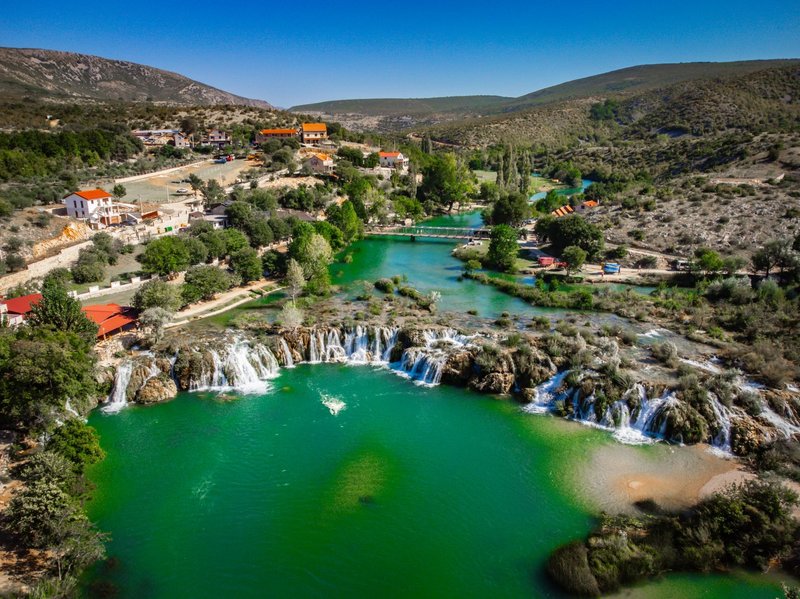
Verdict: very safe. Jajce is the rare tourist town where a waterfall drops straight into the middle of the old quarter. The Pliva falls, roughly 20 meters high, pour into the Vrbas right below the medieval walls. The town is small, walkable in an hour, and quiet after dark.
Safest areas: the old town and the streets around the citadel and catacombs. Least safe: nowhere in town earns the label. The only real hazard is the slick stone steps near the waterfall viewpoints after rain.
Typical scams: none worth planning around. The occasional café will quote tourist prices if the menu has no prices on it, so ask first.
Landmines: the hills of Central Bosnia saw heavy fighting, so keep to marked paths if you walk out to the Pliva lakes and the old watermills. The town itself is fine.
Suits: solo women, families, first-timers who want a gentle start, and history readers. Jajce is where the wartime Yugoslav partisan council met in 1943, and the AVNOJ museum is still there.
2. Trebinje
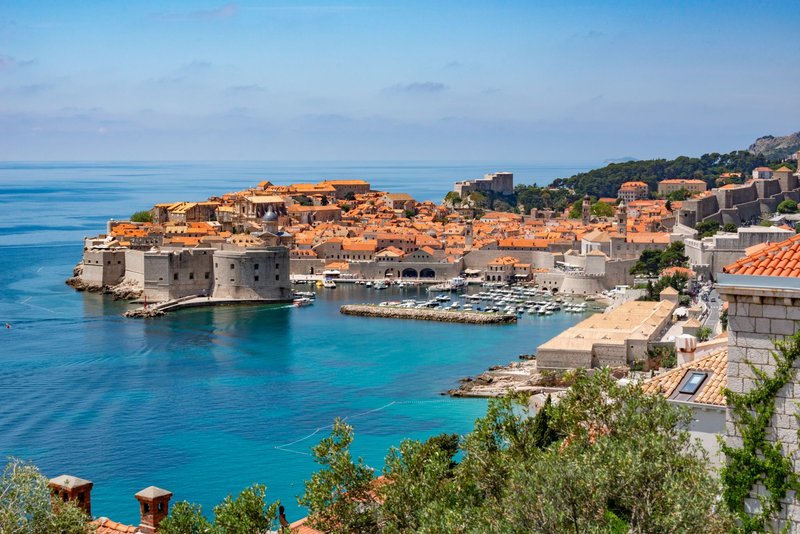
Verdict: very safe. Trebinje sits in the far south of Herzegovina, in Republika Srpska, about 30 km from Dubrovnik. It is hot, stone-built, and unhurried. Locals sit under the plane trees on Platani Square for hours, and the town goes to bed early.
Safest areas: the old town, the riverside promenade along the Trebišnjica, and the paths up to Hercegovačka Gračanica monastery. Least safe: the main road in and out in summer, when traffic is heavy and some drivers overtake aggressively.
Typical scams: minimal. Prices are quoted in KM, and euros are widely accepted, but not always at fair rounding. Pay in KM.
Landmines: low in town. Confine hill walks to marked routes and village roads.
Suits: solo women, couples, wine drinkers (Vranac and Žilavka are the local grapes), and anyone doing Dubrovnik as a day trip from a cheaper base. Expect a conservative atmosphere. LGBTQ+ travelers should keep public affection discreet, which is true outside Sarajevo in general.
3. Travnik
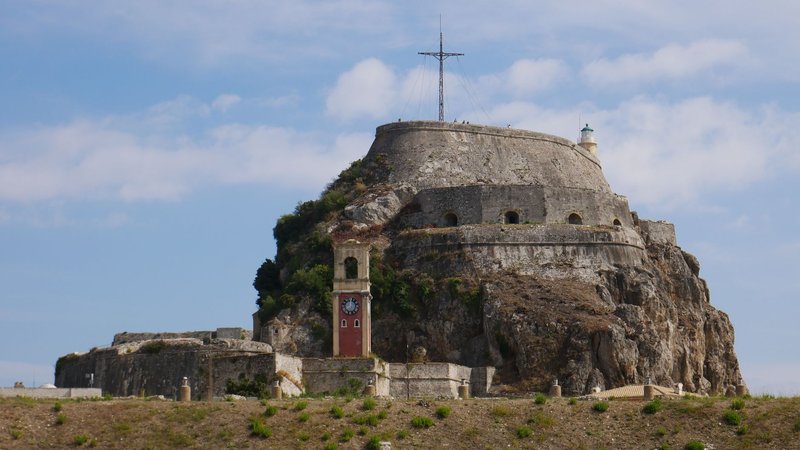
Verdict: very safe. Travnik was the seat of Ottoman viziers in Bosnia for over a century, and the nobel-prize novelist Ivo Andrić was born here. It is a compact valley town with a fortress, a clock tower, and a main street of ćevapi grills. The streets are calm, locals are chatty, and nobody is working a tourist angle because tourists are not that numerous.
Safest areas: the old bazaar street (Šumeća) and the fortress hill. Least safe: the main road through town at rush hour, mostly for pedestrians who step out without looking.
Typical scams: none to speak of. Travnik cheese and ćevapi are priced the same for everyone.
Landmines: the Vlašić mountain side is lovely hiking country with former front-line stretches. Stay on signed trails or go with a local guide.
Suits: food-focused travelers, solo women, and road-trippers breaking up the Sarajevo to Jajce or Banja Luka drive.
4. Bihać
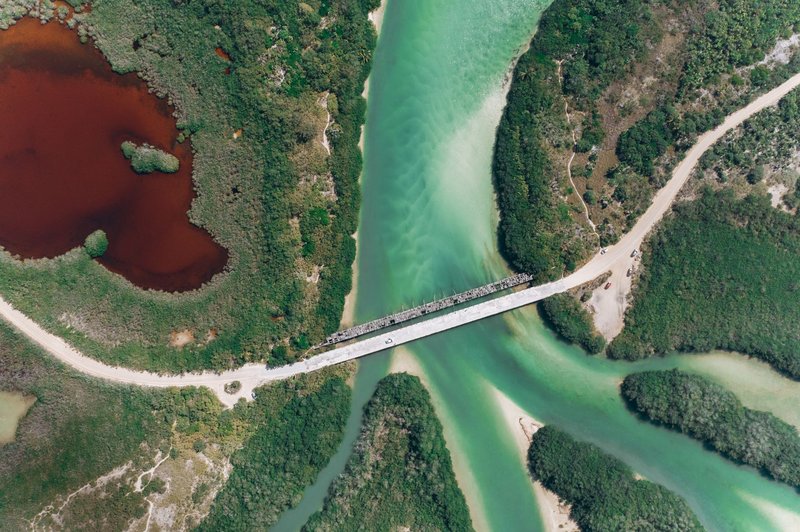
Verdict: safe. Bihać sits on the Una river in the far northwest, a few kilometers from the Croatian border and about 90 minutes from Plitvice Lakes. The town is small, green, and calm at night. Street crime is very low.
Safest areas: the river promenade, the old town and the center. Least safe: nowhere in town. The real caution is outside town.
Bihać is the rare “safe” city where the awareness is about the surroundings. The Una-Sana area has been a transit point for migrants trying to cross into the EU, which shows up as camps and groups on the edges of town and in the border forests. Visitors are rarely affected, and the town is not a hotspot for crime against tourists. But the border mountains and forests, such as the Plješevica range, remain among the more mine-affected parts of the country.
Typical scams: none noted. Rafting and canyoning operators vary in quality, so book through licensed outfits with safety gear.
Landmines: moderate on hikes and any off-road wandering near the border. Una National Park’s marked trails and boardwalks (including the Štrbački buk falls) are safe. The forest next to them may not be.
Suits: outdoor travelers who will use marked trails or guides, rafters, and anyone pairing Bosnia with Croatia’s Plitvice.
5. Tuzla
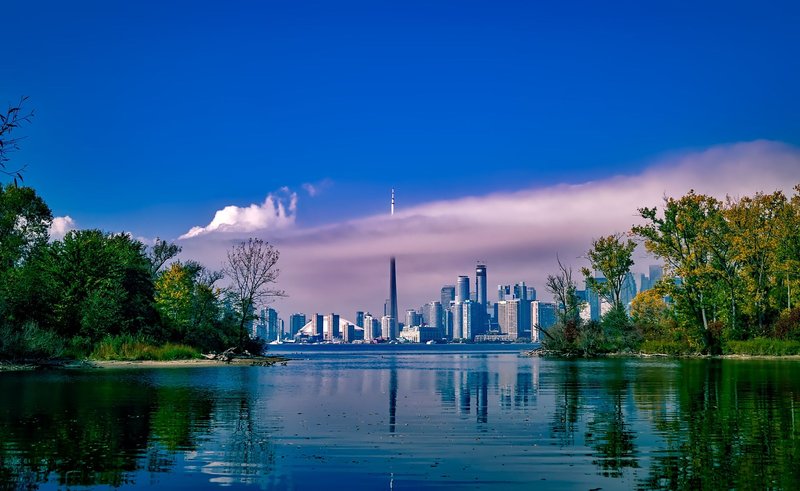
Verdict: safe. Tuzla is a university city of roughly 100,000 people in the northeast, built on salt. The Pannonian salt lakes are a short walk from the center, and the pedestrian core fills with students on weekend nights. It feels like an ordinary mid-sized European city, which is a compliment here.
Safest areas: the pedestrian center around Trg Slobode and the lakeside paths. Least safe: dark, empty stretches of the outskirts late at night, as in any city.
Typical scams: negligible. This is not a tourist city, and locals tend to be curious rather than opportunistic.
Landmines: the city is clear. Rural parts of the surrounding canton are not, so skip the shortcut across a field.
Suits: travelers who want a real city, not a postcard, and low-cost flights from several Western European airports. Tuzla is also the base for visiting the Srebrenica Memorial at Potočari, about two hours away. The Kapija square in town carries its own memorial to the 71 young people killed by a shell there in May 1995.
6. Mostar
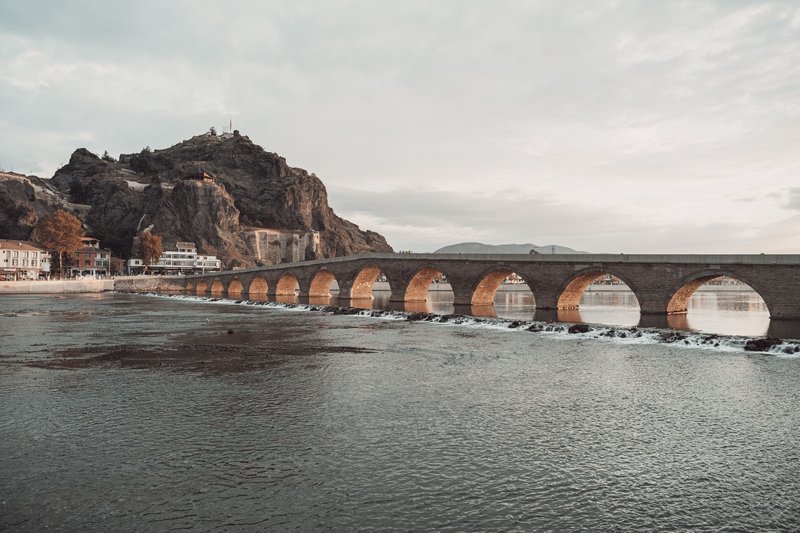
Verdict: safe. Mostar is the city on every itinerary. The Old Bridge, destroyed in 1993 and rebuilt in 2004, is protected by UNESCO as part of the Old City of Mostar. Violent crime is rare. The risks are ordinary ones that follow crowds: pickpocketing in summer, sunburn at 40°C, and being overcharged.
Safest areas: the old town (Kujundžiluk bazaar and the bridge area) during the day, and the streets around Spanish Square. Least safe: the dark stretches of the former front line, the Bulevar, late at night. It is not dangerous, just empty.
Typical scams: menus without prices, unmetered taxis, and “unofficial” parking attendants near the old town. Ask the price before you order or ride. Skip the temptation to jump from the bridge. The polished stone is slippery, and the dive is a trained local tradition.
Landmines: low in town. Hill walks above the city, especially on Mount Hum and Velež, should stay on marked routes.
Suits: first-timers, couples, and day-trip builders heading to Kravica waterfalls and Blagaj. Stay overnight, because the day-tripper crush leaves by 5 p.m. and the old town becomes much calmer.
7. Sarajevo
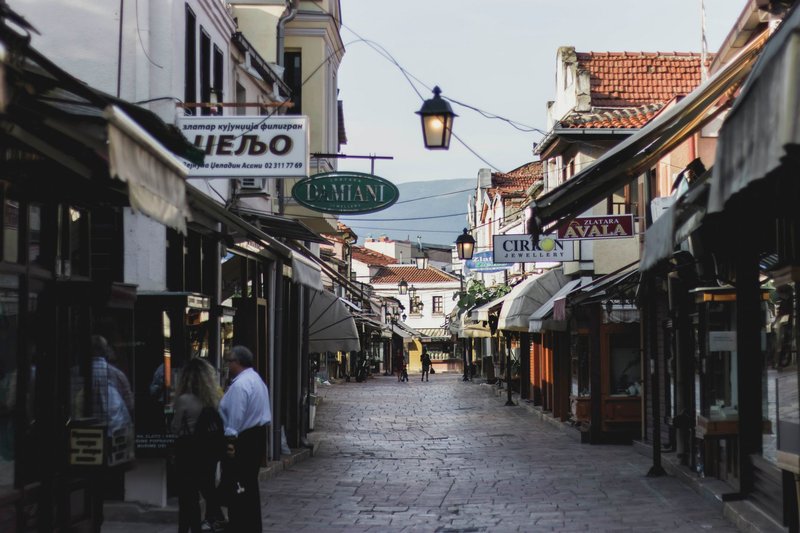
Verdict: safe with awareness. Sarajevo ranks lower than the smaller cities because it is bigger, busier, and has more of the things that bother tourists: pickpockets, unmetered cabs, and winter air pollution. It is not dangerous in the way its 1992-1996 siege reputation suggests. Today the streets around Baščaršija and Ferhadija are busy with café tables until midnight.
Safest areas: Baščaršija, Ferhadija street, the Marijin Dvor and Skenderija zones and the main pedestrian axis. Least safe: crowded trams and the Baščaršija lanes at peak hours, for pickpockets, and quiet parks and underpasses late at night.
Typical scams: taxi drivers who “forget” the meter, and inflated flat fares from the airport or the bus station. Use the meter or agree on a price before you get in. Currency-exchange tricks are rare but check your change.
Landmines: central Sarajevo is clear. The hills around the city, including routes around Trebević and Igman, include suspected areas. Use the marked trails and, for longer hikes, a local guide.
Winter air: in December and January, temperature inversions trap coal-heating smoke in the valley. People with asthma should check the day’s air quality before booking outdoor plans.
Suits: first-timers, LGBTQ+ travelers (Sarajevo is the most open city in the country, and it has held a Pride march since 2019), and culture seekers. It is the best base for most visitors, as long as you keep your phone in a front pocket.
8. Banja Luka
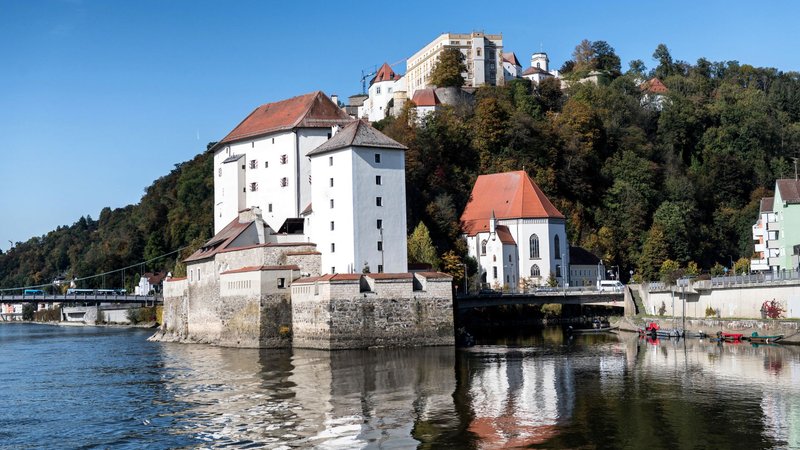
Verdict: safe with awareness. Banja Luka, the capital of Republika Srpska, is last on this list for reasons that have little to do with street crime. Day-to-day, it is a calm, leafy city of roughly 180,000 on the Vrbas, with a fortress (Kastel), café-lined Gospodska street and a rebuilt Ferhadija mosque that reopened in 2016. The caution is political: periodic protests, tensions around the entity’s relationship with the state, and a socially conservative climate that is less welcoming to visible LGBTQ+ travelers than Sarajevo.
Safest areas: the center, the Kastel park and the riverside paths. Least safe: nowhere specific. Avoid political rallies and demonstrations on general principle.
Typical scams: few. Taxis should run the meter or agree a fare up front.
Landmines: low in town. The rafting and hiking country in the Vrbas canyon and surrounding hills is fine on commercial routes. Stay on marked trails elsewhere.
Suits: rafters, food travelers (the local ćevapi have their own style), and road-trippers. Skip it if you want a Pride-friendly stopover, and book Sarajevo.
Landmines: the country-wide rules
The wars of the 1990s left mines that are still being cleared. The Bosnia and Herzegovina Mine Action Centre tracks the suspected areas, which cover roughly 2 percent of the country, mostly rural land along former front lines. The 2014 floods and landslides moved some mines, which is part of why old maps are not a safe guide.
Cities, paved roads, and signed tourist trails are not the issue. Follow these rules:
- Stay on paved roads, marked trails and well-used paths. If the path ends, turn around.
- Take bathroom breaks at gas stations and paved lay-bys, not in the forest by a remote road.
- Do not enter abandoned buildings.
- Do not touch or pick up metal objects. Take photos from a distance.
- Treat red-and-white tape and triangular “MINE” signs as a hard stop.
- Do not follow animal tracks or old footpaths through overgrown meadows near former front lines.
- Hire a local guide for off-trail hiking.
If you see a suspected mine: stop, do not move forward, retrace your exact footsteps, and call 112 or the police on 122.
Advisories, emergency numbers, driving and tap water
Advisories. The U.S. State Department has kept Bosnia and Herzegovina at Level 2: Exercise Increased Caution, citing landmines among its concerns. The UK’s FCDO travel advice covers landmines, driving, and political demonstrations in similar terms. Both are cautious but not alarming. Check the current versions before you travel.
Emergency numbers.
| Service | Number |
|---|---|
| Police | 122 |
| Ambulance | 124 |
| Fire | 123 |
| General emergency | 112 |
Driving. Headlights stay on all day, all year. Mountain roads are narrow, with trucks and slow tractors on two-lane stretches, so overtaking is where most accidents begin. Winter tires are required in the cold months, with dates that vary a little by entity, so confirm with your rental company. Ask your rental company for the Green Card (cross-border insurance) if you plan to drive into Croatia, Montenegro or Serbia. Sarajevo to Mostar through the Neretva canyon is a scenic route but slow, so build in extra time.
Tap water. Tap water is drinkable in most cities, including Sarajevo. In villages, and after floods, buy bottled water or ask your host.
Where to stay by traveler type
| Traveler | Base | Why |
|---|---|---|
| First-timer | Sarajevo (Baščaršija or Ferhadija area) | Most to see, best transport links, easy English |
| Solo woman | Jajce, Trebinje or Sarajevo | Calm streets and a café culture where sitting alone is normal |
| LGBTQ+ | Sarajevo | The most open city in the country. Elsewhere, keep affection discreet |
| Road-tripper | Trebinje and Mostar | Easy Dubrovnik links; park in a paid lot, not on the street |
| Hiker or rafter | Bihać or Jajce | Direct access to rivers and trails. Use marked routes or guides |
| Families | Trebinje or Travnik | Calm, walkable, low-traffic |
FAQ
Is Bosnia and Herzegovina safe to visit?
Yes. Violent crime against tourists is rare, and most problems are petty ones such as pickpocketing and taxi overcharging. The specific hazard is landmines in rural areas, which you avoid by staying on paved roads and marked trails.
Is Sarajevo safe for tourists?
Yes, with normal big-city habits. Keep valuables in front pockets in Baščaršija and on trams, use metered taxis, and check winter air quality if you have respiratory issues.
Which is the safest city for solo female travelers?
Jajce and Trebinje are the most relaxed. Sarajevo is also comfortable, with far more going on. Hitchhiking is not recommended anywhere.
Are landmines a danger to tourists?
Only if you leave the beaten path. Cities, roads and signposted tourist trails are safe. Never walk through overgrown land near former front lines, and never touch unknown objects.
Is it safe to drive in Bosnia?
Yes, with caution. Roads are narrow and winding, overtaking is aggressive, and winter conditions can be harsh in the mountains. Daytime headlights are mandatory.
Can I cross between the Federation and Republika Srpska freely?
Yes. There are no border checks. You may notice different flags and Cyrillic signs.
Is Bosnia safe for LGBTQ+ travelers?
Legal, but socially conservative. Sarajevo is the most open city. Elsewhere, discretion about public affection is sensible.
What are the emergency numbers?
Police 122, ambulance 124, fire 123, and 112 for general emergencies.


