Indonesia’s urban landscape shifts from coastal ports to rice-field fringes, and feeling secure while you explore can shape your trip or decision to relocate. Local policing, lighting, and community engagement all play into how safe a city feels day to day.
There are 8 Safest Cities in Indonesia, ranging from Balikpapan to Yogyakarta. For each city you’ll find below Country,Safety score (0-100),Violent crime rate (per 100,000) so you can compare overall safety and serious-crime levels at a glance — you’ll find below.
What factors determine a city’s safety ranking in Indonesia?
Safety rankings combine measurable data (violent crime rates, emergency response times) with infrastructure and social indicators like street lighting, public transport reliability, and community policing; higher scores usually reflect lower recorded violent crime plus better services and visible law enforcement.
How should I use the Safety score and violent crime rate when planning a visit?
Use the Safety score for a quick comparison, but read the violent crime rate to understand serious risks; also check recent local advisories, neighborhood-level reports, and common-sense precautions (secure accommodation, avoid poorly lit areas at night) for practical trip planning.
Safest Cities in Indonesia
| City | Country | Safety score (0-100) | Violent crime rate (per 100,000) |
|---|---|---|---|
| Balikpapan | Indonesia | 77.9 | 14 (2022; provincial) |
| Solo | Indonesia | 77.1 | 5 (2022; provincial) |
| Yogyakarta | Indonesia | 75.3 | 21 (2022; provincial) |
| Semarang | Indonesia | 74.4 | 5 (2022; provincial) |
| Surabaya | Indonesia | 73.4 | 8 (2022; provincial) |
| Denpasar | Indonesia | 72.8 | 10 (2022; provincial) |
| Manado | Indonesia | 72.5 | 39 (2022; provincial) |
| Bandung | Indonesia | 71.5 | 11 (2022; provincial) |
Images and Descriptions
Balikpapan
Often ranked Indonesia’s most livable city. Balikpapan’s safety is supported by its well-planned infrastructure and corporate influence. It boasts low crime and is in a geologically stable area, minimizing earthquake and volcano risks, making it attractive for expats and families.

Solo
Also known as Surakarta, this Central Java city is a cultural heartland with strong community ties that contribute to a high sense of security. It’s known for its low violent crime and relaxed pace of life, though usual precautions in crowded markets are advised.

Yogyakarta
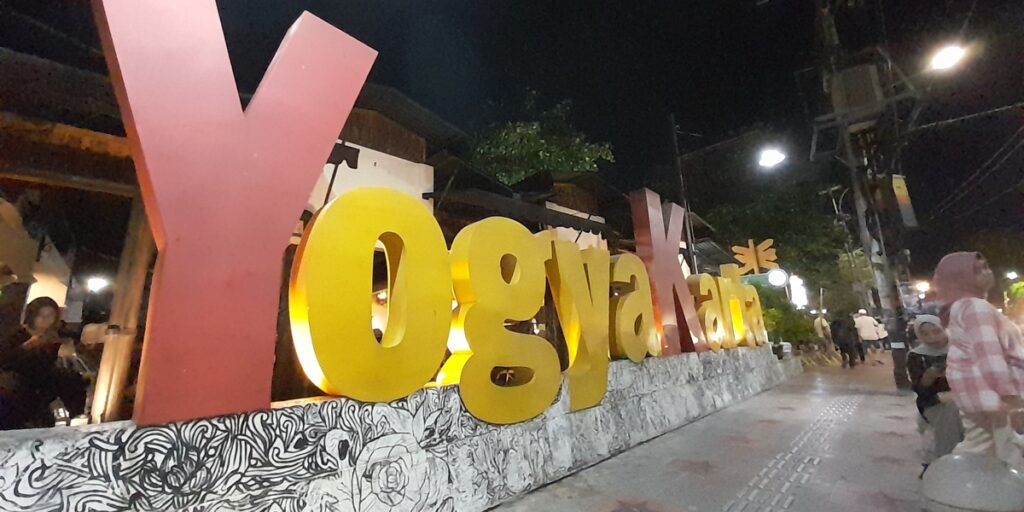
A vibrant student and tourist hub, Yogyakarta is generally very safe with a friendly atmosphere. While the provincial crime rate is elevated by tourist numbers and high reporting, violent crime is rare. The main non-crime risk is proximity to the active Merapi volcano.
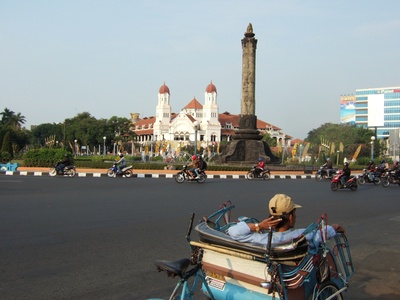
Semarang
The capital of Central Java is a bustling port city known for its well-preserved old town and general safety. While traffic can be a challenge, serious crime is low. Some northern areas are prone to coastal flooding, a key environmental safety concern.
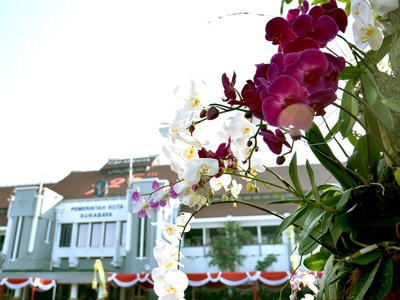
Surabaya
As Indonesia’s second-largest city, Surabaya has earned praise for its organized, clean, and safe environment. Proactive city governance has improved public spaces and security, making it a major economic hub with a safety profile that outperforms many smaller cities.
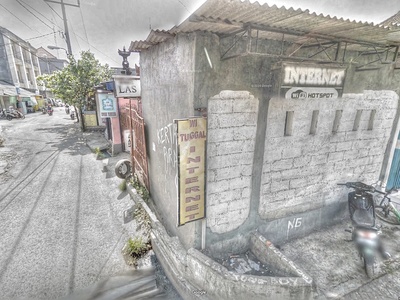
Denpasar
The capital of Bali serves as the island’s urban center. While Bali has tourist-focused petty crime, Denpasar itself is relatively safe from violent offenses. Key concerns are traffic safety and scooter theft. Tsunami risk is a known environmental factor for coastal areas.
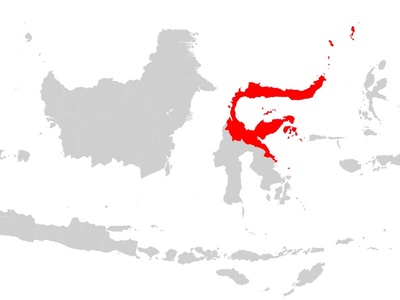
Manado
Famous for its social harmony and religious tolerance, Manado offers a high degree of personal safety and community welcome. The city is a gateway to world-class diving spots. The main safety considerations are geological, with nearby active volcanoes and seismic risks.
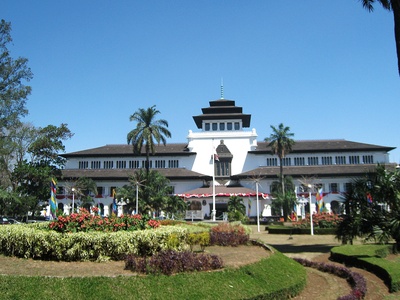
Bandung
A popular weekend getaway known for its creative vibe and cooler climate. Bandung is safe for a city of its size, though petty theft can occur in crowded factory outlets and tourist spots. Traffic congestion is the most common daily frustration for residents.