Portugal mixes sun-drenched coastlines, riverfront towns and compact historic centers, so safety can feel different from one place to the next. Whether you’re researching a move, planning a family trip, or comparing quieter urban options, a clear list helps narrow choices quickly.
There are 15 Safest Cities in Portugal, ranging from Aveiro to Évora. For each city you’ll find below data organized as Country,Population,Crime rate (per 10k), allowing easy side-by-side comparison of size and safety — you’ll find the full table below.
How reliable are the crime rate figures?
Crime rate per 10,000 residents is a useful standard for comparison, but figures depend on reporting practices and the year of the data; treat them as a snapshot, cross-check recent local reports, and consider trends rather than a single number.
Which of these cities are best for families or solo travelers?
Look beyond the raw crime rate: prioritize low violent-crime numbers, good public transport, well-lit neighborhoods and local services; use the table below to shortlist cities, then research neighborhoods and amenities to match your needs.
Safest Cities in Portugal
| City | Country | Population | Crime rate (per 10k) |
|---|---|---|---|
| Oeiras | Portugal | 172,000 | 220 |
| Cascais | Portugal | 214,000 | 260 |
| Viseu | Portugal | 99,000 | 180 |
| Braga | Portugal | 193,000 | 210 |
| Aveiro | Portugal | 78,000 | 200 |
| Leiria | Portugal | 128,000 | 230 |
| Ponta Delgada | Portugal | 68,000 | 190 |
| Funchal | Portugal | 111,000 | 240 |
| Lagos | Portugal | 31,000 | 210 |
| Faro | Portugal | 66,000 | 230 |
| Coimbra | Portugal | 143,000 | 250 |
| Matosinhos | Portugal | 175,000 | 260 |
| Torres Vedras | Portugal | 83,000 | 170 |
| Vila Nova de Gaia | Portugal | 302,000 | 300 |
| Évora | Portugal | 53,000 | 160 |
Images and Descriptions
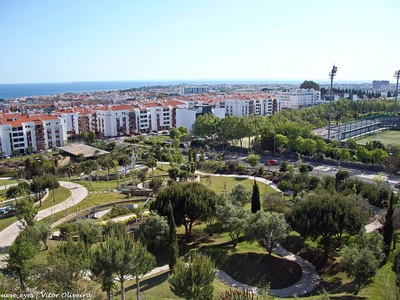
Oeiras
Affluent Lisbon suburb with one of Portugal’s lowest crime rates; low violent crime, strong municipal policing and community programs. Population around 172,000; noted for safe neighborhoods, good infrastructure, and commuter access to Lisbon — popular with families and expats.
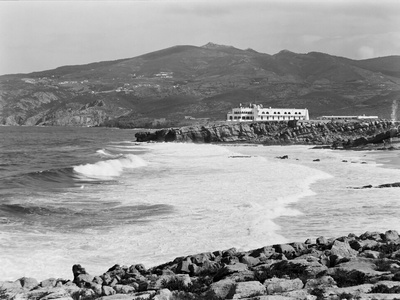
Cascais
Coastal municipality west of Lisbon with robust security presence, low violent crime and well-policed tourist areas. Population about 214,000; high-income neighborhoods, monitored public spaces, and community safety initiatives make Cascais consistently ranked among Portugal’s safest coastal cities.
Viseu
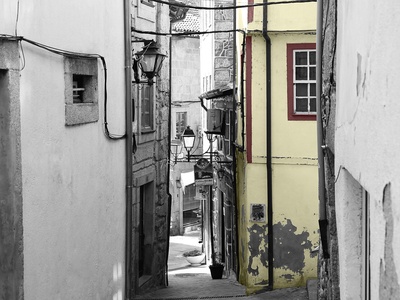
Interior city in central Portugal with low recorded crime rates and very low violent crime. Population about 99,000; strong local policing, cohesive community networks, and a compact urban core contribute to Viseu’s reputation as a peaceful city ideal for families and retirees.
Braga
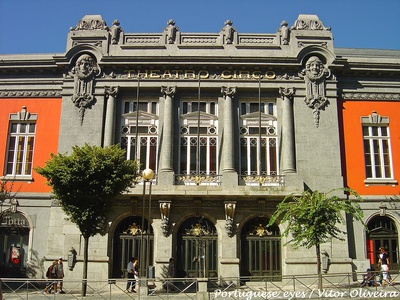
Historic northern city with steady, low crime statistics and low violent incidents. Population ~193,000; a visible police presence, thriving university community and well-lit streets keep downtown and residential areas safe for students, families and tourists.
Aveiro
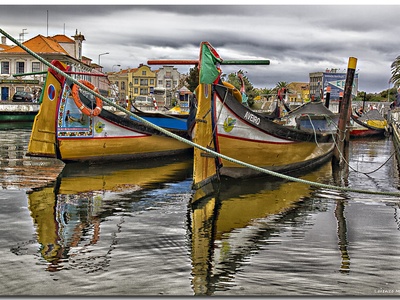
Canal city on the northwest coast noted for low crime and minimal violent crime reports. Population around 78,000; compact center, active community policing and a high quality of life make Aveiro a calm, walkable option for residents and visitors.
Leiria
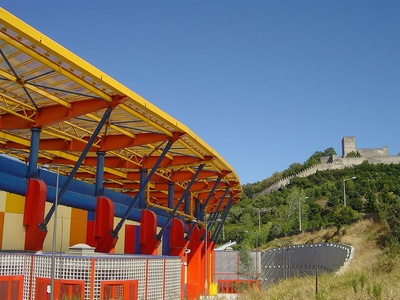
Central Portugal city with relatively low crime and low violent-crime rates. Population about 128,000; Leiria benefits from focused municipal policing, family-oriented neighborhoods, and steady social services, offering affordable, safe living near the coast and Lisbon region.

Ponta Delgada
Main city in the Azores with low overall and violent crime rates. Population ~68,000; small-city policing, tight-knit communities and low anonymity reduce street crime, making Ponta Delgada a secure base for residents and visitors to São Miguel.

Funchal
Regional capital of Madeira with generally low violent crime and moderate overall crime mostly from petty theft in tourist hubs. Population about 111,000; strong local policing, community programs, and compact neighborhoods contribute to Funchal’s year-round safety.

Lagos
Southern Algarve town with low violent-crime rates outside peak tourist zones; population ~31,000. Efficient local policing, community vigilance and well-managed nightlife areas keep Lagos relatively safe for families and visitors, though seasonal petty theft can rise in summer.
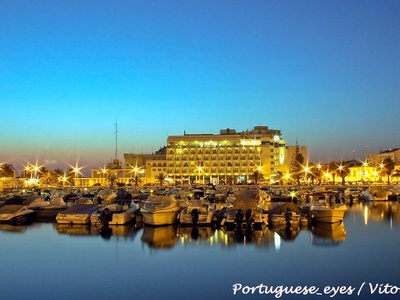
Faro
Capital of the Algarve with a low violent-crime rate and modest overall crime outside tourist peaks. Population around 66,000; airport transit, visible policing and community safety efforts help maintain calm daily life for residents and seasonal visitors.
Coimbra
University city with low violent-crime rates and active campus policing. Population ~143,000; a strong civic presence, student community and well-used public spaces contribute to Coimbra’s generally safe reputation for residents, students and cultural tourists.
Matosinhos
Port-adjacent city north of Porto with comparatively low violent crime and stable overall crime rates. Population about 175,000; industrial and residential mix, active policing and community services make Matosinhos a secure coastal suburb.
Torres Vedras
West of Lisbon, Torres Vedras has low recorded crime and minimal violent incidents. Population ~83,000; family-friendly neighborhoods, local police presence and community programs contribute to a reputation for safety while remaining within commuting distance of Lisbon.
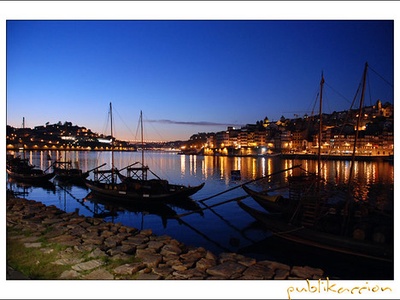
Vila Nova de Gaia
Large city across the Douro from Porto with relatively low violent crime and community policing in residential zones. Population around 302,000; riverside neighborhoods, family districts and municipal safety programs keep many areas calmer than central Porto.

Évora
Historic inland city in Alentejo with generally low crime and very low violent-crime rates. Population ~53,000; compact center, strong community ties and limited anonymity make Évora a calm option for residents, cultural visitors and retirees.