Most “is Mauritania safe?” articles treat the whole country like one big risk warning and call it a day. That’s lazy, and it’s not how travel actually works. Nouakchott’s diplomatic quarter and the Mali border 1,000 kilometers away are not the same place, and pretending they are helps nobody who’s actually trying to plan a trip.
So here’s the thing the other guides won’t give you: an honest, city-by-city read on where you can go in Mauritania and where you genuinely shouldn’t. The good news for travelers is that the cities most people actually want to visit — the capital, the iron-ore port, the gateway to the desert caravan towns — sit in the parts of the country that are calm. The risk is concentrated, predictable, and easy to avoid if you know where it is.
Table of Contents
- The Short Answer
- Safety at a Glance: City Comparison
- Nouakchott
- Nouadhibou
- Atar
- Chinguetti
- Ouadane
- The Areas to Actually Avoid
- Practical Safety Tips
The Short Answer
Mauritania is safer than its reputation, and far safer than its travel advisory level suggests at first glance. The U.S. State Department keeps the country at Level 3, “Reconsider Travel,” but that rating is driven almost entirely by terrorism risk in the remote border regions with Mali and Algeria — areas no normal traveler has any reason to enter. The UK’s Foreign Office takes a similar line: most of the country is fine, but it advises against all travel to a band along the eastern and southeastern frontier.
Strip out those empty desert frontiers and what’s left — the Atlantic coast, the capital, the Adrar region with its caravan towns — is a low-crime, low-terrorism zone where the main hazards are reckless driving, opportunistic theft in crowded markets, and the Sahara itself. Violent crime against foreigners is rare. The biggest practical risk most visitors face is a road accident, not a security incident.
The safest places to visit in Mauritania, in order, are the ones below.
Safety at a Glance: City Comparison
| City | Region | Relative Safety | What to Do / Avoid |
|---|---|---|---|
| Atar | Adrar | Very high | Desert tourism hub; use registered guides. Calm, used to foreigners. |
| Chinguetti | Adrar | Very high | Historic library town; safe but remote. Don’t drive off-piste alone. |
| Ouadane | Adrar | Very high | Ruined caravan city; go with a guide. Isolated, so plan logistics. |
| Nouadhibou | Dakhlet Nouadhibou | High | Port and Iron Ore Train hub; watch belongings, avoid the train ride risks. |
| Nouakchott | Nouakchott | Moderate–high | Capital; petty theft at Port de Pêche and markets. Stick to Tevragh Zeina. |
| Eastern/SE border | Hodh, Tagant edges | Do not travel | Terrorism, kidnapping risk. No tourism reason to go. |
| Mali/Algeria frontier | North & East | Do not travel | Active threat zone. Hard no. |
Nouakchott: The Capital
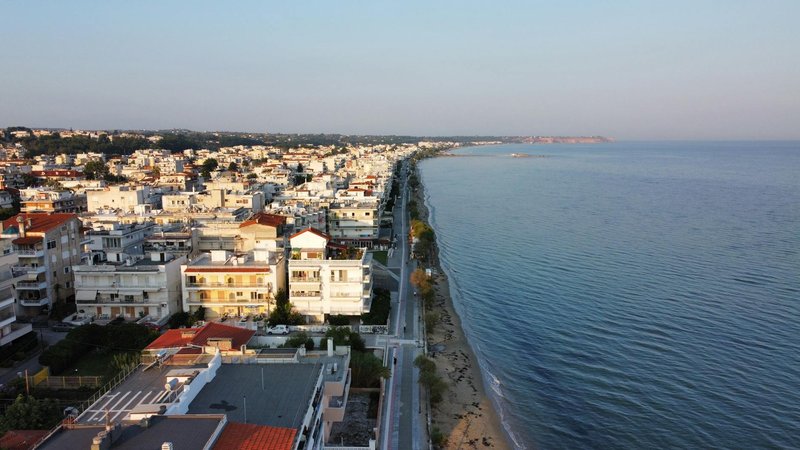
Nouakchott is where almost every trip begins, and it’s safer than first-time visitors expect — but it’s also where you’re most likely to lose a phone or a wallet, simply because it’s the biggest, busiest place in the country. The crime here is petty and opportunistic, not violent. Pickpocketing in crowded markets, the occasional bag-snatch from a car window in traffic, inflated taxi fares for anyone who looks new.
Where you stay matters more here than anywhere else in Mauritania, because the city’s neighborhoods vary a lot.
Tevragh Zeina is the safe, leafy choice. It’s the diplomatic and upscale district — embassies, the better hotels, restaurants, NGOs. Streets are wider, lighting is better, and there’s a visible security presence. If it’s your first time in the country, base yourself here.
Ksar is the old commercial heart, busier and grittier, with the central market and a lot of foot traffic. It’s fine to visit in daylight, but it’s where pickpockets work the crowds. Keep your bag in front of you and don’t flash a phone.
El Mina is a poorer, denser southern district. There’s no real reason for a tourist to spend time there, and it’s the part of the city where you’d want to be more cautious after dark.
The one spot that catches travelers out is the Port de Pêche (Port du Pêche), the fishing harbor where wooden pirogues land their catch at dusk. It’s genuinely one of the best things to see in the city — hundreds of brightly painted boats, the whole catch hauled up the beach by hand. It’s also a magnet for petty theft and persistent “fixers” who’ll attach themselves to you. Go, but go with a guide or in a group, carry minimal valuables, and be firm about declining unwanted help. Photography of the boats is fine; photographing people without asking is not.
Nouadhibou: The Northern Port
Mauritania’s second city sits on a long peninsula near the Western Sahara border, and it has a different feel from the capital — more industrial, built around fishing and the iron-ore trade. It’s calm, the people are used to foreigners passing through, and street crime is lower than in Nouakchott simply because it’s smaller and less frenetic.
Nouadhibou is the terminus of the famous Iron Ore Train, one of the longest trains in the world, which hauls ore out of the desert at Zouérat. Riding it on top of the ore cars has become a bucket-list stunt, and you should know what it actually involves: no safety equipment, extreme cold at night, iron dust that gets into everything, and a real risk of falling. People do it, and operators will arrange it, but treat it as the genuine hazard it is, not a theme-park ride. If you ride, do it with a guide, dress for sub-zero wind chill, and ride inside a loaded car rather than on top.
In town itself, the main things to mind are your belongings at the port and around the markets. The peninsula’s tip and the area toward the Western Sahara crossing involve a heavily mined no-man’s-land — never wander off marked roads or tracks near the border under any circumstances.
Atar: Gateway to the Desert
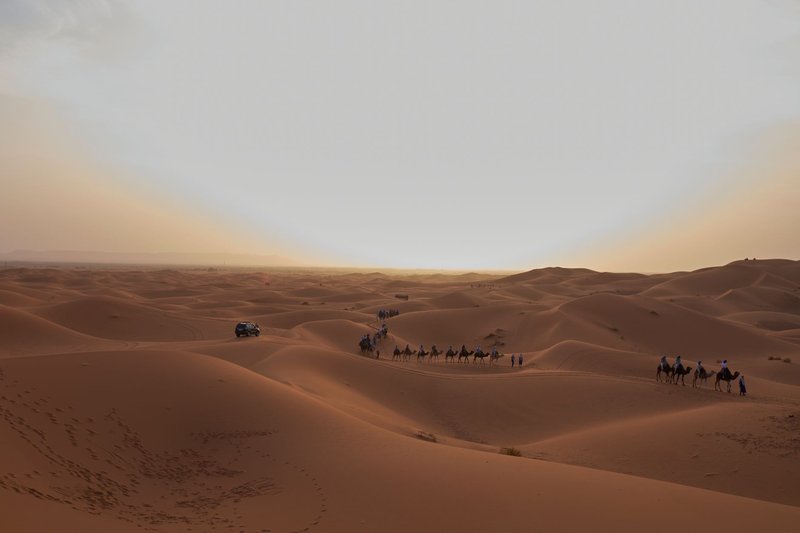
Atar is the launch point for everything in the Adrar — the desert plateau that holds Mauritania’s most famous sights. It’s a small, friendly town that has handled adventure travelers and tour groups for years, and it feels notably relaxed. Crime is minimal. This is mountain-and-dune country, and the town runs on tourism logistics: 4×4 rentals, guides, supply runs before heading into the sand.
The thing to get right in Atar isn’t crime, it’s the desert itself. Beyond the town, you’re in serious Sahara terrain where a wrong turn, a breakdown, or running out of water becomes a real emergency fast. Use a registered local guide and a reliable vehicle for any excursion to Chinguetti, Ouadane, or the dunes. Don’t attempt off-piste desert driving on your own, and make sure someone knows your route and return time.
Atar has an airport with periodic flights, which makes it a practical jumping-off point that skips a long overland drive from the capital.
Chinguetti: The Library in the Sand
Chinguetti is one of the reasons people come to Mauritania at all — a medieval caravan town, a UNESCO World Heritage site, home to ancient libraries of handwritten manuscripts that families have guarded for centuries. It sits about an hour and a half from Atar across the desert. It’s safe. The town is tiny, the residents are welcoming, and there’s effectively no street crime to speak of.
The risk profile here is entirely environmental and logistical. You’re deep in the desert, sand is steadily encroaching on the old quarter, and amenities are basic. Bring cash (no ATMs), respect the manuscript collections by asking before handling or photographing anything, and don’t underestimate the heat. As with the rest of the Adrar, your safety depends on solid desert logistics, not on watching your back.
Ouadane: The Ruined Caravan City
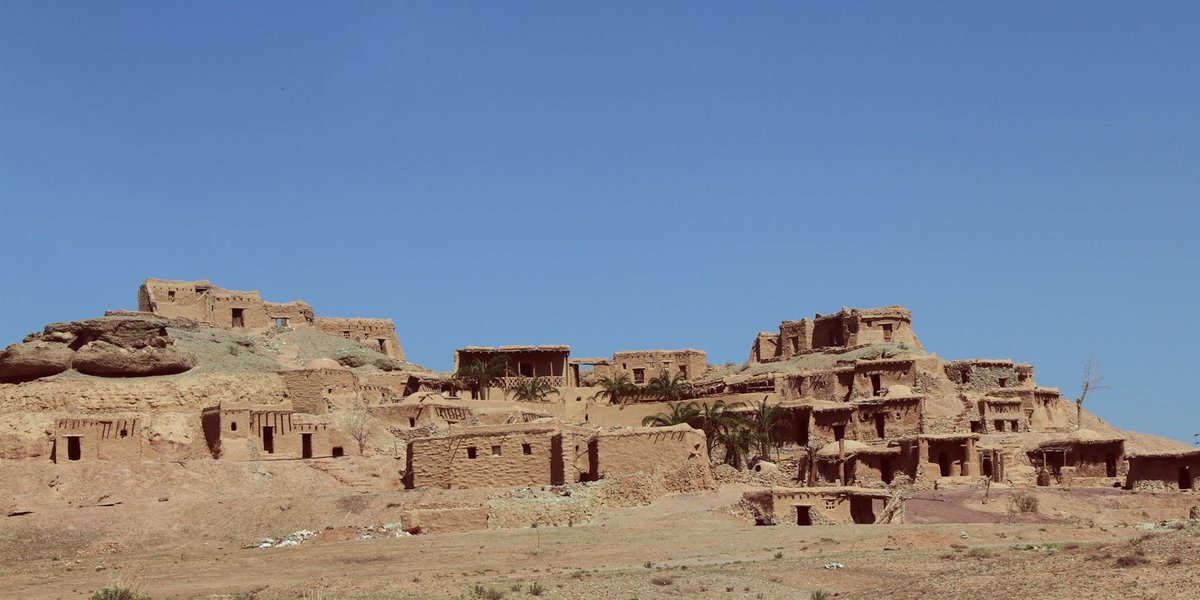
Ouadane is the most remote of the classic Adrar destinations — a partly ruined stone town clinging to a cliff, also UNESCO-listed, that once sat on the gold-and-salt caravan routes. Getting there means a rougher drive past the famous Richat Structure (the “Eye of the Sahara”), and that isolation is the whole point of the visit.
It’s safe from a crime standpoint, full stop. The seriousness here is the remoteness: this is genuine end-of-the-road desert, and you do not want a vehicle problem out here without a guide who knows the terrain and carries enough water and fuel. Go with a properly equipped operator out of Atar, and the place rewards you with one of the most atmospheric ruins anywhere in the Sahara.
The Areas to Actually Avoid
Here’s the map most country-level guides skip. The risk in Mauritania is real but geographically contained, and it’s all in the empty quarters far from the tourist routes:
- The Mali border (east and southeast). This is the heart of the advisory. Terrorism and kidnapping risk linked to groups operating across the Sahel make the entire frontier region a no-go. There is no tourism reason to be here.
- The Algeria border (north and northeast). Remote, militarized, and off-limits. Avoid the northeastern desert entirely.
- The far eastern regions (Hodh Ech Chargui and adjacent areas). The deep east, toward Mali, falls under the “do not travel” guidance.
- Border zones near Western Sahara. Not a terrorism issue but a landmine one — the no-man’s-land at the Nouadhibou crossing is mined. Stay strictly on marked routes.
Notice what’s not on that list: the entire Atlantic coast, the capital, and the whole Adrar tourist circuit. The popular route — Nouakchott to Atar to Chinguetti and Ouadane, plus Nouadhibou in the north — stays well clear of every red zone.
Practical Safety Tips for Mauritania
A few things that apply everywhere in the country and will keep your trip uneventful in the good way:
- Hire registered guides for desert travel. This is the single biggest safety factor for most visitors. The Sahara, not crime, is what hurts people here.
- Treat roads as the main hazard. Driving standards are poor, animals wander onto roads, and intercity routes are long and remote. Avoid night driving between cities.
- Carry cash and respect local norms. ATMs are scarce outside Nouakchott and Nouadhibou. Mauritania is conservative; dress modestly, and ask before photographing people.
- Stay aware in markets and at the Port de Pêche. Petty theft is the realistic urban risk. Minimal valuables, bag in front, polite firmness with fixers.
- Register with your embassy and check current advisories. Situations on the eastern border can shift, so confirm the latest State Department and FCDO guidance before you go.
- Drink only bottled or treated water and keep basic medical supplies on hand, since healthcare is limited outside the capital.
Mauritania rewards the traveler who reads the map honestly. Skip the empty, dangerous frontiers, base yourself in the calm cities and the Adrar caravan towns, respect the desert, and you’ll find one of the Sahara’s last genuinely uncrowded destinations — and a far gentler welcome than its advisory rating implies.