Most lists of U.S. cities that have changed names pad themselves with places that never had another name. Denver was named for a Kansas Territory governor from the start. Phoenix was never Stonewall; that name was proposed and rejected before the town became Phoenix in 1870. None of them are here.
What follows are 16 documented renamings, grouped by why they happened. Each entry gives the old name, the new one, the year, and the reason. Where a popular story is a legend rather than a record, it’s labeled that way.
The 16 Renamings at a Glance
| Old name | New name | Year | Reason |
|---|---|---|---|
| Hot Springs, NM | Truth or Consequences | 1950 | Radio show contest |
| Ismay, MT | Joe, MT | 1993 | Tribute to a quarterback (temporary) |
| Clark, TX | DISH, TX | 2005 | Free satellite TV deal |
| Halfway, OR | Half.com | 1999-2000 | Dot-com sponsorship (temporary) |
| Waterloo, TX | Austin | 1839 | Site chosen as Texas capital |
| New Amsterdam | New York | 1664 | English conquest |
| Middle Plantation, VA | Williamsburg | 1699 | Colonial capital moved |
| Barrow, AK | Utqiaġvik | 2016 | Restored Iñupiaq name |
| Cleaveland, OH | Cleveland | 1830s | Spelling change |
| Alburquerque, NM | Albuquerque | 1800s | Dropped letter |
| Juliet, IL | Joliet | 1845 | Corrected to honor an explorer |
| Terminus, GA | Atlanta | 1837-1845 | Railroad rebrand |
| Big Lick, VA | Roanoke | 1882 | Railroad headquarters |
| Bronson, MI | Kalamazoo | 1836 | Founder fell out of favor |
| Pig’s Eye, MN | St. Paul | 1841 | Chapel gave the town a new name |
| Yerba Buena, CA | San Francisco | 1847 | Boosterism and a rival town |
Contents
- Stunt Renamings: Names Sold for Publicity
- Capital and Conquest Renamings
- The Restored Indigenous Name
- Spelling and Typo Changes
- Founder and Railroad Rebrands
- How U.S. Cities Change Their Names Today
Stunt Renamings: Names Sold for Publicity
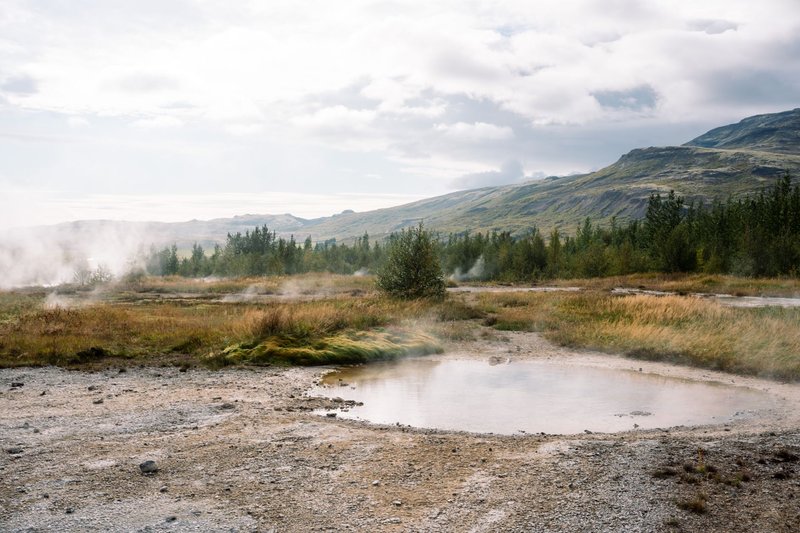
Four towns have traded their names for attention or free stuff. Two of those deals stuck. Two didn’t.
1. Hot Springs → Truth or Consequences, New Mexico (1950)
Ralph Edwards hosted a radio quiz show called Truth or Consequences. For the show’s tenth anniversary in 1950, he promised to broadcast from any town willing to take the name. Hot Springs, a spa town on the Rio Grande, voted yes. It’s still Truth or Consequences, and locals shorten it to T or C. Edwards came back every year for the town’s fiesta for decades.
2. Ismay → Joe, Montana (1993)
Ismay, a Milwaukee Road railroad town in eastern Montana with about 20 residents, renamed itself “Joe” in 1993 to honor 49ers quarterback Joe Montana. Joe, Montana. The arrangement ran for about a year, and the town is Ismay again. Treat this one as a stunt with an expiration date, not a permanent change.
3. Clark → DISH, Texas (2005)
In 2005, Dish Network offered every household in the small Denton County town of Clark free basic satellite TV and a DVR for ten years if the town took the company’s name. Residents agreed. Clark became DISH, and the sign out front says so. It’s the clearest case on this list of a name sold for a service contract.
4. Halfway → Half.com, Oregon (1999-2000)
Halfway, a ranching town in Baker County, took the name of an online marketplace, Half.com, in exchange for computers and publicity. The company was bought by eBay in 2000, and the town went back to Halfway. It’s the earliest example of a town renaming itself for a dot-com, and it proved temporary.
Capital and Conquest Renamings
When a government changes hands or picks a new seat, names tend to follow.
5. Waterloo → Austin, Texas (1839)
A commission appointed by Republic of Texas president Mirabeau Lamar picked the tiny settlement of Waterloo on the Colorado River as the site for a permanent capital in 1839. The new city was named for Stephen F. Austin, the empresario who brought Anglo settlers to Texas. The Texas State Historical Association documents the founding and the siting of the capital.
6. New Amsterdam → New York (1664)
An English fleet showed up in the harbor in 1664, and Peter Stuyvesant surrendered without a fight. The colony was renamed for James, Duke of York, the king’s brother. The Dutch retook the city in 1673 and called it New Orange for about a year. They then traded it back to England for good.
7. Middle Plantation → Williamsburg, Virginia (1699)
After a fire destroyed the statehouse at Jamestown in 1698, Virginia moved its capital inland to Middle Plantation. The settlement was renamed Williamsburg in 1699 for King William III. The move ended Jamestown’s run as the colonial capital.
The Restored Indigenous Name
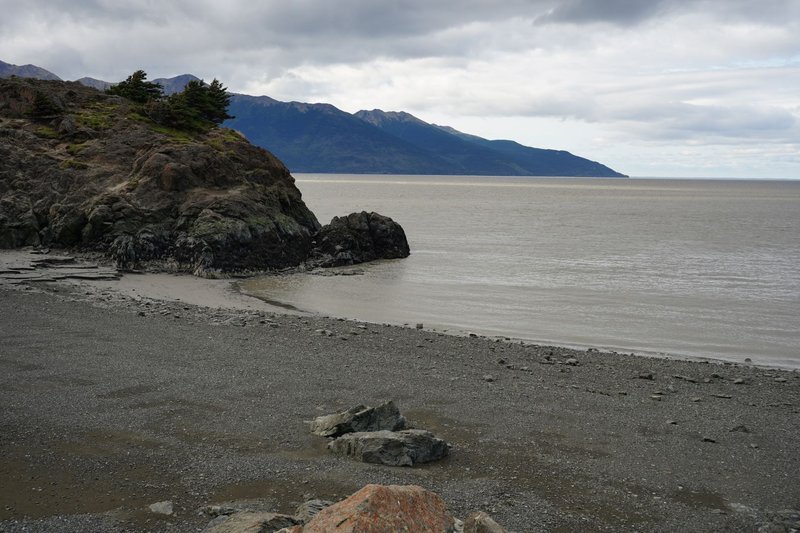
8. Barrow → Utqiaġvik, Alaska (2016)
Barrow was named for Point Barrow, which a British naval officer named in 1825 for Sir John Barrow of the Admiralty. The Iñupiaq name for the place is Utqiaġvik, often explained as a place for gathering wild roots. Voters in the northernmost city in the U.S. approved the change in October 2016, and the city made it official later that year.
Utqiaġvik is the best-known recent case of a U.S. city taking back an Indigenous name. The 2015 change from Mount McKinley to Denali involved a mountain, not a city, so it isn’t counted here. Most city renamings in the other direction, from a native name to an English one, happened centuries ago. The restored-name category is small. If you know of a documented city example beyond Utqiaġvik, it’s worth checking against local government records before repeating it.
Spelling and Typo Changes
Some renamings are one letter wide.
9. Cleaveland → Cleveland, Ohio (1830s)
General Moses Cleaveland led the Connecticut Land Company survey party that laid out the town in 1796. By the 1830s the “a” was gone. The popular explanation is that a local newspaper dropped the letter to make its masthead fit. That story has been repeated for generations, but it is a legend: no document has been produced showing a single decision or a single moment. What can be said is that the spelling shortened in the early 19th century and the city never reverted.
10. Alburquerque → Albuquerque, New Mexico (1800s)
Spanish colonists founded the town in 1706 and named it for the Duke of Alburquerque, then viceroy of New Spain. The first “r” disappeared during the 19th century, after American administration began. The Spanish city of Alburquerque in Extremadura still spells it the old way.
11. Juliet → Joliet, Illinois (1845)
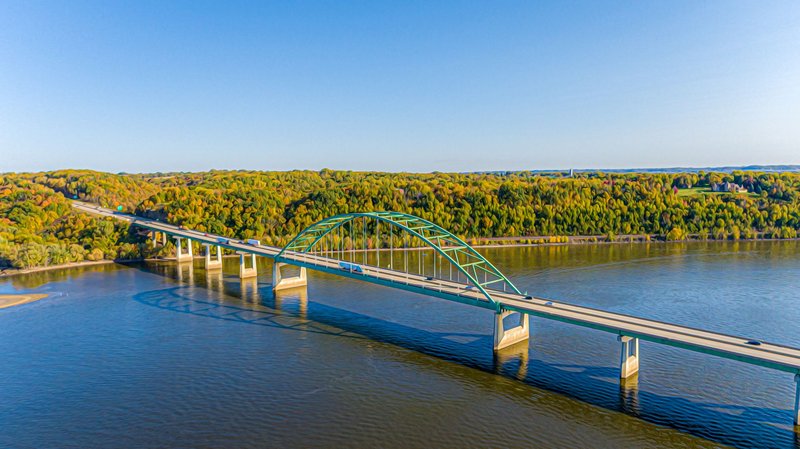
The city on the Des Plaines River was first known as Juliet. In 1845 residents changed it to Joliet, to honor explorer Louis Jolliet, who traveled the region with Father Jacques Marquette in 1673. Even then the spelling wasn’t a perfect match to the explorer’s own, which is why you’ll see Jolliet with two Ls in history books and Joliet with one on road signs.
Founder and Railroad Rebrands
Railroads decided which towns lived and which disappeared. A name was the cheapest way to advertise.
12. Terminus → Marthasville → Atlanta, Georgia (1837-1845)
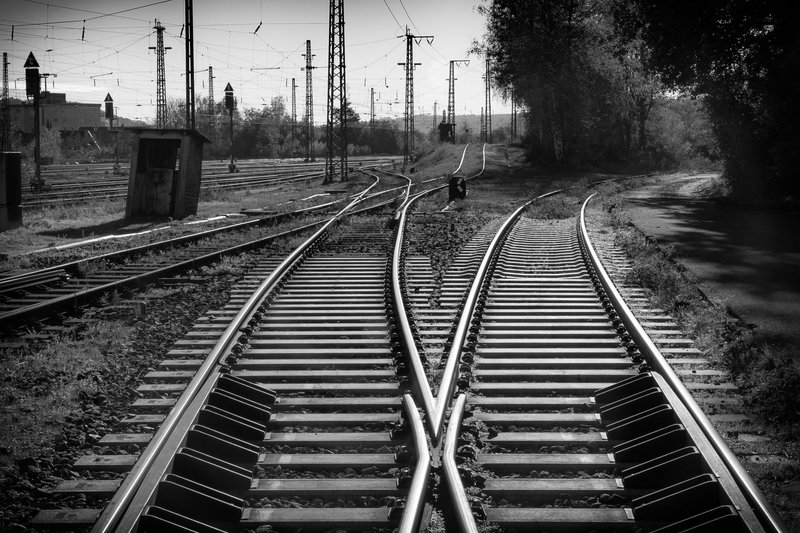
The settlement began in 1837 as the end of the line for a planned railroad, so it was called Terminus. By 1843 it was Marthasville, after the daughter of Governor Wilson Lumpkin. In 1845 the railroad’s chief engineer, J. Edgar Thomson, proposed Atlanta, a feminine form of “Atlantic” meant to tie the town to the Western and Atlantic Railroad. It stuck.
13. Big Lick → Roanoke, Virginia (1882)
Big Lick was named for a nearby salt lick that attracted game. It had about 700 residents in 1880. When the Norfolk and Western Railway made it a hub, boosters wanted a name that sounded less like livestock. Roanoke, taken from an Algonquian word for shell money, came in 1882, and the population topped 16,000 by 1890.
14. Bronson → Kalamazoo, Michigan (1836)
Titus Bronson founded the town in 1829 and it carried his name. He fell out with his neighbors, and in 1836 the town became Kalamazoo, a name of Potawatomi origin whose exact meaning is disputed. He reportedly left town soon after. The city still has Bronson Park downtown.
15. Pig’s Eye → St. Paul, Minnesota (1841)
Pierre Parrant, a whiskey seller nicknamed “Pig’s Eye,” ran a tavern on the Mississippi that gave the settlement its first informal name. In 1841 Father Lucien Galtier built a log chapel and dedicated it to St. Paul, and the community adopted the saint’s name. Few cities moved up the social ladder so fast with one building.
16. Yerba Buena → San Francisco, California (1847)
Yerba Buena, “good herb,” was the Spanish-era village on the peninsula’s eastern shore. Soon after U.S. forces took control in 1846, the town’s alcalde, Washington Bartlett, issued an order renaming it San Francisco in January 1847. Part of the reason was competition: a rival settlement across the bay called Francisca (now Benicia) was trying to claim the bay’s name for itself.
How U.S. Cities Change Their Names Today
There’s no national process. The rules come from state law and each city’s charter.
- Local approval. Most places need an ordinance from the city council, a charter amendment, or a public vote. Utqiaġvik and Truth or Consequences both went through voters.
- State filing. Some states require the change to be filed with the legislature or the secretary of state.
- Federal recognition. The U.S. Board on Geographic Names maintains the official federal record of place names, which is how maps and federal agencies pick up the new spelling. The Board doesn’t rename cities itself. Local governments do.
- Practical updates. Post offices, road signs, and licenses all need to catch up, which is why stunt names like Joe and Half.com usually come with a sponsor footing the bill.
What the List Shows
Across these 16 U.S. cities that have changed names, the reasons cluster. Governments rename places they take over or build. Railroads rename places they want to sell. Founders get written out when neighbors tire of them. And the occasional small town trades its name for something it can’t afford any other way.
Dates here follow standard historical sources, but small-town naming history gets embellished. When a story is too neat, such as the Cleveland newspaper, check it before repeating it.