
Hungarian looks like a keyboard-smash the first time you see it written down. “Viszontlátásra” for goodbye. “Köszönöm szépen” for thank you very much. But say it out loud with a rough English-sound approximation and locals light up — not because your accent is good, it won’t be, but because almost nobody outside Hungary bothers to try. The language isn’t related to German, Slovak, or Romanian, or to anything else nearby. It’s a linguistic island, and Hungarians know it. A tourist who lands three or four phrases gets treated differently than one who defaults to loud English and pointing.
This guide covers the scenarios you’ll actually hit — arriving, eating, shopping, getting around, asking for help, and the toast you’ll be expected to make at some point — with pronunciation written the way it sounds to an English speaker’s ear, not in IPA symbols nobody can read on the fly.
Table of Contents
- Quick Cheat Sheet
- Why Hungarian Sounds the Way It Does
- Arrival and Greetings
- Please, Thank You, and Basic Courtesy
- At Restaurants and Cafés
- Shopping and Numbers
- Getting Around
- Asking for Help and Directions
- Emergencies and Health
- Toasts and Social Situations
- Outside Budapest: Where This Actually Matters
Quick Cheat Sheet
Screenshot this section before you land. It’s the fifteen phrases that cover most interactions, stripped of context so you can find them fast.
| English | Hungarian | Say it like |
|---|---|---|
| Hello (informal) | Szia | SEE-ya |
| Hello (formal) | Jó napot | yo NAH-pot |
| Goodbye (informal) | Szia / Viszlát | SEE-ya / VEES-laht |
| Goodbye (formal) | Viszontlátásra | VEE-sont-lah-tash-rah |
| Please | Kérem | KAY-rem |
| Thank you | Köszönöm | KUR-sur-nurm |
| Yes / No | Igen / Nem | EE-gen / nem |
| Excuse me / Sorry | Elnézést | EL-nay-zaysht |
| Do you speak English? | Beszél angolul? | BEH-sayl AHN-goh-lool |
| I don’t understand | Nem értem | nem AYR-tem |
| How much is it? | Mennyibe kerül? | MEN-yi-beh KEH-rewl |
| The bill, please | A számlát kérem | ah SAHM-laht KAY-rem |
| Where is the toilet? | Hol van a mosdó? | hol von ah MOSH-doh |
| Help! | Segítség! | SHEH-geet-shayg |
| Cheers! | Egészségedre! | EG-ess-shay-ged-reh |
Keep this table open on your phone. Everything below adds the context and the phrases that build on it.
Why Hungarian Sounds the Way It Does
Hungarian belongs to the Finno-Ugric language family, distantly related to Finnish and Estonian and to almost nothing else in Europe. It’s agglutinative, meaning grammar gets built by stacking suffixes onto a root word rather than rearranging separate words — which is why some Hungarian words look absurdly long. It also has 14 vowel sounds, including several with accent marks (á, é, í, ó, ö, ő, ú, ü, ű) that change meaning entirely, so “kerek” and “kérek” are not the same word even though they look nearly identical to an untrained eye.
None of that should scare you off. The saving grace is that Hungarian is phonetic — once you know how a letter sounds, it sounds that way every time. There’s no silent-letter chaos like English or French. The pronunciation guides in this post use English-sound approximations rather than IPA on purpose, because a tourist trying to sound out “beˈsaːl] under pressure at a counter isn’t going to land it. Reading “BEH-sayl” out loud gets you 80% of the way there, and 80% is more than enough for a shopkeeper to understand you’re trying.
A quick note on stress: in Hungarian, the emphasis almost always falls on the first syllable of a word, no matter how long the word gets. Get that right and the rest of your pronunciation can be rough and you’ll still be understood.
Arrival and Greetings
Hungarians use formal and informal registers, and picking the wrong one isn’t a disaster, but picking the right one signals you’ve paid attention. Use formal phrases with hotel staff, older people, and anyone in a service uniform. Use informal with peers, bartenders your own age, or anyone who greets you informally first.
- Hello (informal): Szia (SEE-ya) — also doubles as “bye”
- Hello (formal): Jó napot (yo NAH-pot), short for “jó napot kívánok,” good day to you
- Good evening: Jó estét (yo ESH-tayt)
- Goodbye (informal): Szia or Viszlát (VEES-laht)
- Goodbye (formal): Viszontlátásra (VEE-sont-lah-tash-rah) — long, but you’ll hear it constantly in shops as you leave
- How are you?: Hogy vagy? (informal, hodj vodj) or Hogy van? (formal, hodj von)
- My name is…: A nevem… (ah NEH-vem)
- Nice to meet you: Örülök, hogy megismerhetlek (informal) — genuinely difficult, most tourists skip this one and just smile, which is fine
Landing “Jó napot” when you walk into a small shop, rather than saying nothing, is the single highest-return phrase in this list. Hungarian retail culture still runs on that greeting exchange in a way big-city tourists sometimes miss.
Please, Thank You, and Basic Courtesy
- Please: Kérem (KAY-rem)
- Thank you: Köszönöm (KUR-sur-nurm)
- Thank you very much: Köszönöm szépen (KUR-sur-nurm SAY-pen)
- You’re welcome: Szívesen (SEE-veh-shen)
- Excuse me / I’m sorry: Elnézést (EL-nay-zaysht) — use this to get someone’s attention or to apologize for bumping into them
- Yes: Igen (EE-gen)
- No: Nem (nem)
- Do you speak English?: Beszél angolul? (BEH-sayl AHN-goh-lool)
- I don’t understand: Nem értem (nem AYR-tem)
- Could you speak more slowly?: Lassabban, kérem (LOSH-shab-bon KAY-rem)
“Köszönöm” is the word you’ll use more than any other. It’s also the one people mangle worst on the first try because of the “ö” sound, which doesn’t exist in English — it’s close to the vowel in “fur” said without moving your lips much. Don’t over-think it; “KUH-suh-nuhm” said with confidence lands fine.
At Restaurants and Cafés
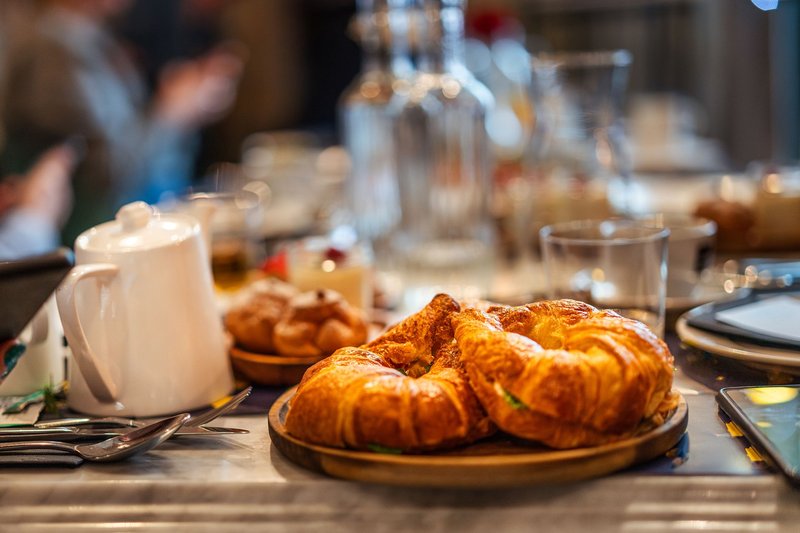
Hungarian restaurant service tends to be more formal and less chatty than American service and more relaxed than French. Waitstaff generally won’t check in every five minutes, and the bill doesn’t come until you ask for it — flagging someone down is expected, not rude.
- Table for two, please: Egy asztalt kettőnek, kérem (edj OS-tolt KET-tur-nek KAY-rem)
- Menu, please: Az étlapot, kérem (oz AYT-lo-pot KAY-rem)
- I would like…: Szeretnék… (SEH-ret-nayk)
- Water: Víz (veez)
- Beer: Sör (shur)
- Wine: Bor (bor)
- Is this dish spicy?: Ez az étel csípős? (ez oz AY-tel CHEE-pursh)
- I’m vegetarian: Vegetáriánus vagyok (VEH-geh-tah-ree-ah-noosh VOD-jok)
- The bill, please: A számlát, kérem (ah SAHM-laht KAY-rem)
- Delicious: Finom (FEE-nom)
- Cheers (before drinking): Egészségedre! (EG-ess-shay-ged-reh)
One practical note that trips people up: a service charge is sometimes already included on the bill in Budapest tourist-district restaurants, so ask “Van szervizdíj?” (von SER-veez-deey — “is there a service charge?”) before tipping again on top of it. If there’s no line for it, 10% is standard and typically handed to the server directly rather than left on the table.
Shopping and Numbers
- How much is it?: Mennyibe kerül? (MEN-yi-beh KEH-rewl)
- That’s too expensive: Ez túl drága (ez tool DRAH-gah)
- Do you accept cards?: Elfogadnak kártyát? (EL-fo-god-nok KAHR-tyaht)
- I’m just looking: Csak nézelődöm (chock NAY-zeh-lur-durm)
- Cash: Készpénz (KAYS-paynz)
Numbers you’ll actually use, since prices in forints get long fast (a coffee might run 900-1,200 HUF):
| Number | Hungarian | Say it like |
|---|---|---|
| 1 | egy | edj |
| 2 | kettő | KET-tur |
| 3 | három | HAH-rom |
| 4 | négy | nayj |
| 5 | öt | urt |
| 10 | tíz | teez |
| 20 | húsz | hoos |
| 100 | száz | sahz |
| 1,000 | ezer | EH-zer |
If the numbers overwhelm you, the honest move is to hand over a card or point at the register display — nobody expects a tourist to mentally convert Hungarian number words on the fly at a till.
Getting Around
- Where is…?: Hol van…? (hol von)
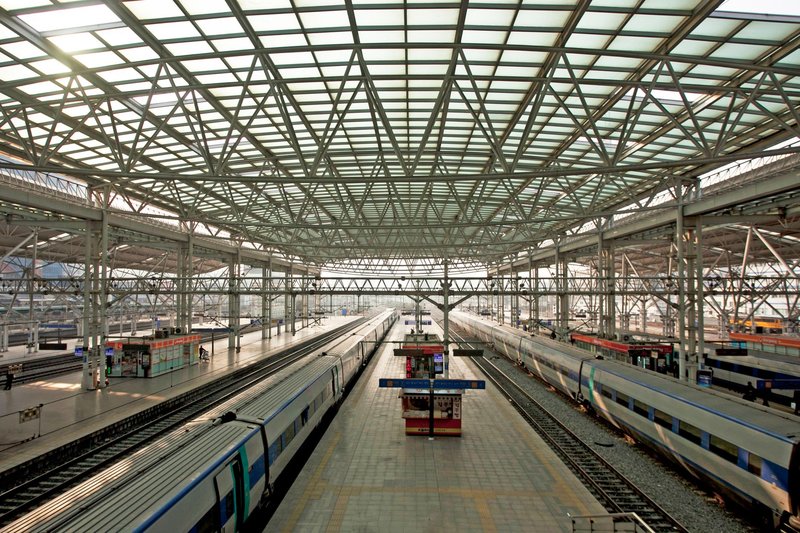
- The train station: A vasútállomás (ah VOSH-oot-ahl-lo-mahsh)
- The bus stop: A buszmegálló (ah BOOS-meg-ahl-loh)
- I would like a ticket to…: Szeretnék egy jegyet…-ba/be (SEH-ret-nayk edj YEH-djet)
- Is this the right platform for…?: Ez a vágány…-ba megy? (ez ah VAH-gahny meg-dj)
- Straight ahead: Egyenesen (EH-djeh-neh-shen)
- Left / Right: Balra / Jobbra (BOL-ra / YOB-ra)
- Stop here, please (taxi): Álljon meg itt, kérem (AHL-yon meg it KAY-rem)
Budapest’s metro and tram signage is bilingual in the central districts, and ticket machines have an English toggle, so this section matters less in the capital than the phrases above. It matters a lot more once you’re buying a regional train ticket in a town where the machine is Hungarian-only and the person behind the glass has answered the same tourist question in broken English fifty times that week.
Asking for Help and Directions
- Can you help me?: Tudna segíteni? (TOOD-nah SHEH-gee-teh-nee)
- I’m lost: Eltévedtem (EL-tay-ved-tem)
- Where is the toilet?: Hol van a mosdó? (hol von ah MOSH-doh)
- Where is the nearest pharmacy?: Hol van a legközelebbi gyógyszertár? (hol von ah LEG-kur-zeh-leb-bee DYOHDJ-ser-tahr)
- I need a doctor: Orvosra van szükségem (OR-vosh-ra von SOO-kshay-gem)
- I’m looking for…: Keresem a…-t (KEH-reh-shem)
Hungarians tend to answer questions directly and briefly rather than with small talk, which some tourists read as coldness. It isn’t — it’s a more transactional conversational style than what British or American travelers are used to, and it applies to both English and Hungarian exchanges alike.
Emergencies and Health
Hungary is one of the safer destinations in Europe for visitors; the U.S. State Department rates it a Level 1 advisory, its lowest risk category, meaning normal precautions apply rather than heightened caution. Still, know these before you need them:
- Help!: Segítség! (SHEH-geet-shayg)
- Call the police: Hívja a rendőrséget (HEEV-yah ah REND-ur-shay-get)
- I need an ambulance: Mentőre van szükségem (MEN-tur-reh von SOO-kshay-gem)
- I’ve lost my passport: Elvesztettem az útlevelem (EL-vess-tet-tem oz OOT-leh-veh-lem)
- I’m allergic to…: Allergiás vagyok…-ra/re (AH-ler-gee-ahsh VOD-jok)
The number to remember, and it’s the one number in this entire guide you don’t need a Hungarian word for, is 112. It’s the single emergency number that works across the entire EU, free from any phone with or without a SIM card, and it connects you to police, ambulance, or fire regardless of which one you ask for.
Toasts and Social Situations
If you’re offered a drink in Hungary, you will be expected to say something before the first sip, and skipping it reads as odd rather than neutral.
- Cheers!: Egészségedre! (informal, EG-ess-shay-ged-reh) or Egészségükre! (formal, to a group)
- Good appetite / enjoy your meal: Jó étvágyat! (yo AYT-vah-djot)
- Congratulations: Gratulálok (GRAH-too-lah-lok)
- Happy birthday: Boldog születésnapot! (BOL-dog SOO-leh-tesh-nah-pot)
One genuine cultural quirk worth knowing before you clink glasses: there’s a real, if fading, tradition in Hungary of not toasting with beer specifically. It traces back to 1849, when Austrian generals reportedly celebrated the execution of thirteen Hungarian revolutionary commanders by clinking beer steins. Some Hungarians still observe a beer-toast taboo out of habit, others think it’s overstated folklore, but if you raise a beer and your Hungarian host hesitates or clinks glasses without the “cheers,” that’s why. Wine and pálinka, the local fruit brandy, carry no such history — toast freely.
Outside Budapest: Where This Actually Matters
Budapest’s tourist core runs on English well enough that you can survive there without a word of Hungarian. That’s not true nationally. Across Hungary overall, only about one in five people speak English at a usable level, and that number drops further outside the capital and among older generations, who are more likely to have grown up learning Russian or German as a second language instead.
That gap shows up fastest at train stations, small-town pharmacies, and family-run restaurants in places like Eger, Pécs, or the Great Plain towns, where the person serving you may genuinely have no English at all. Menus in these places are often handwritten and Hungarian-only. Signage at regional train stations lists departures by Hungarian words for direction and destination, not always with an English subtitle the way Budapest’s Keleti and Nyugati stations do.
This is where the cheat sheet earns its keep. You don’t need fluency to get a room, order dinner, and find a bus outside the capital — you need the twenty or so phrases in this guide and the willingness to point at a menu item while saying “ezt kérem” (this one, please). Combine gestures with a handful of correct words and Hungarians outside the tourist zones tend to go out of their way to help, precisely because so few visitors bother making the attempt.
Print the cheat sheet, or screenshot it, before you leave Budapest. Cell signal in rural Hungary is fine, but fumbling through a translation app in front of an impatient ticket line is exactly the moment this guide is built to prevent.