
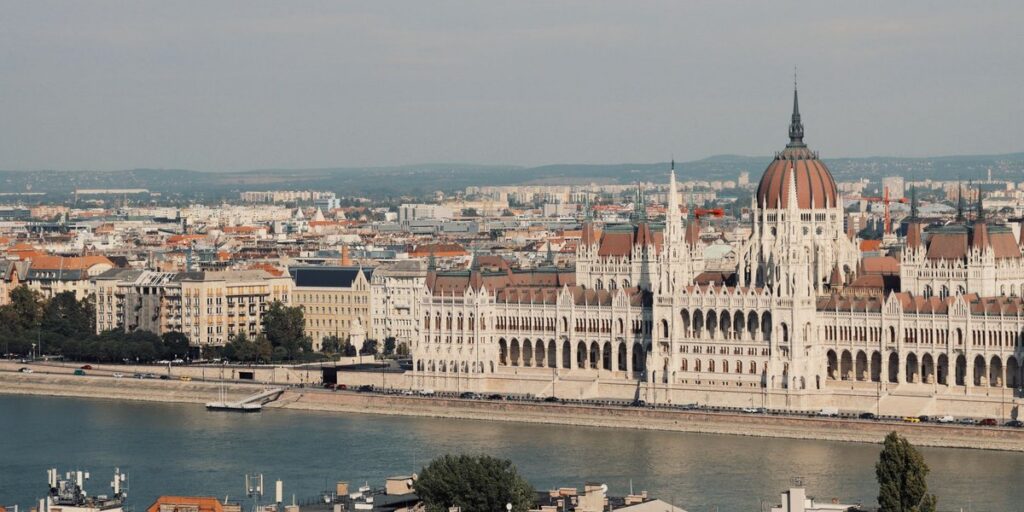
Hungary is known for Budapest and its Danube skyline, thermal baths, paprika-heavy food like goulash, Tokaji wine, Lake Balaton and a long list of inventions that includes the Rubik’s Cube and the ballpoint pen. It’s a country of about 9.6 million people that punches well above its size in science, music and Olympic sport.
This list runs from the things most tied to Hungary to the ones that surprise people. Each entry has one concrete fact and a tip for seeing or tasting it, so it works whether you’re planning a trip or just settling a question.
Contents
- Budapest and Its Danube Skyline
- Thermal Baths
- Goulash and Paprika
- Lángos and Chimney Cake
- Tokaji and Eger Wine
- Pálinka
- Ruin Bars
- Lake Balaton
- The Rubik’s Cube and Other Inventions
- Liszt, Bartók and Kodály
- Olympic Success
- The Hungarian Language
- The Puszta and Its Horsemen
Below the list: Hungarikum, stereotypes vs reality, quick facts and a FAQ.
1. Budapest and Its Danube Skyline
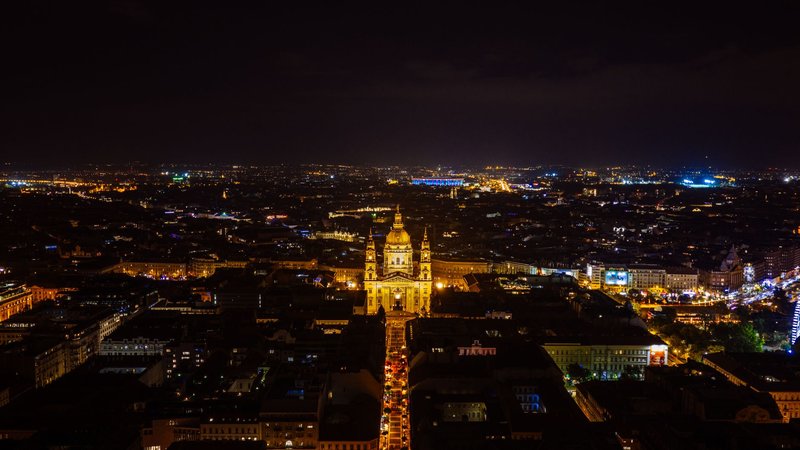
Budapest is the face of Hungary, and the Parliament Building is the face of Budapest. Architect Imre Steindl’s neo-Gothic landmark sits on the Pest bank of the Danube, rises 96 meters and has around 691 rooms. Construction started in 1885 and finished in 1904. The Holy Crown of Hungary, used to crown kings for centuries, is displayed under the dome.
The city itself is two towns joined in 1873: hilly Buda on the west bank, flat Pest on the east. The riverside panorama, along with Buda Castle Quarter and Andrássy Avenue, is a UNESCO World Heritage site.
See it: Look at Parliament from the Buda side, from Fisherman’s Bastion or the embankment below it, just after dark when it’s lit gold. To go inside, book a guided tour days ahead.
2. Thermal Baths
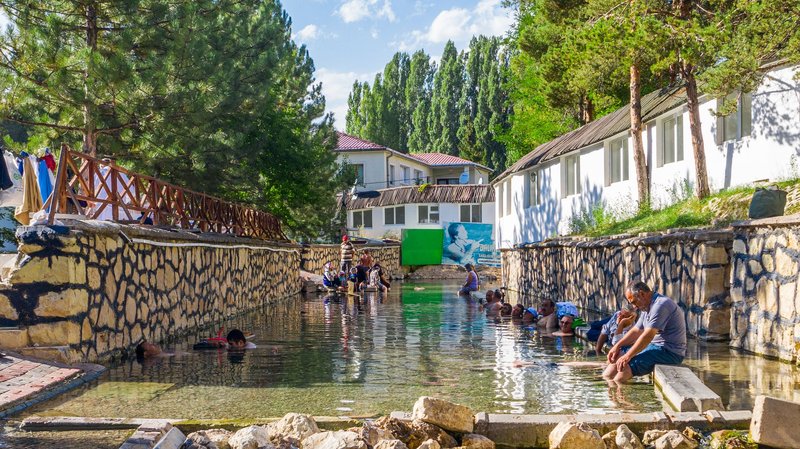
Hungary sits on a thin patch of the Earth’s crust, and hot mineral water comes up almost everywhere. Budapest alone has more than 100 thermal springs, which is why it’s nicknamed the City of Spas. Bathing here isn’t a luxury add-on. Doctors still prescribe it.
The headline name is Széchenyi, a yellow neo-baroque palace in City Park that opened in 1913 and has 18 pools. Gellért (1918) is the art nouveau one. Rudas is the Ottoman original: a 16th-century octagonal pool under a stone dome. Outside the capital, Hévíz in western Hungary is a natural thermal lake you can swim in during winter.
Try it: Go to Széchenyi on a weekday morning, before the tour groups. Bring flip-flops and a swim cap if you plan to use the lap pool. Look for the men playing chess in the hot outdoor pool.
3. Goulash and Paprika
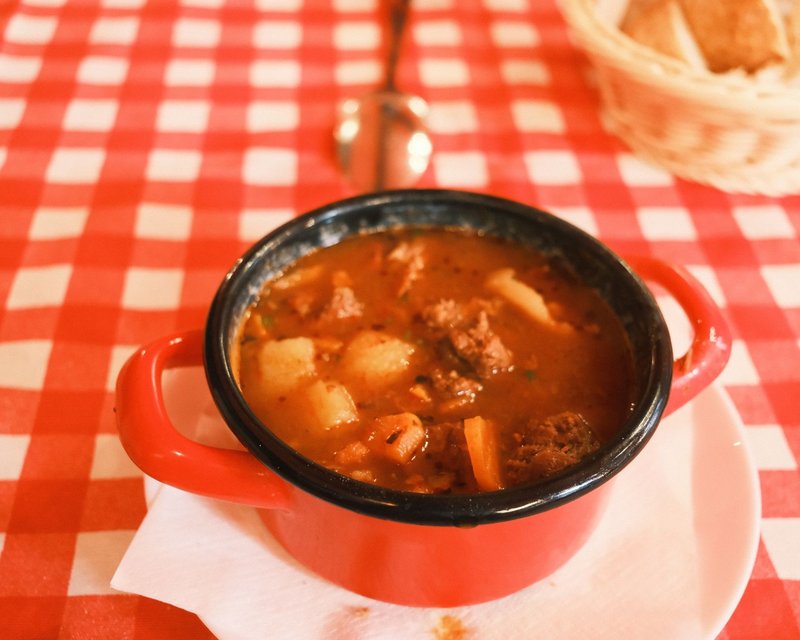
Goulash is Hungary’s best-known dish, and abroad it’s usually misunderstood. In Hungary, gulyás is a soup: beef, onion, potato, carrot, caraway and a lot of paprika, cooked in a cauldron. The name comes from gulyás, meaning cattle herdsman, because the Great Plain herders cooked it over open fires. The thick, stew-like version is called pörkölt.
Paprika is the real national spice. The ground pepper arrived during the Ottoman era and became the backbone of Hungarian cooking. The centers of production are Szeged and Kalocsa. Grades run from mild and sweet (édesnemes, the common one) to hot (csípős). Szeged also gave science a landmark moment: Albert Szent-Györgyi isolated Vitamin C from paprika there, work that earned him the 1937 Nobel Prize in Medicine.
Try it: Order gulyás with fresh bread at a local lunch spot, then buy sealed bags of paprika at the Great Market Hall (opened 1897), which are lighter to carry than jars.
4. Lángos and Chimney Cake
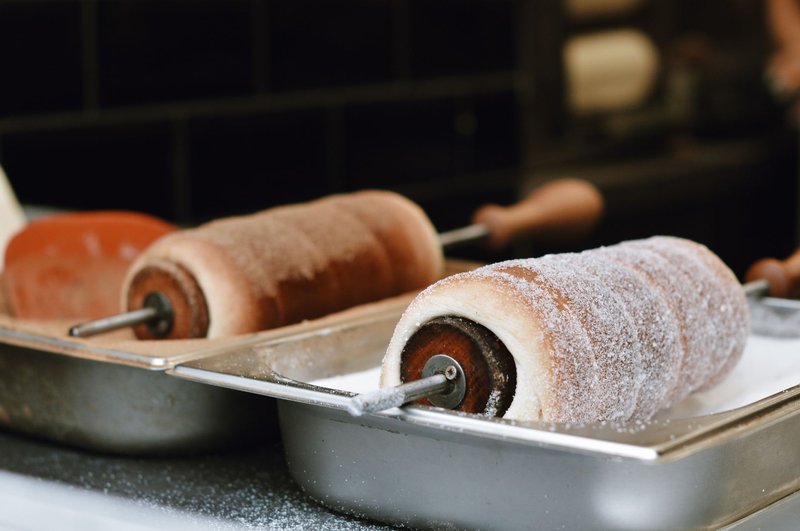
Hungarian street food comes down to two things. Lángos is a deep-fried flatbread, traditionally topped with sour cream (tejföl), grated cheese and sometimes garlic. It’s heavy, salty and exactly what you want after a day at the beach.
Kürtőskalács, the chimney cake, is the sweet answer. Dough is wrapped around a wooden cylinder, roasted over charcoal and rolled in sugar, cinnamon or ground walnuts. It’s tied to Hungarian communities in Transylvania, and it’s now sold at every market and Christmas fair in Budapest.
Try it: Eat the chimney cake straight off the spit while the sugar is still crackling. For lángos, the stands around Lake Balaton beat most Budapest versions.
5. Tokaji and Eger Wine
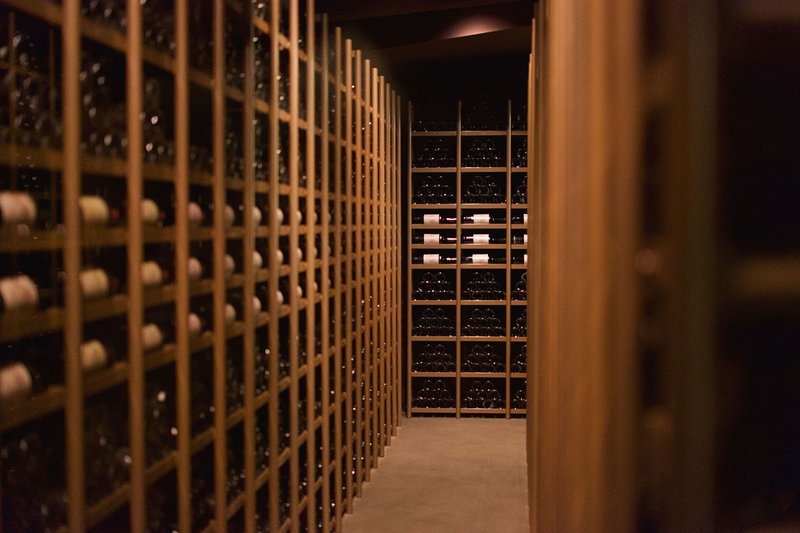
Hungary has 22 wine regions, but two names carry the reputation. Tokaj, in the northeast, makes Tokaji Aszú, a sweet wine from grapes shriveled by noble rot, graded in puttonyos. The region was classified in 1737, and its volcanic hillsides and cellars are a UNESCO-listed cultural landscape. Louis XIV reportedly called it the wine of kings and the king of wines. Tokaj also makes dry Furmint, which gets less attention than it deserves.
Eger, in the north, is famous for Egri Bikavér, “Bull’s Blood,” a red blend with a legend attached to the 1552 siege of Eger castle. The wine cellars of the Valley of the Beautiful Women (Szépasszony-völgy) are where you taste it.
Try it: Eger is about 1.5 hours from Budapest, so it works as a day trip. Tokaj is roughly 2.5 hours away and deserves an overnight.
6. Pálinka
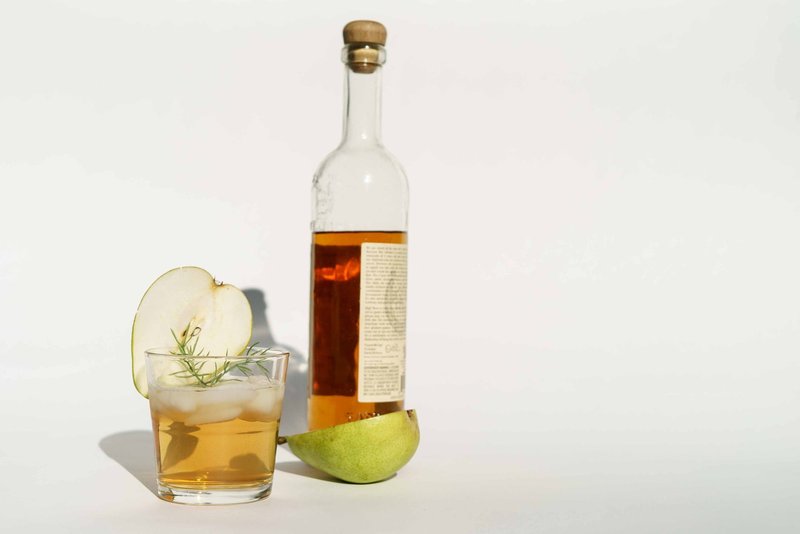
Pálinka is Hungary’s fruit brandy, and it has legal weight. Under EU rules, which Hungary secured in 2008, pálinka must be made from fruit grown in Hungary, fermented and distilled there, with no added sugar or flavoring. Apricot (barack) from Kecskemét and plum (szilva) from the Szatmár region are the classic styles.
It’s drunk in small glasses, often before a meal, and at 37.5% ABV minimum, it’s not subtle.
Try it: Start with apricot. Say egészségedre (roughly “to your health”) when you clink glasses.
7. Ruin Bars
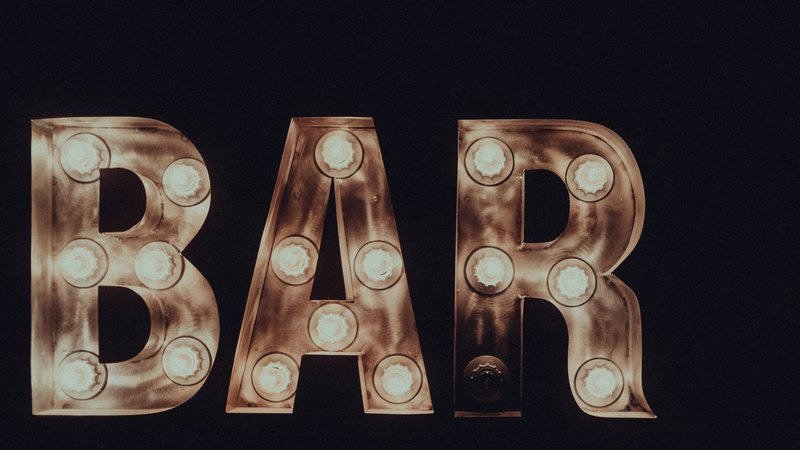
Ruin bars are Budapest’s own invention. After the Jewish Quarter (District VII) was left crumbling in the 1990s, locals started turning empty apartment blocks and courtyards into bars with scavenged furniture. Szimpla Kert opened in 2002 and moved to its current building on Kazinczy Street in 2004. It set the template: mismatched armchairs, bathtub seats, graffiti, an old Trabant car used as a table.
Dozens of imitators followed, and the formula has been copied in other cities. The Budapest originals still have the better crowd.
Visit: Go early evening, before the weekend rush. Szimpla also runs a Sunday farmers’ market, which shows the place without the late-night crowd.
8. Lake Balaton
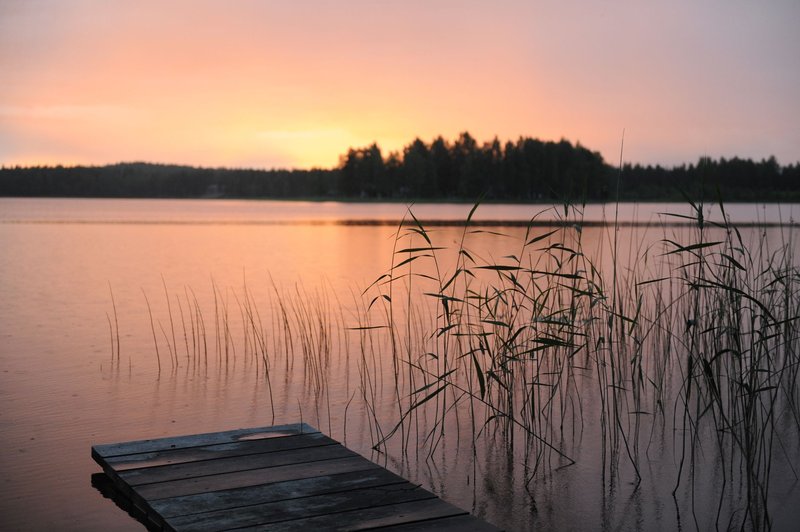
Lake Balaton is the largest lake in Central Europe, around 78 kilometers long and covering roughly 592 square kilometers. It’s shallow, averaging about 3 meters deep, so it warms fast in summer. Hungarians call it the “Hungarian Sea,” a nod to the fact that the country has no coastline.
The two shores have different personalities. The south shore, with towns like Siófok, has sandy entry and shallow water, which suits families and nightlife. The north shore has volcanic hills, vineyards around Badacsony and the Tihany peninsula, known for its abbey and lavender fields.
Visit: Come from late June to August for swimming. In September, the north shore is quieter and the wine harvest is underway.
9. The Rubik’s Cube and Other Inventions
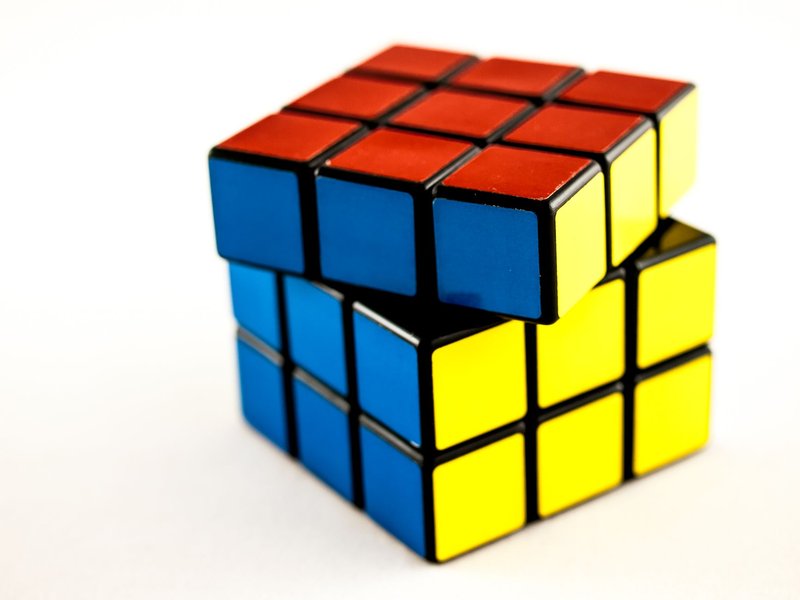
Ernő Rubik, a Budapest architecture professor, built the first prototype in 1974 as a teaching tool for 3D geometry. He called it the Magic Cube (Bűvös kocka). It took him a month to solve his own puzzle. It has 43 quintillion possible configurations, and more than 350 million have been sold since it went global in 1980.
Hungary’s invention record goes well beyond the cube:
- Ballpoint pen: László Bíró patented the design in Hungary in 1938. In Britain, a ballpoint is still called a “biro.”
- Holography: Dennis Gabor developed the concept in 1947 and won the 1971 Nobel Prize in Physics.
- Vitamin C: Albert Szent-Györgyi, mentioned above, isolated it.
- Handwashing in medicine: Ignaz Semmelweis showed in 1847 that doctors washing their hands cut deaths from childbed fever.
More recently, Katalin Karikó and Ferenc Krausz, both Hungarian-born, won Nobel Prizes in 2023 (medicine and physics). Depending on how you count émigrés, Hungary’s Nobel total is more than a dozen.
See it: Ask for a bűvös kocka at souvenir shops for the original name. The Semmelweis Museum of Medical History in Buda sits in the house where he was born.
10. Liszt, Bartók and Kodály
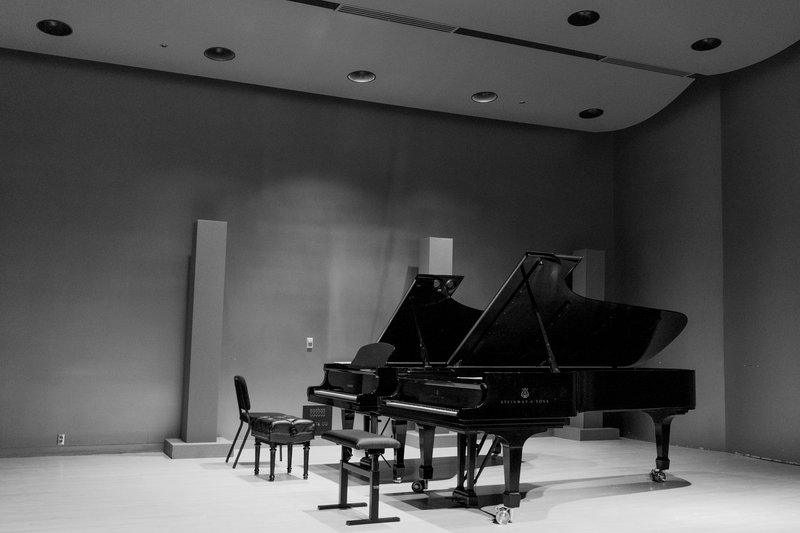
Hungary’s classical music reputation rests on three composers. Franz (Ferenc) Liszt, born in 1811 in a village then in the Kingdom of Hungary, was the 19th century’s top piano virtuoso and wrote the Hungarian Rhapsodies. Béla Bartók and Zoltán Kodály went into villages in the early 1900s with phonographs, recording thousands of folk songs, and used them to build a new style of Hungarian music. Kodály’s teaching method, built around singing, is used in music classrooms worldwide.
Try it: The Liszt Academy in Budapest, an art nouveau concert hall opened in 1907, has concerts most evenings. The Hungarian State Opera House (1884) has affordable tickets for ballet.
11. Olympic Success
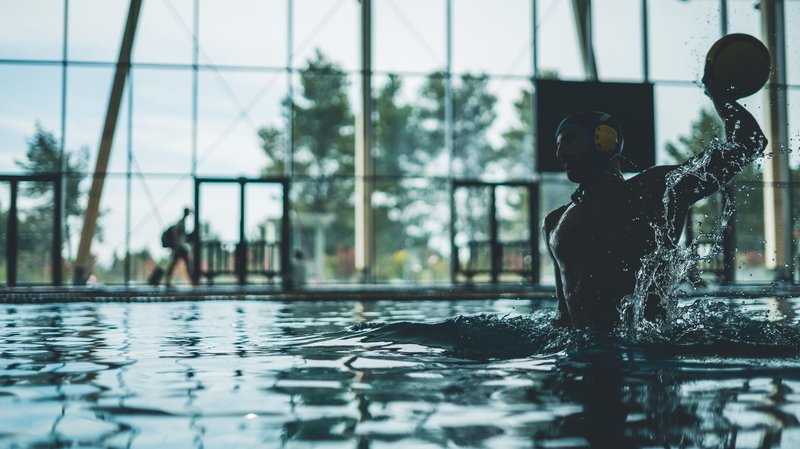
Hungary has never hosted the Summer Olympics, yet it has won more than 170 gold medals, one of the best per-capita records in the Games. Alfréd Hajós won two swimming golds at the 1896 Athens Games and later designed the National Swimming Stadium in Budapest. Hungary’s men’s water polo team has won nine Olympic golds, more than any other country. The football “Golden Team” of the 1950s, led by Ferenc Puskás, won the 1952 Olympic title and beat England 6-3 at Wembley in 1953.
See it: Catch a water polo match in Budapest, or swim laps at the Alfréd Hajós complex on Margaret Island.
12. The Hungarian Language
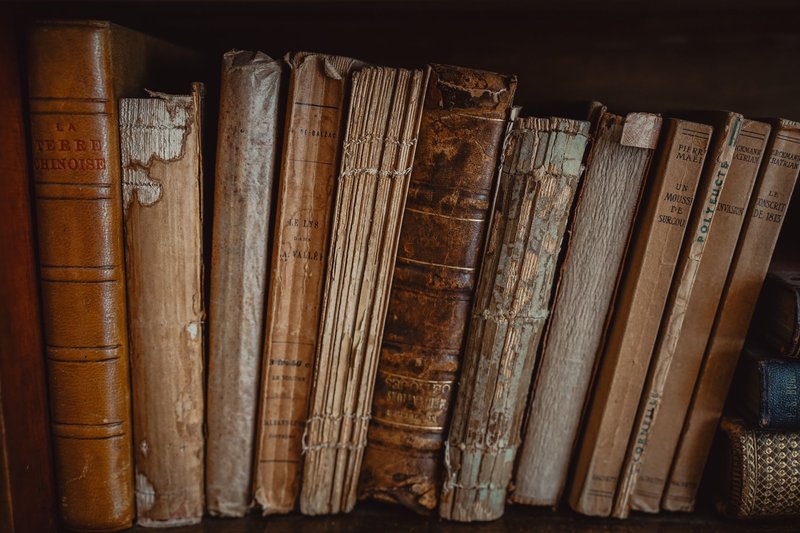
Hungarian (Magyar) is a Uralic language with about 13 million speakers. It has no close relationship to neighbors like German, Slovak or Romanian. Its nearest relatives are Khanty and Mansi in Siberia, with Finnish and Estonian as distant cousins. It has roughly 18 grammatical cases by the usual count, and surnames come first: the composer is Bartók Béla.
That makes it famously hard to learn, but visitors don’t need much.
Try it: Szia (SEE-yah) works for both hello and goodbye. Köszönöm (roughly KUH-suh-num) means thank you. Locals notice the effort.
13. The Puszta and Its Horsemen
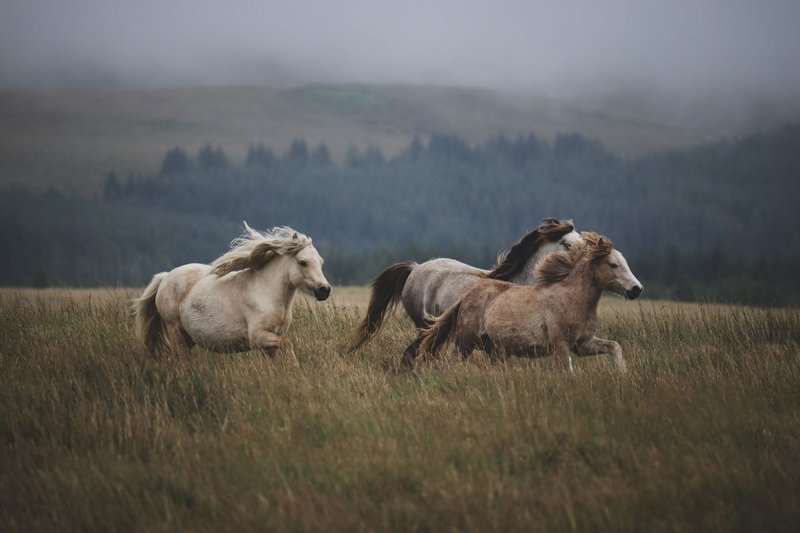
The Great Hungarian Plain, the Puszta, is the country’s other landscape. Hortobágy National Park, founded in 1973 as Hungary’s first national park, is a UNESCO World Heritage site of flat grassland, grey cattle, woolly racka sheep and csikós, the traditional horse herders in wide-sleeved shirts. Their riding displays, including the five-in-hand where a rider stands on two horses and drives three more, are the symbol most printed on tourist posters.
Visit: Hortobágy is about 2.5 hours east of Budapest, near Debrecen. Go in spring or autumn, and stop at the nine-arch stone bridge.
Hungarikum: The National Treasure List
Hungarians have an official term for things that define them: Hungarikum. A 2012 law created a national collection of items judged uniquely Hungarian, supervised by a committee. Entries include goulash soup, pálinka, Hungarian paprika, the Tokaj wine region, Herend porcelain, Pick salami and Unicum, the herbal bitter. If you’re hunting for souvenirs, the Hungarikum label is a decent filter for the genuine article.
What Is Hungary Known For? Stereotypes vs Reality
Some associations don’t hold up.
- Dracula: He’s Romanian (Transylvania was once part of the Kingdom of Hungary, which is where the confusion starts).
- Spicy food: Hungarian food is rich and paprika-flavored but rarely hot. Hot paprika and pickled peppers come on the side.
- Goulash as a stew: The dish people call goulash abroad is closer to pörkölt in Hungary.
- Eastern Europe: Hungarians usually describe their country as Central European.
- Euro country: Hungary is in the EU (since 2004) but uses the forint.
- One city: Budapest was Buda, Óbuda and Pest until 1873.
Hungary Quick Facts
| Fact | Detail |
|---|---|
| Capital | Budapest |
| Population | About 9.6 million |
| Official language | Hungarian |
| Currency | Hungarian forint (HUF) |
| Area | About 93,000 km² |
| EU member since | 2004 |
| Main river | Danube |
| Largest lake | Balaton |
FAQ
What is Hungary’s national dish?
Goulash soup (gulyás) is the most recognized, along with chicken paprikash (paprikás csirke) and fisherman’s soup (halászlé).
What is Budapest known for?
Thermal baths, the Parliament Building, ruin bars, the Danube riverfront, the Great Market Hall and Buda Castle.
What is Hungary’s most famous drink?
Tokaji Aszú for wine and pálinka for spirits. Unicum, a bitter herbal liqueur, is also a Hungarikum.
What famous things came from Hungary?
The Rubik’s Cube, the ballpoint pen, holography, Vitamin C isolation and hand hygiene in medicine.
When is the best time to visit Hungary?
May to June and September give good weather for city walks and wine regions. Summer is for Lake Balaton, and winter suits the thermal baths and Christmas markets.

