
In 1846 Iowa became the 29th state in the Union, and over the following century it evolved from frontier farmland into a network of midsize cities and tight-knit rural communities.
Deciding whether to move is as much about trade-offs as it is about perks. For prospective movers, remote workers, families and retirees, weighing costs, community, and services against job variety and weather makes the choice clearer. Iowa’s population was about 3,190,369 at the 2020 U.S. Census, the statewide median household income sits near the low-to-mid $60,000s, and median home prices in recent 2022–2023 local data tended to cluster around the $180,000–$220,000 range. If you’re scanning the pros and cons of living in iowa, this piece lists five concrete advantages and five downsides grouped by economy, community/lifestyle, and services so you can compare apples to apples.
Economy & Cost of Living

1. Low cost of living (Pro)
Iowa typically posts a cost-of-living index below the U.S. average (think roughly in the low 90s versus the national 100), so paychecks go farther on essentials like housing, groceries and utilities.
Median home prices in many counties stayed in about the $180,000–$220,000 range during 2022–2023, and rents in Des Moines are commonly 10–30% lower than comparable midsize coastal cities such as Minneapolis suburbs. A $60,000 salary often buys a more comfortable standard of living here than on the coasts—smaller mortgage, less pressure on day-to-day spending, more room to save.
2. Affordable housing market (Pro)
Homeownership remains attainable in many Iowa towns: starter homes, duplexes and even small-acreage parcels are available at price points that are rare in large coastal metros.
Smaller cities like Iowa City and Waterloo offer strong value—close to universities and employers, yet with lower property-tax burdens than some states. Areas near big employers or desirable school districts can be pricier, but overall buyers usually get more space for their money.
3. Limited job diversity in specialized industries (Con)
While Iowa has stable corporate anchors—Principal Financial in Des Moines, John Deere in Moline/central-Iowa markets, Collins Aerospace in Cedar Rapids—there are fewer headquarters for cutting-edge tech, film production or big-name finance firms.
That means startup density and venture capital per capita lag coastal hubs and even some inland metros like Austin or Minneapolis. Professionals in niche fields sometimes must accept fewer local choices, commute to neighboring states, or relocate for specialized roles.
4. Lower average wages in rural areas (Con)
Median household income in Iowa sits near the low-to-mid $60,000s, but rural counties and non-metro areas often report notably lower wages than urban centers.
That urban–rural gap offsets some cost-of-living gains: entry-level roles in agriculture or some manufacturing lines can pay well below coastal equivalents, which affects retention of young professionals and recent graduates who want higher upward mobility.
Community, Lifestyle & Climate

5. Strong sense of community and safety (Pro)
Many residents point to civic life as a top reason to stay: county fairs, farmers’ markets and volunteer organizations form regular social ties.
Numerous counties report violent-crime figures below national rates, and volunteerism is high—local libraries, fire departments and service clubs are often community-run. Newcomers typically meet neighbors through schools, churches and weekend markets.
6. Good public schools in many districts (Pro)
Several Iowa districts rank well on statewide tests and graduation rates; for example, West Des Moines and Iowa City districts consistently post high graduation rates (around the 90% mark) and strong college-readiness metrics.
That school quality—and visible community support for education—makes certain neighborhoods attractive to families and helps property values in those areas.
7. Limited cultural and entertainment options outside metro areas (Con)
Outside Des Moines, Iowa City and Cedar Rapids, choices for live music, theaters, diverse dining and late-night scenes thin out quickly.
Major concerts or museum exhibits often require a drive: Iowa City to Chicago is roughly a four-hour trip, and many residents plan weekend trips to Minneapolis or Chicago for headline shows or big cultural events. That travel cadence matters if variety is a daily priority.
8. Harsh winters and severe weather (Con)
Winters can be long and cold—average winter temperatures frequently dip below freezing and seasonal snowfall commonly ranges from about 20–40 inches depending on location.
Spring and summer bring severe-weather seasons with thunderstorms and tornado watches. That affects commutes, heating costs, school schedules and outdoor plans for months each year.
Services, Infrastructure & Opportunities
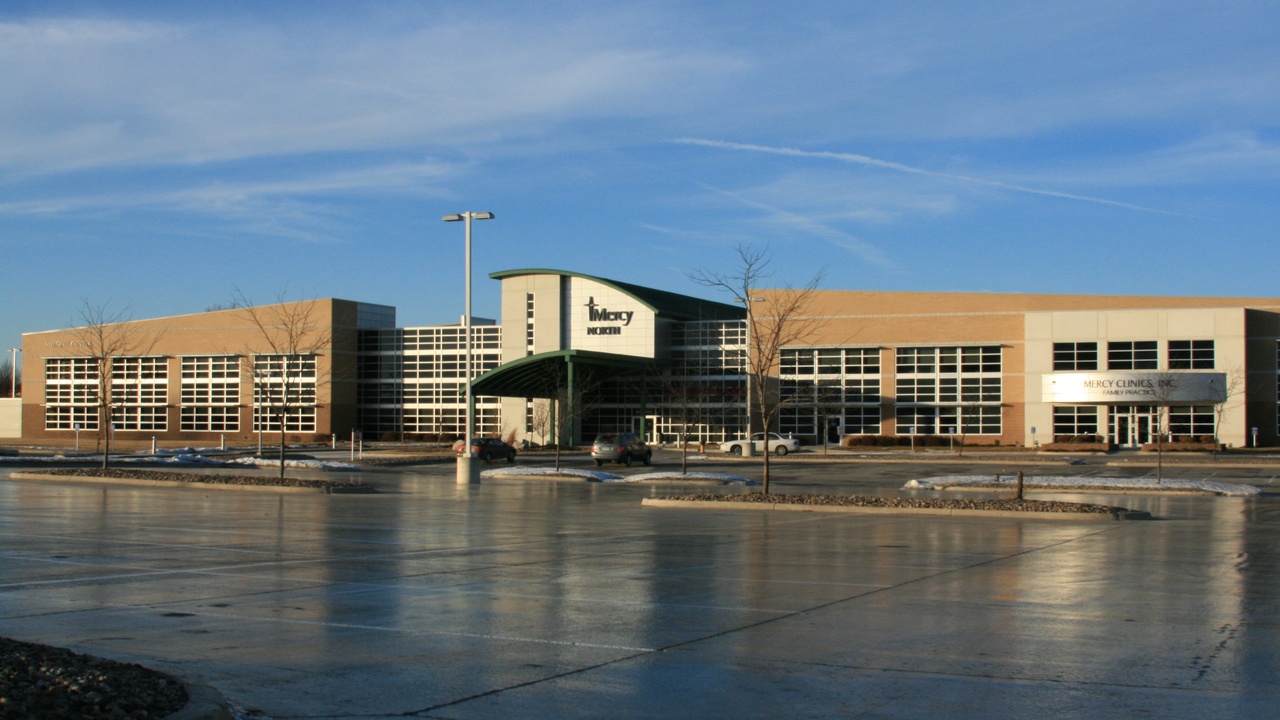
9. Good access to regional healthcare and higher education (Pro)
University of Iowa Hospitals & Clinics in Iowa City is a major regional referral center, and larger hospitals in Des Moines and Cedar Rapids provide specialty care closer to home.
State universities—University of Iowa (roughly 30,000+ students) and Iowa State University (around 30,000+ students)—anchor research, cultural programming and local employment, while community colleges supply workforce training across the state.
10. Distance to major airports and big-city amenities (Con)
Many Iowans drive one to three hours to reach large international airports or big-city cultural hubs. For example, Iowa City to Chicago O’Hare runs about four hours by car, and Des Moines to Minneapolis–St. Paul is roughly a four-hour drive depending on traffic.
Des Moines International offers nonstop service to a number of major U.S. hubs (about a dozen regular nonstop destinations), but there are fewer direct transcontinental or international long-haul options than you’d find from Chicago or Minneapolis. Frequent travelers plan accordingly—use hub connections, book in advance or lean on occasional longer drives.
Summary
- Iowa offers real affordability and strong community networks, with median home prices often near the $180k–$220k band and lower everyday costs than many metros.
- Regional strengths—University of Iowa Hospitals & Clinics, major state universities and stable employers like Principal Financial and John Deere—mean good services for families and retirees.
- At the same time, job diversity in niche tech and high-finance is limited, rural wages trail urban incomes, and winters plus severe-weather seasons require planning.
- Practical next steps: visit target neighborhoods, check local school district reports and job listings, and test-drive commutes and travel times on a weekend trip.
- If you want a concise tally of the pros and cons of living in iowa, weigh housing and community benefits against career goals and weather tolerance before deciding.