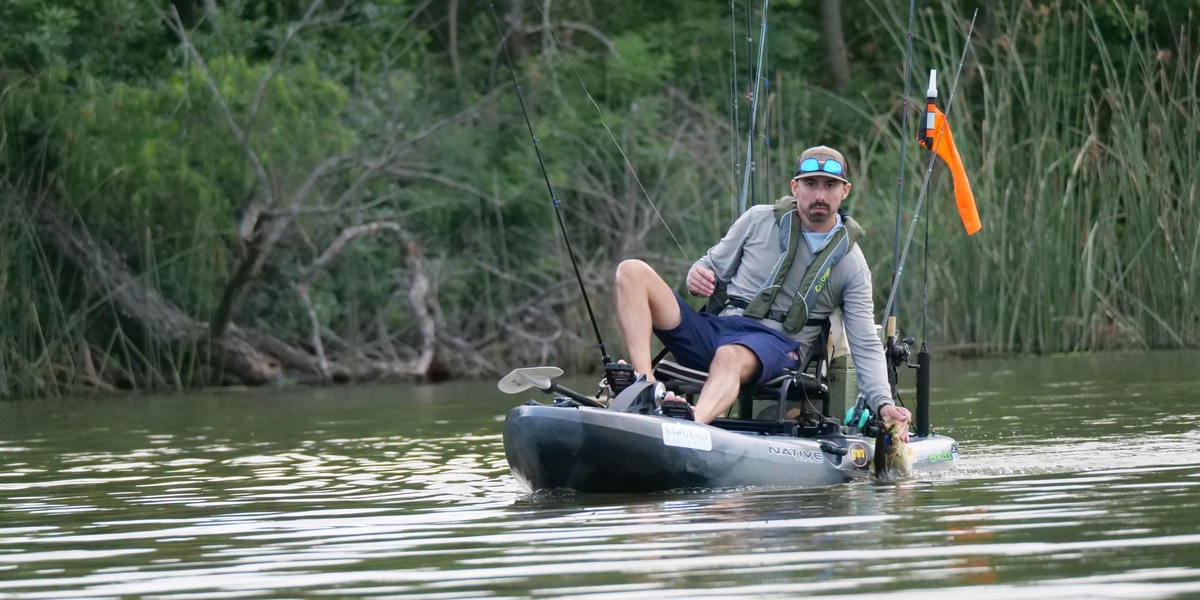
In 1863 the Siege of Vicksburg helped decide control of the Mississippi River, and that river—roughly 2,340 miles of moving water—still shapes the state’s map and mood. The result is a compact territory where salt-swept barrier islands, gravelly boulder fields and storied blues roads sit within a few hours’ drive of each other. If you’re after active travel that balances outdoorsmanship with local culture, Mississippi delivers accessibility, variety and plenty of local flavor.
From waterborne trips to high ridges and live-music nights, this guide outlines seven distinct adventures across three categories—water, land/air, and cultural/guided—so you can plan a weekend paddle, a multi-day bike route, or a music-road trip with confidence.
Waterborne Thrills: Rivers, Reservoirs and Gulf Islands
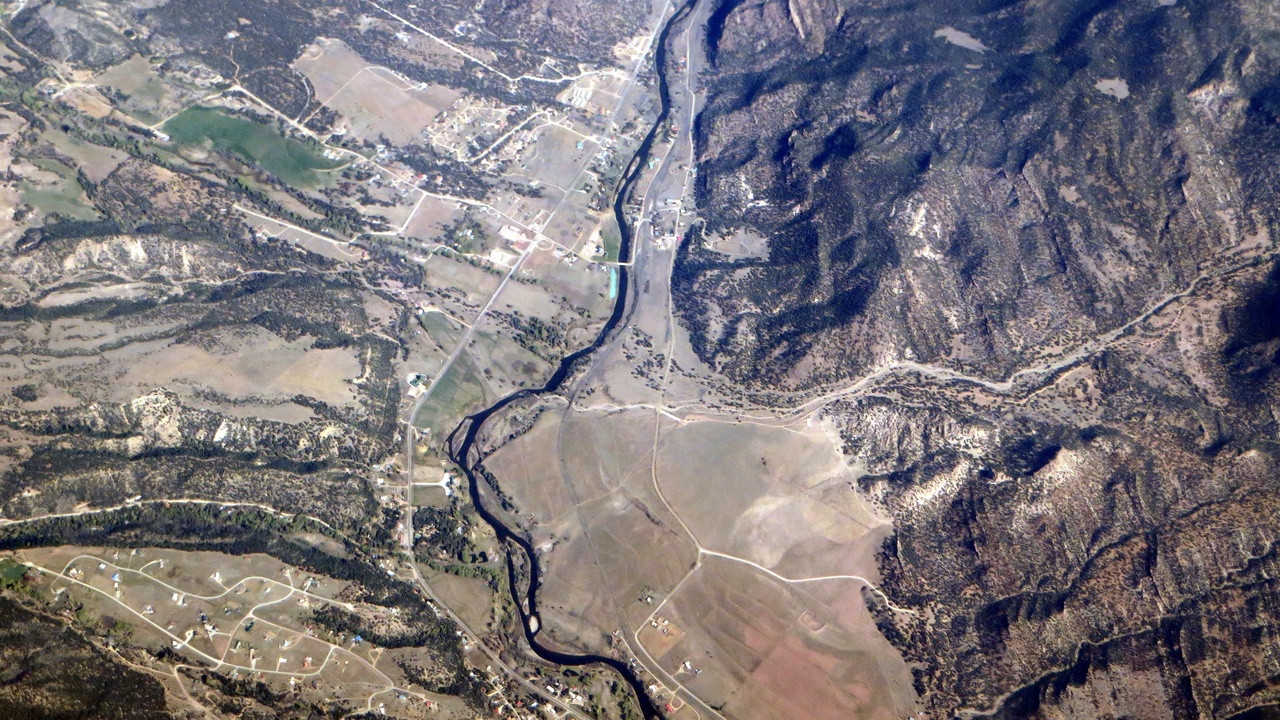
Mississippi’s waterways offer big-river expeditions, calm reservoir paddles and barrier-island beach camping. Trips can range from a half-day paddle to multi-night island camping, and season matters—expect turtle nesting May–August on the Gulf Coast. Pack a life jacket, check local guides and plan with tides and weather in mind.
1. Paddle the Mississippi River — Guided or Solo
Stretching some 2,340 miles, the Mississippi is more than a backdrop; it’s a route for real river travel. Near Vicksburg and Natchez you can find manageable paddling stretches that give you a taste of the river’s scale without committing to long expeditions.
Guided outfitters in Vicksburg run half-day kayak tours that handle navigation, currents and landing logistics, and they often include short history talks about river commerce and wartime sites. For experienced paddlers, short solo runs near Natchez offer quiet side channels and island campsites for a one- or two-night trip.
Practical tip: check for any required permits, scout current flow conditions before launching, and hire a local outfitter if you’re unfamiliar with river channels and towboat traffic.
2. Kayak Ross Barnett Reservoir for Flatwater Fun
Ross Barnett Reservoir, just north of Jackson and covering about 33,000 acres, is a flatwater playground for kayakers and stand-up paddleboarders. The broad coves and sheltered inlets make it a good option for families and anyone wanting an easy pace.
There are car-top launches near Ridgeland and Jackson, rental shops for kayaks and SUPs, and picnic spots along the shoreline for a casual day trip. Anglers target largemouth bass and catfish here, so you can combine paddling with fishing.
Suggested half-day itinerary: launch in the morning, paddle a 3–4 mile loop, stop for a shoreline lunch and shoreline birdwatching, then return before afternoon winds pick up. Watch the weather—sudden wind can make the reservoir choppy.
3. Camp and Snorkel on the Barrier Islands of the Gulf Coast
Gulf Islands National Seashore (established 1971) includes Horn Island and Petit Bois, islands prized for primitive beach camping, clear shallow snorkeling and shorebird habitat.
Day trips to Horn Island launch from Gulfport; longer stays require a boat or ferry and basic camping gear. Tide flats create excellent low-tide snorkeling spots (Horn Island is a favorite among paddlers), and sea-turtle nesting runs from May through August.
Plan a weekend: boat out Friday afternoon, camp on the beach, snorkel in the morning when water is calm, and return Sunday. Practice Leave No Trace and avoid nesting zones—park rangers and the National Park Service provide seasonal guidance (NPS Gulf Islands).
Land & Air Adventures: Trails, Cliffs and High Ropes
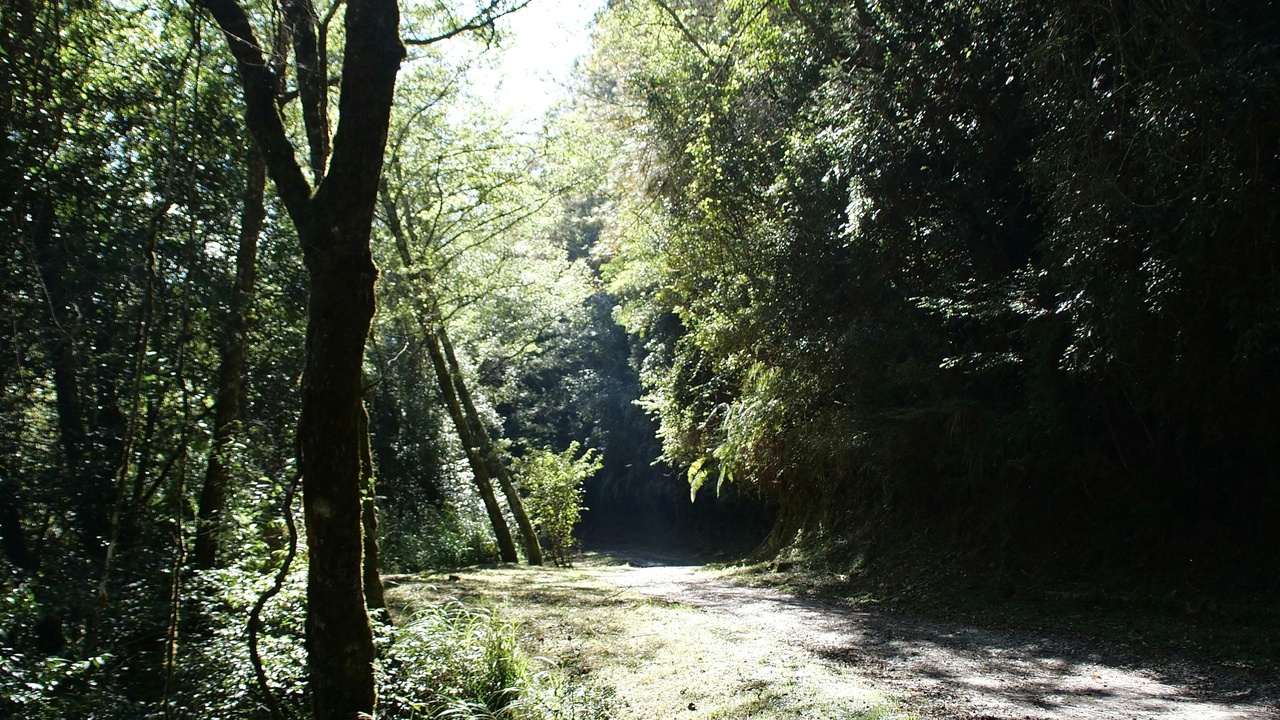
Mississippi’s topography shifts from quartzite ridges in the northeast to rolling hills and broad corridors—perfect for long scenic rides, technical scrambling and even hot-air balloon or small-plane scenic flights. Season and footwear matter; bring sturdy shoes for the rocks and reserve aerial rides in advance.
4. Hike or Bike the Natchez Trace Parkway
The Natchez Trace Parkway runs 444 miles between Natchez and Nashville and is one of the country’s most scenic corridors. In Mississippi it offers long-distance cycling segments, scenic overlooks and short rugged side hikes.
For a day ride, popular options include a 30–50 mile segment between small towns with inns and roadside stores for resupply. Campgrounds and lodges sit near the parkway if you prefer overnighting, and historic markers and pull-offs (many maintained by the National Park Service) add texture to the route.
Tip: services are limited on long stretches—carry water, basic repair tools and a paper map if cell service is patchy.
5. Scramble the Boulders at Tishomingo State Park
Tishomingo State Park is known for quartzite boulders, narrow canyons and short technical hikes that reward those who like to scramble. Trails like the Yellow Creek Falls loop and routes toward Table Top Mountain offer varied terrain and striking rock formations.
Visitors commonly bring sturdy trail shoes and a small helmet for exposed scrambling sections; guided group introductions are available for newcomers. Day-use areas and picnic facilities make it easy to pair a few hours of climbing with a relaxed afternoon.
Be mindful of rock stability after heavy rain and watch for loose gravel on descents. Local outdoor shops in nearby towns can advise on guides and equipment rentals.
Cultural & Guided Adventures: Music, Wildlife and Hunting Lodges
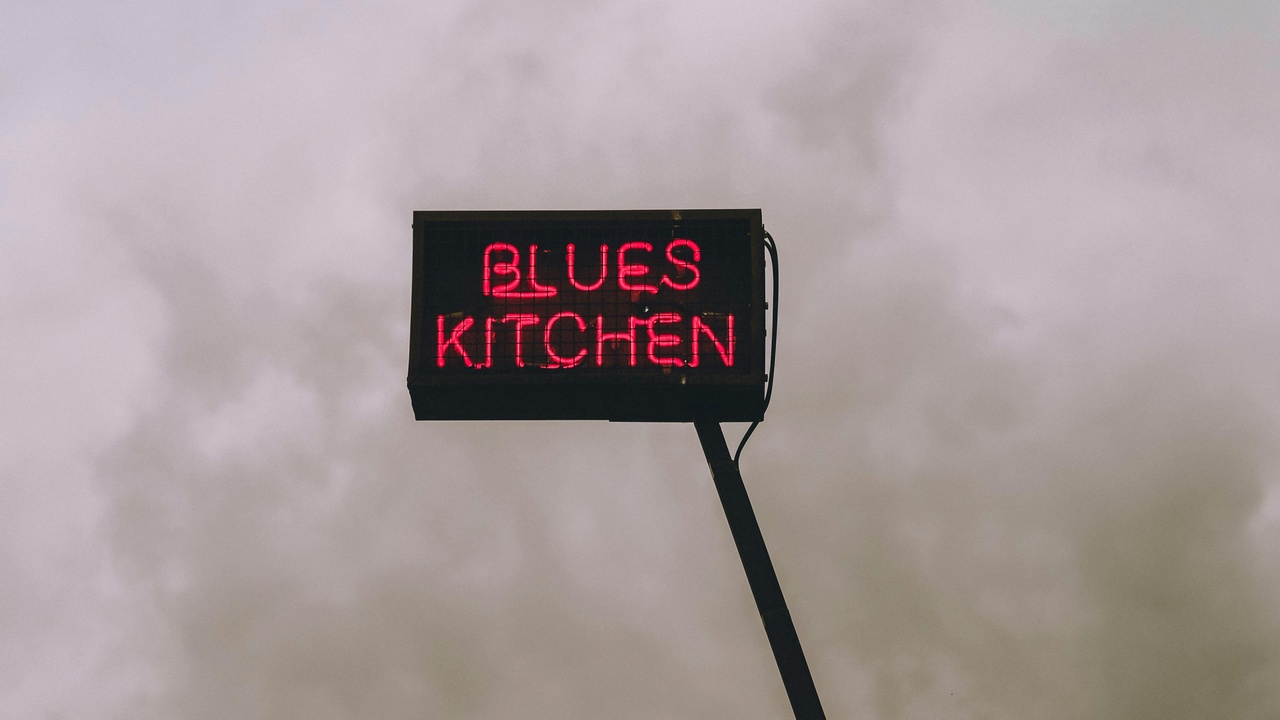
Guided cultural and wildlife experiences pair active exploration with local depth: Delta blues routes, swamp boat tours, birding at refuges, and lodge stays for fishing or hunting. Local guides add stories, safety and the best sighting spots—book early and respect seasonal rules.
6. Drive a Delta Blues Route: Juke Joints and Live Music
Clarksdale sits in the heart of the Mississippi Delta and is home to the Delta Blues Museum and venues like Ground Zero Blues Club, where live music continues a long tradition. A drive through the Delta links juke joints, murals and historic markers, giving you a mix of roadside discovery and evening performances.
You can do a self-guided loop or hire a local historian to point out lesser-known sites and introduce you to musicians. Weekend evenings and festival dates tend to deliver the best lineups; tip well and ask before taking photos of performers.
A final note: this is one of the adventurous things to do in Mississippi that rewards slow travel—plan your nights around live sets and leave time for conversations at the bar.
7. Book a Guided Wildlife or Lodge Experience — Birding, Swamp Tours, or Fishing
Guided wildlife and lodge stays combine comfort with local expertise. The Mississippi Sandhill Crane National Wildlife Refuge (established 1975) is a top birding draw, especially for rare sandhill crane sightings and spring migration.
Guided swamp-boat tours in the Pascagoula watershed and full-day inshore fishing charters on the Mississippi Sound are great for targeted wildlife viewing. Managed hunting lodges run trips during regulated seasons with experienced guides and lodging included.
Practicalities: reserve guided trips well in advance, verify required licenses or permits, and pack season-appropriate gear (waterproof boots, binoculars, sun protection). For refuge rules and seasonal closures check the U.S. Fish and Wildlife Service site (USFWS Sandhill Crane NWR).
Summary
- Mississippi packs river, coastal, forest and cultural adventures into short drives; a single weekend can combine a paddle, a hike and a music night.
- Plan by season: Gulf islands and sea-turtle nesting run May–August, while inland ridges and the Natchez Trace (444 miles) are best in spring and fall.
- Guided options—from Vicksburg river outfitters to Clarksdale music guides and lodge-based fishing trips—add safety, local stories and better sightings; reserve early.
- Practical combos: a half-day paddle on Ross Barnett Reservoir (about 33,000 acres) plus an evening Delta blues set; or a weekend camping trip to Horn Island (Gulf Islands National Seashore, est. 1971) with morning snorkeling.
- Pick one of these adventurous things to do in Mississippi, check local regulations and outfitters, and book your dates—then go.