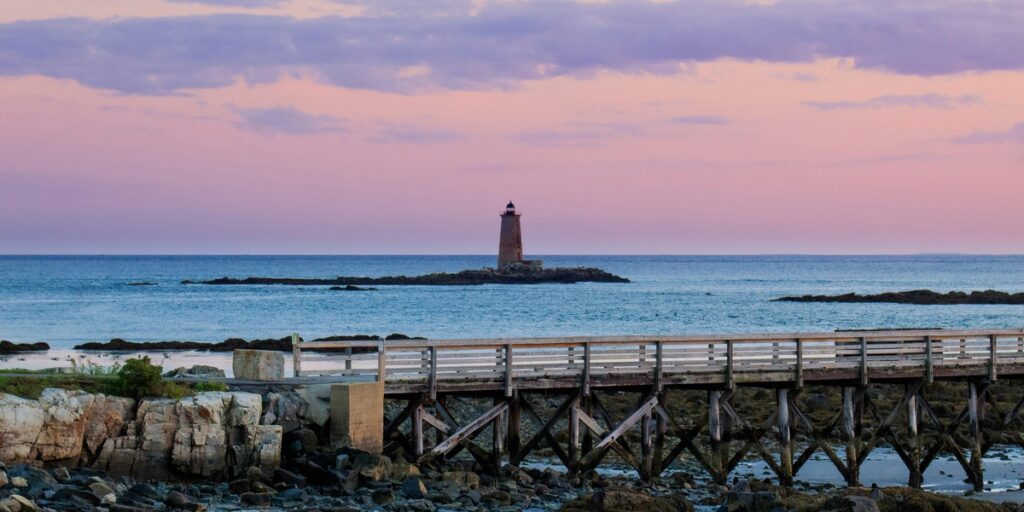
On March 15, 1820, Maine became the 23rd U.S. state — a place shaped by rocky shorelines, working harbors, and a distinct New England identity. People consider moving to Maine for a handful of clear reasons: access to coastline and islands, an outdoor-oriented lifestyle that spans four true seasons, pockets of affordability outside the coast, and tightly knit communities where civic life still happens in town halls and farmers’ markets. There’s a trade-off, though — life here moves to the rhythm of the seasons, and services, jobs, and comfort levels vary a lot by location.
This article presents five clear benefits and five clear downsides — the pros and cons of living in maine — so you can weigh which factors matter most to you.
You’ll find concrete examples, local statistics (U.S. Census, NOAA, NPS, state tourism and agency data), and practical takeaways to help decide whether Maine fits your priorities and lifestyle.
Natural environment and outdoor life
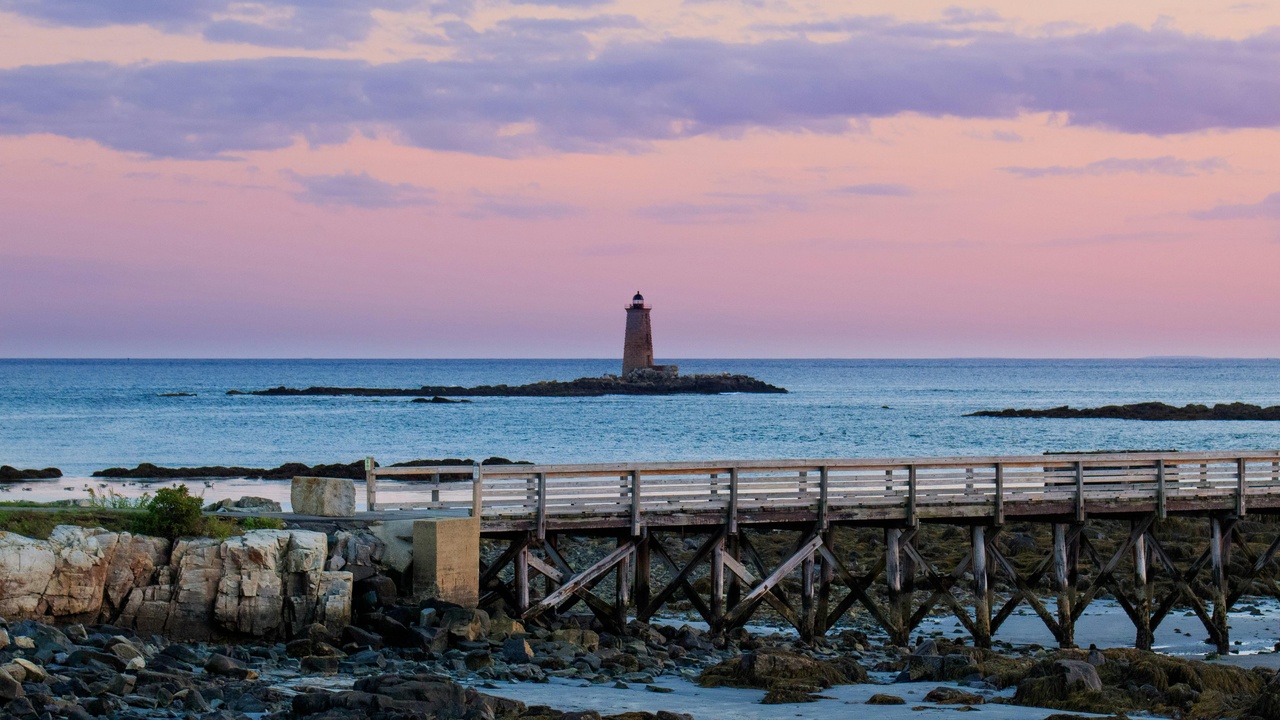
Maine’s geography defines daily life: an island-studded, tidal coastline and four distinct seasons shape recreation, tourism, food, and where people settle. NOAA puts the tidal shoreline at roughly 3,478 miles, and Acadia National Park routinely attracts millions of visitors a year (NPS visitation figures). That combination means coastal villages, working harbors, and inland mountains all matter to the state’s character. It also creates logistical realities — ferries run on schedules, some roads become slow in winter, and many outdoor businesses peak during particular months. Those seasonal rhythms are a big part of the draw for residents and the reason local economies hinge on tourism and natural-resource work. Below are two major advantages and one notable drawback tied to Maine’s environment and outdoor life.
Pro 1. Rugged coastline, coastal villages, and maritime access
Direct access to the ocean is a daily reality for many Mainers: boating, lobstering, fishing, and island-hopping are regular weekend plans. Maine is the nation’s leading lobster-producing state (see Maine Department of Marine Resources) and the tidal shoreline of about 3,478 miles creates countless coves, harbors, and beaches. You’ll see lobster docks in Rockland, lobster pounds in Stonington, and ferry runs to Cranberry Isles, Vinalhaven, or Mount Desert Island that shape summer schedules. For food lovers and small-business owners this means fresh seafood markets, a strong waterfront festival calendar, and maritime jobs that define community life.
Pro 2. Four seasons and abundant outdoor recreation
Maine offers year-round outdoor options: hiking to Mount Katahdin in Baxter State Park, sections of the Appalachian Trail inland, and downhill skiing at Sunday River or Sugarloaf in winter. Fall foliage drives along coastal Route 1 and inland roads draw visitors every October. Protected spaces — state parks, national parkland, and public forests — support hunting, snowmobiling, fishing, and family traditions that anchor weekends and local small businesses. Regular access to nature correlates with lower stress, active lifestyles, and tourism revenue for towns that host guides, outfitters, and seasonal lodging.
Con 1. Remoteness and long travel distances in rural areas
Large rural stretches mean long drives to hospitals, full-service grocery stores, and airports. Outside Portland and Bangor, many people routinely drive an hour or more to reach major services, and island communities depend on ferry schedules that can be curtailed by weather. Air service is limited beyond Portland’s Jetport, so regional travel often requires extra planning. In winter, icy roads and occasional seasonal closures increase the need to stock supplies and schedule appointments with care.
Economy, jobs, and cost of living
Maine’s economy remains tied to the sea and land: lobster and seafood, lowbush blueberries, forestry, and tourism are major employers, while pockets of tech and remote-work growth center around Portland and nearby college towns. Median household income in recent U.S. Census reports is roughly around $60,000 (U.S. Census Bureau), and unemployment data from the Bureau of Labor Statistics show regional variation that reflects seasonality. Housing costs swing dramatically by location — coastal towns and Portland command higher prices, while many inland communities remain more affordable. Expect seasonal hiring cycles in hospitality and fisheries; year-round, full-time positions are concentrated in health systems, education, and larger employers. Below are two economic upsides and two frequent downsides to consider.
Pro 3. Strong local-food and marine economies (lobster, blueberries, seafood)
Maine’s food industries support jobs, exports, and a farm-to-table culture in cities like Portland. Lobster remains a leading export (see Maine DMR), and wild blueberry harvests and local farms supply processors and restaurants year-round. That local supply chain fuels Portland’s restaurant scene, weekly farmers’ markets, and waterfront seafood festivals that bring steady summer revenue to coastal towns.
Pro 4. Small-business culture and growing remote-work hubs
Small towns and mid-size cities have active entrepreneurial ecosystems. Portland hosts coworking spaces, incubators, and a visible food-and-drink startup culture that has attracted younger professionals since 2020. Remote work lets many people live outside big metros while keeping city wages, and niche enterprises — craft breweries, guiding services, specialty retail — thrive on local demand and tourist traffic. That flexibility helps households combine urban amenities with lower rents in outlying towns.
Con 2. Lower average wages and seasonal employment
Many regions of Maine have median wages below national averages, and a large share of jobs are seasonal in tourism, hospitality, and fishing. That creates income variability for workers who depend on summer months or the winter tourist season. Hospitality layoffs and reduced hours in shoulder seasons are common in coastal towns, and career-path opportunities are more limited in very rural counties. Common workarounds include dual-income households, telecommuting for year-round income, or relying on regional employers (health systems, education) for steadier work.
Con 3. Higher winter heating and utility costs
Cold winters make heating a significant annual expense. Depending on home size and fuel type, winter energy bills can add several hundred dollars a month compared with milder states (see U.S. EIA for regional data). Older homes often need insulation, ice-dam mitigation, and reliable snow removal, so buyers should budget for winterization or look for incentive programs and rebates from state energy offices to upgrade heating systems.
Community, culture, and public services
Maine’s civic life is a patchwork: lively food and arts scenes cluster in Portland, smaller college towns, and summer colonies, while many rural places maintain strong volunteer traditions and tight social ties. Public services — from transit to specialty healthcare — vary widely by county. Rural hospital closures and clinic consolidations over the past decade have altered access to care in parts of the state (see state health reports and KFF). Below is a major community upside followed by two service-related downsides.
Pro 5. Tight-knit communities, low crime in many towns, and strong civic life
Many towns punch above their weight in civic engagement: town meetings, volunteer fire and ambulance services, and community festivals are common. Day-to-day life often includes neighborly help, farmers’ markets, and local boards that make decisions at the municipal level. Outside urban centers, violent-crime rates tend to be lower, and newcomers frequently report fast social integration through volunteering or joining local groups.
Con 4. Limited diversity and fewer urban amenities in many areas
Outside Portland and a handful of larger towns, cultural diversity and specialty amenities are limited. Many counties are demographically homogeneous (U.S. Census), and specialty shopping, ethnic restaurants, and live entertainment are sparse. That can mean longer drives for certain goods or fewer options for families seeking diverse schooling or cultural programming. Short trips to regional hubs, online services, and locally organized festivals often fill gaps but require compromise.
Con 5. Healthcare access and rural hospital challenges
Rural hospital closures and service consolidations have increased travel times for emergency and specialty care in parts of Maine (see state health department and KFF). Many residents use telehealth for routine visits, but in-person specialty care is concentrated in Portland, Bangor, and a few regional centers. When house-hunting, factor in drive times to emergency rooms and major clinics, and register with regional health systems or have a plan for urgent situations.
Summary
- Maine’s rugged coastline (about 3,478 miles) and four true seasons make outdoor life and fresh seafood central draws, spawning coastal economies and year-round recreation.
- The state’s food and marine industries, plus growing remote-work pockets in places like Portland, create small-business opportunities — but many jobs remain seasonal and median wages lag national figures (U.S. Census, BLS).
- Service trade-offs matter: longer drives, limited public transit, and rural healthcare challenges are real concerns for residents outside regional hubs; heating and winter costs also raise household budgets (U.S. EIA; state health reports).
- Match Maine’s strengths to your priorities. Test a summer and a winter stay (rent for a month or two) before committing, check commute times and healthcare access for prospective towns, and budget for winterization and seasonal income swings.