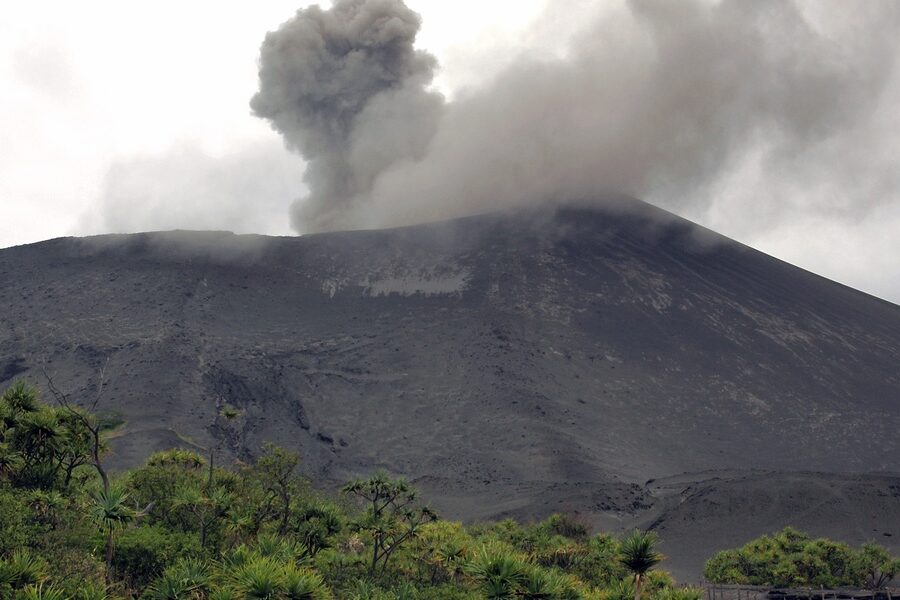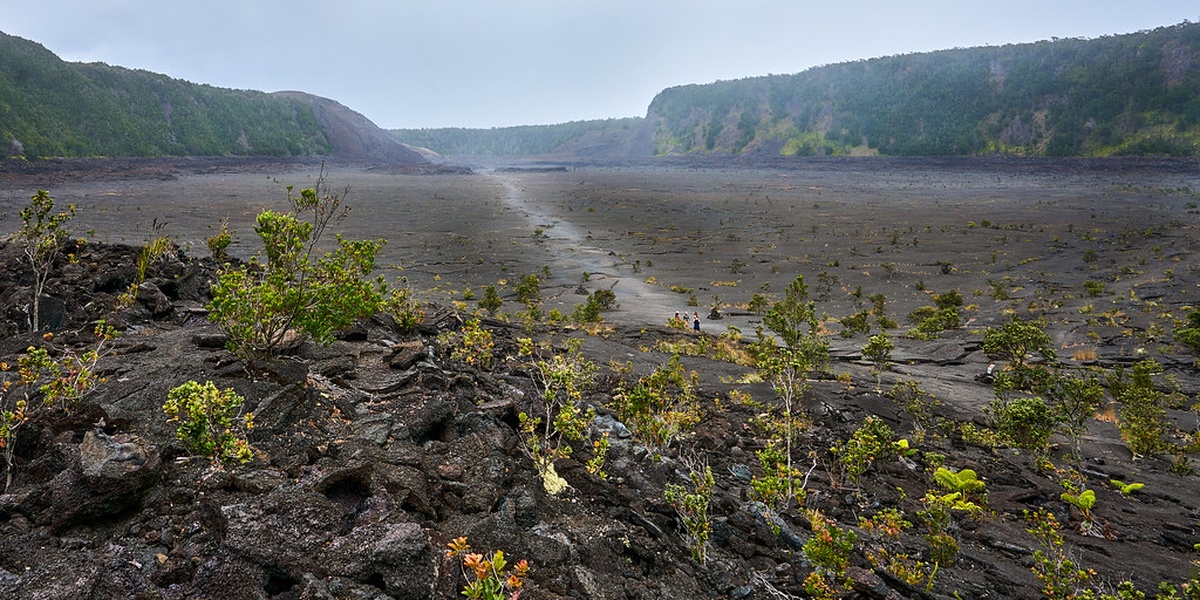
From the Aleutian arc and the Cascades to the Hawaiian Islands, volcanic activity has helped shape diverse U.S. landscapes and influences local communities, ecosystems, and travel plans. A compact, sortable list makes it easier to see where eruptions have occurred and how recently.
There are 40 Active volcanoes in The U.S., ranging from Akutan to Veniaminof. For each entry you’ll find below the data organized as State/Region,Coordinates (deg),Last eruption (year), so you can quickly scan location, coordinates, and recency — you’ll find the full list below.
How current is the “Last eruption” information?
Dates are drawn from geological surveys and monitoring agencies but can vary in precision; recent eruptions and well-instrumented volcanoes are updated more frequently, while older or remote events may have uncertain years. Treat the list as a starting point and consult USGS or local geology agencies for the latest status and advisories.
Are these volcanoes monitored and safe to visit?
Monitoring levels differ: some volcanoes have continuous seismic and gas networks, others only occasional observation. Safety depends on current activity, access rules, and terrain—always check official advisories, respect closures, and consider guided visits for remote or active sites.
Active Volcanoes in the U.s.
| Name | State/Region | Coordinates (deg) | Last eruption (year) |
|---|---|---|---|
| Kilauea | Hawaii | 19.42,-155.29 | 2023 |
| Mauna Loa | Hawaii | 19.48,-155.60 | 2022 |
| Mauna Kea | Hawaii | 19.82,-155.47 | Holocene |
| Hualalai | Hawaii | 19.72,-155.88 | 1801 |
| Haleakala | Hawaii | 20.71,-156.17 | 1790 |
| Mount St. Helens | Cascades (Washington) | 46.20,-122.18 | 2008 |
| Mount Rainier | Cascades (Washington) | 46.85,-121.76 | Holocene |
| Mount Hood | Cascades (Oregon) | 45.37,-121.70 | Holocene |
| Mount Baker | Cascades (Washington) | 48.78,-121.81 | Holocene |
| Mount Adams | Cascades (Washington) | 46.21,-121.49 | Holocene |
| Mount Jefferson | Cascades (Oregon) | 44.68,-121.80 | Holocene |
| Mount Shasta | Cascades (California) | 41.41,-122.19 | Holocene |
| Lassen Peak | California | 40.49,-121.50 | 1915 |
| Crater Lake (Mount Mazama) | Oregon | 42.94,-122.10 | Holocene |
| Newberry Volcano | Oregon | 43.72,-121.34 | Holocene |
| Long Valley Caldera | California | 37.64,-118.86 | Holocene |
| Mono Craters | California | 37.86,-119.02 | Holocene |
| Medicine Lake Volcano | California | 41.35,-121.30 | Holocene |
| Mono Lake/Mono‑Inyo Chain | California | 38.00,-119.02 | Holocene |
| Novarupta | Alaska | 58.28,-155.22 | 1912 |
| Katmai | Alaska | 58.34,-154.90 | 1912 |
| Augustine | Alaska | 59.36,-153.43 | 2006 |
| Redoubt | Alaska | 60.48,-152.74 | 2009 |
| Mount Spurr | Alaska | 61.25,-152.25 | 1992 |
| Shishaldin | Aleutians (Alaska) | 54.75,-163.97 | Holocene |
| Cleveland | Aleutians (Alaska) | 52.83,-169.94 | Holocene |
| Okmok | Aleutians (Alaska) | 53.42,-168.13 | 2008 |
| Pavlof | Alaska | 55.42,-161.89 | 2016 |
| Veniaminof | Alaska | 56.17,-159.38 | 2013 |
| Great Sitkin | Aleutians (Alaska) | 52.07,-176.13 | 2021 |
| Bogoslof | Aleutians (Alaska) | 53.94,-168.03 | Holocene |
| Makushin | Aleutians (Alaska) | 53.89,-166.90 | Holocene |
| Akutan | Aleutians (Alaska) | 54.13,-165.93 | Holocene |
| Semisopochnoi | Aleutians (Alaska) | 51.90,-179.59 | Holocene |
| Aniakchak | Alaska | 56.99,-158.11 | Holocene |
| Katmai Area (general) | Alaska | 58.30,-154.90 | Holocene |
| Aniakchak Caldera | Alaska | 56.99,-158.11 | Holocene |
| Mono Dome (Crowley) | California | 37.89,-119.02 | Holocene |
| Mount Konocti | California | 39.12,-122.64 | Holocene |
| San Francisco Peaks (Humphreys Peak) | Arizona | 35.32,-111.65 | Holocene |
Images and Descriptions
Kilauea
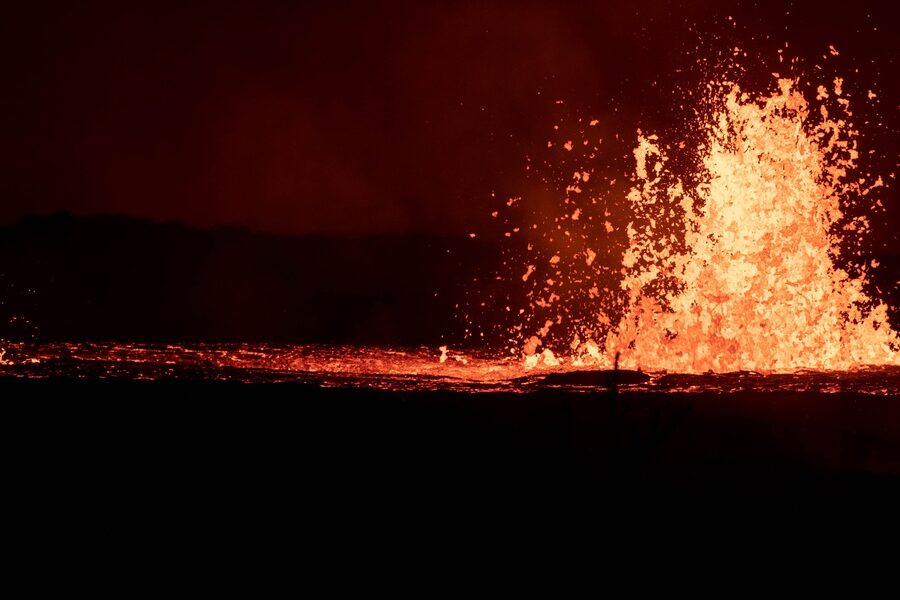
Shield volcano on Hawaiʻi Island known for frequent effusive lava flows and fountaining; hazards include lava flows, volcanic gas, and collapse events. USGS Hawaiian Volcano Observatory monitors seismicity, deformation, gas emissions and issues public alerts; notable for frequent recent activity.
Mauna Loa
Massive shield volcano on Hawaiʻi Island that produces large lava flows and posing risk to communities and infrastructure. HVO monitors deformation, seismicity, and gas; eruptions are infrequent but large, making Mauna Loa a high‑profile, closely watched volcano.
Mauna Kea
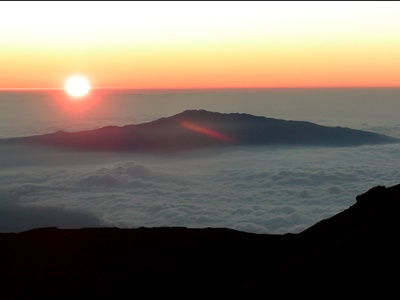
Dormant shield volcano on Hawaiʻi Island with Holocene eruptions; hazards are lava flows and ash during rare eruptions. Monitored by HVO and researchers for long‑term deformation and seismicity. Notable for cultural significance and high elevation observatories.

Hualalai
Basaltic shield/complex volcano on Hawaiʻi Island with historic 1801 eruption; hazards include lava flows and lava‑tube outbreaks toward populated Kona coast. Monitored by HVO with seismic and deformation networks; notable for proximity to resorts and towns.
Haleakala
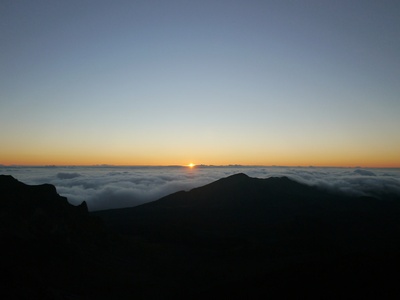
Large shield‑volcano and caldera on Maui with Holocene activity; hazards include localized lava flows, ash and rockfall. Monitored by HVO and local observatories for seismicity and deformation; notable scenic summit and national park draw.
Mount St. Helens
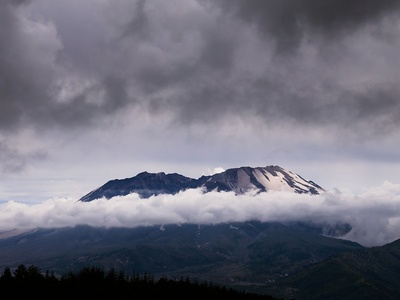
Stratovolcano famed for its 1980 eruption and subsequent dome building; hazards include explosive eruptions, pyroclastic flows, ash, and lahars. USGS Cascades Volcano Observatory maintains real‑time seismic and gas monitoring and community alerting for this highly active volcano.
Mount Rainier
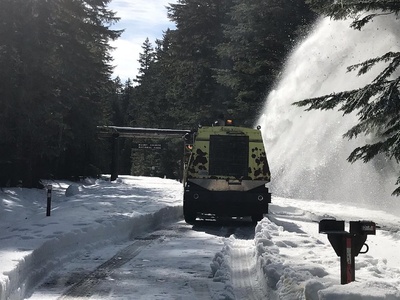
Glaciated stratovolcano with significant lahar and pyroclastic hazards threatening downstream communities. USGS monitors seismicity, deformation and glacial changes; considered one of the most hazardous U.S. volcanoes due to population proximity despite no historic eruptions.
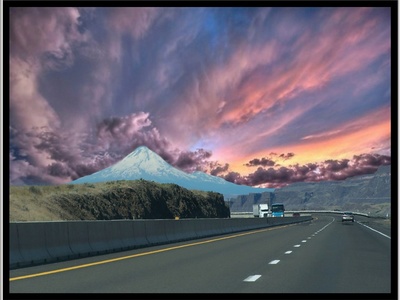
Mount Hood
Stratovolcano with potential for explosive eruptions, pyroclastic flows, and lahars that threaten nearby valleys and recreation areas. Monitored by USGS for seismicity and ground deformation; notable as Oregon’s highest peak and frequent climbing destination.
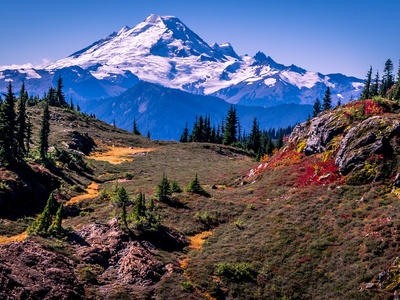
Mount Baker
Snow‑and‑ice covered stratovolcano with potential lahars and explosive eruptions; small historical steam and ash events reported. USGS monitoring includes seismic networks and periodic gas measurements; prominent as a scenic, potentially hazardous volcano.
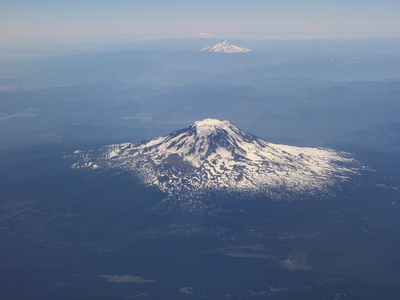
Mount Adams
Large, largely eroded stratovolcano with potential for future eruptive activity and lahars. Monitored by USGS and regional networks for seismicity; notable for broad relief and climbing recreation though less active than nearby peaks.
Mount Jefferson
Volcanic complex with stratovolcanic features; hazards include explosive eruptions, ash fall, and lahars. Monitored regionally by USGS Cascades Volcano Observatory for seismicity and ground deformation; notable for remote rugged terrain.
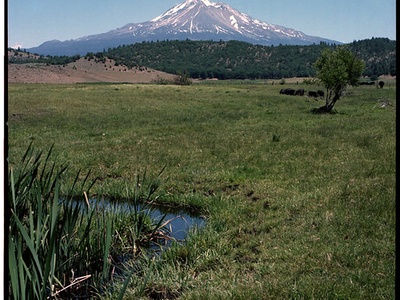
Mount Shasta
High stratovolcano with potential explosive eruptions, pyroclastic flows and lahars affecting northern California. USGS monitors seismic and deformation signals intermittently; notable for its size, alpine glaciers, and volcanic hazards to nearby communities.
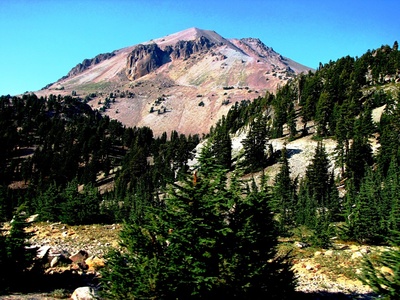
Lassen Peak
Dome‑building volcano in Lassen Volcanic National Park that erupted 1914–1917; hazards include pyroclastic flows, ash and lahars. USGS monitors seismicity and fumarolic activity; notable for relatively recent historic eruptions in the lower 20th century.
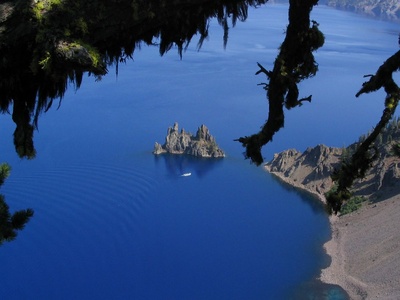
Crater Lake (Mount Mazama)
Caldera formed by Mazama collapse about 7,700 years ago; Holocene volcanic field includes potential for future activity. Monitored by USGS for regional seismicity; notable as a deep scenic caldera and important geologic site.
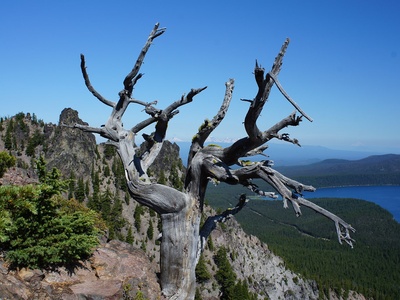
Newberry Volcano
Large shield and caldera complex east of the Cascades with Holocene eruptions; hazards include lava flows and localized ash. Monitored by USGS regional networks for seismicity and deformation; notable for Newberry National Volcanic Monument and geothermal resources.
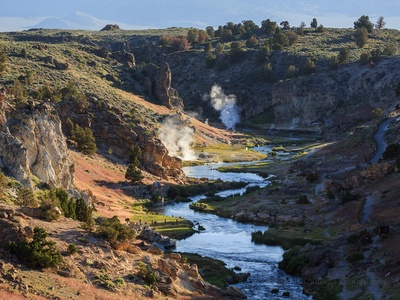
Long Valley Caldera
Large caldera with extensive geothermal activity and past explosive eruptions; hazards include ash, earthquakes, and hydrothermal explosions. USGS monitors deformation, seismicity, and gas with an observatory; notable for frequent unrest episodes and hazard planning.
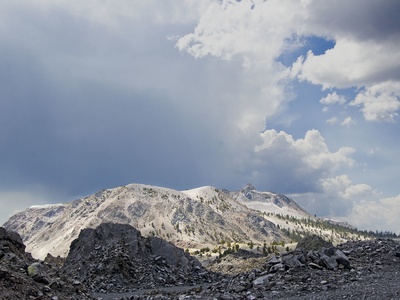
Mono Craters
Chain of rhyolitic domes and craters with last Holocene eruptions; hazards include explosive activity, ash and lava domes. Monitored regionally by USGS for seismicity and deformation; notable for Mono Lake region and relatively recent geological activity.
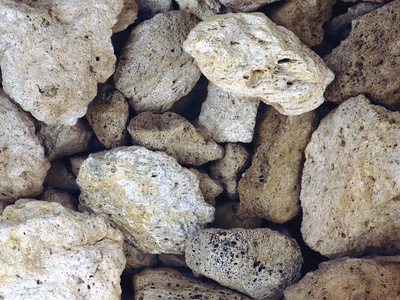
Medicine Lake Volcano
Large shield and rhyolitic complex with Holocene eruptions; hazards include lava flows and explosive eruptions from silicic centers. Monitored by USGS and regional seismic networks; notable for its size and geothermal features in northern California.
Mono Lake/Mono‑Inyo Chain
Volcanic chain producing rhyolitic domes and flows during the Holocene; hazards include localized explosive eruptions and ashfall. USGS monitors regional seismicity; historically active in the last few thousand years and notable for recent geologic activity.
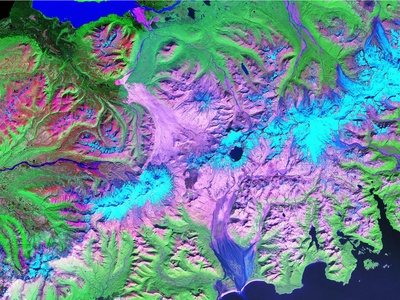
Novarupta
Site of the massive 1912 eruption in Katmai area (Novarupta vent) forming large ash deposits and caldera collapse at Katmai. Hazards include explosive eruptions and ash. Monitored by AVO (USGS) for seismicity; historically significant eruption.
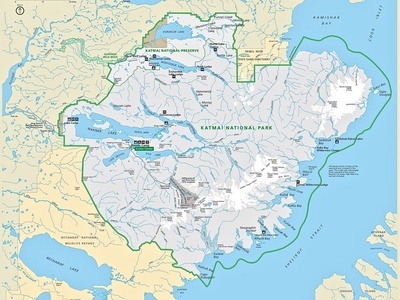
Katmai
Caldera complex associated with the 1912 Novarupta eruption; hazards include explosive eruptions and ashfall. Monitored by the Alaska Volcano Observatory for seismic and fumarolic activity; notable for dramatic 20th‑century volcanic events and park protection.
Augustine
Stratovolcano in Cook Inlet with explosive eruptions producing ash plumes, pyroclastic flows and lahars; last major activity in 2006. AVO provides close monitoring (seismic, deformation) and aviation alerts; notable for frequent historic unrest near populated waterways.
Redoubt
Stratovolcano that produced explosive eruptions in 1989–1990 and 2009 with ash plumes affecting aviation and communities. Monitored by AVO for seismicity and gas; notable for lahars from glacier melt and nearby infrastructure risks.
Mount Spurr
Dome‑and‑stratovolcano west of Anchorage with notable 1992 eruption producing ash; hazards include ash plumes and ashfall affecting aviation. AVO monitors seismicity, deformation and gas emissions around the volcano for public safety notices.
Shishaldin
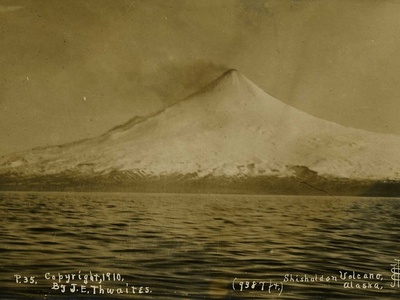
Symmetrical stratovolcano on Unimak Island with frequent eruptions during the Holocene; hazards include explosive activity, ash plumes and lava flows. AVO monitors seismicity and issues aviation alerts; notable for being one of the most active Aleutian volcanoes.
Cleveland
Small but frequently erupting stratovolcano on Chuginadak Island producing ash plumes dangerous to aircraft. AVO maintains surveillance via seismic and satellite monitoring; notable for frequent short‑duration explosive episodes.
Okmok
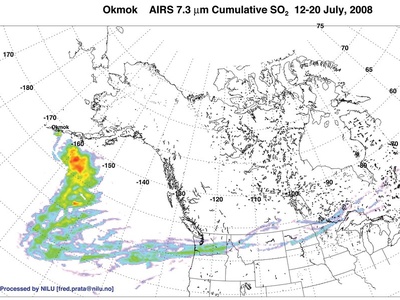
Caldera volcano on Umnak Island with explosive history; 2008 eruption produced significant ash. AVO monitors seismicity, deformation and ash emissions; notable for its large caldera and potential for ash hazards to aviation.
Pavlof
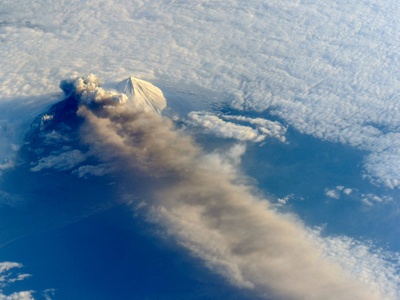
One of Alaska’s most frequently erupting volcanoes with strombolian to explosive activity; hazards include ash plumes and ballistic ejecta. AVO operates continuous seismic monitoring and issues aviation alerts; notable for persistent activity and frequent unrest.
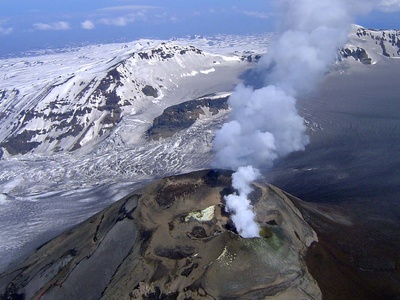
Veniaminof
Stratovolcano with a summit glacier‑filled caldera producing explosive eruptions and ash plumes. AVO monitors seismicity and deformation; hazards include ashfall and lahars. Notable for remote location but significant explosive potential.
Great Sitkin
Andesitic stratovolcano with recent eruptions producing lava and ash; AVO monitors seismicity and satellite thermal signals. Hazards include ash plumes and lava flows. Notable for renewed activity after historic quiescence and aviation impacts.
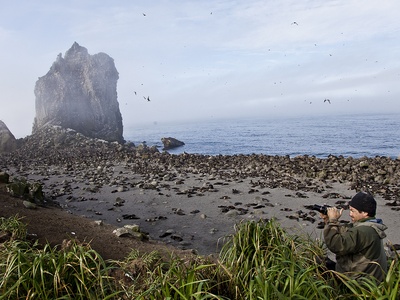
Bogoslof
Newly formed island volcano with frequent explosive eruptions producing ash and pumice. AVO monitors via seismicity and satellite imagery; hazards primarily to aviation and shipping. Notable for dynamic island morphology changes.
Makushin
Caldera/stratovolcano on Unalaska Island with steam explosions and historic eruptions; hazards include ash plumes and local pyroclastic activity. AVO monitors seismicity and deformation; notable for geothermal activity and proximity to Dutch Harbor.
Akutan
Stratovolcano frequently active in Aleutian arc with explosive eruptions producing ash hazards to aviation. Monitored by AVO with seismic networks and satellite observation; notable for historic eruptions and proximity to fishing communities.
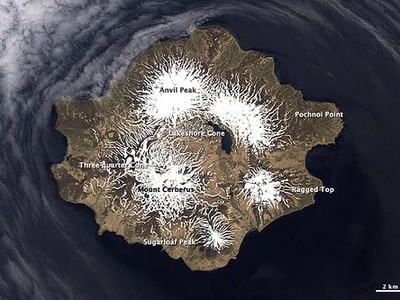
Semisopochnoi
Complex volcanic island with multiple cinder cones and recent explosive events; hazards include ash plumes and pyroclastic flows. AVO monitors seismicity and satellite activity; notable for being one of the most volcanically complex Aleutian islands.
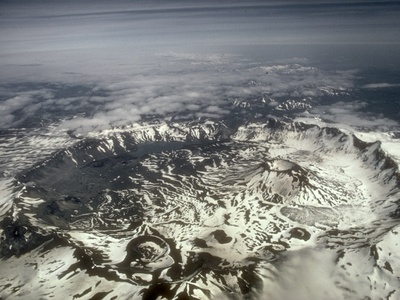
Aniakchak
Caldera volcano with explosive Holocene eruptions; hazards include ashfall and pyroclastic flows. AVO monitors regional seismicity and deformation; notable for a large caldera and past explosive activity within Alaska Peninsula.
Katmai Area (general)
Region of multiple Holocene vents including Novarupta/Katmai with explosive history; hazards include ash and pyroclastic flows. AVO provides monitoring for seismicity and gas; notable for the catastrophic 1912 eruption and national park protections.
Aniakchak Caldera
Large caldera with Holocene explosive activity; hazards include widespread ash and pyroclastic flows. Monitored by AVO for regional seismicity; notable for caldera formation and remote but significant eruptive potential.
Mono Dome (Crowley)
One of the Mono–Inyo domes with Holocene eruptions producing viscous domes and local ash; hazards include dome collapse and ashfall. USGS monitors regional seismicity; notable for recent geologic activity near Mono Lake region.
Mount Konocti
Rhyolitic volcanic center bordering Clear Lake with Holocene lava domes; hazards include localized explosive activity and landslides. Monitored by regional networks for seismicity; notable for geothermal activity and association with Clear Lake volcanic field.
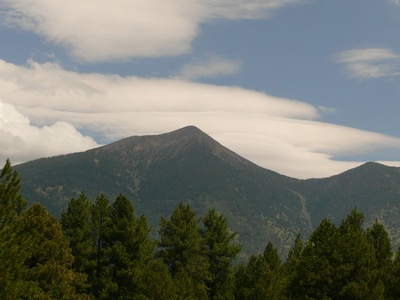
San Francisco Peaks (Humphreys Peak)
Volcanic cluster including stratovolcano remnants near Flagstaff with Holocene activity in the region; hazards are low but include eruption potential and ash. Monitored regionally; notable as Arizona’s high point and volcanic field landmark.