Indonesia is home to more than 17,000 islands and roughly 275 million people, making it the world’s largest archipelago nation and the fourth-most populous country. That sheer scale shapes everything from language and food to trade routes and conservation priorities. Krakatoa’s 1883 eruption remains one of the most dramatic reminders of Indonesia’s geological power, and history is visible everywhere from ancient temples to living village customs. From ancient temples and world-class biodiversity to booming digital startups and global commodity exports, Indonesia’s mix of culture, nature, and economic weight makes it one of the most consequential countries in Asia. If you’ve ever wondered what is indonesia known for, this guide highlights ten standout things across culture and heritage, natural wonders and biodiversity, economy and resources, and contemporary influence.
Culture & Heritage
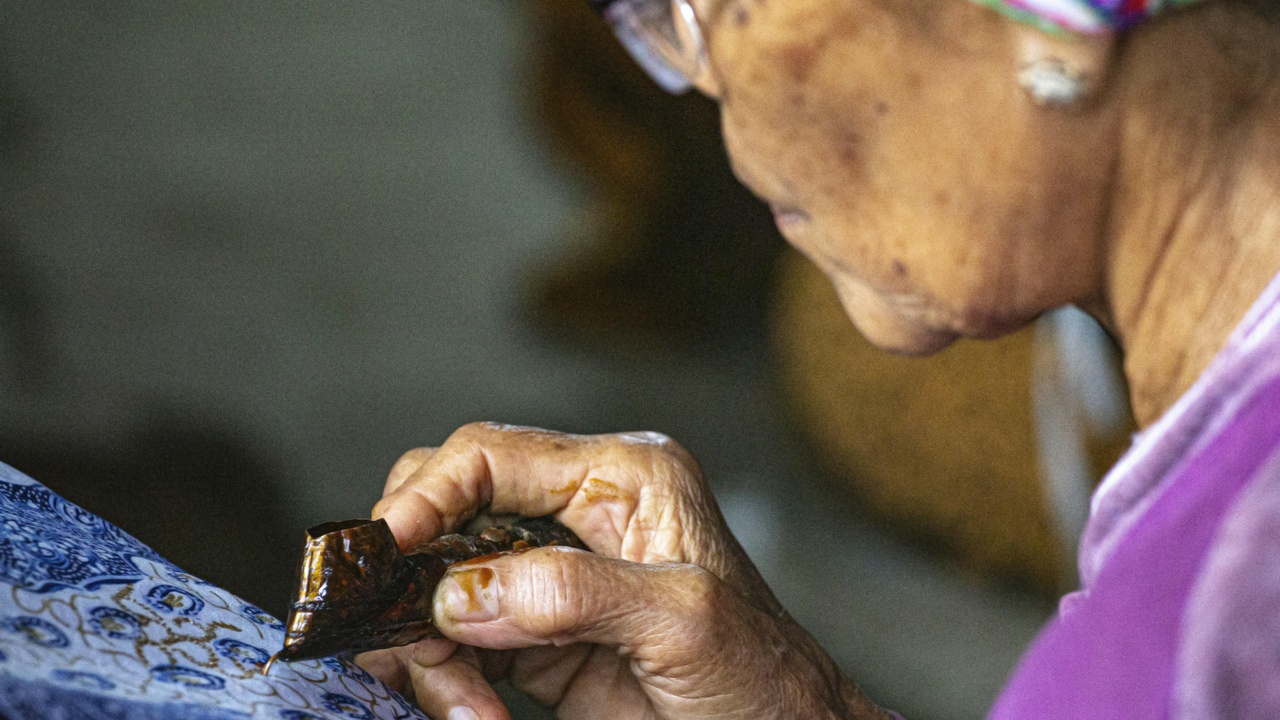
Indonesia’s cultural richness comes from thousands of islands and centuries of trade, migration, and religious exchange. That diversity shows up in hundreds of languages, a wide range of religious traditions, and regionally distinct arts that feed tourism and national identity. Iconic monuments and intangible heritage bolster Indonesia’s soft power—think UNESCO-listed batik alongside Borobudur’s stone terraces—and cuisine travels with the diaspora to restaurants worldwide. Tourism ministries and UNESCO regularly cite cultural sites and living traditions as central to both conservation funding and visitor appeal, so heritage matters economically as well as culturally.
1. Extraordinary cultural diversity
Indonesia is known for extraordinary cultural diversity. More than 17,000 islands and over 700 languages (and hundreds of ethnic groups) have produced countless local traditions and social systems.
That fragmentation creates real-world challenges—multilingual education policies, regional governance quirks—but it also fuels tourism: local ceremonies, crafts, and festivals attract visitors keen to see living traditions. Examples include the Toraja funeral rites in Sulawesi, the Minangkabau matrilineal adat of West Sumatra, and Javanese gamelan music and court dances that still feature in cultural events.
2. Ancient temples and religious heritage
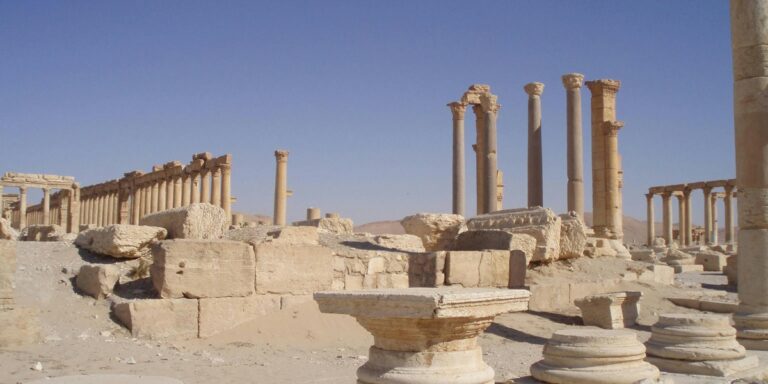
Borobudur and Prambanan are signature monuments that anchor Indonesia’s place on the world heritage map. Borobudur was constructed roughly between 775 and 850 CE and remains the largest Buddhist monument in the world, while nearby Prambanan showcases towering Hindu temple architecture.
Indonesia hosts several UNESCO-listed cultural and natural sites (see UNESCO) and archaeological locations like the Sangiran Early Man Site, which documents ancient hominin presence. These sites support heritage conservation, draw international tourists, and feed a national narrative that spans Hindu-Buddhist kingdoms, Islamic trading ports, and colonial history.
3. A global culinary presence
Indonesian food travels well via diaspora communities and street-food culture. Signature dishes—nasi goreng as a national staple, rendang from Padang, and myriad satay recipes—have turned up on international “best food” lists and on menus from Kuala Lumpur to Amsterdam.
Food supports small businesses at home and abroad: Padang restaurants are a familiar sight across Southeast Asia, Jakarta’s street hawkers feed millions, and culinary tourism draws visitors to regional specialties. The Indonesian Ministry of Tourism actively promotes gastronomy as part of the country’s cultural appeal.
Natural Wonders & Biodiversity
Indonesia sits on the equator and straddles biogeographical boundaries such as the Wallace Line, which produces a remarkable mix of Asian and Australasian flora and fauna. The archipelago is consistently listed among the world’s megadiverse countries, and the Coral Triangle—centered on Indonesian waters—contains some of the richest marine life on the planet. At the same time, deforestation, overfishing, and peatland fires pose major conservation challenges that global NGOs and research institutions track closely.
4. A global biodiversity hotspot
Indonesia is officially classed among the 17 megadiverse countries, a designation that reflects very high levels of species richness and endemism. Iconic endemic mammals include orangutans (Bornean, Sumatran, and the recently described Tapanuli orangutan in 2017), the Sumatran tiger, and the critically endangered Javan rhinoceros.
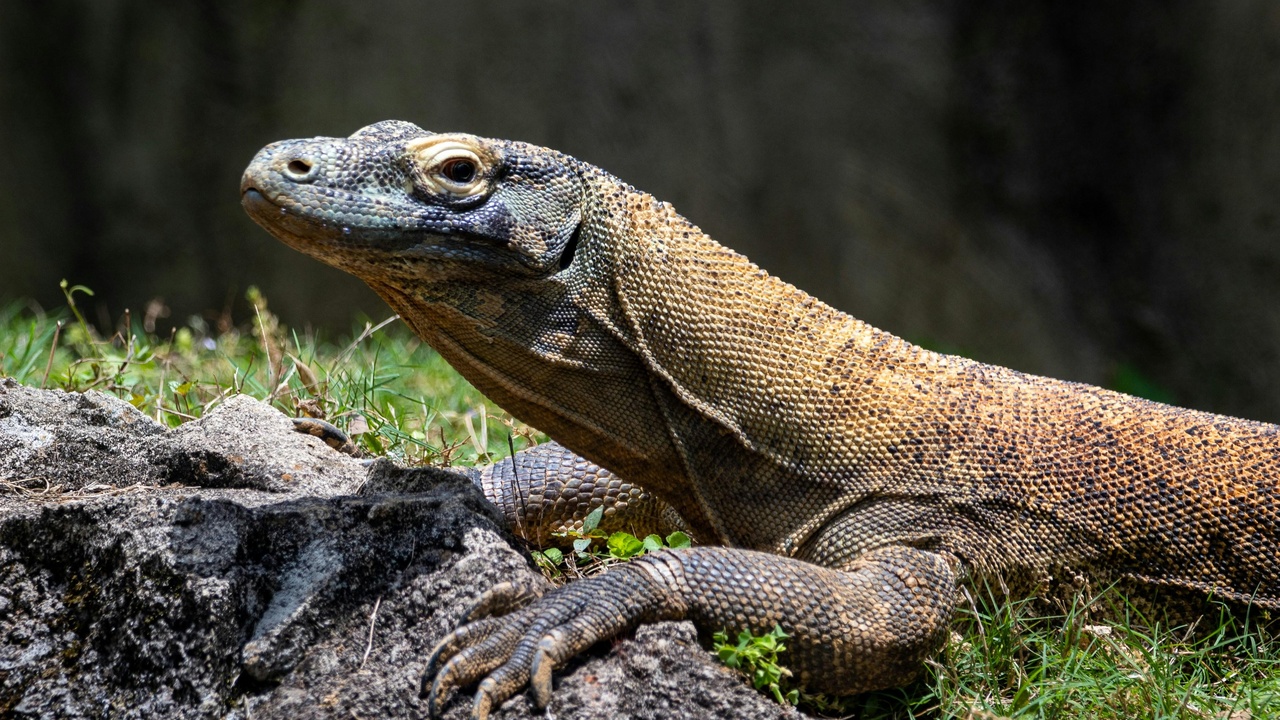
Protected areas such as Komodo National Park host roughly 3,000 Komodo dragons (population estimates vary) and attract researchers and eco-tourists. Conservation groups and the IUCN Red List document threats and prioritize recovery programs, and Indonesia’s parks supply the field sites for much of that work.
5. World-class coral reefs and marine life
Indonesia is central to the Coral Triangle, an area recognized for having the highest marine biodiversity on Earth. Survey work in places like Raja Ampat has recorded over 1,400 reef fish species and extraordinary coral variety, making these waters a global priority for marine science.
Marine parks—Raja Ampat, Bunaken, and Wakatobi among them—support dive tourism, scientific research, and local fisheries. Community-based reef stewardship programs have become more common as an approach to balancing livelihoods with long-term reef health.
6. Dramatic volcanoes and island geology
Indonesia lies on the Pacific “Ring of Fire” and contains about 130 active volcanoes, a number that helps explain both the archipelago’s fertile soils and its dramatic landscapes. Historic eruptions such as Tambora in 1815 (which led to the “Year Without a Summer”) and Krakatoa in 1883 had global climate and human impacts.
Volcanic activity supports productive agriculture, generates geothermal energy potential, and fuels a tourism niche—hikers and photographers flock to Mount Bromo, Kawah Ijen, and Merapi. At the same time, eruptions and lahars remain serious local hazards that authorities monitor closely.
Economy & Natural Resources
Indonesia is Southeast Asia’s largest economy and a G20 member, with an economic mix that includes commodities, manufacturing, and a fast-growing services sector. Natural resources underpin much of its export profile, but resource-driven development has environmental trade-offs that policymakers and companies are trying to address. World Bank and IMF data are commonly used to track trends, while domestic statistics come from BPS (Statistics Indonesia) and trade figures appear in UN COMTRADE reports.
7. The largest economy in Southeast Asia
Indonesia is the largest economy in Southeast Asia, with nominal GDP comfortably over $1 trillion and a population of roughly 275 million supporting a substantial domestic market. That scale makes the country a magnet for regional investment in manufacturing, services, and infrastructure.
Jakarta functions as the financial and business hub, and rising consumer demand has driven rapid growth in e-commerce, fintech, and logistics. Indonesia’s G20 seat signals its influence in global economic fora and gives the country leverage on issues from climate finance to trade policy.
8. Key commodities: palm oil, minerals, and fisheries
Indonesia is the world’s largest producer of palm oil, supplying over half of global output, and a major producer of nickel, coal, tin, and seafood. Nickel in particular has become strategically important as demand rises for batteries and electric-vehicle supply chains.
These commodities support employment and export earnings—plantations in Sumatra and Kalimantan, nickel mines in Sulawesi and Halmahera, and fisheries across the archipelago. At the same time, palm oil expansion and peatland conversion have driven deforestation and fire seasons, which governments, buyers, and NGOs are working to mitigate.
Contemporary Influence & Society
Modern Indonesia combines a youthful population and rapid digital adoption with deep cultural assets and a strategic maritime position. That mix fuels startups, tourism (Bali remains a global brand), and regional diplomacy through ASEAN and G20 engagement. Media, music, and film from Jakarta and other cities increasingly reach audiences across Southeast Asia and the global diaspora.
9. A rising digital and startup scene
So what is indonesia known for today, beyond beaches and temples? One answer is a fast-growing digital economy. Internet users number around 200 million, and homegrown platforms have become household names: Gojek (founded in 2010) and Tokopedia are two examples that merged into GoTo in 2021 as a major local tech milestone.
These firms changed urban life—on-demand transport, mobile payments, and e-commerce are now mainstream—and attracted venture capital to Jakarta and other hubs. Careers in tech, remote work, and digital services are expanding fast, reshaping consumer habits and employment patterns.
10. Tourism, soft power, and geopolitical significance
Bali is Indonesia’s most recognizable tourism brand, drawing several million international arrivals in 2019 and supporting a large hospitality sector. Beyond leisure, Indonesia’s strategic location along major shipping lanes—Sunda and Lombok straits among them—gives it maritime significance for regional trade and security.
Indonesia plays an active role in ASEAN and uses cultural diplomacy and international events to project influence. That soft power—music, film, festivals, and major diplomatic hosting duties—helps the country punch above its weight in Indo-Pacific discussions.
Summary
- Indonesia’s 17,000+ islands and population of roughly 275 million create extraordinary cultural and ecological diversity that matters globally.
- Natural assets—Komodo, Raja Ampat, volcanic landscapes, and endemic species—make the country a biodiversity hotspot and a focus of conservation efforts.
- Economic weight comes from both commodities (palm oil, nickel, coal, fisheries) and a growing digital economy exemplified by firms like Gojek/GoTo.
- Cultural heritage—Borobudur, batik, regional cuisines—and modern soft power through tourism and creative industries give Indonesia a wide international footprint.
- Explore Indonesian culture, choose conservation-minded tourism, and keep an eye on its startups and policy shifts to understand how the country will shape the Indo-Pacific in the years ahead.