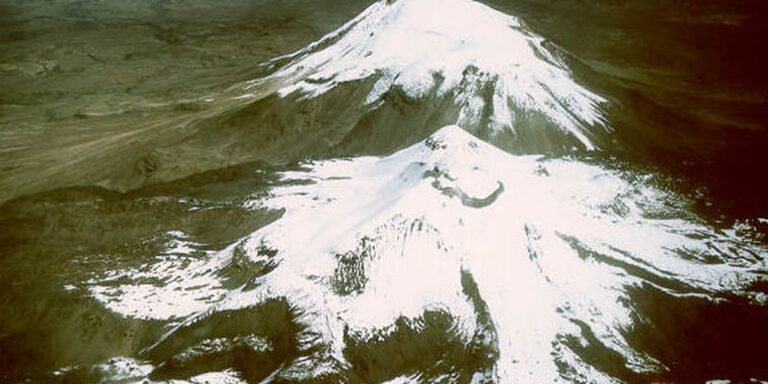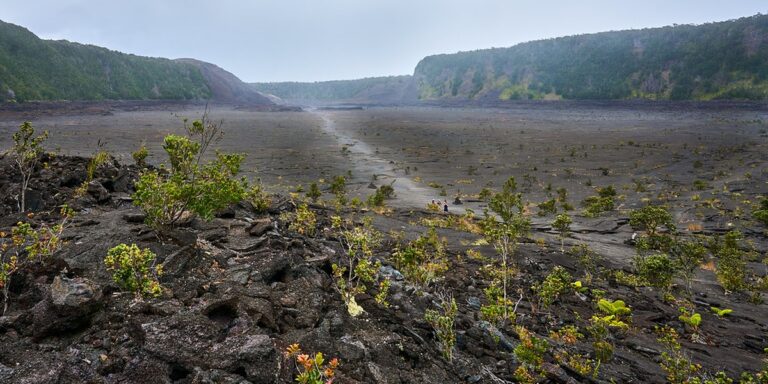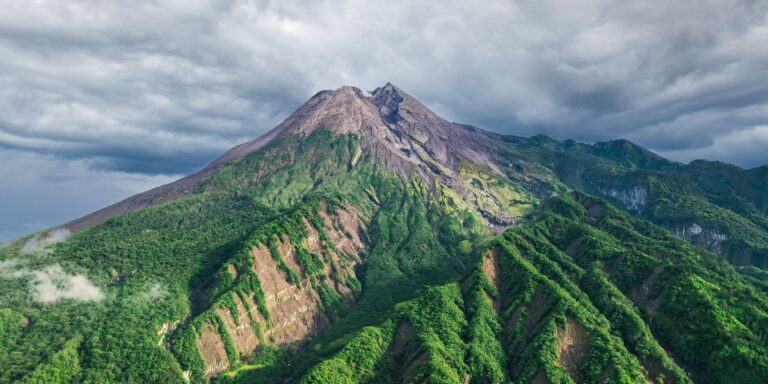
Iceland sits astride the Mid‑Atlantic Ridge, where tectonic plates pull apart and melt rises to the surface, shaping a landscape of glaciers, fissures and volcanic peaks. That dynamic geology makes the country one of the most volcanically active places on Earth and a living laboratory for studying eruptions and their impacts.
There are 22 Active volcanoes in Iceland, ranging from Askja to Öræfajökull. For each entry you’ll find below Coordinates (lat,long),Volcanic zone,Last eruption (year) so you can quickly compare locations and recent activity — you’ll find below.
How is an “active” volcano defined in Iceland?
“Icelandic active” typically means a volcano that has erupted in the Holocene (last ~11,700 years) or shows current signs of unrest such as seismic swarms, ground deformation, or geothermal activity; monitoring by the Icelandic Meteorological Office (IMO) and published eruption records are the usual references for classification.
Can I visit volcanically active areas like Askja or Öræfajökull safely?
Many volcanic areas are accessible but conditions change quickly—access often requires experienced guides, proper gear, and awareness of weather, glacial rivers and ash hazards; always check current warnings and route closures from IMO and local authorities before planning a visit.
Active Volcanoes in Iceland
| Name | Coordinates (lat,long) | Volcanic zone | Last eruption (year) |
|---|---|---|---|
| Hekla | 63.98,-19.62 | South Iceland | 2000 |
| Katla | 63.63,-19.06 | South Iceland (Mýrdalsjökull) | 1918 |
| Eyjafjallajökull | 63.63,-19.62 | South Iceland | 2010 |
| Grímsvötn | 64.42,-17.33 | Vatnajökull (South) | 2011 |
| Bárðarbunga | 64.66,-16.53 | Central Iceland (Vatnajökull) | 2014 |
| Askja | 65.03,-16.73 | North-Central Iceland | 1961 |
| Krafla | 65.70,-16.78 | North Iceland (Mývatn) | 1984 |
| Snæfellsjökull | 64.81,-23.78 | West Iceland (Snæfellsnes) | Holocene |
| Öræfajökull | 64.02,-16.78 | Southeast Iceland (Vatnajökull) | 1727 |
| Fagradalsfjall | 63.89,-22.27 | Reykjanes Peninsula | 2023 |
| Reykjanes | 63.83,-22.70 | Reykjanes Peninsula | 2023 |
| Laki | 64.05,-17.32 | South Iceland (Grímsvötn system) | 1783 |
| Eldgjá | 63.42,-19.20 | South Iceland (Katla region) | 934 |
| Torfajökull | 63.79,-19.04 | South Iceland | Holocene |
| Kverkfjöll | 64.72,-16.67 | North-Central (Vatnajökull) | Holocene |
| Veiðivötn | 64.47,-17.20 | Central Highlands | 1477 |
| Theistareykjarbunga | 66.26,-15.02 | North Iceland (Tjörnes region) | Holocene |
| Hengill | 64.02,-21.00 | Southwest Iceland | Holocene |
| Brennisteinsfjöll | 63.92,-22.10 | Reykjanes Peninsula | 1226 |
| Surtsey | 63.30,-20.60 | Vestmannaeyjar (off SW coast) | 1967 |
| Hverfjall (Hverfell) | 65.63,-16.87 | North Iceland (Mývatn) | ~2,800 |
| Esjufjöll | 64.89,-15.35 | East-Central (Vatnajökull) | Holocene |
Images and Descriptions
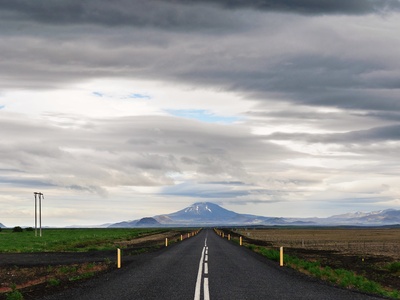
Hekla
One of Iceland’s most famous stratovolcanoes, Hekla erupts explosively and effusively with andesitic lava and ash. Hazards include ash clouds and tephra; historically fast onset makes it dangerous. Notable for frequent historical eruptions and cultural lore.
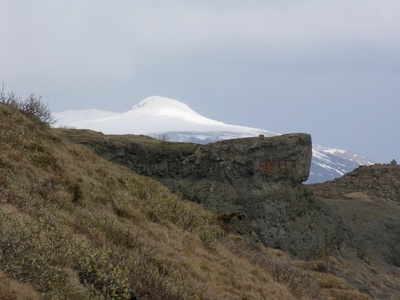
Katla
Large subglacial caldera under Mýrdalsjökull, Katla produces powerful explosive and jökulhlaup (glacial outburst flood) hazards during eruptions. Last large eruption 1918; closely monitored because of its size and potential regional disruption.
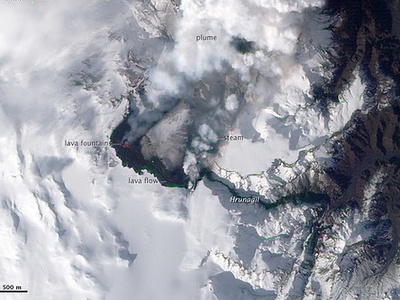
Eyjafjallajökull
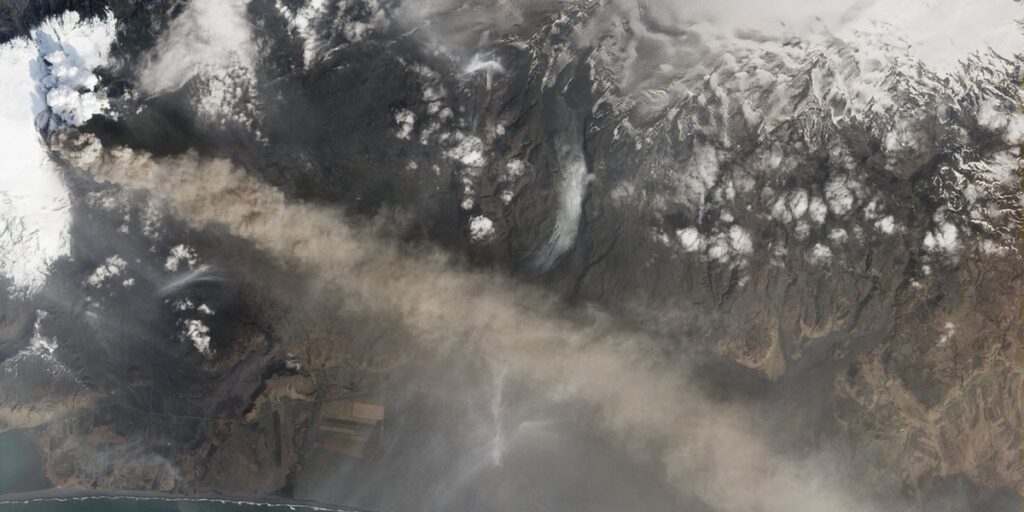
Small glacier-covered stratovolcano whose 2010 explosive eruption sent ash across Europe, grounding air travel. Primary hazards are explosive ash, glacial floods and localized lava flows. Famous for its far-reaching air-traffic impacts and visibility to visitors.
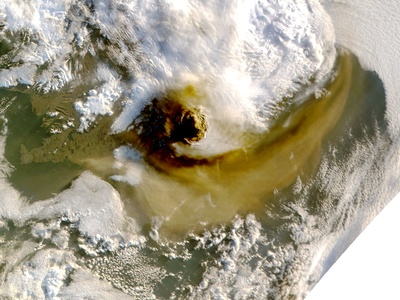
Grímsvötn
Subglacial caldera beneath Vatnajökull with frequent explosive eruptions and melting that causes dangerous jökulhlaups. Eruptions produce ash and pumice; notable for relatively frequent activity and powerful, short-lived eruptions affecting aviation.
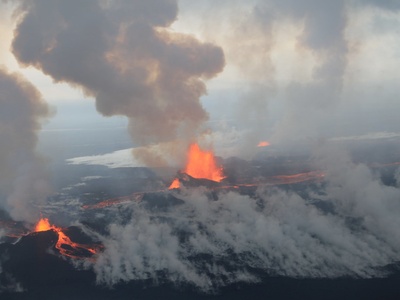
Bárðarbunga
Massive central volcano and caldera under Vatnajökull that produced the 2014–2015 Holuhraun fissure eruption—large effusive lava flows and gas emissions. Hazards include lava floods, ash if explosive, and SO2 gas over wide areas.
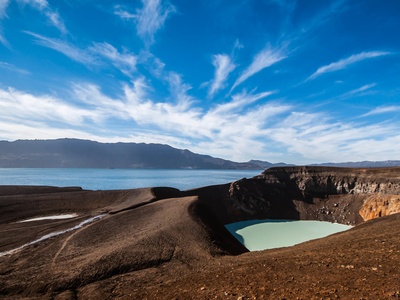
Askja
Caldera complex with explosive rhyolitic and basaltic eruptions; 1961 phreatomagmatic activity produced ash and craters. Hazards include ashfall and local tephra; notable scenic caldera lakes and scientific importance for Icelandic volcanology.
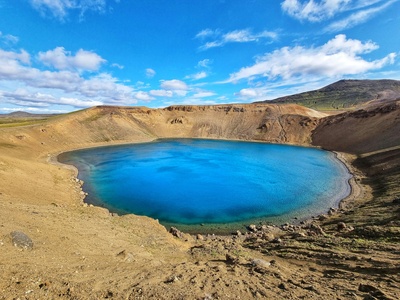
Krafla
Fissure and caldera system with basaltic rifting episodes; famous for the 1975–1984 “Krafla Fires” series of fissure eruptions and lava flows. Hazards are lava, gas, and local ash; also a major geothermal area.
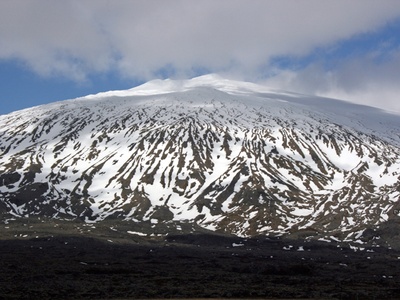
Snæfellsjökull
A glaciated stratovolcano capped by a glacier and known from literature and tourism. Last activity in the Holocene; hazards historically limited but include explosive eruptions and lahars. Notable for cultural fame and scenic glacier cap.
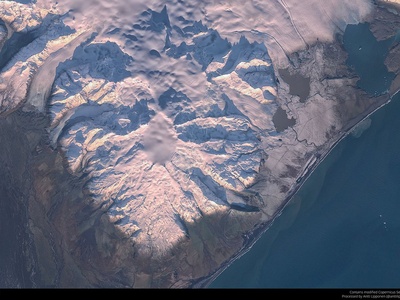
Öræfajökull
Largest active volcano in Iceland by elevation, heavily glaciated; eruptive style can be explosive with ash and jökulhlaups. The 1727–28 eruption is the last historical event. Dangerous due to ice-melt floods and ash.
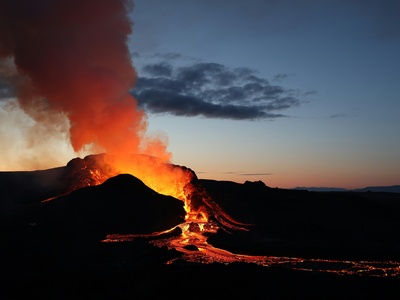
Fagradalsfjall
A fissure/vent on Reykjanes that produced effusive, low-explosivity eruptions (2021–2023). Hazards include lava flows and volcanic gases; notable for frequent, accessible eruptions near Reykjavík and reshaping local tourism.
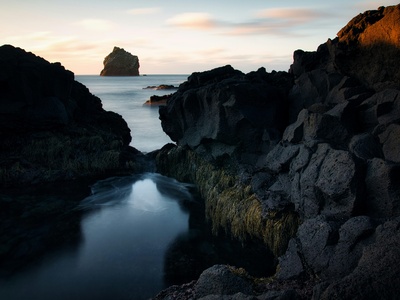
Reykjanes
Volcanic system of fissures and vents that produced recent eruptions (Fagradalsfjall). Typical basaltic fissure eruptions yield lava flows and gas; hazards include lava fields, ground deformation, and local ash when explosive events occur.
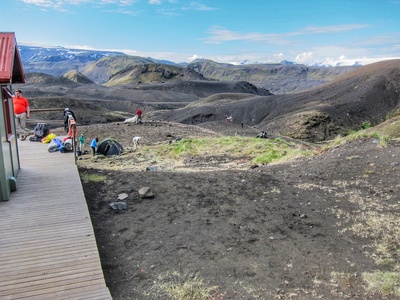
Laki
Famous 1783–84 fissure eruption that produced vast lava fields and severe atmospheric pollution, causing famine in Iceland and Europe. Effusive basaltic eruption generated massive lava flows and hazardous SO2 emissions with global climate impacts.

Eldgjá
Huge Holocene fissure (934 AD) that produced one of the largest lava floods in historic times; effusive basaltic eruption with regional ash and climate effects. Notable as a major, well-documented early medieval event.
Torfajökull
Rhyolitic caldera system known for explosive silicic eruptions and varied geothermal features. Hazards include explosive ash, pyroclastic flows, and lahars when ice is present. Notable for its silica-rich volcanism and colorful rhyolite landscapes.
Kverkfjöll
Subglacial volcanic massif under Vatnajökull with geothermal activity and occasional explosive subglacial eruptions causing jökulhlaups. Hazards include floods, ash, and glacier collapse; important for glacio-volcanic studies.
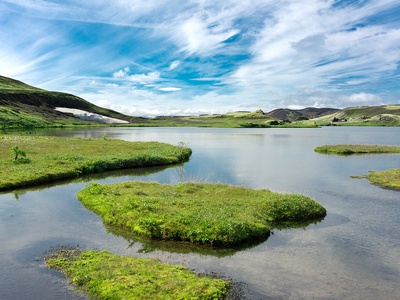
Veiðivötn
Fissure swarm that produced significant basaltic eruptions (notably 1477), creating numerous craters and lava lakes. Hazards include lava flows and gas; notable for dramatic crater rows and rugged highland scenery.
Theistareykjarbunga
Large central volcano with extensive fissure systems; eruptions are predominantly effusive basaltic, producing lava flows. Hazards mainly lava and gas; notable for large lava shield complexes and northern location.
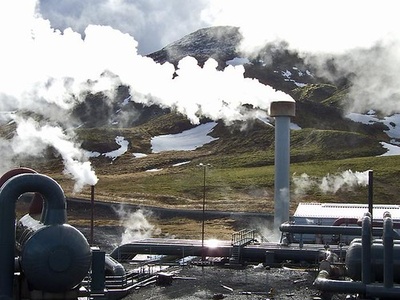
Hengill
Volcanic geothermal complex near Reykjavík with small Holocene eruptions. Hazards are limited volcanic activity, steam explosions, and geothermal hazards; notable as a major geothermal energy source and hiking area.
Brennisteinsfjöll
Volcanic system on Reykjanes with historical fissure eruptions and geothermal activity. Eruptions are basaltic fissure style producing lava and gas. Hazards include lava flows and gas; notable for frequent seismic unrest and geothermal features.
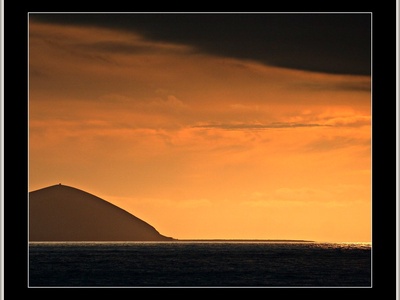
Surtsey
Volcanic island formed by submarine eruption 1963–67; eruption style was explosive-to-effusive as it built the island. Hazards are explosive steam-driven activity during formation; notable as a protected natural laboratory for ecological study.
Hverfjall (Hverfell)
Prominent tephra cone formed in the Holocene by explosive phreatomagmatic eruptions. Hazards included ash and ballistic ejecta in its formation; notable landmark in Mývatn region popular with visitors.
Esjufjöll
Subglacial volcanic massif beneath Vatnajökull with glacio-volcanic activity potential. Eruptions can be explosive when interacting with ice, causing jökulhlaups and ash; notable for remote, glacier-covered peaks and monitoring interest.