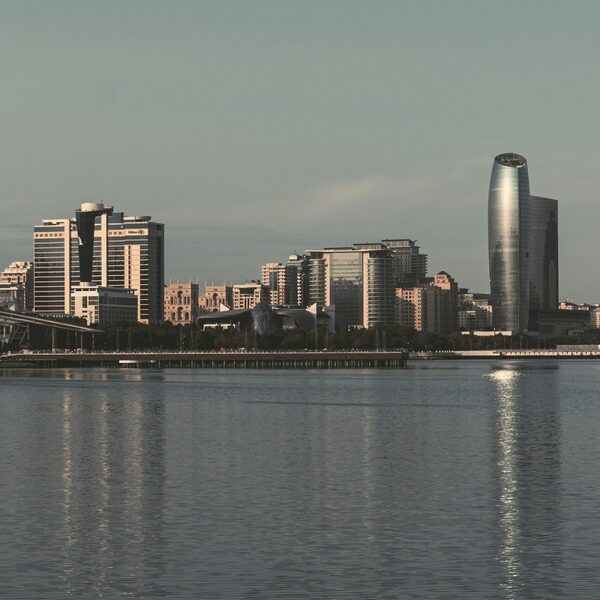
Singapore consistently ranks near the top in global assessments (PISA 2015 and 2018), yet many international students report real trade-offs when they get there.
Despite world-class institutions and strong job prospects, the disadvantages of studying in singapore are worth weighing: tuition often runs SGD 20,000–40,000 a year, and monthly living costs commonly fall between SGD 1,000 and 1,800. This piece lays out 10 concrete downsides—grouped into financial, academic-culture, social-cultural, and practical/legal categories—so prospective students, parents, and advisers can balance prestige against everyday realities. Each point includes numbers, examples (NUS/NTU/SMU, major employers like DBS and Google Singapore), and quick tips to mitigate risk. Read on to understand how costs, intense academic expectations, cultural adjustment, visa rules, and housing realities might shape your study choices and long-term plans.
Financial and Cost Challenges
1. High tuition fees for international students
International tuition at major Singapore universities is substantially higher than subsidised domestic rates. For many undergraduate and master’s programs, fees commonly sit in the SGD 20,000–40,000 per year range (check NUS/NTU/SMU fee pages for program-by-program numbers). That gap affects family budgets, pushes students toward loans, and makes scholarship competition fierce—full scholarships are rare and partial awards are common. The practical result: some applicants pick cheaper majors or branch campuses, and others delay study plans while securing funding.
2. High cost of living: housing, transport, and food
Living in Singapore is expensive compared with many study destinations. A typical student budget (excluding tuition) ranges about SGD 1,000–1,800 per month, with rent usually the largest line item. Campus halls may charge SGD 300–700/month, while private HDB rooms or small studios often run SGD 800–1,800/month depending on location.
Other recurring costs add up: MRT and bus fares, food (though hawker centres can keep meal costs low), utilities, and occasional rideshares. Many students trade single rooms for shared flats, cook more at home, or choose campuses closest to their social circles to cut transport costs.
3. Hidden and ancillary costs (books, health insurance, deposits)
Small, often-overlooked expenses can total hundreds or thousands per year. Textbooks and course materials commonly cost SGD 300–800 annually. Mandatory student health insurance, lab or studio fees for specific courses, application/registration charges, and security deposits for private rentals add upfront burdens.
For engineering or lab-heavy programs you may face additional fees for equipment or consumables. These ancillaries push tight budgets into needing part-time work or higher loan amounts.
Academic Pressure and Competitive Culture
4. Intense academic expectations and long hours
Many students report heavy workloads and continuous assessment—expect to spend 30–50 hours per week on academics outside scheduled classes in demanding programs. High-contact courses (medicine, engineering) have labs, tutorials, and weekly deliverables that limit free time.
That pace can affect sleep, wellbeing, and the ability to take part-time work or extracurriculars. University counselling and wellbeing services see steady demand, and some students need to reduce hours or seek support to avoid burnout.
5. Very competitive environment and grade pressure
Grading curves, tight internship markets, and recruiter emphasis on top GPAs create competition that can discourage collaboration. Campus placement seasons are aggressive—competitive internships at DBS, Singtel, Google Singapore, and major banks attract many applicants for a small number of spots.
The knock-on effects include strained peer relationships on group projects and students prioritising grades over learning or risk-taking in course selection.
6. Perceived lack of curricular flexibility and emphasis on exams
Some degree tracks—especially in STEM and business—have tightly prescribed core modules and high-stakes exams. That structure can leave little room to explore unrelated electives or switch majors after the first year.
For international students who expected a liberal-arts style breadth, this can be a surprise. The practical consequence: less opportunity to pivot interests without lengthening the degree or taking extra cost-bearing semesters.
Social and Cultural Adjustment Challenges
7. Homesickness and social integration can be difficult
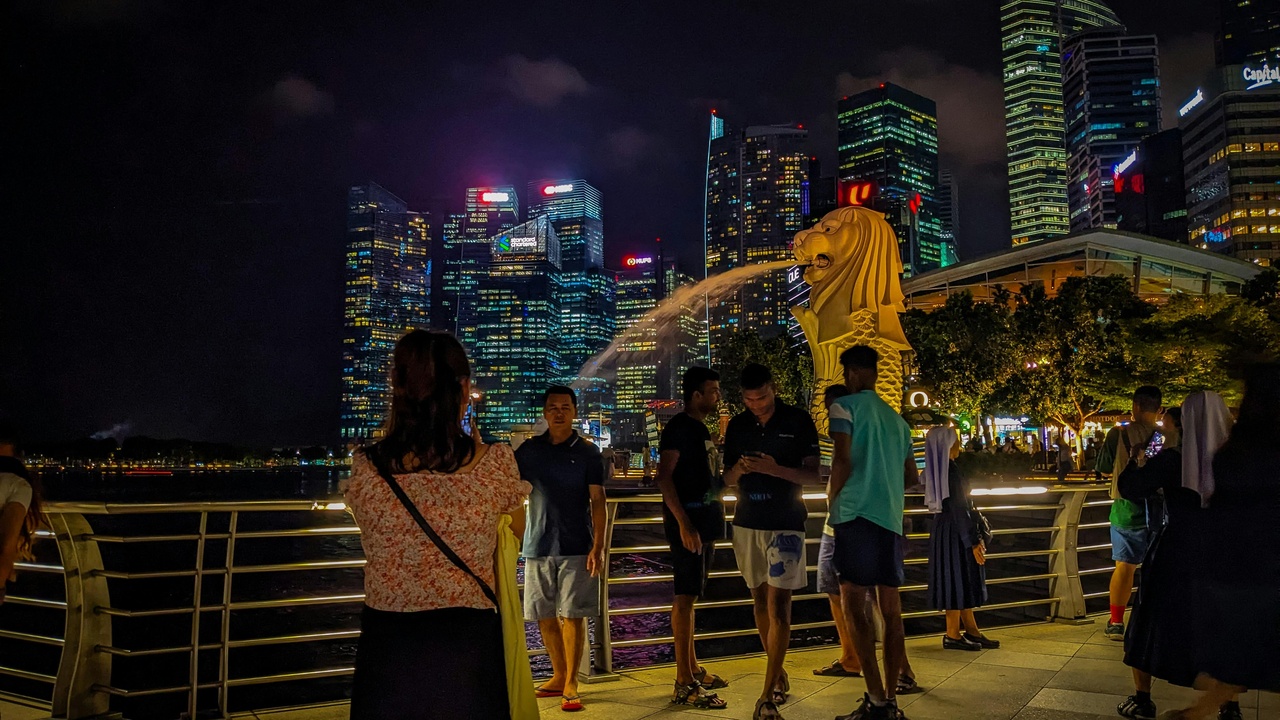
Many international students report it takes months to build meaningful local friendships. Established social circles and fast-moving group dynamics make joining tight-knit local networks a challenge.
Living off-campus far from campus hubs can make integration slower. Universities run orientation programmes, buddy schemes, and international-student clubs, which help—but uptake varies and some students still lean heavily on small diaspora communities.
8. Language, cultural nuances, and micro-inequities
English is the main medium, yet everyday speech often includes Singlish and local idioms that can confuse newcomers. Subtle expectations—direct feedback, class participation norms, or informal humour—might lead to misreadings in group work or social settings.
Simple mitigations work: cultural orientation sessions, language workshops, and finding a mentor or club with mixed membership. Over time, those small adjustments tend to pay off.
Practical, Legal, and Lifestyle Issues
9. Visa and work restrictions limit part-time income and internships
International students face legal limits on working hours and types of work while on a Student Pass (see ICA guidance). On- and off-campus rules vary, and many post-study pathways require employer sponsorship via an Employment Pass or S Pass (administered by MOM).
That reality reduces income opportunities and can make unpaid but time-intensive internships impractical. Some graduates must secure job offers from sponsoring employers quickly to remain in Singapore after graduation.
10. Housing shortages and limited on-campus accommodation
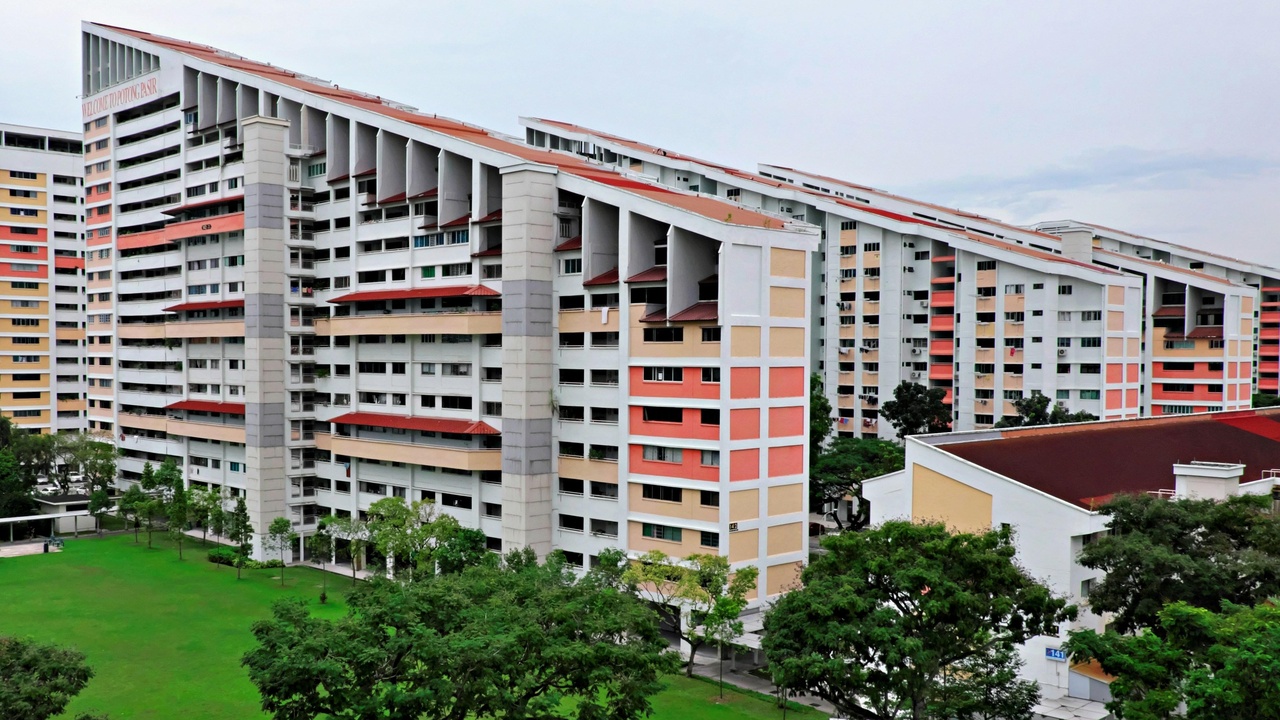
Demand for campus halls often exceeds supply; many students find campus applications competitive or are placed on waitlists. Private rentals are plentiful but pricey—expect campus halls around SGD 300–700/month versus private options at roughly SGD 800–1,800/month depending on location.
The practical effects include longer commutes, higher rent bills, or the need for temporary short-term stays on arrival. Early applications, short-term hostels, and university housing portals are common strategies to bridge the gap.
Summary
- Costs—tuition, living, and hidden fees—are often the single biggest barrier for international applicants.
- Academic intensity and competitive recruitment shape student life and career choices more than rankings alone.
- Visa limits and housing scarcity create practical constraints that affect budgets and post-study options.
- Next steps: map total cost over your full degree, apply early for scholarships and halls, consult university international offices, and check ICA/MOM pages for Student Pass and post-study rules.
- Keep the disadvantages of studying in singapore in mind when you compare institutions—rankings are useful, but trade-offs determine day-to-day experience.