Brazil’s landscapes span beaches, wetlands, mountains, and the Amazon rainforest — the country contains roughly 60% of the Amazon Basin.
That array of biomes, a coastline of about 7,491 km and vast protected areas make the country unusually well suited for active travel across water, jungle and highlands. Many travelers still default to Rio and Copacabana, though, missing out on inland wetlands, remote islands and canyon treks that demand a bit more planning.
From jungle expeditions to surf breaks and high-flying city launches, Brazil offers a dozen genuinely adventurous experiences that suit first-timers and seasoned travelers alike. The 2016 Olympics left new adventure infrastructure in parts of Rio, and local outfitters now support everything from tandem hang glides to multi-day jungle lodges. If you’re compiling a list of adventurous things to do in Brazil, this guide groups twelve top options into three practical categories so you can pick the season and level that suits you.
Rainforest & Wildlife Adventures
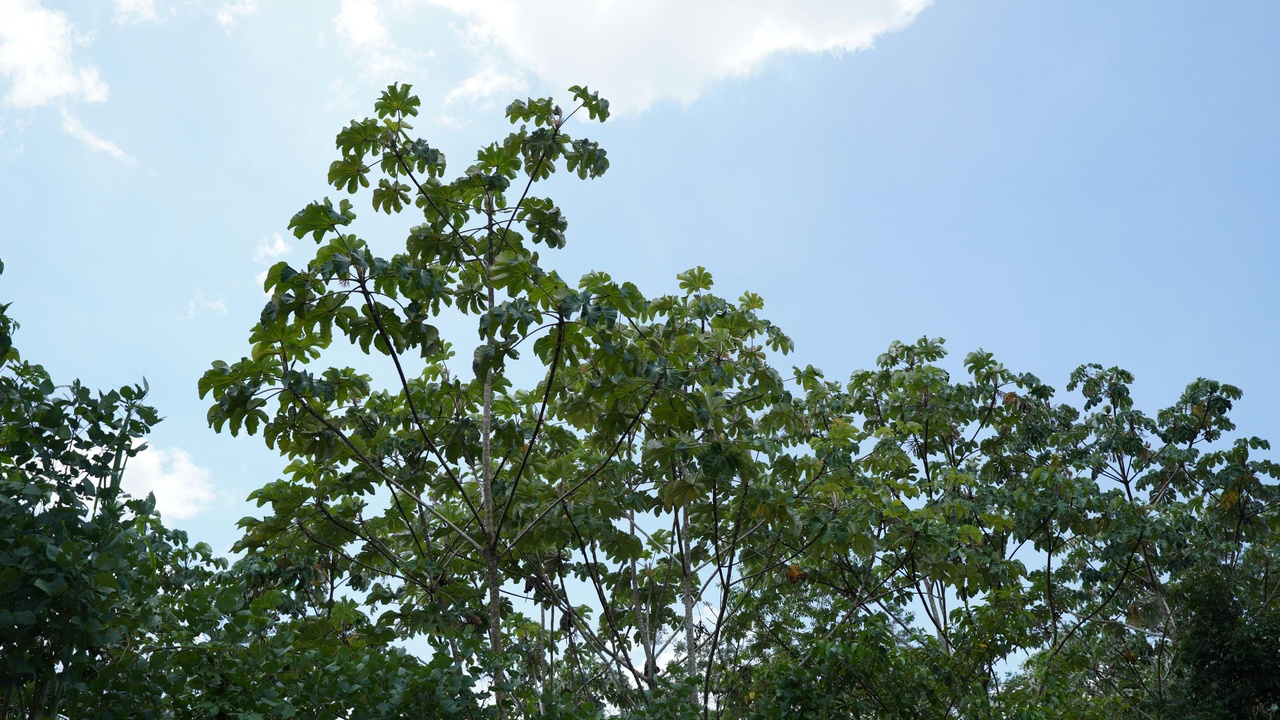
Brazil holds roughly 60% of the Amazon Basin and the Pantanal is the world’s largest tropical wetland at about 150,000 km², so wildlife and river travel are major draws. Adventure travel in Brazil’s wilderness ranges from motorized boat safaris to quiet canopy treks, with seasonality shaping access: dry months make trails and roads easier, while the wet season opens river routes. Hire certified local guides, keep up vaccinations, and use strong insect protection to stay safe and minimize impact in these fragile ecosystems.
1. Amazon jungle expedition (base: Manaus)
Multi-day jungle expeditions from Manaus offer close-up wildlife, river navigation and indigenous-community visits. Manaus is the primary gateway city, and typical trips run 3–7 days from river lodges on Rio Negro tributaries.
Travelers choose guided expeditions for safety and logistics: guides handle boat transfers, river navigation and wildlife spotting, and they arrange canopy towers or overnight canopy lodging for a different perspective. Common activities include night safaris, piranha fishing and guided walks to spot monkeys and macaws.
Packing tips: lightweight long sleeves, reef‑safe sunscreen, high‑factor insect repellent and a good headlamp. For trails, the July–December dry window often offers better walking conditions and clearer trails for 3–5 night lodge stays.
2. Pantanal wildlife safari (jeep and boat safaris)
The Pantanal delivers some of the best terrestrial wildlife viewing in the Americas: jaguars, capybaras, caimans and hyacinth macaws thrive across roughly 150,000 km² of seasonal wetlands. Photographers and birders travel here specifically for face‑to‑face encounters.
Guided jeep safaris and morning boat trips raise sighting success rates, and many lodges offer photographer-led jaguar tracking tours. Night drives and dawn boat runs are standard—dawn is especially productive for birds and mammals.
Best time: the dry months, typically June–September, when animals concentrate at shrinking water sources and roads are more passable. Bring binoculars, a telephoto lens and closed-toe shoes for early-morning treks.
3. Canopy treks and zip-lines in the Atlantic Forest
Canopy walkways and multi-line zip-line circuits around protected Atlantic Forest fragments—near São Paulo, Rio and southern Bahia—let visitors access upper forest strata safely and watch birds and small primates at eye level.
These setups are often half‑day to full‑day adventures with certified operators; they appeal to families and travelers who want thrills without the logistics of deep-jungle travel. Expect interpretive guides, weight and age limits, and reinforced safety systems.
Bring a camera with a zoom, closed‑toe shoes and follow operator safety briefings. Look for operators with clear certifications and local conservation partnerships.
4. Night river cruises and caiman-spotting
Night river cruises are a distinct Amazon experience focused on nocturnal species like caimans and night birds. Guides use spotlights and expert listening to find reflective eyes and interpret calls, and success rates rise after dusk on calm tributaries.
These short evening runs complement longer lodge stays and are family-friendly when you follow safety directions: remain seated, wear a life jacket and listen to the guide. They’re ideal for spotting caimans, night frogs and owls without long hikes.
Plan for a single 1–2 hour cruise added to a 3–5 night itinerary to experience Amazon nightlife without committing to extra days.
Coast & Water Adventures
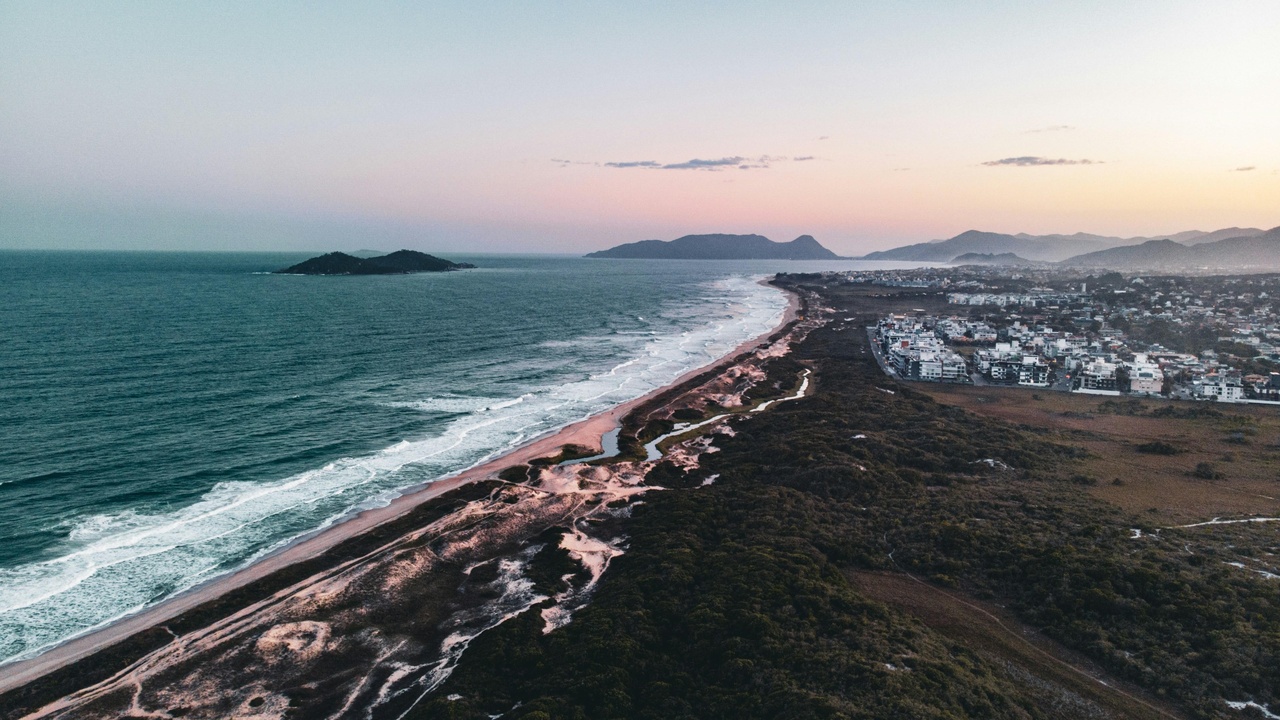
Brazil’s coastline stretches roughly 7,491 km and hosts island systems and sheltered bays perfect for surfing, diving, kitesurfing and sea‑kayaking. Many islands—Fernando de Noronha chief among them—limit visitor numbers and charge conservation fees to protect reefs and marine life.
Seasonal windows matter: surf swells and dive visibility vary by region, so plan around local seasons and respect marine protected area rules. Ocean safety is critical—check currents, wear a leash or lifejacket, and use reef‑safe sunscreen.
5. Surfing in Florianópolis and Saquarema
Southern and southeastern Brazil host world-class beach and point breaks; Florianópolis offers a variety of waves that suit beginners through pros, while Saquarema regularly stages national surf events and attracts experienced surfers.
Popular beaches include Praia Mole and Joaquina in Florianópolis and the reef and beach breaks around Saquarema. Schools, rentals and guided sessions are widely available for learners; advanced surfers chase reef and point swells.
Best swells arrive in the Southern Hemisphere winter months (roughly June–August). Always check local rip‑current warnings and consider a lesson if you’re unfamiliar with beach breaks like Itaúna.
6. Scuba diving and snorkeling at Fernando de Noronha
Fernando de Noronha is a marine-protected archipelago renowned for clear water, big turtles, dolphins and abundant reef life. Strict visitor limits and conservation fees help protect the archipelago’s ecosystems and support ranger programs.
Guided boat dives and snorkel circuits put you in front of spinner dolphins at Baía dos Golfinhos and sea turtles near shallow reefs. Currents can be strong; many dive operators require guided dives and may recommend nitrox for repetition.
Visibility peaks in the drier months—often August–December—so book early and expect simple permit checks when you arrive. Use reef‑safe sunscreen and follow briefing instructions to avoid damaging corals.
7. Kitesurfing and wind sports in Jericoacoara
Jericoacoara in northeast Brazil is a global kitesurfing hotspot thanks to steady trade winds and protected lagoons. The most reliable window runs from July to December, when winds strengthen and flatwater lagoons make learning easier.
Many kite schools cater to all levels, offering short courses in safe, supervised areas. Experts can chase offshore swells or set up freeride sessions from the beach, and dune buggy trips let non‑kiters sample the landscape.
Respect local rules on launch zones and environmental protection, and book a certified instructor for your first lessons to avoid accidents and reef damage.
8. Kayaking and island-hopping around Ilha Grande
Ilha Grande and the Angra dos Reis coast are ideal for multi‑day sea‑kayaking and island‑hopping thanks to calm bays, clear water and protected coves. Paddles link snorkeling spots, beaches and short coastal treks.
Options range from day trips to Lopes Mendes beach to multi‑day guided paddles that include beach camping and guided snorkeling. Local outfitters provide gear, route planning and safety briefings—pay attention to tide and weather forecasts.
Some protected beaches require permits for overnight stays, so confirm regulations with your outfitter and pack reef‑safe sunscreen and a dry bag for electronics.
Mountains, Dunes, Air & Urban Thrills
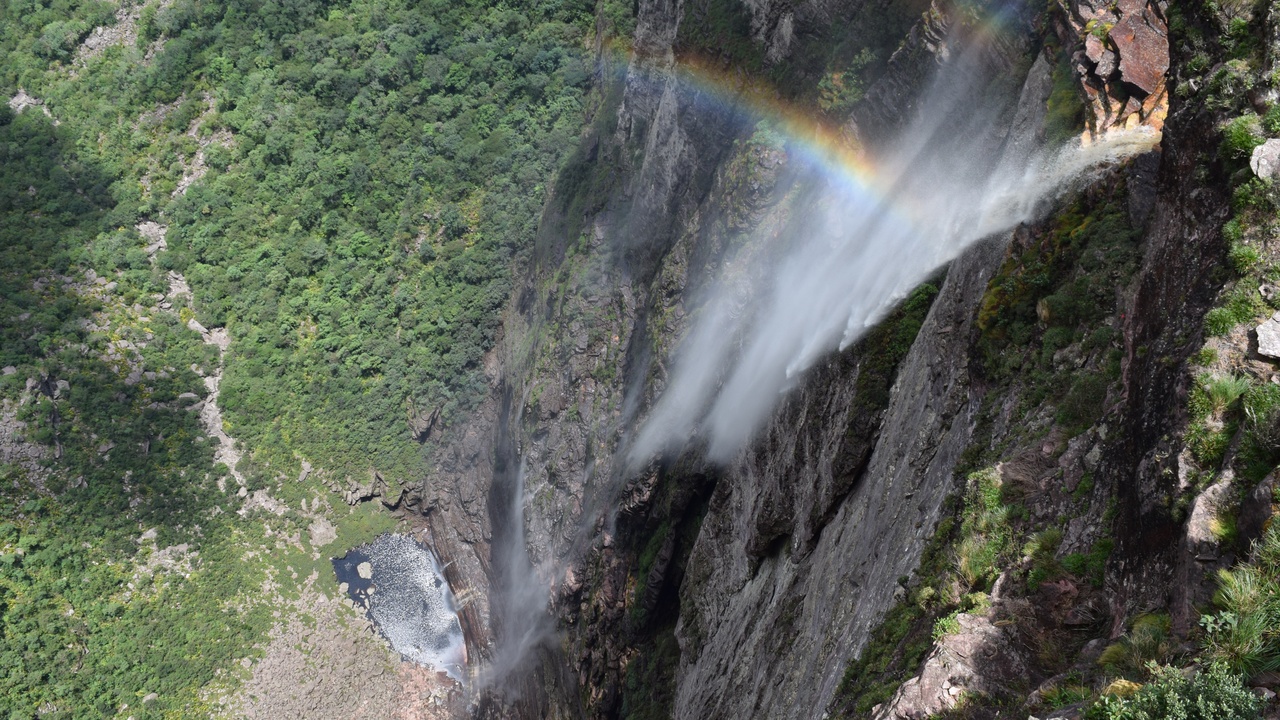
This mixed category covers inland hiking, dune landscapes, airborne activities and city-based adventure. National parks like Chapada Diamantina and the Lençóis Maranhenses dunes offer dramatic inland scenery, while Rio provides urban thrills like hang gliding off Pedra Bonita and guided favela walks.
Fitness levels vary: some routes need basic scrambling and endurance, while tandem air sports and guided city tours suit most people. Check park permits and seasonal advisories before booking multi‑day ventures.
9. Multi-day hiking in Chapada Diamantina
Chapada Diamantina in Bahia features plateaus, deep canyons, waterfalls and caves, making it a top park for multi‑day hikes and canyon descents. Routes combine long treks with swims beneath waterfalls and cavern exploration.
Popular objectives include a hike to Morro do Pai Inácio for sunrise and routes that visit Cachoeira da Fumaça. Typical multi‑day treks run 2–5 days and local guides improve route‑finding and safety.
Travel prepared for variable terrain and temperatures, and prefer the dry season for clearer trails and safer canyon crossings.
10. Sandboarding and lagoon treks in Lençóis Maranhenses
Lençóis Maranhenses is a sweeping dune field punctuated by seasonal freshwater lagoons—a surreal inland coastal landscape perfect for sandboarding and lagoon treks. Lagoons form in the rainy season and are best visited shortly after the rains when pools are full.
Most visitors combine a 4×4 transfer from Barreirinhas with guided dune walks, short lagoon swims and sandboard runs on packed dunes. Day‑trip logistics are straightforward and local guides handle route and safety considerations.
Timing: plan to visit soon after the rainy season—roughly May through September—to see the lagoons at their fullest and enjoy easier sandboarding conditions.
11. Hang gliding and paragliding over Rio de Janeiro (São Conrado)
São Conrado and Pedra Bonita are signature launch sites for tandem hang gliding and paragliding, offering iconic ocean and city vistas. Commercial tandem flights are widely offered and attract first‑time flyers as well as experienced pilots.
Operators provide safety briefings, helmets and experienced tandem pilots; flights are weather dependent with the best windows often in the morning. Typical landings are on São Conrado beach, and many operators sell short video or photo packages.
Note age and weight limits, and book in advance for clear‑sky mornings when launches go ahead.
12. Urban adventure: guided favela walks, climbing, and city bike tours
Urban Brazil offers its own kind of adventure via community‑led favela walks, street‑art tours, urban climbing sessions and long coastal bike routes. Reputable, community‑based tours in places like Vidigal and Santa Marta provide local insight and a safe experience.
These activities pair physical activity with cultural context—street‑art tours in São Paulo, guided climbs and bike loops along Rio’s coastal roads. Choose community-run operators and respect local rules and guides’ advice.
Bring modest gear, tip local guides fairly and avoid solo exploration in unfamiliar neighborhoods; guided engagement supports local economies and safer access.
Summary
- Brazil’s huge range of biomes—from Amazon floodplain to Lençóis Maranhenses dunes—means you can find very different adventures within a single trip.
- Seasonality matters: plan jungle treks for dry months, visit Lençóis soon after the rains, and chase wind or swell windows for kitesurfing and surfing.
- Safety and success hinge on local expertise—hire certified guides, respect park permits and follow marine and wildlife rules to reduce impact.
- Mix urban and wild experiences: tandem hang gliding over Rio or community‑led favela walks offer high-adrenaline options without long transfers.
- Pick one of these adventurous things to do in Brazil, check seasons and operator credentials, and book responsibly to get the most out of your trip.