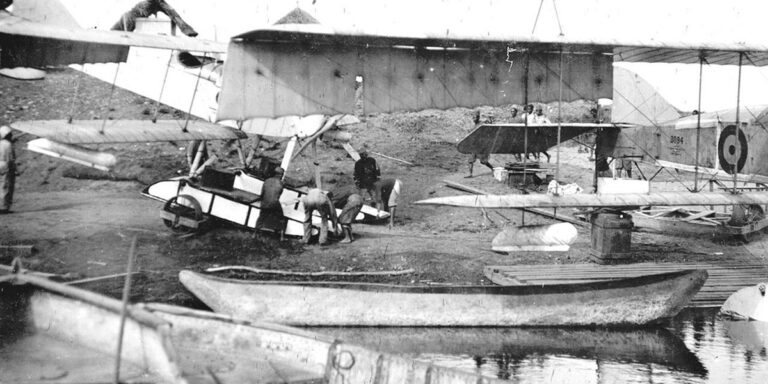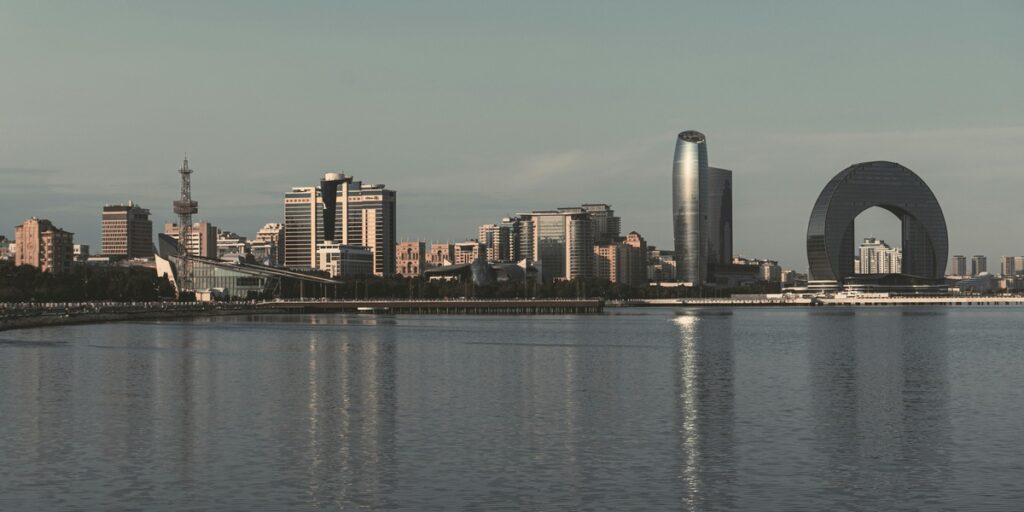
Since gaining independence in 1991, Azerbaijan has moved quickly from a Soviet past to a visible place on the regional map — hosting Eurovision in 2012 and the European Games in 2015.
That rapid modernization has translated into concrete advantages for people who live and work here. Many assume small countries lack opportunity, but Azerbaijan combines energy-driven wealth, a growing tech scene, affordable daily life, and striking geography in ways that matter for residents and expats.
Below are ten clear benefits — grouped into economic and career opportunities, quality of life and culture, geography and travel, and public services — that explain why life here is increasingly attractive.
Economic and Career Opportunities
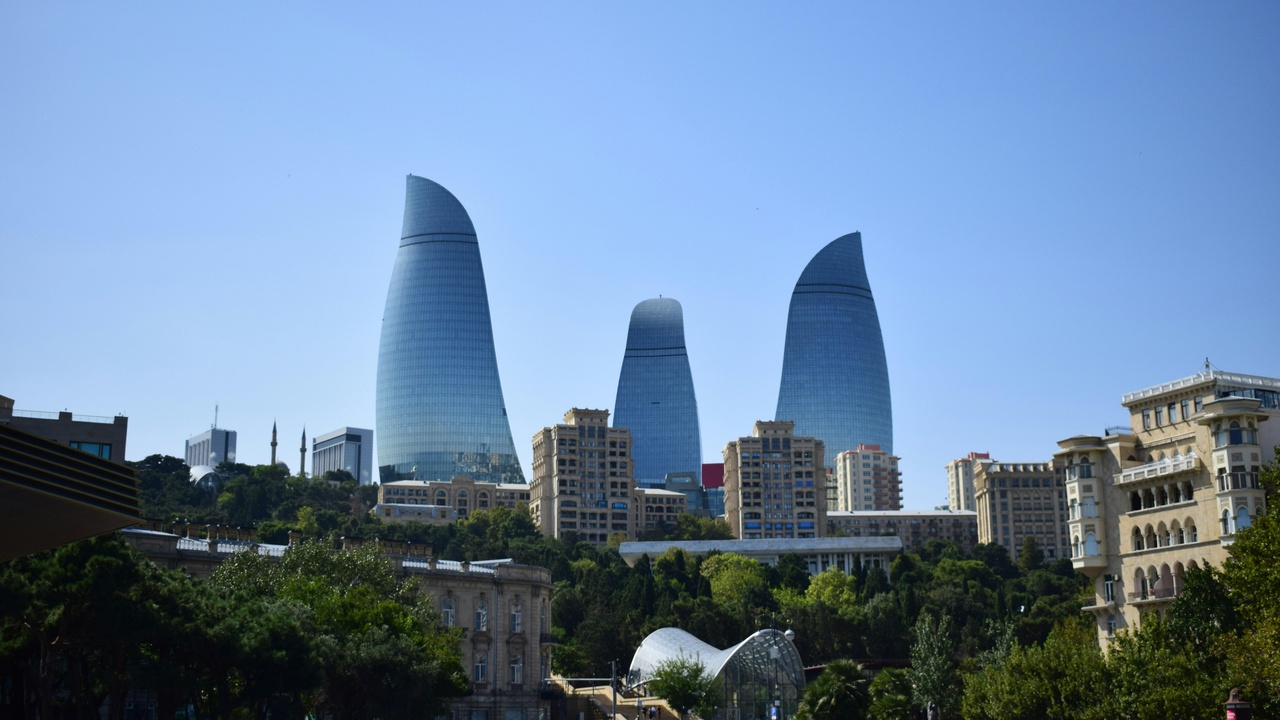
The energy sector remains the backbone of Azerbaijan’s economy, but you’ll also find expanding opportunities in tech, trade and logistics. Large projects and multinational operators create steady demand for skilled professionals, while startups and service firms are filling niche needs.
1. Energy-sector jobs and export-driven incomes
Azerbaijan’s oil and gas industry continues to be a major employer and revenue source. The Baku-Tbilisi-Ceyhan (BTC) pipeline, operational in the mid-2000s, was built to carry roughly 1 million barrels per day at peak capacity and anchored the country’s role as a Caspian exporter.
Major employers include state-owned SOCAR and international companies like BP, which run upstream and midstream projects, maintenance contracts, and local service firms. Engineers, project managers, geoscientists and logistics specialists are regularly hired for multi-year field projects.
And the effect ripples outward: construction firms, hospitality businesses, catering companies and local suppliers all benefit from energy-sector spending, creating diverse private-sector roles beyond the rigs and platforms.
2. Growing tech and startup ecosystem
Baku is building a small but energetic tech scene supported by government initiatives and incubators. Baku IT Park (a government-backed technology hub) hosts startups, development shops and outsourcing teams that serve regional clients.
Universities such as ADA University and local technical institutes feed that pipeline with graduates in IT, business and engineering. You’ll find web and mobile development firms, fintech pilots, and a rising number of co-working spaces that keep costs lower than in Western tech capitals.
For entrepreneurs, registration and running costs are often more affordable than in Europe or North America, and accelerator programs and occasional regional pitch events make it easier to test an idea without huge overhead.
3. Strategic trade location and logistics jobs
Azerbaijan sits on the Caspian and at a crossroads to Georgia, Turkey, Iran and Russia, which has turned it into a practical hub for freight and trans-Caspian trade. The Baku International Sea Trade Port handles increased cargo flows tied to east–west corridors.
Since the 2010s the so-called Middle Corridor — rail and road routes linking Europe and Asia through the South Caucasus — has gained momentum, bringing investment into intermodal terminals, warehouses and customs brokerage services.
Those projects create roles in freight forwarding, rail operations, port management and logistics technology, offering alternatives to oil-related careers for professionals interested in trade and supply chains.
Quality of Life and Cultural Richness
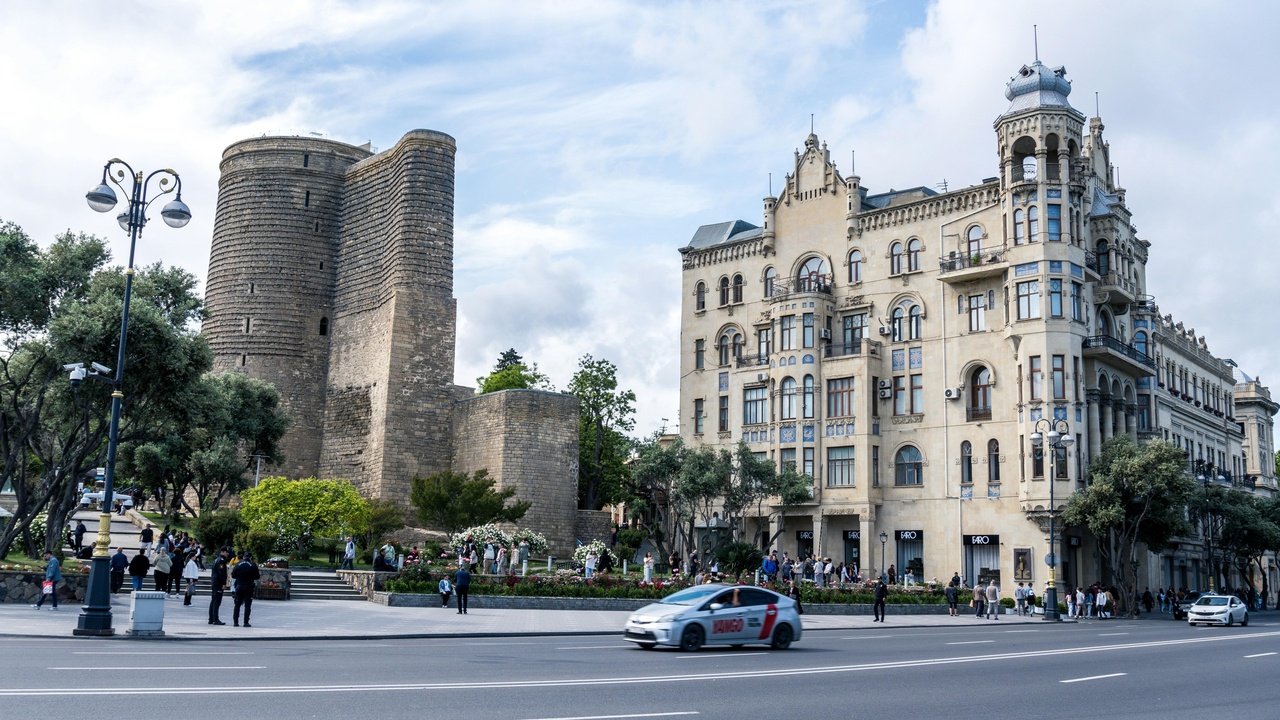
Good daily life in Azerbaijan blends affordable living, lively food culture, and strong traditions. Modern malls, cafés and international services sit alongside centuries-old streets and UNESCO-listed sites, giving residents plenty of options for work and leisure.
4. Affordable cost of living and diverse housing options
Many expatriates and locals find routine costs lower than in Western capitals. Rent for a comfortable apartment in central Baku is often a fraction of comparable places in London or Berlin, and smaller cities offer even larger savings.
Baku’s housing ranges from modern high-rise flats in the business district to older apartments in neighborhoods near the Walled City. Families can choose suburbs or seaside homes while still accessing urban amenities, and everyday services like dining and domestic help remain relatively affordable.
5. Rich cultural heritage, festivals and modern arts
Deep heritage coexists with contemporary cultural life. The Gobustan Rock Art Cultural Landscape became a UNESCO site in 2007, and the Walled City of Baku (Icherisheher) anchors the capital’s historic heart.
Annual events and venues—from music festivals to exhibitions—keep calendars busy. International attention from hosting Eurovision in 2012 and the 2015 European Games helped expand cultural programming and modern performance spaces.
Traditional crafts like carpet-weaving and mugham music are visible in daily life, while galleries and contemporary arts spaces bring fresh work to residents and visitors alike.
6. Food, markets and everyday social life
Azerbaijani cuisine makes everyday living pleasurable and social. Staples like plov, dolma and kebabs are widely available, and seaside cities add fresh Caspian seafood to menus.
Neighborhood bazaars and markets supply fresh produce at low cost, and tea houses, cafés and bakeries act as social hubs. Eating out is affordable, and open-air markets make it easy to cook seasonally at home.
That combination of good food and communal spaces helps newcomers settle in quickly and feel part of neighborhood life.
Geography, Travel and Outdoor Life
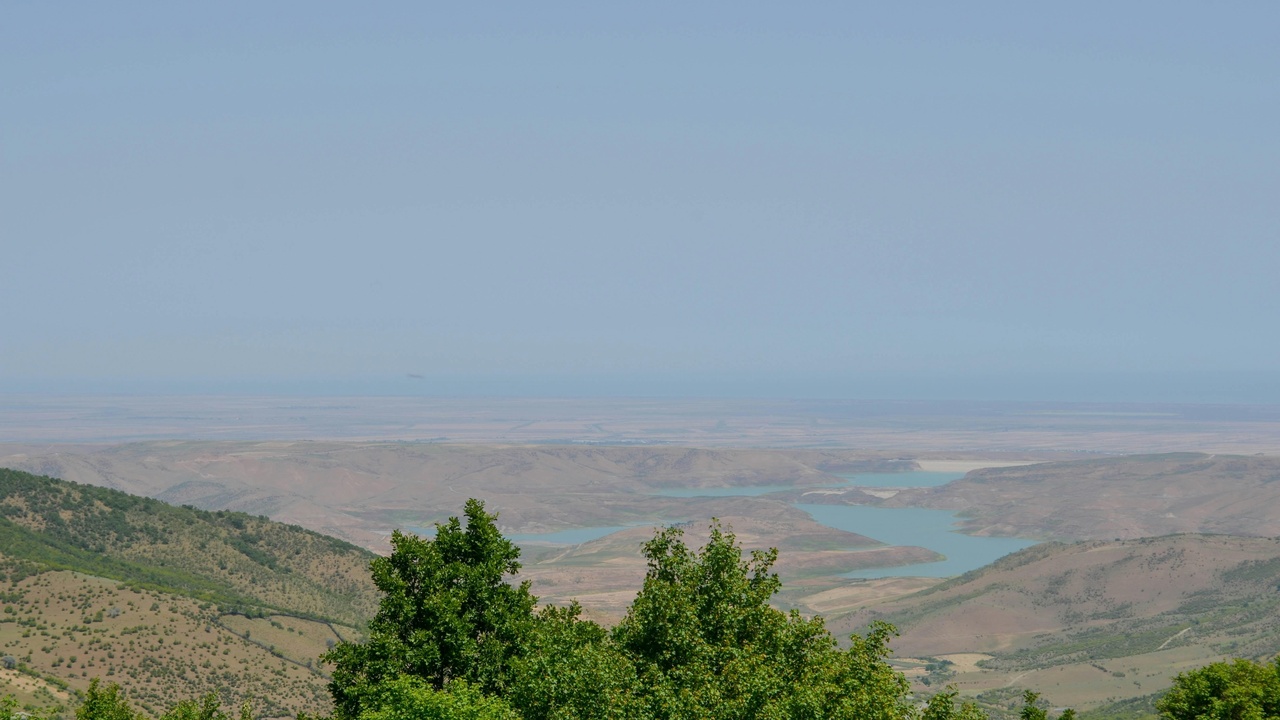
Azerbaijan’s geography is surprisingly varied for its size: Caspian beaches, foothills and the Greater Caucasus mountains are all within reach, which makes outdoor life practical and diverse.
7. Year-round access to seaside and mountain recreation
From Baku, many coastal spots and foothills are a 1–3 hour drive, so weekend beach trips on the Caspian or day hikes in mountain foothills are realistic routines. In winter you can reach skiing areas in the Greater Caucasus for a short break.
National parks and marked trails offer options for hiking and birdwatching, while coastal towns give easy access to seafood and sun during summer months. That seasonal variety supports an active lifestyle without long-distance travel.
8. Regional travel hub — easy access to neighboring countries
Heydar Aliyev International Airport in Baku provides frequent flights across the region, and overland routes through Georgia connect to Turkey and Europe. Short regional hops make business and leisure trips straightforward.
Road and rail links via Georgia also open overland travel to Iran and beyond, making Azerbaijan a convenient base for exploring the South Caucasus and nearby countries without long-haul flying.
Public Services, Safety and Infrastructure
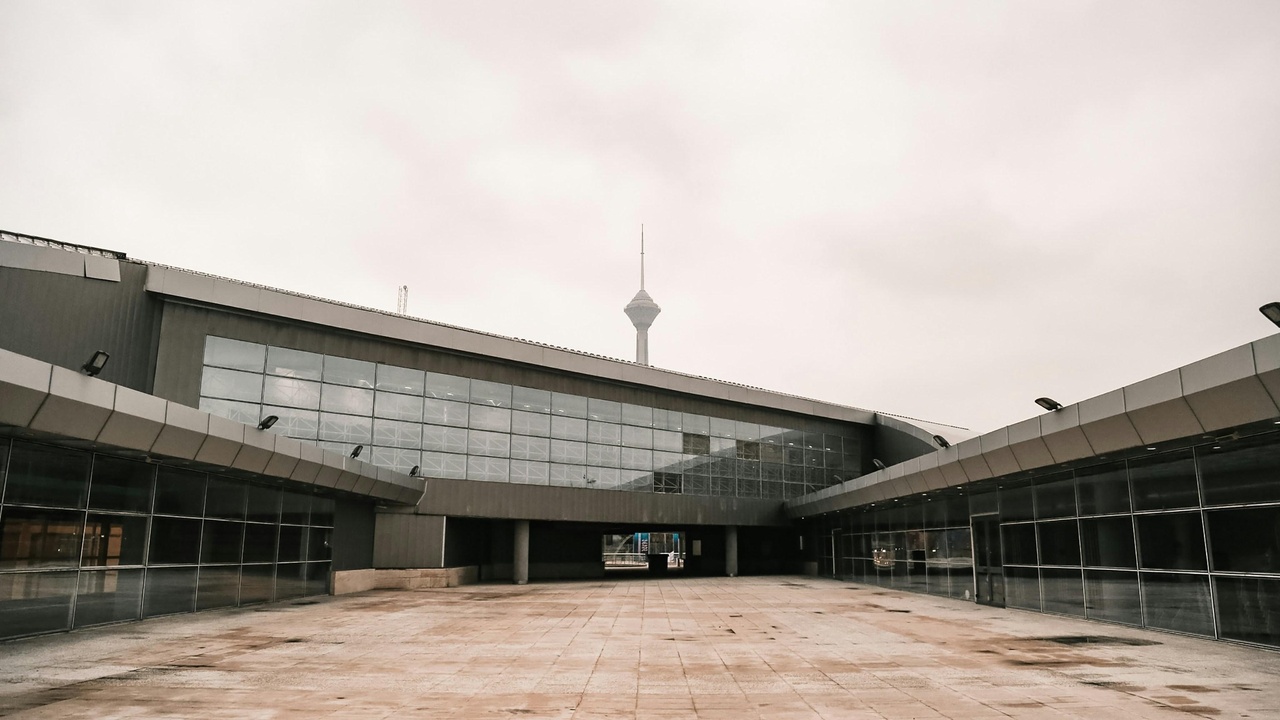
Investments in airports, urban transit and digital infrastructure have made daily life easier in cities. Residents benefit from improving services and a broader mix of public and private providers for healthcare and education.
9. Improving healthcare and education access
In Baku and other urban centers, private clinics and hospitals provide a widening range of services, from pediatrics to elective procedures. International-standard facilities are increasingly available for residents who need specialized care.
On the education side, institutions such as ADA University offer English-medium and internationally oriented programs, and international schools serve expat families. That combination helps professionals relocating with children find credible options.
Rural areas still have more limited coverage, so many families choose urban residency for access to the best schools and medical services.
10. Modern infrastructure and digital connectivity
Heydar Aliyev International Airport is the country’s main international gateway, and city infrastructure — including the Baku Metro and ongoing road upgrades — supports reliable commuting and travel.
Broadband and mobile coverage in urban areas have improved enough to support remote work and digital businesses. That means many people can work for regional or international clients while enjoying lower living costs and a stable base in Baku or other cities.
For professionals, that mix of transport, internet and city services makes Azerbaijan a functional place to build a career without sacrificing connectivity to global markets.
Summary
- Energy, logistics and an emerging tech scene create concrete job pathways and contracting work.
- Affordable everyday costs, a lively culinary scene and UNESCO-listed heritage (Gobustan 2007; Icherisheher) make life culturally rich.
- Access to both the Caspian coast and the Caucasus mountains supports year-round outdoor activities and short regional trips.
- Modern transport hubs (Heydar Aliyev International Airport), improving healthcare and international-style education (ADA University) enhance daily life.
- If you’re curious about the benefits of living in azerbaijan, consider a short exploratory visit, check current job listings, and review housing and visa resources to see how a move might work for you.