The Central African Republic’s urban landscape is shaped by history, resource belts and administrative roles more than by large-scale industry. Cities here vary widely in size and economic activity, so a simple list can help highlight where wealth — by available measures — tends to concentrate.
There are 14 Richest Cities in Central African Republic, ranging from Bambari to Paoua. For each city you’ll find below Country,Population (year) (people),Wealth indicator (proxy), presented so you can compare size and likely economic standing at a glance; the table and brief notes you’ll find below make it easy to spot regional patterns and outliers.
Which city is typically considered the wealthiest in the Central African Republic?
Bangui, as the capital and main commercial hub, is generally treated as the wealthiest city because it concentrates government services, trade, and most formal businesses; that said, limited national statistics mean wealth here is relative and tied to infrastructure and service access rather than high per-capita incomes.
How were the “wealth indicator (proxy)” values determined for these cities?
We use observable proxies where direct income data are scarce: population size, presence of administrative or mining activity, night-time light intensity and business/service counts. Those proxies are summarized in the Wealth indicator (proxy) column to give a comparable snapshot for each city.
Richest Cities in Central African Republic
| City | Country | Population (year) (people) | Wealth indicator (proxy) |
|---|---|---|---|
| Bangui | Central African Republic | 734,350 (2013) | Capital, largest city; government, banks, NGOs, trade hub |
| Bimbo | Central African Republic | 267,859 (2013) | Large suburb of Bangui; industry, markets, transport links |
| Berbérati | Central African Republic | 105,155 (2013) | Timber, agriculture, regional market center |
| Carnot | Central African Republic | 32,000 (2013) | Diamond production, timber, regional trade |
| Bambari | Central African Republic | 69,000 (2013) | Agricultural trade, transport crossroads, NGO presence |
| Bossangoa | Central African Republic | 56,000 (2013) | Cattle, cotton and food markets, regional services |
| Bria | Central African Republic | 43,000 (2013) | Gold and diamond mining, timber, trade routes |
| Kaga-Bandoro | Central African Republic | 50,000 (2013) | Agricultural markets, transport hub, NGO operations |
| Bouar | Central African Republic | 43,000 (2013) | Coffee, cotton, frontier trade with Cameroon |
| Mbaïki | Central African Republic | 64,000 (2013) | Forestry, agriculture, proximity to Bangui markets |
| Bangassou | Central African Republic | 41,000 (2013) | River trade, agriculture, artisanal gold mining |
| Paoua | Central African Republic | 46,000 (2013) | Timber, agriculture, regional trading center |
| Ndélé | Central African Republic | 33,000 (2013) | Gold mining nearby, livestock markets, regional services |
| Obo | Central African Republic | 11,000 (2013) | Border trade, UN/NGO presence, regional market |
Images and Descriptions

Bangui
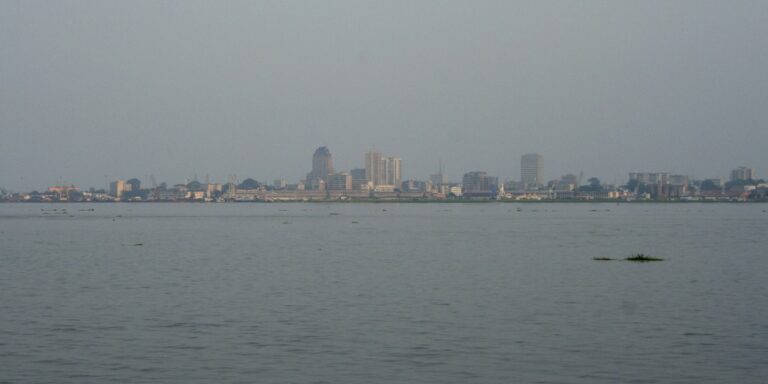
Bangui is the country’s political and economic center, home to national government, major banks, large markets, and many international NGOs. River transport and concentrated services make it by far the wealthiest urban area and the main hub for commerce and administration.
Bimbo
Bimbo sits adjacent to Bangui and has grown into a major suburban economic zone with markets, light industry, and transport links. Its proximity to the capital concentrates commerce, warehouses, and services, attracting businesses and NGO operations.
Berbérati
Berbérati is a southwest regional capital known for timber harvesting, cocoa and coffee farming, and a busy market. As a provincial administrative center it hosts banks, traders and cross-border commerce with Cameroon, giving it relative economic weight.
Carnot
Carnot is an important southwestern town where diamond mining and forestry support local commerce. It serves as a trading center for surrounding agricultural areas and timber operations, with informal mining and market activity driving its economy.
Bambari
Bambari is a central-market town and transport junction linking farming areas to national markets. Its agriculture, local trade, and presence of UN/NGO bases make it a critical regional economic and service hub.
Bossangoa
Bossangoa anchors the agricultural northwest with cattle trading, cotton production and food markets. As a prefectural center it concentrates administrative services, a local banking presence and trade toward neighboring regions.
Bria
Bria is a northeastern hub where artisanal gold and diamond mining, plus timber extraction, create significant local economic activity. Trade routes and a market for miners and transporters make it an important commercial town.
Kaga-Bandoro
Kaga-Bandoro serves central-northern agriculture with markets for cereals and livestock. Road connections and humanitarian/NGO operations boost local services and commerce, making it an economic focal point for surrounding rural areas.
Bouar
Bouar in the west is noted for coffee and cotton production, regional markets and transport links toward Cameroon. Its trading activity and agricultural processing give it a stable local economy relative to smaller towns.
Mbaïki
Mbaïki supports surrounding rubber, coffee and forestry industries and supplies Bangui markets due to its proximity. The town hosts traders, collection centers and some agro-processing, making it a local commercial center.
Bangassou
Bangassou on the Mbomou River is a southeastern trading and transport point with agriculture, riverine commerce and nearby artisanal gold activity. Cross-border trade and NGO presence support local services and markets.
Paoua
Paoua in the northwest functions as a trading hub for timber and agricultural goods. Its market and transport links concentrate commerce for the surrounding rural economy, with some NGO activity increasing economic interactions.
Ndélé
Ndélé is a northeastern market town with nearby artisanal gold production, livestock trading and regional administrative services. These activities attract traders and NGOs, providing economic significance beyond its size.
Obo
Obo is a small southeastern town serving as a border and trade point with the DRC and South Sudan. A sustained presence of humanitarian agencies and local market activity make it an important service and logistics center in its region.