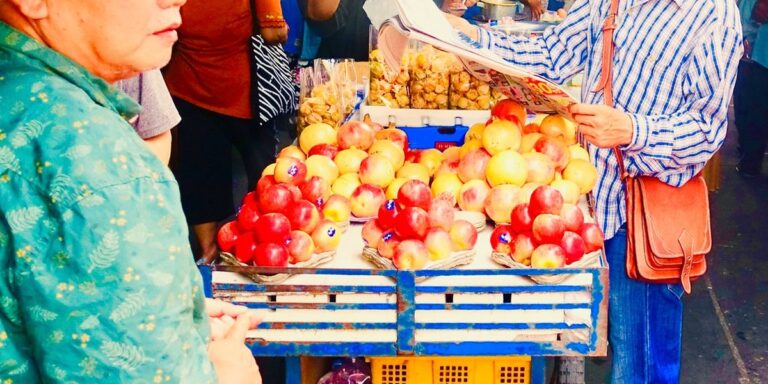
São Tomé and Príncipe is a pair of islands where simple greetings and a few local words make connections easier — from market stalls to beachside cafés and small guesthouses. Picking up phrases used by residents helps with directions, ordering food, and showing respect for local culture.
There are 20 Useful Phrases for Tourists in São Tomé and Príncipe, ranging from Bathroom to You’re welcome; for each you’ll see these fields: Phrase in Portuguese or Forro as used locally,Pronunciation,English translation,When to use — practical pronunciation tips and context are included, and you’ll find below.
How can I practice pronunciation before I go?
Use short audio clips and repeat aloud, phrase by phrase; record yourself and compare, and practice in context (ordering food, asking directions). Focus on rhythm more than perfect accent — locals appreciate the effort.
Should I use Portuguese or try Forro phrases?
Portuguese is the official language and understood widely, but Forro and local expressions are common in daily conversation. Learn basic Portuguese greetings and a few Forro words to show respect — it often opens friendlier interactions.
Useful Phrases for Tourists in São Tomé and Príncipe
| Phrase | Phrase in Portuguese or Forro as used locally | Pronunciation | English translation | When to use |
|---|---|---|---|---|
| Hello | Olá | oh-LAH | Hello | General greeting |
| Good morning | Bom dia | bohm JEE-ah | Good morning | Morning greeting |
| Good evening/night | Boa noite | BOH-ah NOY-tch | Good evening/night | Evening greeting or goodbye |
| Please | Por favor | por fah-VOR | Please | Polite requests |
| Thank you | Obrigado / Obrigada | oh-bree-GAH-doo / oh-bree-GAH-dah | Thank you | Express gratitude |
| You’re welcome | De nada | dee NAH-dah | You’re welcome | After someone thanks you |
| Excuse me / Sorry | Com licença / Desculpe | kohm lee-SEN-sah / des-KOOL-pay | Excuse me / Sorry | Getting attention or apologizing |
| Do you speak English? | Você fala inglês? | vo-SEH FAH-lah een-GLESH? | Do you speak English? | Ask when language help needed |
| I don’t understand | Não entendo | now en-TEN-doo | I don’t understand | When you can’t follow conversation |
| Can you help me? | Pode ajudar-me? | POH-deh ah-zhoo-DAHR me? | Can you help me? | Need assistance or directions |
| How much is it? | Quanto custa? | KWAN-too KOOS-tah? | How much is it? | Asking price for goods/services |
| Where is …? | Onde fica …? | ON-deh FEE-kah …? | Where is …? | Ask for directions to places |
| Left / Right / Straight | Esquerda / Direita / Em frente | esh-KEHR-dah / day-RAY-tah / em FREN-chee | Left / Right / Straight | Giving/receiving simple directions |
| Bathroom | Casa de banho / Sanita | KAH-zah deh BAH-nyoo / sah-NEE-tah | Bathroom / Toilet | Finding restrooms |
| I would like … | Eu gostaria de … | eh-oo goh-stah-REE-ah dee … | I would like … | Ordering food or requesting items |
| Menu, please | O menu, por favor | oo MEH-noo por fah-VOR | Menu, please | At a restaurant ordering |
| Bill, please | A conta, por favor | ah KON-tah por fah-VOR | The bill, please | When ready to pay at restaurants |
| Taxi / Bus stop | Táxi / Paragem de autocarro | TAHK-see / pah-RAH-zhem deh ow-toh-KAH-roo | Taxi / Bus stop | Asking about transport locations |
| I’m lost | Estou perdido / Estou perdida | es-TOH per-DEE-doo / per-DEE-dah | I’m lost | When you need directions urgently |
| Emergency — Call police/ambulance | Emergência — Chame a polícia / Ambulância | eh-mehr-ZHEN-see-ah — SHAH-mee ah poh-LEE-see-ah / ahm-boo-LAHN-see-ah | Emergency — Call police/ambulance | In medical or safety emergencies |
Descriptions
Hello
A friendly, universal greeting used when meeting people, shopkeepers, or drivers. Use with a smile; it’s polite and widely understood across São Tomé and Príncipe. Starting with ‘Olá’ opens conversations pleasantly.
Good morning
Use to greet people before midday at hotels, markets, or on the street. Showing time-appropriate politeness is appreciated; locals commonly respond with the same phrase and often a friendly nod or handshake.
Good evening/night
Said in the evening as a greeting or when leaving after dark. Using ‘Boa noite’ signals respect and is common in restaurants, bars, and nighttime encounters; it’s polite to use when entering or departing.
Please
A must-have phrase when asking for help, ordering food, or bargaining. Saying ‘por favor’ softens requests and shows courtesy; São Toméans appreciate politeness and will respond more warmly when you use it.
Thank you
Expresses thanks after service, directions, or a meal. Men say ‘obrigado’ and women ‘obrigada’; using the right form is polite and locals will appreciate the effort. It’s commonly said with a smile.
You’re welcome
A simple reply to ‘thank you’ that keeps interactions friendly and casual. ‘De nada’ is widely used; another courteous option is ‘com prazer’ meaning ‘with pleasure’ for more emphasis in formal settings.
Excuse me / Sorry
Use ‘com licença’ to politely pass by people or ask for space; ‘desculpe’ is for apologies or minor mistakes. Both show respect in crowded markets, buses, or when bumping into someone.
Do you speak English?
An essential question for travelers seeking assistance. Many younger people or tourism workers may answer yes; if not, try simple Portuguese or ask for someone who speaks English in shops.
I don’t understand
Polite way to signal confusion and invite the other person to speak slower or repeat. You can add ‘mais devagar’ to request slower speech; locals appreciate the honesty and effort to communicate.
Can you help me?
Use when you require help with directions, transport, or an issue. It’s polite to address people formally; adding ‘por favor’ increases politeness and locals are usually willing to assist with a smile.
How much is it?
A direct, polite way to ask prices at markets, shops, or for transport. Haggling may be common in some places — start with a friendly tone and use ‘por favor’ to keep it courteous.
Where is …?
Add the landmark or address after the phrase to find hotels, the market, or beaches. Locals often give simple directions or point; asking clearly and politely yields best results in São Tomé.
Left / Right / Straight
Basic directional words useful when following maps or listening to drivers and guides. Use them with gestures to avoid confusion; pronunciations may vary slightly with accents across islands and communities.
Bathroom
Ask for ‘casa de banho’ in more formal places or ‘sanita’ in casual speech. In small towns, public restrooms can be scarce; offering small change for use is common and appreciated.
I would like …
A polite way to order food, request a tour, or ask for something. Softens requests and is well received in restaurants and shops; follow with the item name or dish in Portuguese when possible.
Menu, please
Use this to request a menu in cafes or restaurants; some local spots may have limited printed menus. Pointing or asking about daily dishes (‘prato do dia’) is also common.
Bill, please
Ask for ‘a conta’ when finished eating. Many small venues accept cash only; it’s polite to thank staff when leaving and check prices before asking, as service may be informal.
Taxi / Bus stop
Useful terms when hailing transport or finding stops. In São Tomé drivers may not always have meters, so confirm price beforehand; buses can be informal, so ask locals for schedules.
I’m lost
Say this if you can’t find your hotel or a landmark; locals are usually helpful and may escort you partway. Gendered endings should match your speaker identity; say politely and include ‘por favor’.
Emergency — Call police/ambulance
Key phrase in urgent situations; also learn local emergency numbers. Speak clearly, give location, and ask a bystander to help translate if needed. Staying calm helps locals assist you faster.