On an average January day, Phoenix reaches 68 F. Flagstaff, about 145 miles north by road and nearly 6,000 feet higher, tops out at 43 F and drops to 18 F overnight. That gap decides what to pack for Arizona, because one state holds a winter-sun resort trip, a snow trip and a canyon road trip, often inside one week.
This guide sorts the list by the kind of trip you are taking, then by month.
What to pack for Arizona: five trips, five different bags
Most visitors fit one of these trips, or stitch two of them together with a drive up Interstate 17.
| Your trip | Where you spend most nights | The item that changes the bag |
|---|---|---|
| Winter sun, golf, spa or spring training | Phoenix, Scottsdale, Tucson | A sweater for 45 F evenings, not a coat |
| Family road trip to the canyons | Flagstaff, Williams, Page, the South Rim | A warm jacket for the rim plus a bag-free kit for Antelope Canyon |
| Hiking trip | Sedona, Tucson, Phoenix trailheads | Grippy trail shoes and 3 liters of water capacity |
| Summer trip, June to September | Phoenix resorts, then the high country | Sun clothing for 107 F plus a rain shell for monsoon storms |
| Snow trip | Flagstaff and Arizona Snowbowl | Insulated layers and traction for the drive |
Whatever the trip, the same core comes along: a 1-liter-plus water bottle, a brimmed hat, SPF for lips and face, a long-sleeve sun layer and one warm layer for nights. The desert loses 20 to 30 degrees between afternoon and dawn, so the warm layer earns its space even in May.
The core bag for every Arizona trip
These items go in no matter which row you picked above. They answer the two facts every part of the state shares: hard sun and big temperature swings.
Water you can carry all day. The National Weather Service office in Phoenix tells people working or hiking in the heat to drink 1 to 2 liters per hour, and a parked car in summer gets far hotter than the air outside. An insulated bottle keeps water drinkable after an hour on the dashboard. For days with long drives between towns, a rolled-up soft bottle doubles your capacity without taking space.
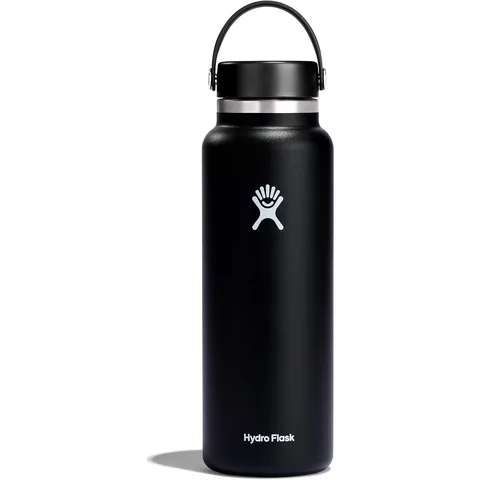
Hydro Flask 40 ozMid-range
Phoenix hikers are told to drink a liter an hour; a 40 oz insulated bottle stays cold in a 110F parked car.
- Double-wall vacuum insulation keeps drinks cold up to 24 hours
- Wide mouth with leakproof flex cap and carry handle
A long sleeve for sun, not warmth. Sedona trails, the Horseshoe Bend path and most of southern Arizona have little shade. A vented, light-colored long-sleeve shirt with a UPF rating covers your arms and dries in minutes after a sweaty climb. Locals in Phoenix wear them to hike in March, not just July.
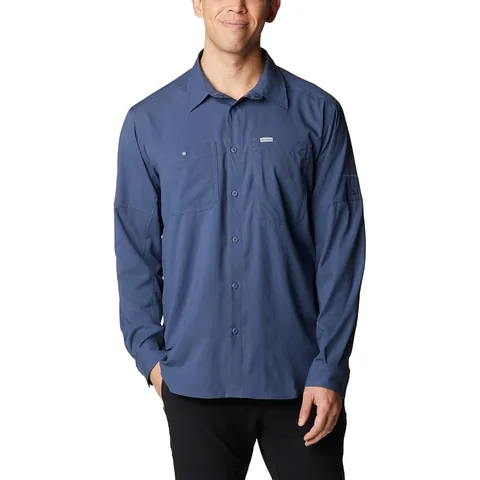
Columbia Silver Ridge shirtMid-range
Sedona, Page and the Horseshoe Bend path have almost no shade; a vented long sleeve covers arms without cooking you.
- Omni-Shade UPF sun protection and Omni-Wick moisture wicking
- Mesh-lined back vents and antimicrobial treatment for warm weather
A hat with real coverage. A baseball cap leaves your ears and neck exposed for a 3-hour hike. A wide brim or a cap with a neck cape covers both. Pick one with a chin cord: the wind at canyon overlooks takes loose hats over the edge.
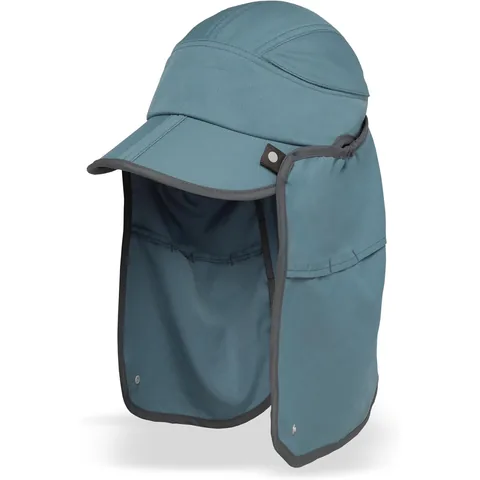
Sunday Afternoons Sun Guide CapMid-range
Strong UV at Flagstaff and Grand Canyon altitude and zero shade at Horseshoe Bend; the neck cape shades the back of your neck.
- UPF 50+ with 3 in brim and removable 10 1/4 in neck cape
- Stretch sizing, moisture-wicking sweatband, convertible vents
Sun care small enough for a pocket. Arizona’s sun is intense at every elevation, and at 7,000 feet in Flagstaff the UV is stronger than in Phoenix even when the air is cold. A face stick and SPF lip balm reapply in seconds without opening a bag.
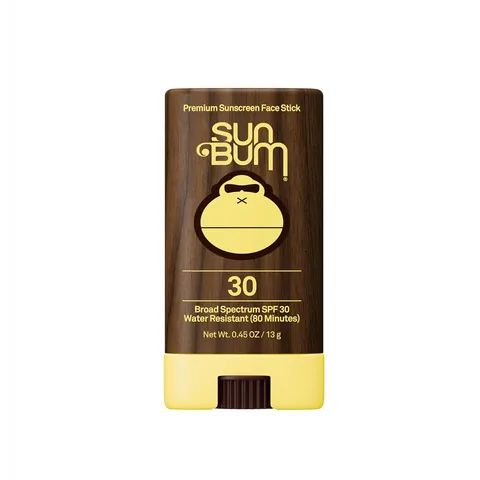 Sun Bum SPF 30 face stickBudgetCheck price on Amazon
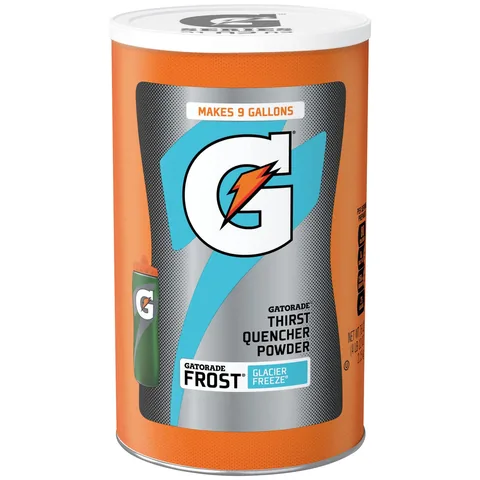 Gatorade powder tubBudgetCheck price on Amazon
One warm layer. Desert air holds little heat. In Phoenix, January nights average 46 F, and in Sedona they average 34 F. A packable puffer jacket stuffs into its own pocket for the hot hours and covers the sunrise and after-dinner hours.
Packing for a winter sun trip to Phoenix, Scottsdale or Tucson
This is the trip most people mean when they say Arizona in winter: resort pools, golf, spas, the Cactus League and the big January and February events. From December to February, Phoenix highs sit between 66 F and 71 F, and lows sit between 45 F and 49 F. Tucson runs a degree or two cooler.
Clothes. Pack for two climates in one day. Daytime is shorts or light trousers and a T-shirt. After sunset, people wear jeans, a sweater or a light jacket and closed shoes. Restaurant dress in Scottsdale is resort casual: a collared shirt or a nice top with clean jeans fits almost everywhere. A heavy winter coat is dead weight in the low desert.
Pool time. Scottsdale and Phoenix resorts heat their pools through the winter, but a February dawn sits near 49 F. Bring a cover-up with sleeves for the walk back to the room.
Golf and spring training. Fairways and ballpark bleachers have no shade, so a brimmed hat and SPF matter as much in February as in May. The Cactus League runs from late February to late March in 10 ballparks across the Phoenix area, and bag rules differ between parks. Some allow only small clutches, others clear bags only. Check the home team’s ballpark page before you bring a backpack.
Events that change the bag. The Tucson Gem, Mineral and Fossil Showcase (late January to mid-February) spreads across dozens of sites, many of them tents and parking lots. Mornings start in the 40s and afternoons reach the 70s. The WM Phoenix Open in early February and the Barrett-Jackson auction in late January are long days on your feet outdoors, so pack your most comfortable walking shoes for them.
I spent four days at the Tucson gem shows in February 2020. At 8 a.m. in a parking-lot tent it was 41 F and I wore gloves. By 2 p.m. it was 72 F and the gloves, a fleece and a scarf rode in a tote bag that was also carrying the minerals I had bought.
Night lights. Phoenix Zoo’s ZooLights and the Desert Botanical Garden’s Las Noches de las Luminarias run through December. Desert evenings fall into the 40s and 50s, and you will stand still for long stretches, so pack a light jacket over the sweater.
Packing for a family road trip to the Grand Canyon, Sedona and Page
The classic Arizona loop goes Phoenix, Sedona, Flagstaff, the Grand Canyon’s South Rim, Page and back, often with Monument Valley added. It climbs from 1,100 feet to 7,000 and back. The packing problem is that the car carries everyone’s clothes for three climates while each stop has its own rules.
Layers for the climb. On a spring or fall loop, plan for a 90 F afternoon in Phoenix and a 30 F sunrise at the rim two days later. Give every family member a packable warm jacket, a hat and light gloves from October to April. For the canyon itself, including winter traction and water rules on the trails, see what to pack for the Grand Canyon.
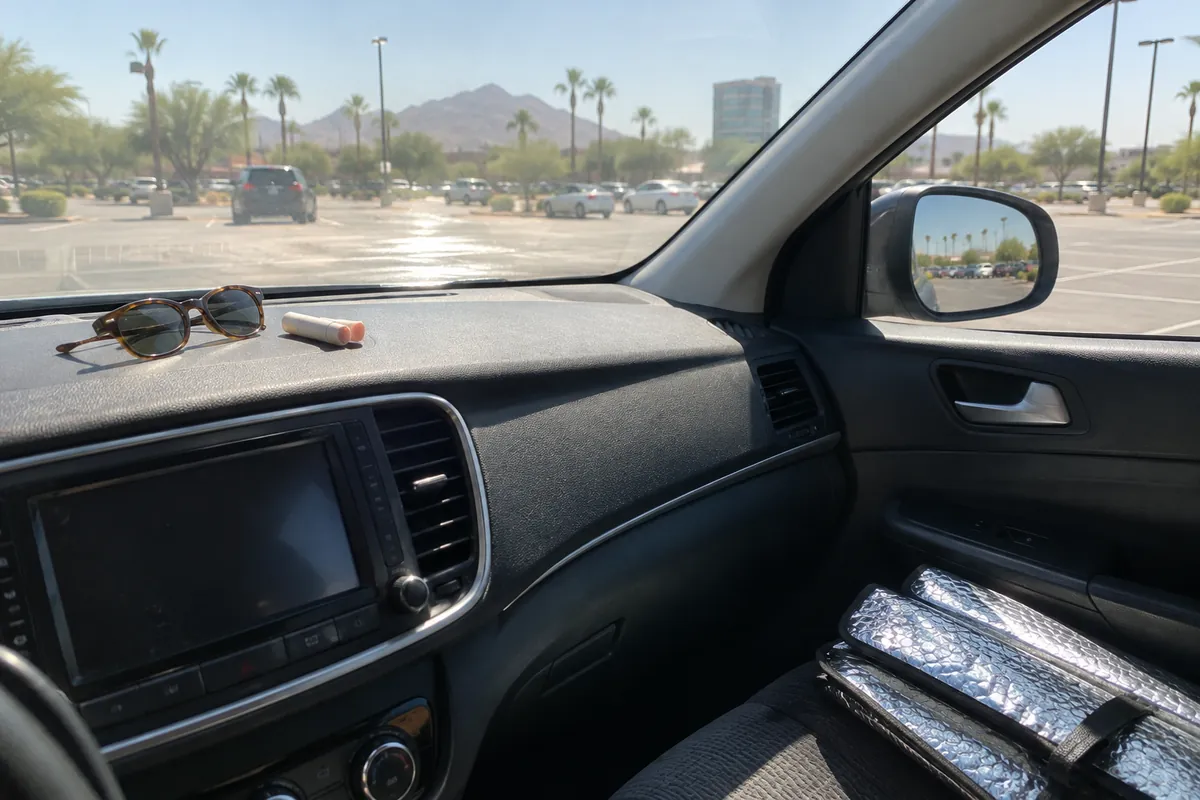
A hot-car kit. The Arizona Department of Health Services counts heat among the state’s deadliest hazards, with thousands of heat-related ER visits a year, and a parked car heats far beyond the air outside. Never leave a child, a pet or medication in a parked car, even for a short stop. Keep sunglasses, sunscreen, phone and chargers out of the dashboard sun, or put them in the glovebox or a cooler. A windshield sunshade and a small cooler of water make the long stretches on US 89 and US 160 easier.
I learned this in a Tempe parking lot in June 2013, after a 40-minute lunch. My lip balm had turned to liquid in its tube, and the metal frames of my sunglasses were too hot to put on.
Antelope Canyon allows almost nothing. The Navajo Nation requires a Navajo guide for every Antelope Canyon visit, and the tour operators set the bag rules. Ken’s Tours, which runs Lower Antelope, bans bags, backpacks and purses, and other operators ban fanny packs as well. Plan to carry only a phone or small handheld camera, one water bottle and any medication. Wear clothes with deep pockets and closed shoes for the sand. Leave the backpack locked in the car, out of sight.
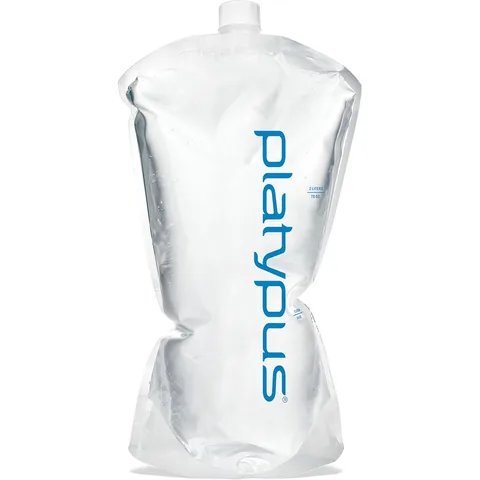
Platypus Platy 2LBudget
Antelope Canyon tours allow no bags; this rolls into a pocket and fills at the car for long Navajo-land drives.
- Weighs 1.3 oz and collapses into a pocket when empty
- BPA-free, stable base, screw top; works with Platypus filters
Horseshoe Bend has no shade. The path is 1.5 miles round trip, with two shade structures on the way and none at the overlook, plus no water or toilets. The parking lot belongs to the City of Page, so national park passes do not cover it. Go at sunrise in summer, and carry water for everyone.
Monument Valley is dusty and dry. The 17-mile Valley Drive is a dirt road, and the dust comes through car vents and open windows. A neck gaiter over the nose helps on the drive and doubles as sun cover. Alcohol is banned on the Navajo Nation, so leave the cooler of beer in Page. Ask before you photograph Navajo people, and buy a permit at the visitor center for anything beyond personal photos.
Watch the clocks. Arizona stays on Mountain Standard Time all year, but the Navajo Nation observes daylight saving time. From March to early November, Monument Valley runs an hour ahead of Page and the Grand Canyon. Confirm which time your Antelope Canyon tour uses.
Packing for a hiking trip to Sedona, Tucson and the Phoenix preserves
Arizona hiking means rock, heat and spines. Sedona trails such as Cathedral Rock and Devil’s Bridge cross smooth sandstone slickrock with steep pitches. Camelback Mountain and Piestewa Peak in Phoenix are loose granite scree. Around Tucson, Sabino Canyon and Saguaro National Park have cholla and prickly pear on both sides of the trail.
Shoes with grip. Slickrock is grippy when dry and slick under loose sand. Trail runners or light hiking shoes with sticky rubber handle it better than sneakers, and they breathe better than leather boots in the heat. Heavy waterproof boots are only worth it for the snowy months up north.
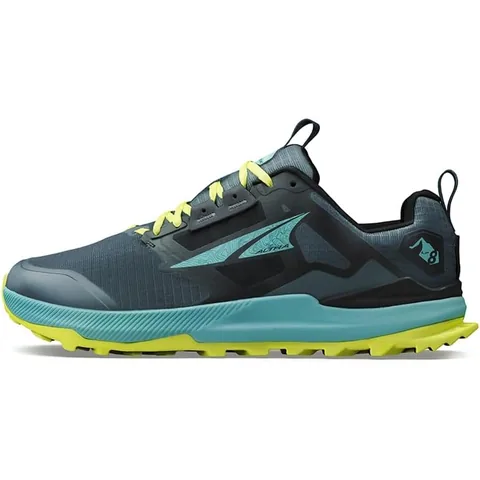
Altra Lone Peak 8Premium
Sedona slickrock, Camelback scree and desert trails need grip and a roomy toe box; they also vent well in the heat.
- Zero-drop platform with wide toe box and 25 mm stack
- EGO midsole cushioning; about 11 oz per shoe
Low gaiters for the red dust. Sedona’s red soil gets into everything. It stains white socks and fills low shoes on the downhill. A pair of low gaiters keeps your socks clean, and they help in Antelope Canyon’s deep sand too.
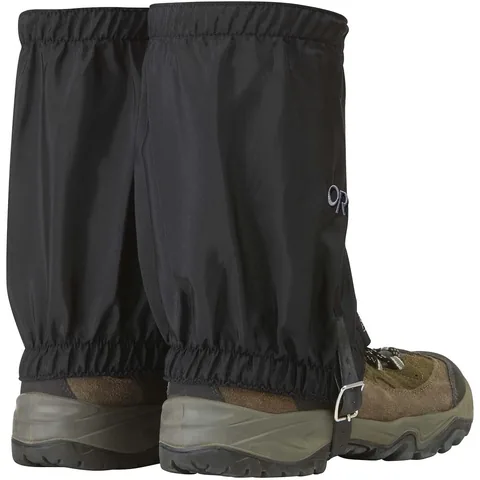
OR Rocky Mountain Low GaitersMid-range
Red dust, Sedona gravel and Antelope Canyon sand fill low shoes; these keep it out of your socks.
- Water-resistant, breathable, abrasion-resistant pack cloth
- Hypalon instep strap; low-top design for trail shoes
Water in liters, not bottles. The NWS figure of 1 to 2 liters per hour applies on the trail. A 3-hour Sedona loop in May needs 3 liters per person, which is more than any single bottle. Carry the insulated bottle and a soft bottle, or a hydration pack. Mix in electrolytes for longer hikes: sweat carries salt out, and plain water alone does not replace it.
Start in the dark. From May to September, the safe hiking window in the low desert closes by mid-morning. On extreme heat days, the City of Phoenix closes the Echo Canyon and Cholla trails on Camelback, the Piestewa Peak Summit Trail and several South Mountain trails from 9 a.m. to 5 p.m. A headlamp lets you start at 5 a.m. and finish before the closures.
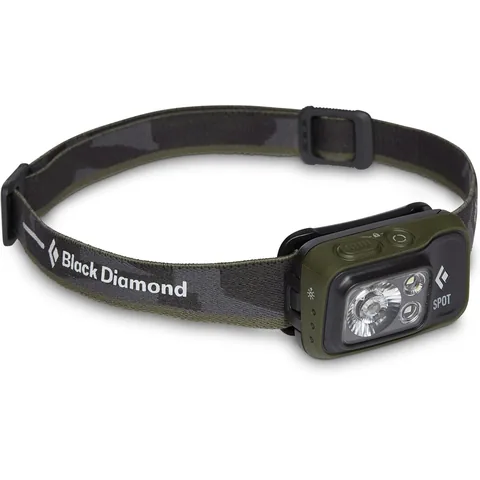
Black Diamond Spot 400Mid-range
Summer hikes in Phoenix and the Grand Canyon start before dawn to beat the heat, and Antelope trails and rim paths are dark.
- Up to 400 lumens, dimmable, AAA powered
- Waterproof, rugged housing
Tweezers for spines. Cholla segments break off at a touch and cling to shoes, socks and calves. Hikers in Tucson carry fine-tip tweezers and a comb to flick the segments away. Do not pull them with your fingers.
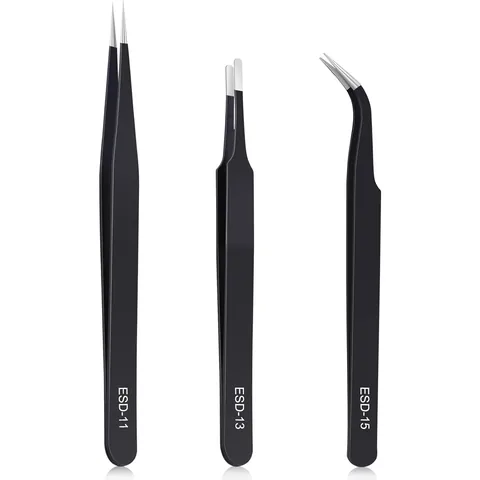
Kaverme precision tweezersBudget
Cholla and prickly pear spines on desert trails are hard to pull with fingers; a fine-tip pair weighs nothing.
- Set of 3: straight, curved and flat tips
- High-strength stainless steel with protective tube
Passes and parking. Some Sedona trailheads need a daily Red Rock Pass in the car window, which you can buy at kiosks and visitor centers. The free Sedona Shuttle serves Cathedral Rock, Soldiers Pass and other busy trailheads, and you need no pass if you ride it. Saguaro National Park charges a vehicle entrance fee and bans drones.
On Reddit, the r/arizona threads on hiking clothes repeat the same two tips: carry more water than you expect, with electrolyte powder, and wear synthetic layers that dry faster than cotton. Locals also point out that the UV at 5,000 to 7,000 feet surprises visitors who only planned for Phoenix.
Packing for Arizona in summer, June to September
Phoenix averages 21 days a year at 110 F or above, almost all of them between mid-June and late August. The high country is at its best, with July highs of 82 F in Flagstaff. Summer packing covers two separate threats, heat and the monsoon.
Heat. Pack the lightest, loosest, lightest-colored clothes you own. Linen, thin synthetics and sun shirts beat cotton T-shirts, which stay wet with sweat. A wet cooling towel around the neck makes a pool-to-car walk or a queue in the sun bearable. Plan everything outdoors before 10 a.m. or after sunset.
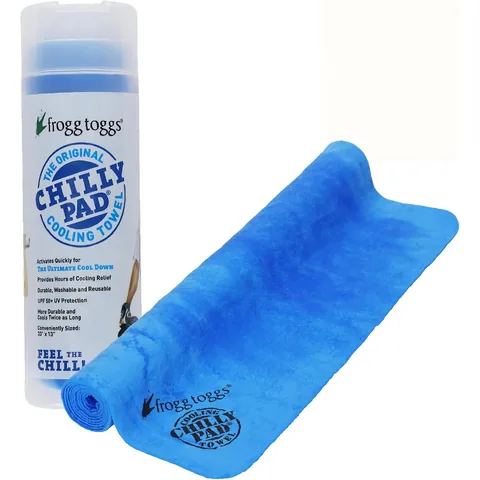
Chilly Pad cooling towelBudget
Phoenix summer highs reach 105-107F; a wet towel on the neck takes the edge off on a short trail or a hot queue.
- Hyper-evaporative fabric activates when wet and wrung out
- Absorbs up to 8 times its weight in water
The monsoon. Arizona’s monsoon season runs officially from June 15 to September 30, and storms usually reach northern Arizona in the first week of July. In Flagstaff, July and August average 12 to 13 rain days each, almost all of them afternoon thunderstorms. A pocket-size rain shell or rain suit weighs almost nothing and keeps you dry on a rim walk or a Sedona trail when a storm arrives at 2 p.m.
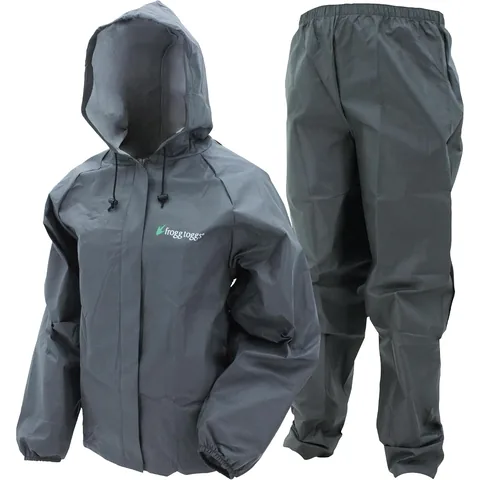
Frogg Toggs Ultra-Lite2 rain suitBudget
July-September monsoon storms hit northern Arizona on 12 or 13 afternoons a month; a pocket-size suit weighs almost nothing on a trail.
- Waterproof, wind-resistant, extremely lightweight non-woven fabric
- Hooded jacket with storm flap plus pants; stuff sack included
Flash floods and slot canyons. Rain miles away can send a flood through a dry wash or slot canyon under clear sky. Operators cancel Antelope Canyon tours when storms threaten, so keep a backup plan for the day. Never drive into a flooded dip: under Arizona’s “Stupid Motorist Law”, drivers who go around barricades and need rescue can be billed for it.
Dust storms. Monsoon thunderstorms push walls of dust, called haboobs, across the desert, mostly between Tucson and Phoenix. If you meet one on the road, pull off the pavement as far as possible, turn off all lights, set the parking brake and keep your foot off the brake pedal.
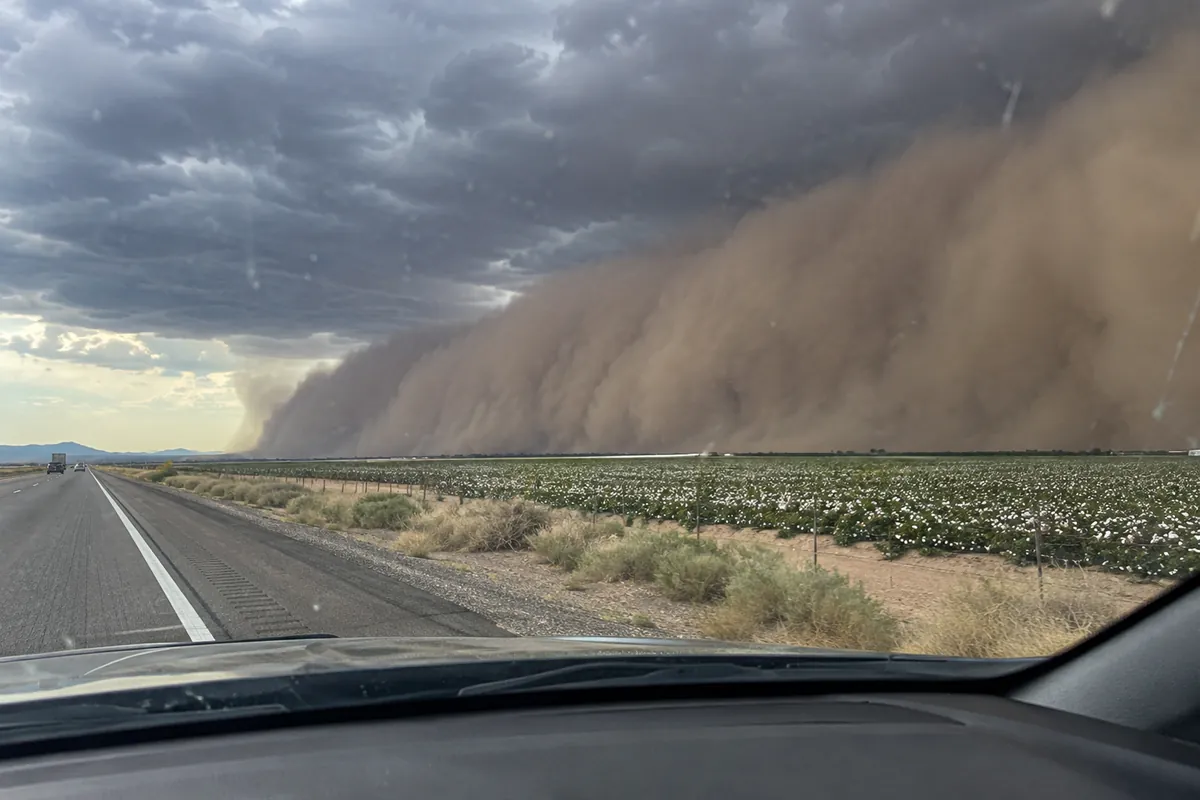
In August 2014 I met one on Interstate 10 near Picacho Peak. I sat off the shoulder with the lights off for 20 minutes, and a week later I was still shaking fine grit out of my suitcase zipper.
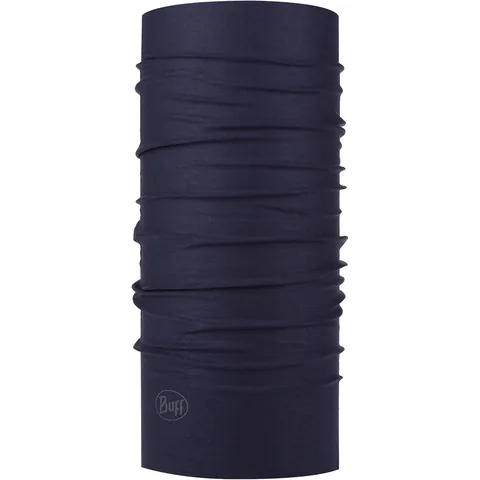
Buff Original EcoStretchBudget
Monsoon haboobs and dusty Monument Valley roads: pull it over nose and mouth, or use it as sun cover for your neck.
- UPF 50 sun protection; 12 ways to wear
- 95% recycled microfiber, quick-drying, one size fits most
Cool clothes for the evening, warm ones for the rim. Summer nights in Phoenix stay in the 80s, but the South Rim drops to the high 30s and 40s after dark. A summer trip that includes the high country needs a fleece or puffer in the bag.
Packing for a snow trip to Flagstaff and Arizona Snowbowl
Flagstaff gets real winter. Its January low averages 18 F, and snow is likely from November to April. Arizona Snowbowl, 14 miles north of town, plans to open for the 2026-27 season on November 20, 2026.
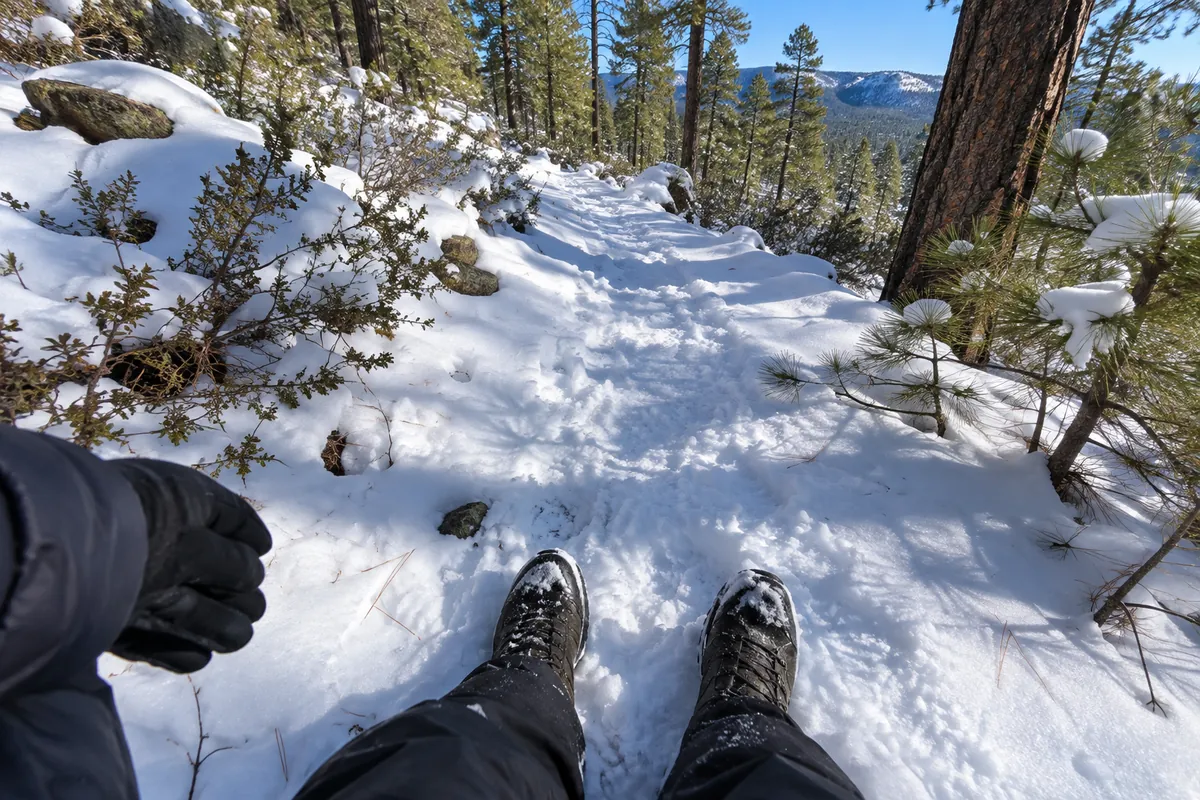
Ski and snow-play clothes. Snowbowl’s lifts climb above 11,000 feet on the San Francisco Peaks, where wind makes the summit far colder than town. Pack a waterproof shell, insulated layers, ski socks, gloves, a warm hat and goggles. Rentals are available at Snowbowl and in Flagstaff if you are flying in.
A winter driving kit. Interstate 17 and Interstate 40 around Flagstaff close or slow during storms; check az511.gov before you leave. Keep a warm jacket, gloves, water and snacks in the car, not in the trunk. Arizona law allows tire chains when needed on snow or ice. On storm days, wait it out in Flagstaff instead of driving.
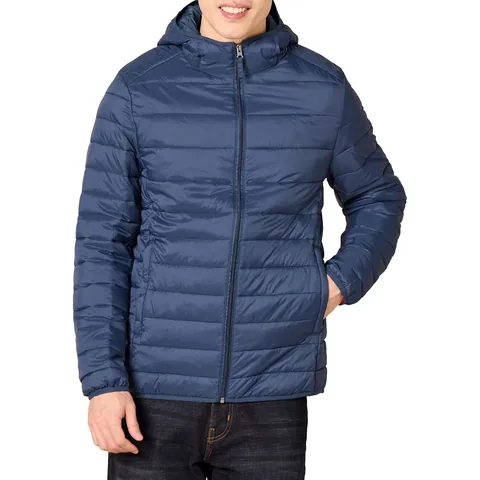
Amazon Essentials packable pufferMid-range
Rim nights and Flagstaff mornings sit near freezing from fall through spring; it packs small for the warm desert legs.
- Water-resistant nylon shell, insulated and fully lined
- Packs into its own carrying bag; zippered hand pockets, hood
Two climates in one day. A ski morning at Snowbowl and an afternoon in Sedona’s 58 F sun are only an hour apart by road. Wear removable layers and leave the shell in the car when you reach Oak Creek Canyon.
Arizona weather by month
The table below shows Phoenix, where most trips start. For the canyons and Flagstaff, plan for highs and lows 25 to 30 degrees colder.
| Month | High °F / °C | Low °F / °C | Rain days | What to wear |
|---|---|---|---|---|
| Jan | 68 / 20 | 46 / 8 | 4 | Light jacket for evenings; jeans, long sleeves |
| Feb | 71 / 22 | 49 / 9 | 4 | Light layers; sweater after sunset |
| Mar | 78 / 26 | 55 / 13 | 3 | T-shirt and shorts by day, light layer at night |
| Apr | 86 / 30 | 61 / 16 | 2 | Breathable shorts; hat, sunscreen |
| May | 95 / 35 | 70 / 21 | 1 | Loose light clothes, hat; start hikes at dawn |
| Jun | 104 / 40 | 79 / 26 | 1 | Lightest fabrics, hat; hot, stay in shade |
| Jul | 107 / 42 | 85 / 29 | 4 | Lightest fabrics; monsoon storms, dry-fast gear |
| Aug | 105 / 41 | 84 / 29 | 5 | Lightest fabrics; humid, storms, no midday hikes |
| Sep | 100 / 38 | 78 / 26 | 3 | Light, breathable; still 100F early on |
| Oct | 89 / 32 | 66 / 19 | 2 | Shorts by day, light jacket at night |
| Nov | 77 / 25 | 54 / 12 | 2 | Jeans and a light jacket; mild days |
| Dec | 66 / 19 | 45 / 7 | 4 | Sweater or fleece for nights; sunny days |
| Month | Phoenix high / low | Tucson high / low | Sedona high / low | Flagstaff high / low |
|---|---|---|---|---|
| Jan | 68 F, 46 F | 67 F, 41 F | 58 F, 34 F | 43 F, 18 F |
| Feb | 71 F, 49 F | 69 F, 43 F | 61 F, 36 F | 46 F, 20 F |
| Mar | 78 F, 55 F | 76 F, 48 F | 68 F, 40 F | 52 F, 24 F |
| Apr | 86 F, 61 F | 83 F, 53 F | 75 F, 44 F | 59 F, 28 F |
| May | 95 F, 70 F | 92 F, 62 F | 84 F, 53 F | 68 F, 35 F |
| Jun | 104 F, 79 F | 101 F, 71 F | 94 F, 61 F | 79 F, 43 F |
| Jul | 107 F, 85 F | 100 F, 76 F | 97 F, 68 F | 82 F, 51 F |
| Aug | 105 F, 84 F | 99 F, 75 F | 94 F, 67 F | 79 F, 51 F |
| Sep | 100 F, 78 F | 95 F, 70 F | 89 F, 61 F | 74 F, 43 F |
| Oct | 89 F, 66 F | 86 F, 59 F | 79 F, 51 F | 64 F, 32 F |
| Nov | 77 F, 54 F | 75 F, 48 F | 67 F, 41 F | 52 F, 23 F |
| Dec | 66 F, 45 F | 66 F, 41 F | 58 F, 33 F | 43 F, 17 F |
NOAA 1991-2020 climate normals. Phoenix Sky Harbor sits at 1,106 feet, Tucson at about 2,500 feet, Sedona at about 4,300 feet and Flagstaff Pulliam Airport at 7,001 feet.
What to pack for Arizona in each month
What to wear in Arizona depends on the month and the elevation more than on the city. Pick your month, then add the items from the trip section above.
Packing for Arizona in January
Phoenix is mild and sunny, around 68 F by day, while Flagstaff sits in deep winter at 43 F with snow on the ground. For the low desert, bring jeans, T-shirts, a sweater and a light jacket for nights in the mid-40s. For Flagstaff or the rim, pack an insulated coat, a hat, gloves and waterproof boots. The Barrett-Jackson auction and the start of the Tucson gem shows draw crowds in the second half of the month.
Packing for Arizona in February
February is peak season in the desert cities. Phoenix climbs to 71 F, the WM Phoenix Open fills Scottsdale and the Cactus League opens late in the month. Bring sun gear for long days outside, plus a sweater for 49 F evenings. Sedona’s 61 F afternoons and 36 F mornings call for a fleece. Snow is still common in Flagstaff, so a warm coat stays on the list for any northern leg.
Packing for Arizona in March
March is spring training and spring break, and Phoenix reaches 78 F. Shorts and T-shirts work by day in the desert, with a light layer after dark. This is the best month for Phoenix and Tucson hiking, and also the busiest, so start early for parking. Flagstaff still averages 24 F at night and can get late snow, so a road trip north needs a warm jacket and gloves. The Heard Museum Indian Fair and Market takes place in early March, in outdoor courtyards with little shade.
Packing for Arizona in April
The desert is at 86 F and flowering, and the rain has almost stopped: Phoenix averages two rain days. Pack breathable shorts, a sun hat and sunscreen for daytime, plus one layer for 61 F nights. Sedona highs average 75 F. The South Rim and Flagstaff move from snow to mud, with 59 F afternoons and freezing mornings, so a fleece and a shell cover the northern stops.
Packing for Arizona in May
May is the hinge month. Phoenix averages 95 F and usually sees its first 100 F day in early May. Hike at dawn and treat the low desert as a summer destination: loose, light clothes, a wide hat, electrolytes and a cooling towel. Flagstaff reaches 68 F, though nights there still fall to 35 F. Bring both a sun shirt and a warm jacket.
Packing for Arizona in June
June is the driest and one of the hottest months. Phoenix averages 104 F with almost no rain, and the first 110 F day usually arrives around June 11. Pack the lightest clothes you own, a sun hat and an insulated bottle, and plan outdoor time before 10 a.m. Flagstaff and the rim are dry and sunny, around 79 F by day and 43 F at night, so a fleece still goes in for sunrise.
Packing for Arizona in July
July brings the peak of the heat and the monsoon together. Phoenix highs average 107 F and lows stay at 85 F, so evenings bring no relief. Afternoon storms start in the north in the first week of July. Bring sun clothing and a cooling towel for the desert. For Sedona, Flagstaff and the canyons, add a pocket rain shell and dry shoes, and plan hikes to finish before midday storms.
Packing for Arizona in August
August is the wettest month in Flagstaff, at 13 rain days and about 3 inches of rain. Phoenix sits at 105 F and feels more humid than June. The packing list matches July’s, plus a neck gaiter for dust storms on the drive between Phoenix and Tucson. Pack quick-dry clothes, because cotton stays damp after a storm in the high country.
Packing for Arizona in September
Phoenix still averages 100 F in September, and 100-degree days continue into early October. The monsoon fades as the month goes on. Pack summer clothes for the desert. Up north, Flagstaff is at 74 F by day and 43 F at night, the crowds thin and Oak Creek Canyon begins to turn color late in the month, so a fleece and a light rain jacket cover it.
Packing for Arizona in October
In October, Phoenix drops to 89 F, with 66 F nights, and Sedona is at 79 F. The Arizona State Fair runs in Phoenix through the month. Flagstaff’s aspens peak in early to mid-October, but nights there reach freezing, so pack a warm jacket, a hat and gloves for any northern stop. Hiking season reopens in the desert.
Packing for Arizona in November
The low desert reaches the mild winter pattern: 77 F days and 54 F nights in Phoenix, with jeans and a light jacket the norm. Oak Creek Canyon’s fall color peaks into November. Flagstaff falls to 52 F highs and 23 F lows, snow is possible and Snowbowl plans to open on November 20. Daylight saving time ends on the Navajo Nation in early November, so Monument Valley returns to the same clock as the rest of the state.
Packing for Arizona in December
Phoenix is at its coolest, 66 F days and 45 F nights. For holiday light events at the zoo and the botanical garden, bring a proper jacket and layers. Snow is likely in Flagstaff and at the South Rim, where nights fall to 17 F. For a white-Christmas trip north, pack winter boots, gloves and an insulated coat, and keep extra warm clothes in the car on Interstate 17.
The full Arizona packing list
This packing list for Arizona covers a trip through both the desert and the high country. Delete the rows that do not fit your trip.
Clothes
- Long-sleeve UPF sun shirt for trails with no shade
- Shorts and light T-shirts
- Jeans or light trousers for evenings
- Sweater or fleece desert nights drop 25 to 30 F
- Packable puffer jacket Flagstaff, the rims, winter nights
- Pocket rain shell (July to September) monsoon storms
- Swimsuit and cover-up
- Resort-casual outfit for dinner
- Insulated coat, hat and gloves (snow trips only)
Footwear
- Trail runners or light hiking shoes slickrock and scree
- Low gaiters red dust and canyon sand
- Closed walking shoes for events and Antelope Canyon
- Sandals for the pool
- Waterproof winter boots (Flagstaff, November to April)
Sun and heat
Water and health
- Insulated bottle, 1 liter or more
- Soft collapsible bottle Antelope Canyon, long drives
- Electrolyte powder
- Fine-tip tweezers and a small comb cholla spines
- Prescription medication in your carry-on
Car and gear
- Windshield sunshade
- Small cooler for water
- Car phone charger and offline maps
- Headlamp for pre-dawn hikes
- Light daypack (left in the car at Antelope Canyon)
Documents
- REAL ID or passport for domestic flights
- National park annual pass, if you have one
- Antelope Canyon booking and photo ID
- Plugs
- Type A and B, 120 V, 60 Hz (standard US outlets) Source
- Time zone
- Mountain Standard Time all year; the Navajo Nation (Monument Valley, Window Rock) observes daylight saving time Source
- Heat
- Phoenix averages 21 days a year at 110 F or above; NWS advice is 1 to 2 liters of water per hour outdoors Source
- Monsoon
- June 15 to September 30; storms reach northern Arizona in early July Source
- Dust storms
- Pull off the pavement, turn off all lights, set the parking brake Source
- Antelope Canyon
- Navajo guide required; operators ban bags, backpacks and purses Source
- Horseshoe Bend
- 1.5 miles round trip, no water or toilets, no shade at the overlook; City of Page parking fee Source
- Navajo Nation
- Alcohol and drones prohibited in tribal parks; ask before photographing people Source
- Flooded roads
- Drivers who pass barricades and need rescue can be billed (A.R.S. 28-910) Source
Leave these at home
- A heavy coat for Phoenix, Scottsdale or Tucson. Winter highs are in the mid-60s, and Phoenix nights rarely go below 40 F. Only Flagstaff and the canyons need one.
- Drones. They are banned in Grand Canyon National Park, Saguaro National Park, Glen Canyon National Recreation Area (which includes Horseshoe Bend) and all Navajo tribal parks.
- Alcohol on the Navajo Nation and at Havasupai. Both are dry. Possession is banned, not just drinking in public.
- A backpack for Antelope Canyon. It will be refused at check-in, so leave it in the car.
- An umbrella for the desert cities. Phoenix averages 4 to 5 rain days even in its wettest months, and a monsoon storm brings wind that destroys umbrellas. A rain shell works better in the high country.
- Dark, heavy fabrics from May to September. Black and denim absorb heat at 105 F.
Arizona packing questions
Is it cold at the Grand Canyon in the morning?
Yes, for most of the year. The South Rim sits at about 7,000 feet, and the Grand Canyon airport averages lows of 14 F to 25 F from December to April and still 38 F in June. Sunrise viewers stand still on an exposed rim, so a warm jacket, a hat and gloves are worth packing even when Phoenix is hot.
What do people wear in Sedona day to day?
Hiking clothes. Most visitors spend the day on trails in technical shorts or leggings, a sun shirt and trail shoes, then wear the same clothes to lunch. Uptown Sedona restaurants and galleries are casual. Dinner at a resort calls for clean trousers or a sundress and a layer, since Sedona evenings fall to the 30s and 40s outside summer.
Do I need a car to visit Arizona?
For anything outside Phoenix, yes. Valley Metro light rail covers downtown Phoenix, Tempe and Mesa, and shuttles run from Sky Harbor to Sedona and Flagstaff, but Page, Monument Valley, Saguaro National Park and most trailheads have no public transit. A rental car also works as your shade, cooler and spare closet on a multi-climate trip.
Can I wear shorts in Arizona in winter?
In Phoenix, Scottsdale and Tucson, yes, on most afternoons. December to February highs run from 66 F to 71 F, and locals wear shorts to hike and play golf. Change into trousers before sunset, when temperatures fall into the 40s. North of the Mogollon Rim, in Sedona mornings, Flagstaff and the Grand Canyon, shorts are for summer only.