On an average July day Denver reaches 90 F. That same night Grand Lake, at the west gate of Rocky Mountain National Park and 3,300 feet higher, falls to 40 F. One Colorado trip can cover both, often within a two-hour drive, which is why what to pack for Colorado depends less on the calendar than on where you sleep and what you plan to do.
This packing list for Colorado is sorted by activity, with a month-by-month section after it. Pack for the highest place you will stand.
What to pack for Colorado: three plans, three items
Most visitors do one or more of these:
- Hiking in the Rockies (June to October): a packable rain shell, because thunderstorms build over the peaks most summer afternoons.
- Skiing at Breckenridge, Vail, Aspen or Steamboat (November to April): hand warmers and a neck gaiter, because January and February nights at 9,000 feet average near 5 F.
- Driving Interstate 70 into the mountains (September to May): a car with tires that meet the state traction law, or an approved traction device in the trunk.
Every trip, in every month, also needs SPF 50, sunglasses, lip balm with SPF and a water bottle. Denver gets about 25% less protection from the sun than a city at sea level, according to Visit Denver.
Altitude changes the bag before the activities do
Denver sits at 5,280 feet. Breckenridge lodging is at about 9,600 feet, and the roads up Pikes Peak and Mount Blue Sky top out above 14,000. Three things follow from that, and they apply whether the trip is a ski week or a brewery weekend.
The sun is stronger. Thinner air filters less UV, and in winter fresh snow reflects it back at your chin and the underside of your nose. Skiers burn on 30 F days because the cold hides the sun. Put sunscreen on in the morning and again at lunch, and carry a stick of lip balm with SPF in a pocket you can reach with gloves on.
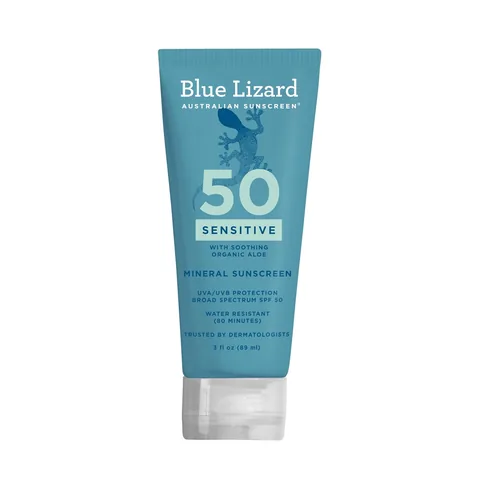
Blue Lizard SPF 50Budget
At 5,280 ft and higher, thin air filters less UV, and snow reflects it back up. SPF 50 goes on face and neck on every trip day.
- Mineral formula, SPF 50 lotion
- 3 oz tube, easy to pack in a day bag
The air is dry. Humidity on the Front Range is often in the teens. Lips crack, hands split at the knuckles and contact lenses feel gritty. Pack a heavier hand cream than you use at home, eye drops if you wear contacts and a small tub of petroleum jelly for the inside of the nose on the first nights.
You lose water faster. Visit Denver suggests drinking about twice your usual amount, and the CDC notes that about one in four visitors who sleep above 8,000 feet in Colorado gets acute mountain sickness. Headache, poor sleep and nausea on the first night are the usual signs. Visit Denver also notes that alcohol hits harder until you adjust. A refillable bottle of at least one liter belongs in every day bag, and electrolyte tablets make the second liter easier to finish.

Nuun Sport tabletsBudget
Visit Denver says to drink about twice your usual water at altitude. A tablet in the bottle makes the second liter easier to finish.
- Dissolving electrolyte tablets in mixed flavors
- Gluten-free and vegan, 4-tube pack
I learned that on a February press trip to Breckenridge in 2019, when two glasses of wine at a welcome dinner on Main Street felt like four and I woke at 3 a.m. with a headache. The front desk kept a basket of water bottles by the door for exactly that reason.
If you are flying straight to a mountain town, the NPS altitude page for Rocky Mountain National Park suggests a first night at a moderate elevation, such as Denver or Boulder. It helps more than anything in the bag.
If you are hiking in Rocky Mountain National Park
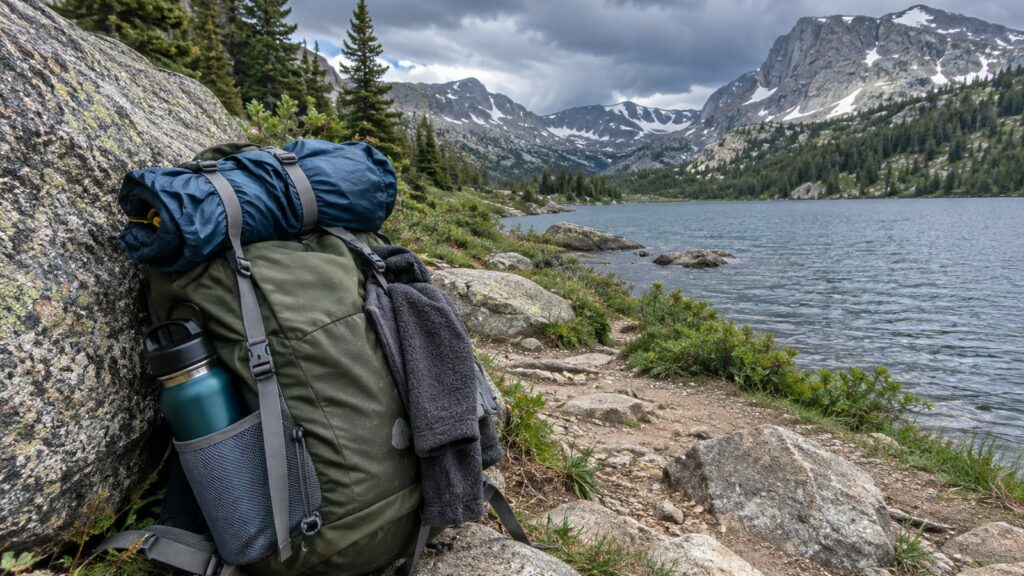
Summer is the busiest season in the park, and the weather pattern is regular enough to plan around. Mornings are clear and cool. By late morning cumulus clouds stack over the Continental Divide, and between noon and 3 p.m. many days bring thunder, hail or a cold downpour. The NPS lightning page says to be below treeline before storms build and to wait 30 minutes after the last thunder.
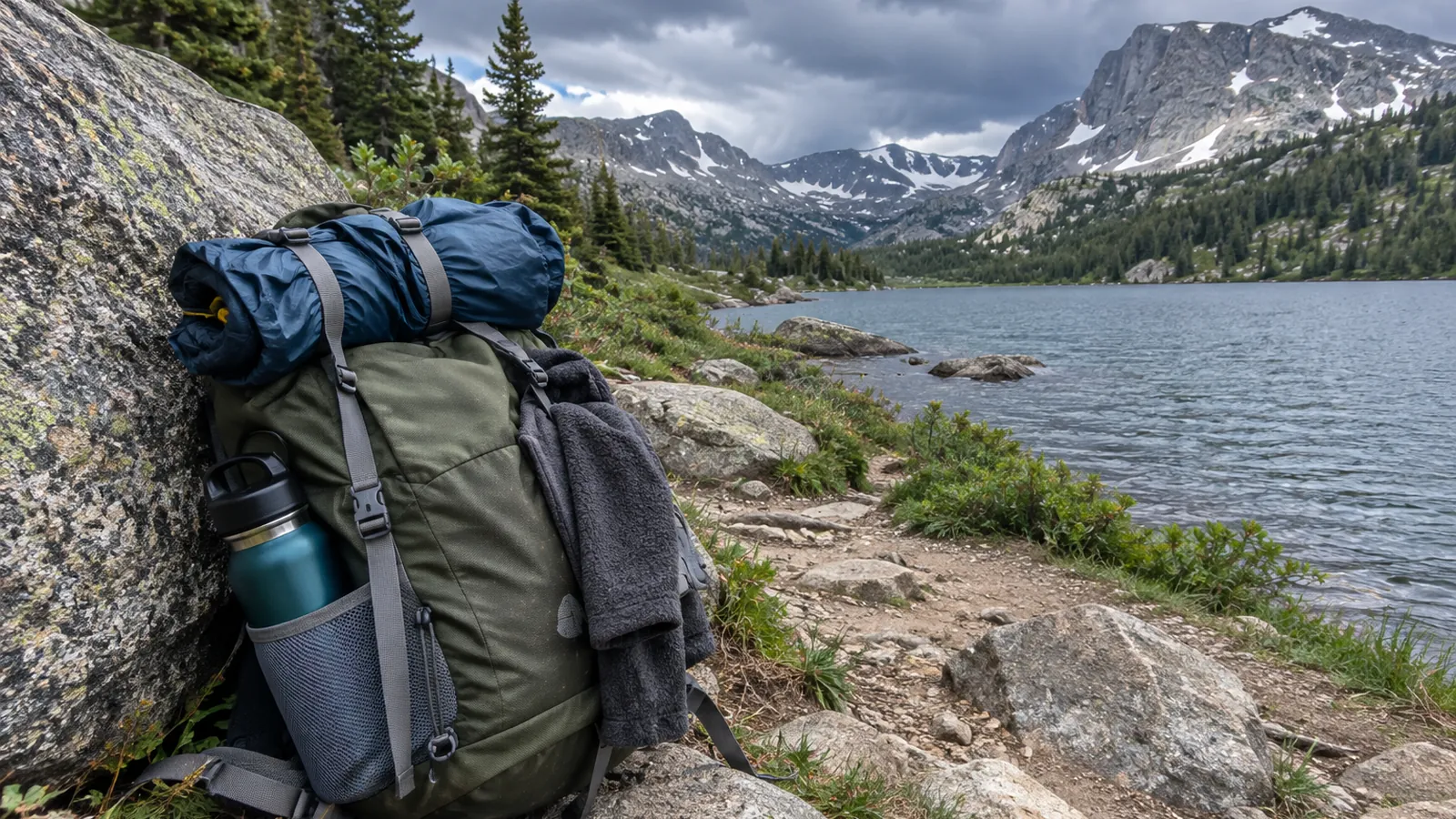
That pattern decides the bag. Start at dawn, carry a shell and a warm layer even when the trailhead is 70 F, and turn around at the time you set, not at the summit.
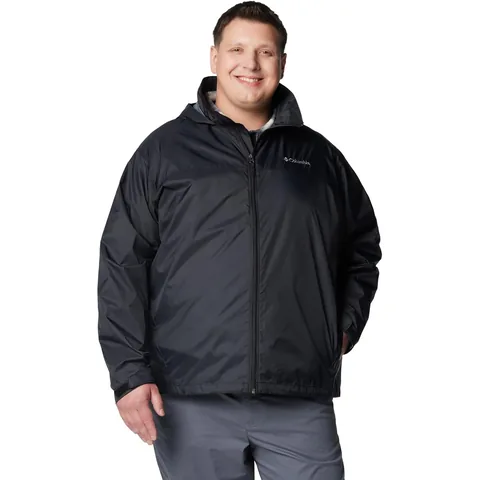
Columbia Glennaker rain jacketMid-range
Afternoon thunderstorms are routine above treeline from June to August. A packable shell rides in the daypack for the early-afternoon turnaround.
- Waterproof nylon shell
- Zippered hand pockets, elastic cuffs, adjustable hem
Layers for a 30-degree swing
A trail that starts at the Glacier Gorge trailhead (about 9,200 feet) and climbs to Sky Pond can go from 45 F at 6 a.m. to 75 F in the sun, then to 50 F and wind when a cloud arrives. The fix is three thin layers rather than one thick one:
- a merino or synthetic base layer, short- or long-sleeved;
- a fleece or light puffy;
- the rain shell, which also blocks wind on exposed ridges.
Cotton is the one fabric to leave in the car. It soaks with sweat on the climb and stays cold when the storm arrives.
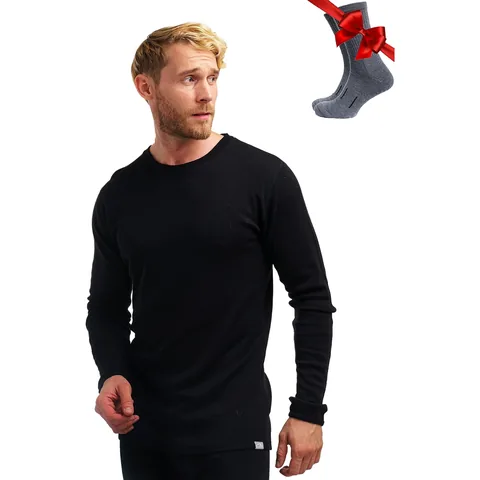
Merino.tech base layerMid-range
Colorado trail days can swing 30 F from dawn to noon, so one base layer has to work for a cold chairlift and a sunny hike.
- 100% merino wool long-sleeve thermal
- Wicks moisture and resists odor between wears
Footwear for rock, scree and old snow
Park trails are rocky and steep, and the NPS warns that higher routes hold snow into June and sometimes July. Waterproof boots with ankle support handle snowmelt crossings and loose granite better than running shoes. Break them in at home. A pair of trekking poles helps on the long descents, and on the icy early-season stretches around Bear Lake and Emerald Lake.
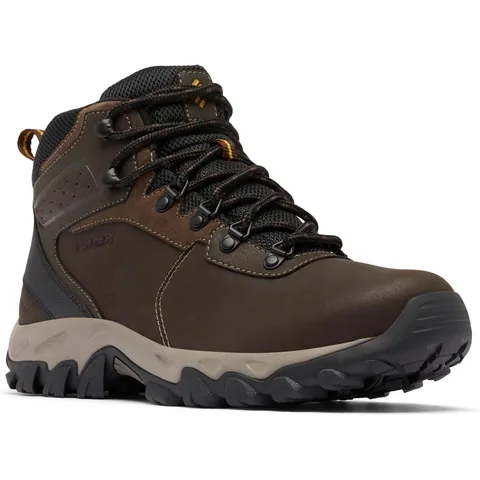
Columbia Newton Ridge bootsMid-range
RMNP trails cross rock, scree and snow patches into July, and summer sand at Great Sand Dunes reaches 150 F. Closed waterproof boots handle both.
- Waterproof hiking boot
- Ankle-high build for uneven mountain trails
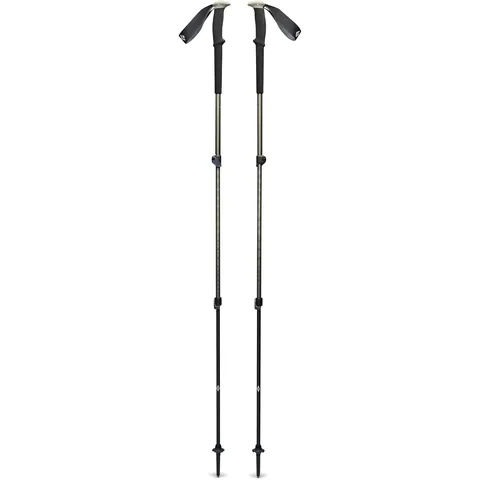 Black Diamond Trail polesMid-rangeCheck price on Amazon
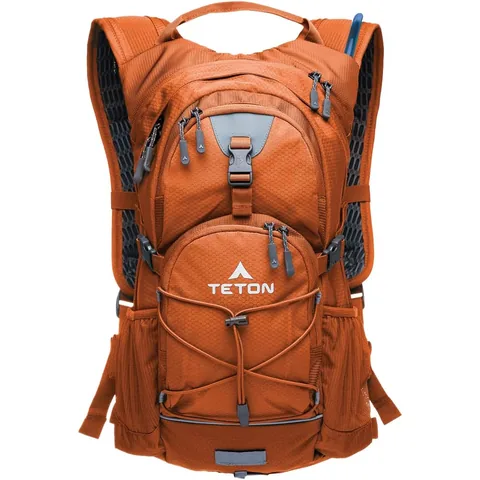 Teton hydration packMid-rangeCheck price on Amazon
Reservations and the daypack
For the 2026 season the park required timed entry from May 22 to October 12, from 9 a.m. to 2 p.m., with a longer window from 5 a.m. to 6 p.m. for the Bear Lake Road corridor until October 18. Reservations are on Recreation.gov and expect a similar window from late May each year. Save the confirmation as a screenshot, because cell service fades past the Beaver Meadows entrance.
The rest of the daypack: 2 to 3 liters of water, salty snacks, a sun hat, a paper map of the trail, a headlamp and a small first-aid kit. Black bears are active from mid-March to early November, according to Colorado Parks and Wildlife. Use the bearproof lockers at campgrounds and never leave food in a car seat in view.
I broke the turnaround rule in August 2011, on a day hike toward Chasm Lake from the Longs Peak trailhead. I was above treeline at 1 p.m. when the first thunder came, and pea-sized hail followed me most of the way down to the trees.
If you are skiing Breckenridge, Vail, Aspen or Steamboat
For the 2026-27 season, Colorado Ski Country USA and the resorts list target openings of November 6 for Breckenridge and Copper, November 13 for Vail, November 21 for Steamboat and November 26 for Aspen Mountain, all weather dependent. Most resorts run into April. Rentals cover the heavy items: skis, boards and boots. What you need to bring is warmth for your hands, feet and face, and protection from glare.
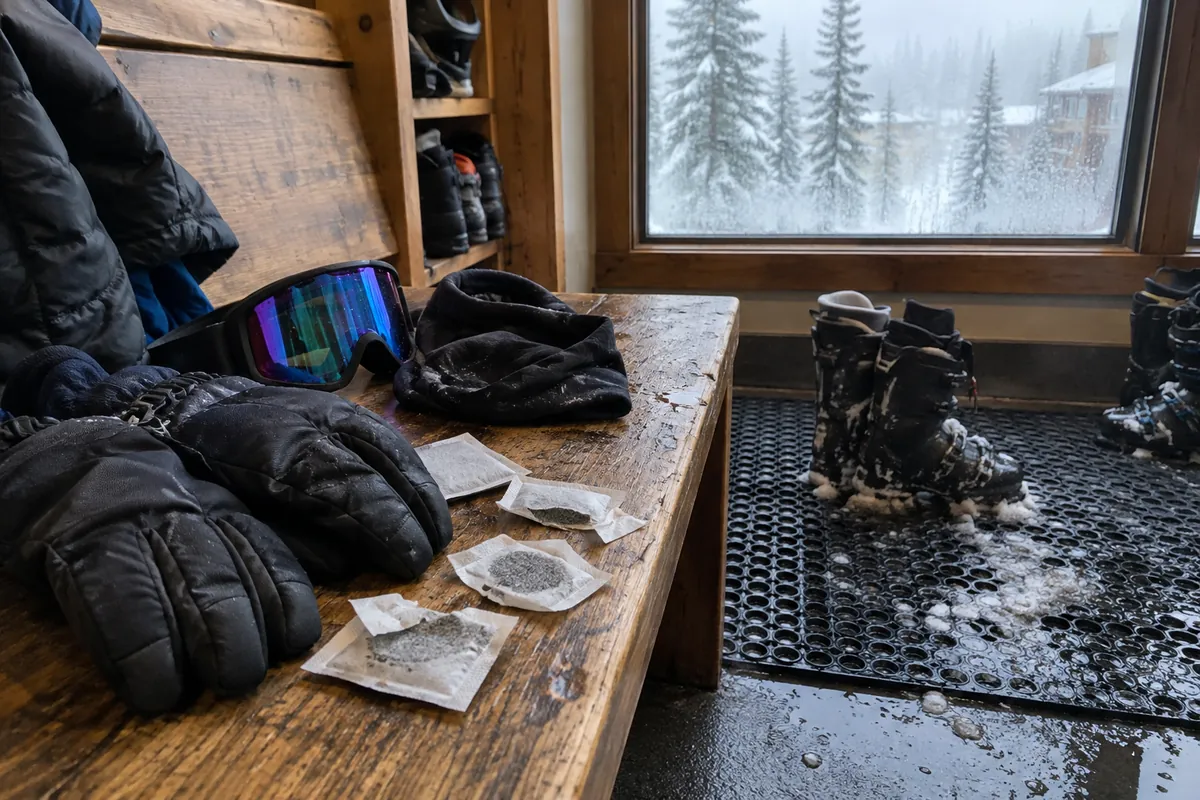
The cold you actually ski in
Grand Lake, at 8,720 feet, averages a 30 F high and a 5 F low in January. Summits run colder, and wind on an open chairlift makes it feel colder still. Fingers and toes go first. Waterproof insulated gloves, merino ski socks (one pair a day, not two pairs at once) and air-activated hand warmers handle most days. A neck gaiter pulled over the nose keeps the face covered on the lift.
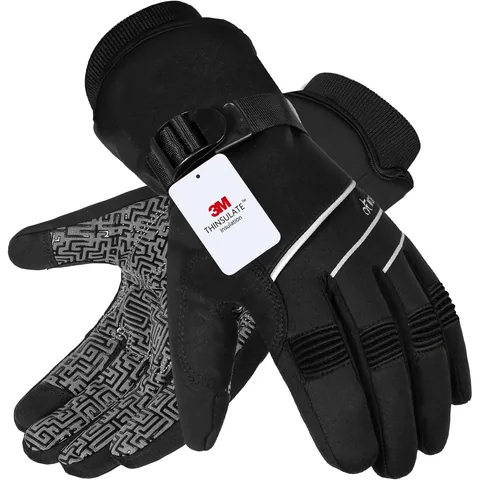
MOREOK ski glovesBudget
Chairlifts and summit lots in winter mean wind chill well below the air temperature. These are waterproof and touch-screen friendly.
- Waterproof and windproof with 3M Thinsulate lining
- Touch-screen compatible fingertips
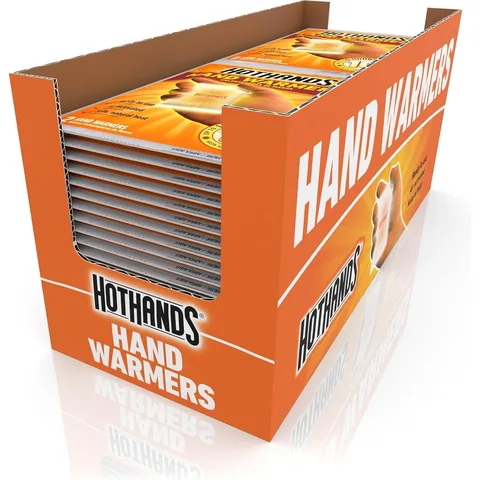 HotHands warmersBudgetCheck price on Amazon
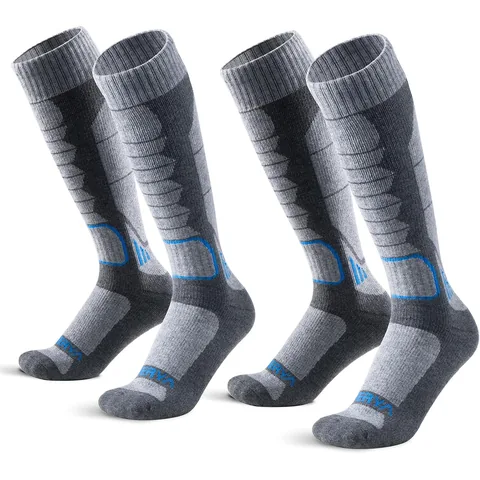 Merino ski socksBudgetCheck price on Amazon
Goggles, even on a sunny day
March in the Colorado mountains brings 40 F bluebird days and bright snow. Flat light during storms makes bumps invisible. Goggles cover both, and over-the-glasses models fit prescription frames. Add sunglasses for the walk through town and the après deck.
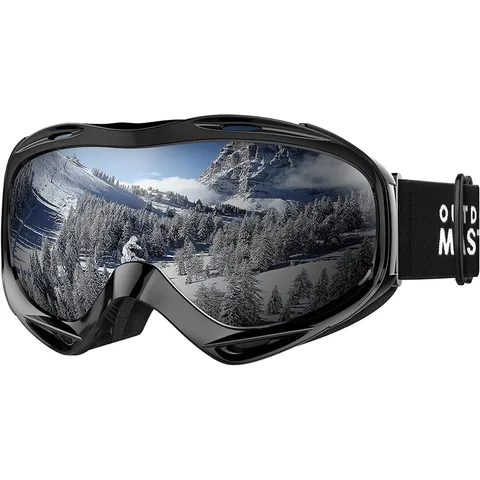
OutdoorMaster OTG gogglesBudget
Snow glare at altitude is intense, and storms on the slopes cut visibility. Goggles also fit over glasses.
- OTG design fits over prescription glasses
- Ski and snowboard goggles for adults and youth
What first-timers can rent instead
On Reddit, a popular r/skiing thread on a first Breckenridge trip settles on renting boots unless you see a boot fitter, and buying gloves and goggles before the trip rather than at the base area. Helmets are available with every rental package. A ski jacket and pants are the only big items worth bringing from home, and a waterproof shell over a fleece and a base layer works as a ski jacket in a pinch.
Off the slopes, ski towns are casual. Jeans, insulated boots with good soles and a warm coat cover dinner in Vail Village or Aspen.
If you are driving I-70 between September and May
Most visitors land at Denver International Airport and drive west on Interstate 70 to the ski areas and mountain towns. From September 1 to May 31, the Colorado Passenger Vehicle Traction Law applies on I-70 between Morrison and Dotsero. When CDOT activates it, a car needs tires with at least 3/16 inch of tread that are marked M+S, all-weather or with the mountain-snowflake symbol, or it must carry chains or an approved traction device. In severe storms the Chain Law applies and every passenger car needs chains or a device.
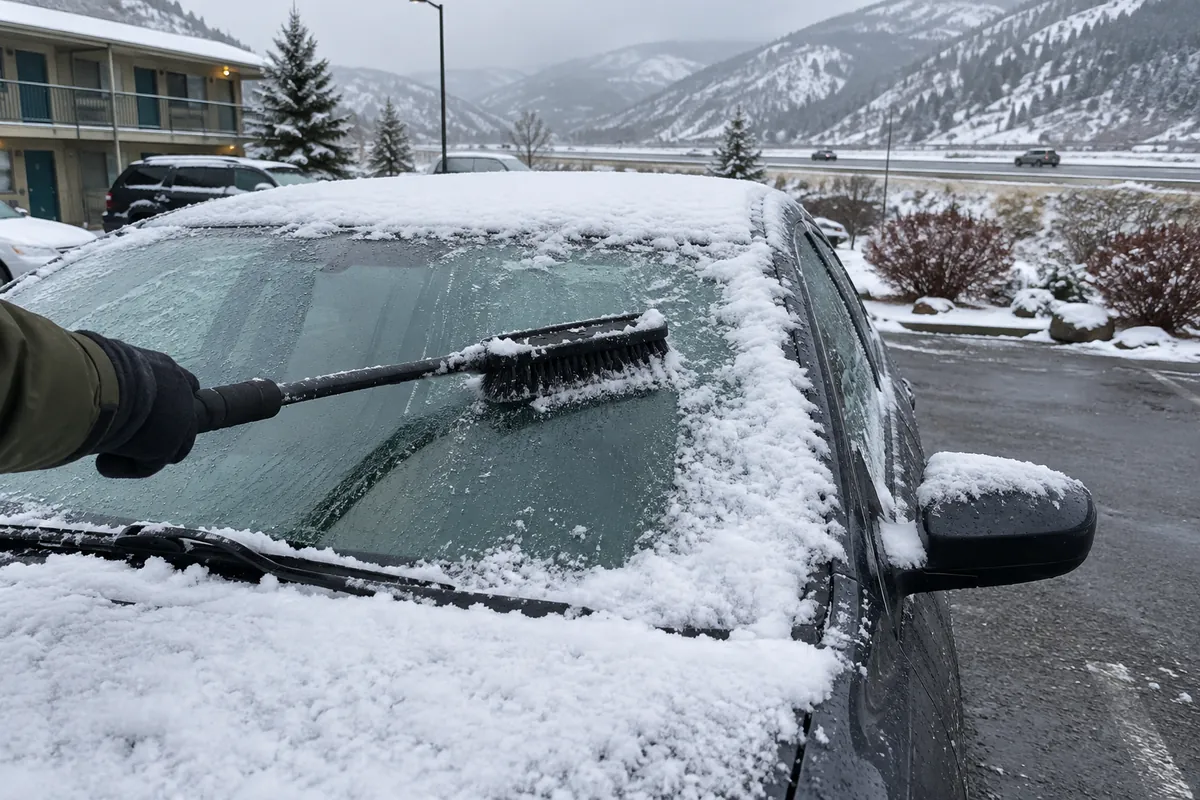
Rental companies do not guarantee snow tires. Check the sidewall for the marking and the tread depth with a coin before you leave the airport lot. Four-wheel and all-wheel drive cars still need 3/16 inch of tread to comply, and the NPS road status page applies the same tire rule inside Rocky Mountain National Park. Fabric snow socks fold flat in a suitcase and count as a traction device.
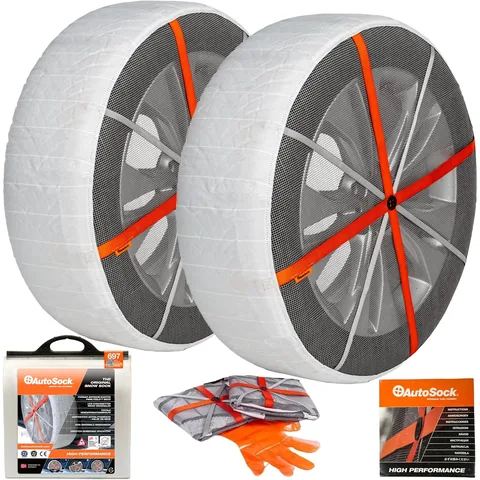
AutoSock snow socksPremium
Colorado's traction law covers I-70 from Sept 1 to May 31. Rental cars do not guarantee snow tires, and a fabric sock is an approved traction device.
- Slip over the drive tires, pack of 2
- Fabric snow traction for passenger vehicles
Rental cars rarely come with a snow brush. Buy or pack one, and keep a winter kit in the car: a phone charger, water, snacks, a blanket and gloves. Storms close the Eisenhower Tunnel and Vail Pass for hours, and the cars in that line sit at 11,000 feet. Keep the gas tank above half.
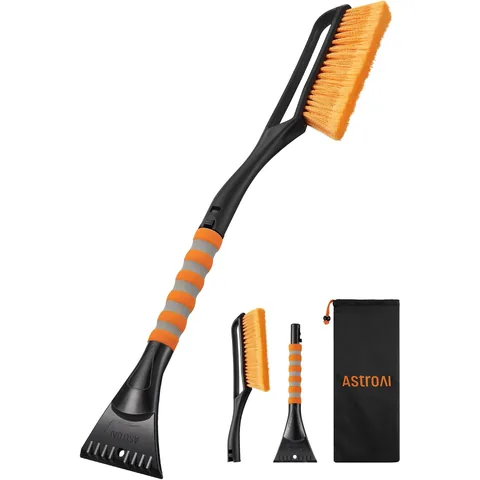
AstroAI snow brushBudget
Rental cars at Denver airport sit outside through fall and spring storms, and few come with a snow brush in the trunk.
- Detachable 27-inch snow brush and ice scraper
- Works on windshields and roofs
If you are driving up Pikes Peak, Mount Blue Sky or Trail Ridge Road
Three of Colorado’s highest paved roads take a rental car above 12,000 feet, and all three need a warm layer in August.
- Trail Ridge Road crosses Rocky Mountain National Park at 12,183 feet. The NPS says it usually opens in the last week of May and closes by mid-October, and storms can close it for a day at any time.
- Mount Blue Sky, formerly Mount Evans, tops out near 14,130 feet. The summit road is open from Memorial Day to Labor Day only, and vehicle reservations are required on Recreation.gov.
- Pikes Peak Highway reaches 14,115 feet and is open all year, weather permitting. A timed-entry permit is required from the Friday before Memorial Day through the end of September.
At the summits the air temperature is often 30 degrees below Denver’s, and wind, hail or snow can arrive on any day of the year, according to CDOT’s byway page. Bring a fleece, a windproof jacket, a hat and gloves, even on a 90 F day in the city. The summit walks are short but the altitude makes them hard; move slowly and keep a water bottle in the car.
Pikes Peak asks drivers of automatic cars to use a low gear on the way down. The Pikes Peak health and weather page also does not recommend the summit for infants under six months.
If you are visiting Great Sand Dunes, Garden of the Gods or Mesa Verde
Southern Colorado has three places where the packing list shifts from cold to sun and sand.
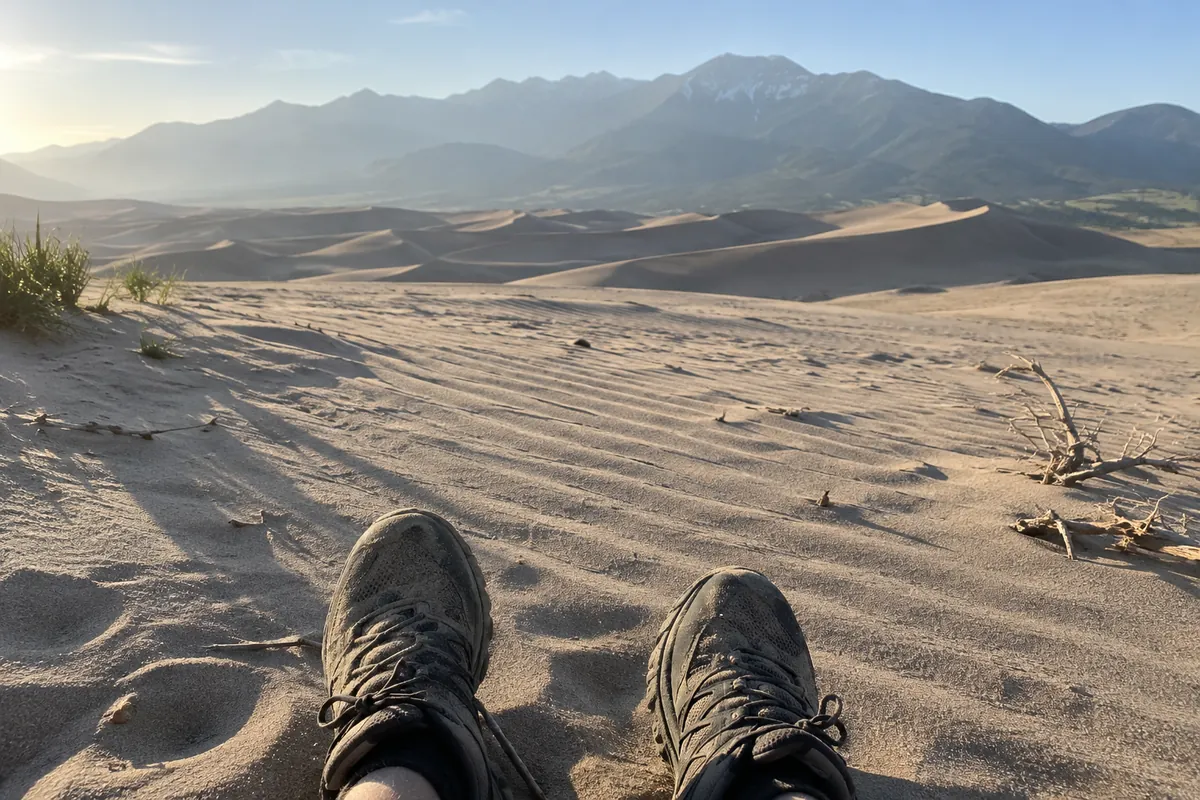
Great Sand Dunes. The visitor center sits at 8,200 feet, yet the NPS says summer sand can reach 150 F. Sandals are not enough. Hike in closed shoes early in the morning or in the evening, and carry sunglasses or goggles for the wind, which blows sand hard enough to sting. Medano Creek at the base of the dunes usually runs from late May to early June, but in 2026 it was dry at the main parking area after a near-record low snowpack.
Garden of the Gods. The paved Perkins Central Garden Trail in Colorado Springs is fine in regular sneakers; climbing on the red sandstone needs a permit. The park opens at 5 a.m. all year, which makes it an early stop before a Pikes Peak drive.
Mesa Verde. The park sits between 7,000 and 8,400 feet, and summer days reach the 90s. Cliff Palace and Balcony House are ranger-guided tours with tickets on Recreation.gov, usually from May to October. Balcony House has a 32-foot ladder and an 18-inch-wide tunnel you crawl through on hands and knees. Wear closed shoes and pants, and use a small backpack so both hands stay free. I did that tour in a linen skirt in June 2017 and finished it with grazed knees and a skirt that went into the bin in Cortez.
If you are staying in Denver, Boulder or Colorado Springs
The cities are casual. A nice restaurant in LoDo or on Pearl Street in Boulder will seat you in clean jeans, a sweater and boots. Formal clothes, heels and anything that needs ironing can stay home.
What the cities need is the same layering system in a lighter form. Denver’s spring and fall swing from 70 F to snow within two days, and summer evenings cool fast once the sun drops behind the foothills. A light jacket lives in the day bag from April to October. In winter, sidewalks in the shade stay icy for days after a storm; pull-on cleats over regular shoes make the walk from a hotel to a Broncos or Avalanche game less risky.
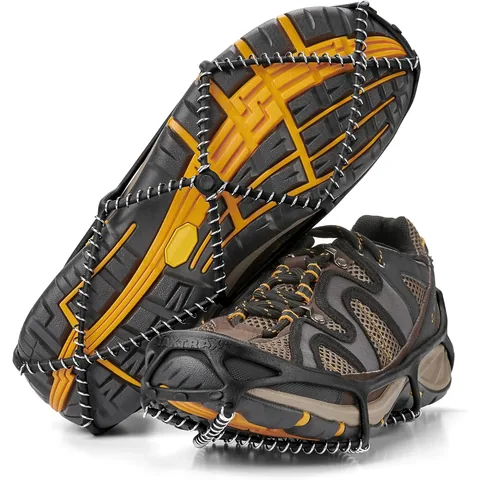
Yaktrax Walk cleatsBudget
Denver sidewalks and the Bear Lake trails ice over after snow and stay slick in shade. Slip-on cleats add grip to any shoe.
- 360-degree grip on snow, ice and multi-terrain surfaces
- Elastic outer band with an easy-on/off heel tab
If cannabis is part of the plan, note that it cannot go into a national park, onto many ski slopes or into your luggage on the way home. Denver International Airport has no amnesty box, so finish or throw away what you bought before you leave for the airport. The Colorado tourism office lists the rules.
What to pack for Colorado by month
| Month | High °F / °C | Low °F / °C | Rain days | What to wear |
|---|---|---|---|---|
| Jan | 45 / 7 | 19 / -7 | 4 | Warm coat, hat, gloves; sunny but cold, dry air |
| Feb | 46 / 8 | 20 / -7 | 6 | Insulated jacket, layers; snow melts fast in sun |
| Mar | 56 / 13 | 28 / -2 | 6 | Layers plus a coat; snow can fall and melt in days |
| Apr | 62 / 17 | 34 / 1 | 9 | Jacket and layers; spring snow, then 70s within days |
| May | 71 / 22 | 44 / 7 | 10 | Light layers, rain shell; storms start late month |
| Jun | 83 / 28 | 53 / 12 | 8 | T-shirt, sun hat; afternoon thunderstorm shell |
| Jul | 90 / 32 | 60 / 16 | 8 | Shorts and sunscreen; storm shell for 3 pm |
| Aug | 88 / 31 | 58 / 14 | 8 | Light clothes, sun layer; evenings cool fast |
| Sep | 80 / 27 | 50 / 10 | 6 | Tees by day, fleece at night; first frost near |
| Oct | 65 / 18 | 37 / 3 | 5 | Fleece and jacket; mornings below freezing |
| Nov | 53 / 12 | 26 / -3 | 5 | Winter coat, gloves; cold fronts bring snow |
| Dec | 44 / 7 | 18 / -8 | 4 | Heavy coat, hat, gloves; dry and often sunny |
The table above uses the official Denver station. The mountains run 15 to 20 degrees colder, and they get far more snow. These are the normals for Grand Lake, at 8,720 feet on the west side of Rocky Mountain National Park:
| Month | High °F | Low °F | Snow (in) |
|---|---|---|---|
| Jan | 30 | 5 | 30.6 |
| Feb | 34 | 6 | 25.1 |
| Mar | 42 | 14 | 17.6 |
| Apr | 49 | 21 | 17.1 |
| May | 59 | 28 | 5.3 |
| Jun | 71 | 34 | 0.4 |
| Jul | 76 | 40 | 0 |
| Aug | 73 | 38 | 0 |
| Sep | 68 | 32 | 0.4 |
| Oct | 55 | 23 | 7.4 |
| Nov | 40 | 13 | 22.5 |
| Dec | 30 | 5 | 28.5 |
Source: NOAA NCEI 1991-2020 normals, Grand Lake 1 NW. Breckenridge, at 9,600 feet, runs a few degrees colder still.
What to pack for Colorado in January
The resorts are at their busiest. Denver is dry and often sunny with highs near 45 F; the mountains sit near 30 F by day and 5 F at night, with about 30 inches of snow in the month. Pack a real parka, thermals, goggles, insulated boots with grippy soles, hand warmers and sunscreen. The traction law is in force on the interstate from Morrison to Dotsero.
What to pack for Colorado in February
The coldest, snowiest stretch in the high country. Presidents’ Day weekend fills the interstate west of Denver. Bring a face covering for the lifts, a second pair of gloves so one pair can dry and lip balm for the dry air. Bear Lake Road inside the national park stays open but is often icy, so cleats help.
What to pack for Colorado in March
Spring skiing with sunny 40 F afternoons, and the month Denver gets its heaviest snowstorms. A storm can drop a foot on the city and melt in three days. Pack layers you can strip off on the lift, sunglasses and goggles, a high-SPF sunscreen and waterproof boots for slush in town. Spring-break traffic on I-70 is heavy on Saturdays.
What to pack for Colorado in April
What to wear in Colorado in April changes by the day. Denver swings between snow and the 70s, and many ski areas close by mid-month. Mud season starts in the mountain towns, and some restaurants and lodges close until late May. Pack waterproof boots, a shell and a fleece. Trail Ridge Road is closed, and high trails in the national park are under snow.
What to pack for Colorado in May
Denver highs reach 71 F and the first thunderstorms arrive late in the month. In the mountains, trails are snow and slush until June, and Trail Ridge Road usually opens in the last week. Pack waterproof boots, a rain shell, a warm layer for the evening and sunscreen. The national park’s timed entry starts around Memorial Day weekend.
What to pack for Colorado in June
Hiking season begins, though snow lingers on high trails. Denver highs reach the low 80s and mountain nights are near freezing. Afternoon storms start. Pack the full hiking kit: shell, fleece, sun hat, sunscreen and a 2-liter water supply. Pikes Peak and Mount Blue Sky reservations apply. Great Sand Dunes is at its best early in the month if Medano Creek is running.
What to pack for Colorado in July
The warmest month: Denver near 90 F, mountain towns in the mid-70s with nights near 40 F. Thunderstorms and lightning over the peaks are routine by early afternoon. Pack shorts and light shirts for the city, plus the shell and a warm layer for any drive or hike above 10,000 feet. Bring insect repellent for evenings by mountain lakes.
What to pack for Colorado in August
The wettest month in the high country, with about 15 days of rain at Grand Lake. Start hikes at first light and carry the shell every day. Denver highs stay near 88 F. Wildfire smoke can drift in during dry summers; check the state air quality forecast and pack any inhaler you use.
What to pack for Colorado in September
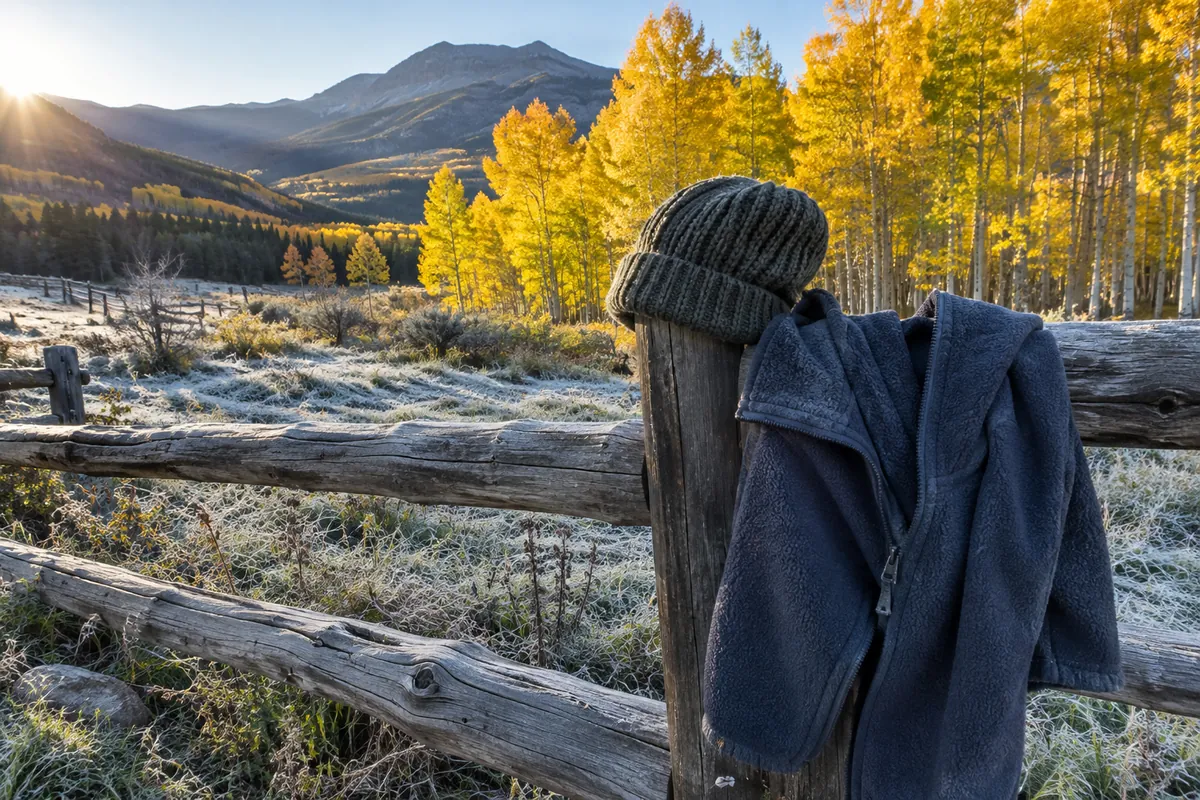
The aspens start turning above 9,000 feet in early September and peak in late September and early October, so the month is busy in Aspen, Breckenridge and the national park. Denver highs are near 80 F with 50 F nights, and the mountains get frost and sometimes the first snow. Pack a warm hat and light gloves for sunrise photos. The traction law resumes on September 1.
What to pack for Colorado in October
Denver’s average first freeze is October 7 and its average first snow is October 19, according to the National Weather Service. Mountain highs reach the mid-50s with lows in the 20s. Trail Ridge Road can close for the season any day. Pack a warm insulated jacket, gloves, a beanie and boots that handle a dusting of snow.
What to pack for Colorado in November
The first ski areas open, with most of the big resorts running by Thanksgiving. Denver highs are in the low 50s, while the mountains see about 22 inches of snow and nights in the teens. Pack a winter coat, insulated boots, ski layers if you plan to ski and a check of the rental car’s tires.
What to pack for Colorado in December
Holiday crowds fill the resorts from December 20 to New Year, so book rentals and airport shuttles early. Denver is often sunny with highs in the mid-40s, and the mountains are back near 30 F by day and 5 F at night. Pack for the slopes plus a dressier sweater for holiday dinners; the December sun on fresh snow burns as fast as July’s.
Your Colorado packing checklist
This Colorado packing list covers a mixed trip with city days, mountain days and at least one hike or ski day. Drop the sections you do not need.
Clothes
- 2 merino or synthetic base layers no cotton on trails
- Fleece or light puffy jacket
- Waterproof rain shell afternoon storms
- Hiking pants or leggings
- Jeans or casual pants for town
- Shorts and T-shirts (June to August)
- Winter parka (November to April)
- Warm hat and light gloves even in summer above 12,000 ft
Footwear
- Waterproof hiking boots
- Casual sneakers for the city
- Insulated winter boots (snow trips)
- Pull-on ice cleats (October to April)
- Wool hiking or ski socks
Sun and altitude
- SPF 50 sunscreen
- Lip balm with SPF
- Sunglasses
- Wide-brim sun hat
- 1 L refillable water bottle
- Electrolyte tablets
- Heavy hand cream and eye drops dry air
Hiking
- Daypack with a water bladder
- Trekking poles
- Headlamp
- Small first-aid kit
- Paper trail map
- Insect repellent (July and August)
Skiing
- Ski jacket and pants
- Waterproof insulated gloves
- Goggles
- Neck gaiter
- Hand warmers
Car (September to May)
- Snow brush and ice scraper
- Tire snow socks or chains traction law
- Blanket, water and snacks
- Car phone charger
Documents and tech
- Park and road reservation screenshots no signal in the park
- Ski passes or rental confirmations
- Phone power bank
- Any prescription medicines and inhalers
What to leave at home, and the rules that change the list
Some things Colorado visitors pack and never use:
- A heavy winter coat for a summer trip. A fleece and a shell cover the cold summit and the cold mountain night.
- A full-size umbrella. Mountain storms bring wind and lightning, and a raised umbrella on an exposed ridge is the wrong tool.
- Several pairs of hiking boots. One broken-in pair covers summer trails; insulated winter boots are a separate item only for snow trips.
- Plugs
- Type A and B, 120 V (standard US outlets) Source
- Altitude
- Denver 5,280 ft; Breckenridge about 9,600 ft; Pikes Peak and Mount Blue Sky summits above 14,000 ft Source
- Traction law
- I-70 Morrison to Dotsero, Sept 1 to May 31: M+S, all-weather or snowflake tires with 3/16 in tread, or chains or a traction device Source
- Rocky Mountain NP timed entry
- 2026: May 22 to Oct 12 (park), to Oct 18 (Bear Lake Road); 2027 dates not yet announced Source
- Pikes Peak Highway
- Timed-entry permit from the Friday before Memorial Day to the end of September Source
- Mount Blue Sky
- Summit road open Memorial Day to Labor Day; vehicle reservation required Source
- Lightning
- Get below treeline before storms; wait 30 minutes after the last thunder Source
- Bears
- Active mid-March to early November; use bearproof lockers and keep food out of sight in cars Source
- Cannabis
- 21+; banned on federal land and in luggage; Denver airport has no amnesty box Source
In summer 2026, Stage 1 fire restrictions covered parts of the Routt, Gunnison and Pike-San Isabel national forests, limiting campfires to metal or concrete pits at developed sites. If the plan includes camping, check the current order for that forest before packing a stove.
Colorado packing FAQ
When is the best time of year to visit Colorado?
Late June to mid-September is the best time for hiking and the high scenic roads, and mid-December to March is best for skiing. Late September brings the aspen color with fewer crowds than July. April and May are the quietest months: ski areas close, high trails are still snowed in and some mountain towns shut for mud season.
Can I get around Colorado without a car?
Yes, for a city or ski trip. The RTD A Line train runs from Denver International Airport to Union Station downtown, and shared shuttles run from the airport to the major ski resorts. CDOT's Bustang buses connect Denver with Vail, Glenwood Springs and Colorado Springs. National parks and scenic drives are much easier with a car.
Can I fly with bear spray to Colorado?
Not in a carry-on. The TSA limits pepper spray in checked bags to one container of 4 ounces or less, and standard bear spray cans are about twice that size. Buy a can at an outdoor store in Denver, Estes Park or a mountain town after you land, and leave it with your host or a friend before you fly home.
Can I pack carry-on only for a Colorado ski trip?
Yes, if you rent skis, boots and a helmet. Wear the ski jacket and insulated boots on the plane, and pack the base layers, ski pants, gloves, goggles and socks in the carry-on. Liquids such as sunscreen must follow the 3.4-ounce rule, or you can buy them at a pharmacy in Denver or the resort town.
Do I need a winter coat in Colorado in summer?
Not a heavy one. A fleece or light puffy plus a rain shell covers summer nights in the mountains, which drop to about 40 F, and the summits of Pikes Peak and Mount Blue Sky. Keep a warm hat and thin gloves in the car for those drives. A heavy coat is only worth packing from November to April.