
Most lists of adventurous things to do in the United Arab Emirates stop at Dubai and Abu Dhabi, then pad the count with indoor ski slopes and water parks. This one doesn’t. It covers seven emirates’ worth of terrain: a 2.8 km zipline in the Hajar Mountains, whitewater built into the base of a mountain in Al Ain, reef dives on the Gulf of Oman, and mangrove channels that most visitors drive past on the way to somewhere else.
Every entry gives you the location, a realistic price in AED, the best season, the fitness level, the limits that can get you turned away at the check-in desk, and one tip from the “wish I’d known” pile. Prices are typical ranges and shift with season and operator, so confirm before you pay a deposit.
Table of Contents
- TLDR: Pick by Emirate
- Air
- 1. Tandem skydive over Palm Jumeirah
- 2. Hot air balloon over the Dubai desert
- Mountain
- 3. Jebel Jais Flight and Jais Sledder
- 4. Cycle or drive Jebel Hafeet
- 5. Hatta: kayaks, bikes and wadi trails
- Water
- 6. Kayak the mangroves in Abu Dhabi
- 7. Paddle Khor Kalba, Sharjah
- 8. Whitewater rafting at Wadi Adventure
- 9. Scuba dive off Fujairah
- 10. Flyboarding in Dubai
- Desert
- 11. Dune bashing
- 12. Climb the Liwa dunes
- Comparison Table
- When to Go: Planning Around the Heat
- Safety and Operator Licensing
- Budget vs Splurge
- A 4-Day Itinerary That Combines Them
TLDR: Pick by Emirate
- Dubai: skydiving over Palm Jumeirah, flyboarding, dune bashing, a dawn balloon flight, and Hatta for mountain-biking and kayaking.
- Abu Dhabi: mangrove kayaking, plus the Liwa dunes in the south and Jebel Hafeet and Wadi Adventure around Al Ain.
- Ras Al Khaimah: Jebel Jais, the best single adventure stop in the country.
- Fujairah: scuba diving at Snoopy Island and Dibba Rock, with the Hajar Mountains right behind the coast.
- Sharjah: the Khor Kalba mangroves on the east coast, an easy half-day on its own.
- Beginner pick: mangrove kayaking or an evening dune drive. Extreme pick: the Palm Jumeirah skydive or the Jais Flight zipline.
- Season: October to April for nearly everything outdoors. Summer works only for mountain mornings, diving and anything indoors.
Air
1. Tandem skydive over Palm Jumeirah
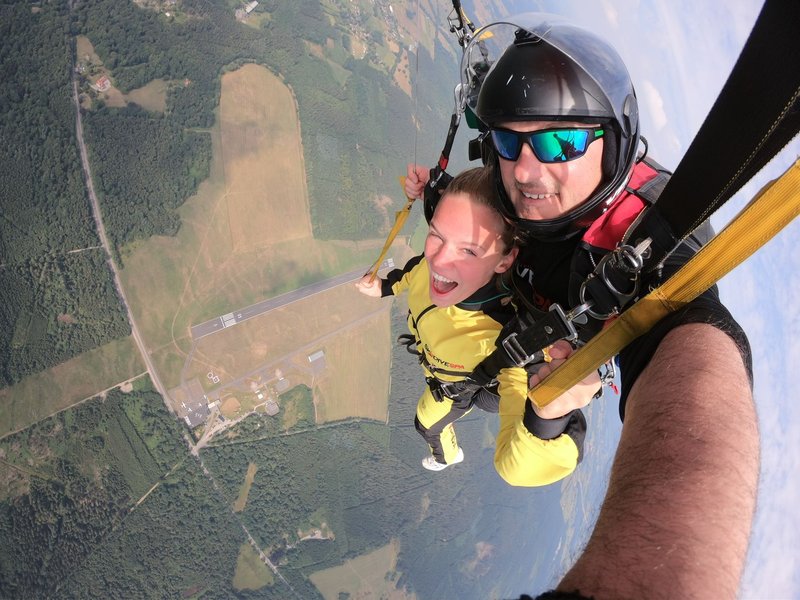
Where: Skydive Dubai, Palm Drop Zone, Dubai Cost: from roughly AED 2,000 to 2,500, with photo and video packages extra Best season: October to April Level: no fitness requirement beyond being able to lift your legs on landing; thrill level is the highest on this list Limits: minimum age and a weight cap apply (the weight limit is around 100 kg at most dropzones, so confirm when booking)
You exit at about 13,000 feet over the Palm, with the fronds spread out beneath you, then freefall for roughly a minute at 200 km/h before the canopy opens. The canopy ride takes another five minutes or so and ends on the beach next to the drop zone. It’s the only skydive in the world with a view like this, and it’s what everyone in the Dubai adventure listicles points at for a reason.
Tip: book at least a week ahead for October to March weekends, and check the wind forecast the night before. Dawn and sunset slots have the best light for photos and the calmest air, but they also fill first. Skydive Dubai also runs a Desert Campus dropzone inland, usually a few hundred dirhams cheaper, if you want the jump without the Palm view.
2. Hot air balloon over the Dubai desert
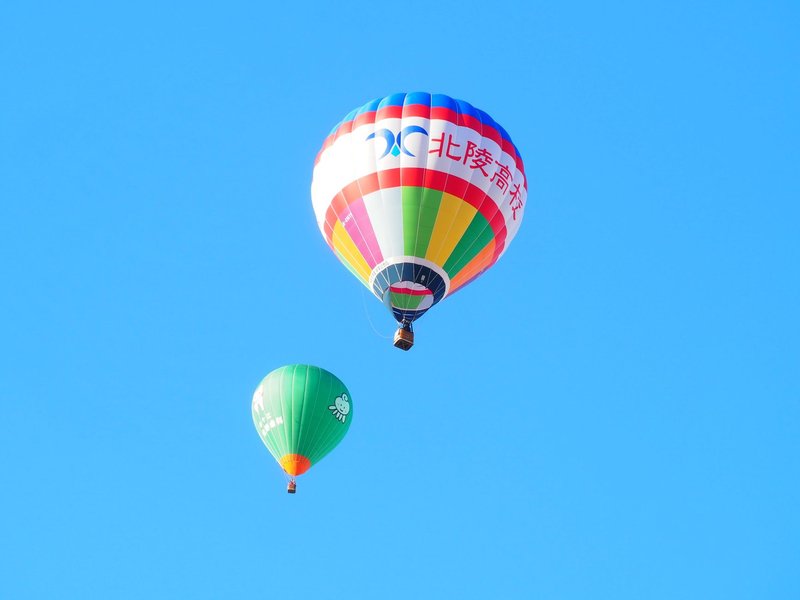
Where: Dubai Desert Conservation Reserve, about 45 minutes from the city Cost: roughly AED 1,100 to 1,600 per person, usually including transfers and a breakfast Best season: October to April Level: easy; you need to be able to climb into a basket Limits: minimum age is typically 5 to 7; weight and mobility rules vary by operator
This is the gentle entry on the list, and a fair pick for beginners or for anyone traveling with children who aren’t ready for the skydive. Takeoff is before sunrise, so you spend about an hour drifting over dunes, scrub and, with luck, oryx and gazelles. Winds in the Conservation Reserve are lightest at dawn, which is why flights run then.
Tip: flights get cancelled for wind more often than you’d think. Book the early part of your trip so there’s a spare morning to reschedule.
Mountain
3. Jebel Jais Flight and Jais Sledder
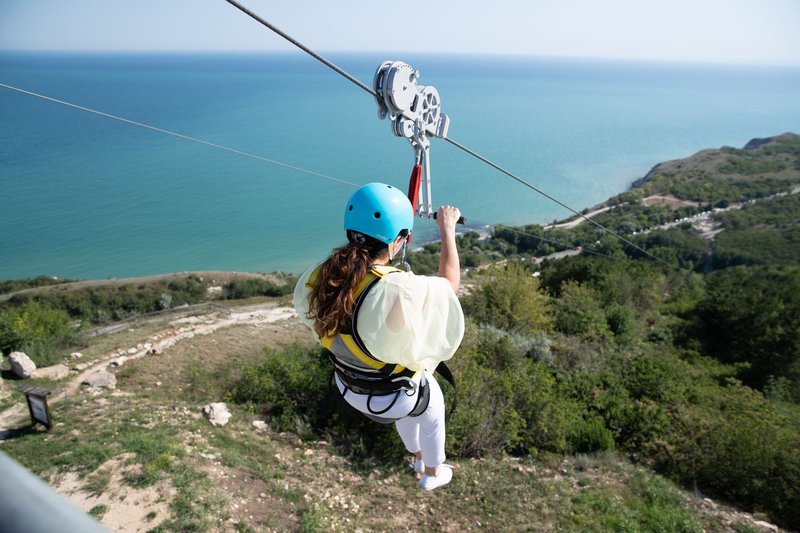
Where: Jebel Jais, Ras Al Khaimah, about 90 minutes from Dubai Cost: roughly AED 600 to 700 for Jais Flight; Jais Sledder is usually around AED 100 to 150 Best season: October to April, though the summit stays noticeably cooler than the coast in summer Level: moderate; no training needed, but you’ll climb steps and rock to reach the launch Limits: height, age and weight limits apply, with a minimum weight around 30 kg, so small children are excluded
The Jais Flight zipline runs 2.83 km, which Guinness World Records recognises as the longest in the world. You lie face-down in a harness, and the line drops you through the Hajar Mountains at up to 150 km/h for around three minutes. The first thirty seconds feel like falling and the rest feels like flying. The valley below is bare rock and dry riverbeds, and your sense of scale goes briefly missing.
Jais Sledder is the mellower sibling: a toboggan on rails that you control with a brake lever, running about 1.8 km down the mountainside. Do it after the zipline if you want something you can laugh through. The mountain also has a via ferrata route and a multi-line Jais Sky Tour for people who want to stay up there all day.
Tip: wear closed shoes and secure everything in your pockets. Loose phones are not allowed on the line, and the staff will lock them away for you. The summit sits at roughly 1,900 m and can be 10 degrees cooler than the coast, so bring a light layer in winter.
4. Cycle or drive Jebel Hafeet
Where: Al Ain, Abu Dhabi emirate Cost: free Best season: November to March, early morning Level: hard if you cycle it; easy if you drive Limits: none; road bikes and helmets are the minimum for cyclists
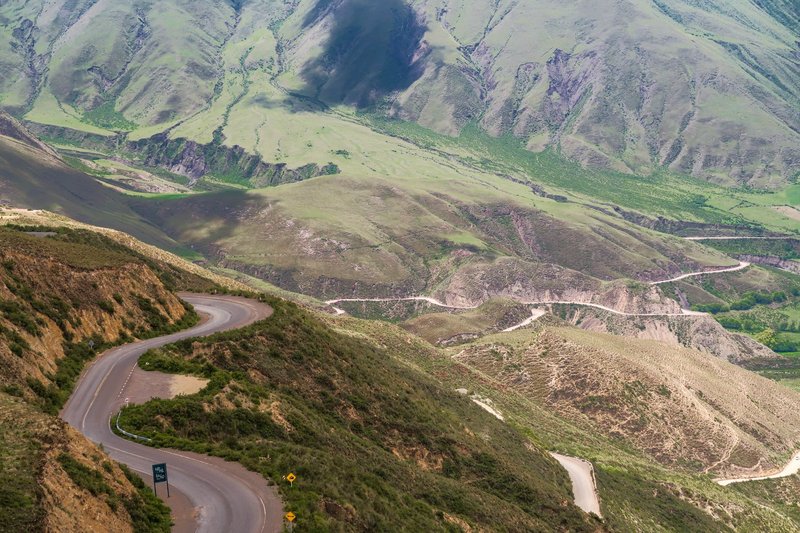
Jebel Hafeet rises about 1,240 m on the Oman border, and the road to its top is one of the best-known driving and cycling climbs in the Gulf. It twists up the limestone face in a long run of hairpins, with the whole of Al Ain and the desert flats beyond it laid out below. Pro cycling teams use it as a training climb in winter, which tells you the grade is real.
Tip: start before 7 a.m. even in January. Once the sun is on the rock face, there’s no shade on the climb, and there’s no water on the road, so carry more than you think you need. The Mubazzarah hot springs and park at the foot of the mountain are a good place to recover.
5. Hatta: kayaks, bikes and wadi trails
Where: Hatta, a Dubai exclave in the Hajar Mountains, about 90 minutes from central Dubai Cost: kayak rental is typically under AED 100 for a session; bike and zipline add-ons cost more Best season: November to March Level: easy to moderate Limits: none for kayaks; zipline and bike trails have operator-set age and weight limits
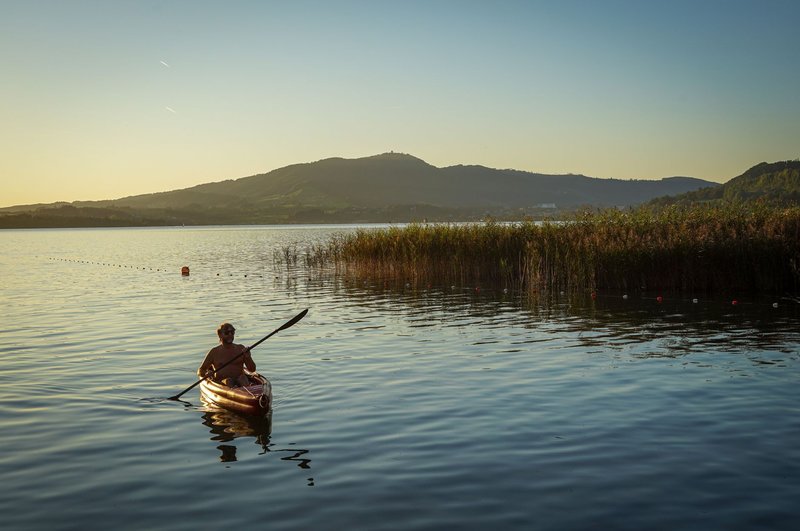
Hatta is where Dubai goes when it wants mountains. The dam reservoir has turquoise water and kayaks and pedal boats for hire, and the surrounding hills have marked mountain-biking trails, hiking routes and a handful of smaller adventure outfits. It’s the cheapest item on the list that still feels like a day out, and it’s close enough to Dubai that you can do it as a day trip.
Tip: the road from Dubai crosses a short stretch of Omani territory, so carry your passport or Emirates ID. Weekends fill up fast; weekdays are quiet.
Water
6. Kayak the mangroves in Abu Dhabi
Where: Eastern Mangroves and Jubail Mangrove Park, Abu Dhabi city Cost: roughly AED 150 to 250 for a guided session Best season: October to April Level: easy; no experience needed Limits: usually a minimum age around 6 to 8 on guided tours
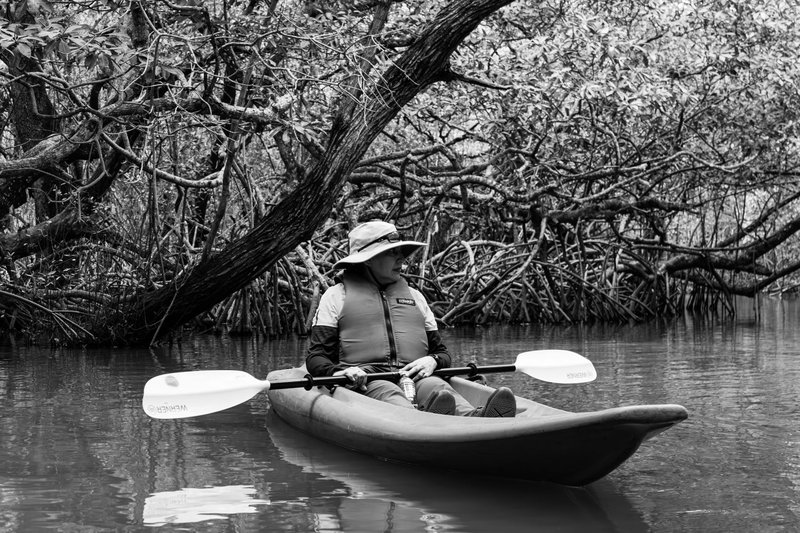
You paddle quietly through channels lined with grey mangrove, past herons, flamingos and sometimes reef sharks and rays in the shallow water. It’s the opposite of the skydive: no adrenaline, just a long glide through a part of Abu Dhabi that looks nothing like its skyline. Tours run from the Eastern Mangroves and the boardwalk at Jubail, and the best ones go at sunrise.
Tip: pick the tide. High tide gives the deepest channels, and low tide can leave you walking your kayak through mud. Ask the operator when the tour is timed for.
7. Paddle Khor Kalba, Sharjah
Where: Khor Kalba, east coast of Sharjah, near Fujairah Cost: roughly AED 100 to 200 for a guided kayak tour Best season: October to April Level: easy Limits: operator-set age limit, usually from around 5 or 6
Khor Kalba is one of the oldest mangrove stands in Arabia and the only place in the UAE where you can see the Arabian collared kingfisher, a bird found nowhere else in the country. The channels are narrower and wilder than Abu Dhabi’s, and the water is green and still. It sees a fraction of the traffic of the big cities, and you’re likely to share it with only the birds.
Tip: go early. Birds are most active in the first two hours after sunrise, and the light through the mangrove leaves is better. Pair it with a dive in Fujairah the same day, since Kalba is under an hour away.
8. Whitewater rafting at Wadi Adventure
Where: Wadi Adventure, Al Ain, at the foot of Jebel Hafeet Cost: day passes start at around AED 150 to 250 depending on the activities included Best season: October to April; some activities close during peak summer Level: moderate; you need to be comfortable in moving water Limits: height and age limits vary by ride, and non-swimmers are usually only allowed with a flotation vest
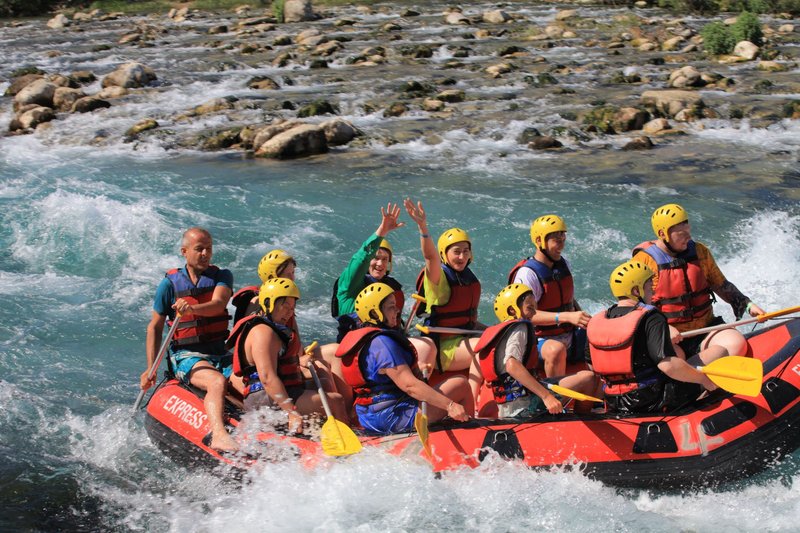
Wadi Adventure is a man-made whitewater course with rapids that run through channels of concrete and rock. It sounds artificial, and it is, but the rapids are real: rafts spin, drop and flip, and you get wet whether you want to or not. The complex also has a surf wave, kayaking, zipline, and a rope course, so it’s a full day for a group where people want different things.
Tip: check the schedule before you drive out. The rapids run on set sessions rather than all day, and it’s a 90-minute drive from either Dubai or Abu Dhabi. Book the earliest session and then do the Jebel Hafeet drive in the afternoon.
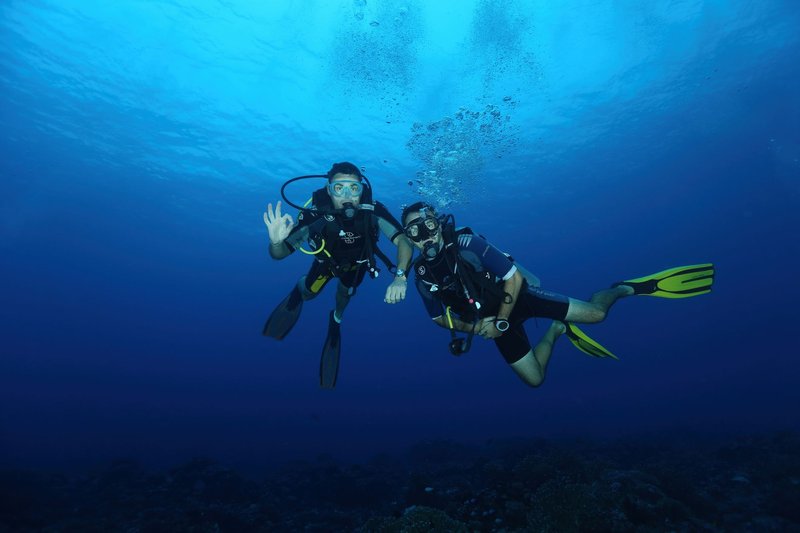
9. Scuba dive off Fujairah
Where: Snoopy Island (Al Aqah) and Dibba Rock, Fujairah and Dibba on the Gulf of Oman Cost: a discovery dive is roughly AED 350 to 600; certified divers pay less, around AED 250 to 400 per boat dive Best season: year-round, with the best comfort from October to May Level: easy for a first dive with an instructor; moderate for certified divers Limits: minimum age is usually 10 for introductory dives, and you’ll fill in a medical questionnaire
The east coast is where UAE diving actually happens. The Gulf of Oman side has clearer water than the Dubai coast, and dive sites like Snoopy Island and Dibba Rock offer coral, moray eels, sea turtles, rays and blacktip reef sharks on shallow reefs where you can see everything without going deep. Water temperature drops into the low 20s Celsius in winter, so most people wear a 5 mm wetsuit from December to March.
Tip: if you’re a beginner, book a discovery dive with a PADI or SSI-registered center and ask whether you’ll get a proper briefing and a small group. Boat departures are early, so stay in Fujairah or Dibba the night before.
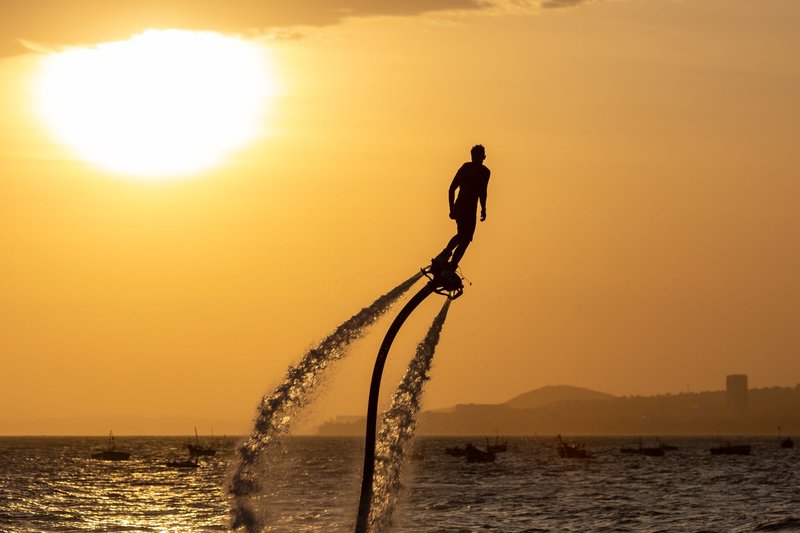
10. Flyboarding in Dubai
Where: Dubai Marina, JBR and Palm Jumeirah beach clubs Cost: roughly AED 300 to 500 for a 30-minute session Best season: October to April Level: moderate; it demands core strength and balance, and most people fall a lot on the first attempt Limits: minimum age usually around 12 and a weight range applies
A flyboard is a board attached to a hose on a jet ski; the jet ski’s pressure pushes water out of the boots on your feet and lifts you up to 10 or 15 meters above the water. Most people spend the first ten minutes face-planting. The rest is hovering, spinning and diving back in. The sessions are short because it’s tiring, and 30 minutes is plenty.
Tip: wear a swimsuit that stays on during falls, and ask for the instructor to stay close in the first few minutes. Morning slots are calmer, with less chop from boat traffic.
Desert
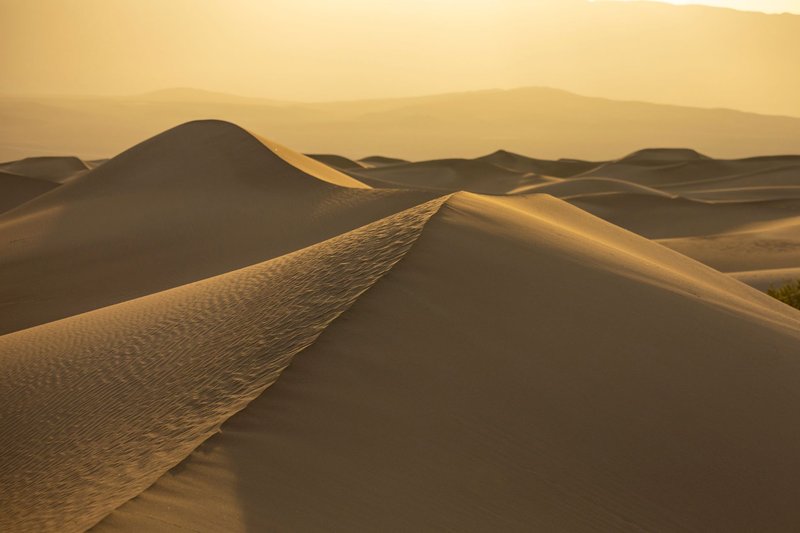
11. Dune bashing
Where: Dubai Desert Conservation Reserve, Lahbab and Al Qudra; also Abu Dhabi, Sharjah and Ras Al Khaimah Cost: shared evening safari roughly AED 60 to 150 (more with a dinner package); private 4×4 around AED 500 to 800 Best season: October to April Level: easy; you hold on and the driver does the work Limits: most operators discourage pregnant women and people with back or neck problems
A convoy of Land Cruisers climbs a dune, then drops down its face sideways. It’s loud, sandy and a lot more fun than it sounds from the description. The driver lowers the tire pressure first, which lets the tires float on the sand, and then takes the slopes at angles you wouldn’t believe were stable. The tour usually ends at a camp with sandboarding, camel rides, a barbecue and a show; the drive is the part worth the money.
Tip: ask for a morning or sunset tour instead of the midday one, and tell the driver in advance if you get motion sick. Sit in the front seat if you can.
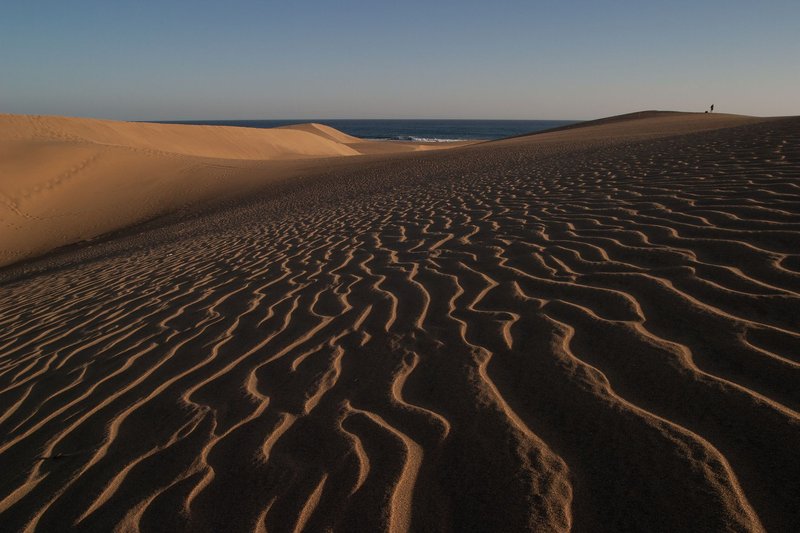
12. Climb the Liwa dunes
Where: Liwa Oasis and Moreeb Dune, southern Abu Dhabi, about 3 hours from Abu Dhabi city Cost: free to visit; sandboarding gear and guided 4×4 trips cost roughly AED 100 to 300 Best season: November to March Level: moderate to hard; sand climbing is more tiring than it looks Limits: none for the climb, though desert driving requires a proper 4×4
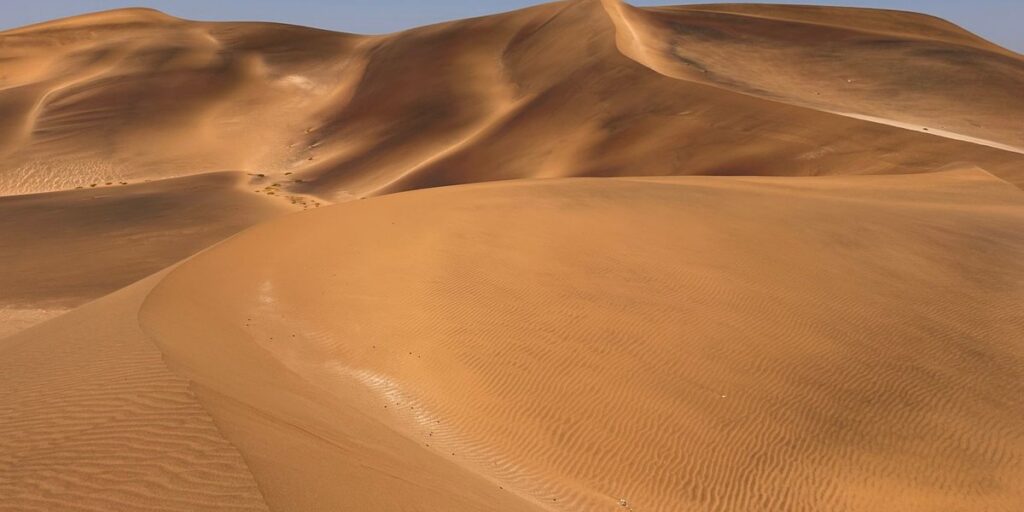
Liwa sits on the edge of the Empty Quarter (the Rub’ al Khali), the largest continuous sand desert in the world. Here the dunes are huge, orange and nothing like the low rolling ones near Dubai. Moreeb Dune is the best known, and a steep slope that serious drivers use for hill-climb events. You can climb on foot, slide down on a board, or camp overnight and watch the sky go dark enough to see the Milky Way.
Tip: bring a second vehicle if you’re driving yourself, and stay on the main tracks. A bogged-down car in the Empty Quarter is a long wait for a tow. Many visitors book a camp with transfers instead.
Comparison Table
| Activity | Emirate | Price (AED) | Best season | Thrill level (1-5) |
|---|---|---|---|---|
| Palm Jumeirah skydive | Dubai | 2,000-2,500 | Oct-Apr | 5 |
| Desert hot air balloon | Dubai | 1,100-1,600 | Oct-Apr | 2 |
| Jebel Jais Flight and Sledder | Ras Al Khaimah | 600-700 (zipline), 100-150 (sledder) | Oct-Apr | 5 |
| Jebel Hafeet climb | Abu Dhabi (Al Ain) | Free | Nov-Mar | 3 |
| Hatta kayaks and bikes | Dubai | Under 100 | Nov-Mar | 2 |
| Mangrove kayaking | Abu Dhabi | 150-250 | Oct-Apr | 1 |
| Khor Kalba kayaking | Sharjah | 100-200 | Oct-Apr | 1 |
| Wadi Adventure rafting | Abu Dhabi (Al Ain) | 150-250 | Oct-Apr | 3 |
| Fujairah scuba diving | Fujairah | 350-600 | Oct-May | 3 |
| Flyboarding | Dubai | 300-500 | Oct-Apr | 4 |
| Dune bashing | Dubai and others | 60-150 | Oct-Apr | 3 |
| Liwa dune climbing | Abu Dhabi | 100-300 | Nov-Mar | 3 |
When to Go: Planning Around the Heat
The UAE’s outdoor season runs from October to April. From May to September, coastal temperatures regularly pass 40 degrees Celsius and humidity makes it feel worse. The National Center of Meteorology publishes daily forecasts and heat advisories, and it’s worth checking before you commit to a summer activity.
A few rules that hold across the country:
- November to March is the sweet spot. Daytime highs in the mid-20s to low 30s Celsius, cool nights, and clear skies.
- October and April work for most things if you start early and finish by late morning.
- Summer isn’t dead. Jebel Jais is cooler than the coast, diving off Fujairah continues year-round, and anything indoors is fine. But dune bashing, kayaking, desert hikes and Jebel Hafeet are all poor choices between June and September.
- Rain: winter rain is rare but can flood wadis quickly. Don’t enter a dry riverbed if there’s rain in the mountains upstream.
Safety and Operator Licensing
Adventure operators in the UAE are regulated by emirate-level tourism or sports authorities, and a reputable one will show you its license on request. Check these before you pay:
- A license number from the relevant authority, such as Dubai’s Department of Economy and Tourism or the RAK tourism body.
- A safety briefing before the activity, and the right equipment for your size.
- For diving and skydiving, instructor certification (PADI, SSI or the national parachute association equivalent).
- A clear cancellation policy for weather. Skydiving, ballooning and zipline operators cancel regularly for wind.
Travel insurance that covers adventure sports is worth the extra cost for skydiving, diving and anything in the mountains. Many standard policies exclude them.
Budget vs Splurge
Under AED 200: Hatta kayaks, a shared dune safari, Jais Sledder, Khor Kalba, Jebel Hafeet, Liwa dune climbing.
AED 200 to 700: Jais Flight, flyboarding, Wadi Adventure, Fujairah dives, Abu Dhabi mangrove kayaking.
Splurge (AED 1,000 and up): the Palm Jumeirah skydive and a dawn hot air balloon flight. If you’re picking one splurge, take the skydive. Nothing else on this list gives you a comparable view for so short a time, and the price per second is absurd but the minute is the point.
A 4-Day Itinerary That Combines Them
Day 1, Dubai: skydive at dawn, flyboarding at midday, then an evening dune safari. This is the most expensive day, and you’ll sleep well.
Day 2, Hatta and Ras Al Khaimah: kayak at Hatta in the morning, then drive north to Jebel Jais for the afternoon zipline and sledder. Stay in RAK or head across the mountains toward the east coast.
Day 3, Fujairah and Sharjah: an early dive at Snoopy Island or Dibba Rock, then paddle the Khor Kalba mangroves in the late afternoon. Stay in Fujairah.
Day 4, Abu Dhabi and Al Ain: drive to Al Ain for an early Jebel Hafeet climb or a morning at Wadi Adventure, and head back to Abu Dhabi for the Eastern Mangroves at sunset.
If you only have a long weekend, drop Day 4 and pick whichever of the others suits you. The roads are good and the distances short, but the cars and the sun both make you tired, so don’t try to do all twelve.


