
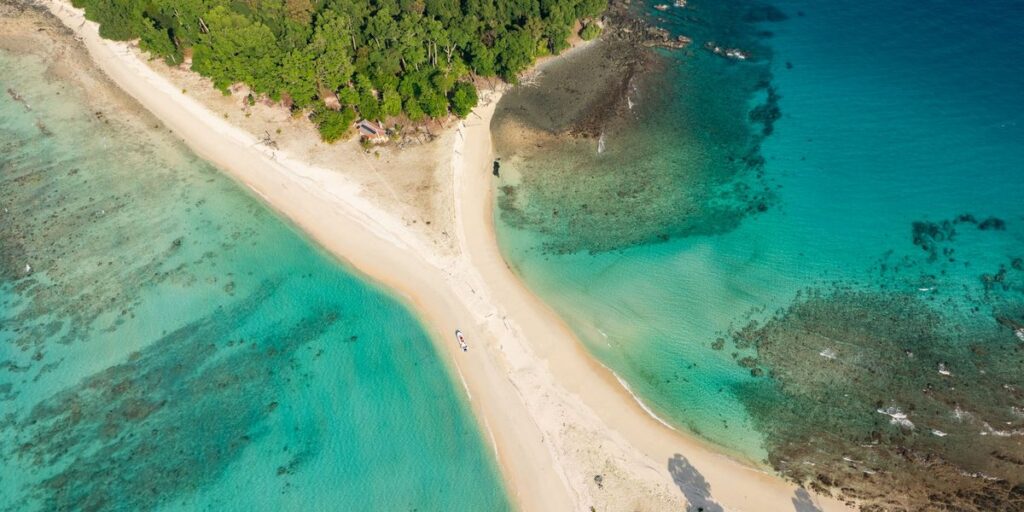
Say “Bon dia” to every shopkeeper, driver and waiter and your trip gets easier. That one Kriolu greeting does more than any other phrase in this guide, because in Cabo Verde the greeting comes before the transaction. Skip it and you’re a customer. Say it and you’re a guest.
Below are the useful phrases for tourists in Cabo Verde, grouped by situation, with Kriolu and Portuguese side by side and a rough pronunciation for each.
Contents
- TLDR: the one-screen cheat sheet
- Kriolu, Portuguese or English: which to use
- How to read the pronunciation guides
- Greetings and politeness
- Getting around: aluguers, taxis and ferries
- Eating and drinking
- Shopping, prices and bargaining
- Emergencies and health
- Numbers
- Island spelling differences
- Morabeza and sodadi: two words worth knowing
- Do they speak English in Cabo Verde?
TLDR: the one-screen cheat sheet
| English | Kriolu | Say it |
|---|---|---|
| Good morning / hello | Bon dia | bohn DEE-ah |
| Good afternoon | Bon tardi | bohn TAR-dee |
| Good evening | Bon noti | bohn NOH-tee |
| How are you? | Kuma ki bu sta? | KOO-mah kee boo stah |
| Thank you | Obrigadu / Obrigada | oh-bree-GAH-doo / -dah |
| Please | Pur favor | poor fah-VOR |
| Yes / No | Sin / Nau | seen / now |
| Sorry / excuse me | Diskulpa | deesh-KOOL-pah |
| How much is it? | Kantu ki é? | KAHN-too kee eh |
| Too expensive | Mutu karu | MOO-too KAH-roo |
| Stop here, please | Pára li, pur favor | PAH-rah lee |
| The bill, please | Konta, pur favor | KOHN-tah |
| Help! | Djuda-m! | JOO-dahm |
Men say obrigadu, women say obrigada. It follows the speaker, not the person you’re thanking.
Kriolu, Portuguese or English: which to use
Cabo Verde has three languages in play, and they don’t do the same job.
Portuguese is the official language. It’s what you’ll see on signs, menus, bus tickets and government forms, and what the police, banks and hospitals work in. According to the CIA World Factbook, Portuguese is official while Kriolu is the national language spoken across the islands.
Kriolu (Cape Verdean Creole) is what people actually speak at home, in the street and in the bar. It grew out of Portuguese and West African languages, and it isn’t a casual version of Portuguese. A Portuguese speaker from Lisbon will catch a word here and there and lose the rest. The constitution commits the state to giving Kriolu equal status with Portuguese, but that hasn’t happened yet.
English works in the resort belts of Sal and Boa Vista, where hotel staff, tour guides and restaurant owners handle English, German and Italian daily. Step outside those areas and it thins out fast.
A rule that works everywhere: open in Kriolu, then switch to whichever language gets the job done. Use Portuguese for anything formal (a clinic, a police report, a hotel dispute). Use Kriolu for greetings, thanks and small talk, where even clumsy effort gets a grin.
Most competing phrase lists blur the two. In the tables below, if a phrase is identical in both languages, the Kriolu column says so.
How to read the pronunciation guides
Capital letters mark the stressed syllable. A few Kriolu spelling rules cover most of it:
- k is always a hard “k” (Kriolu writes kuma, Portuguese writes como).
- dj sounds like the “j” in “jam”.
- tx sounds like the “ch” in “chair”.
- x sounds like “sh”.
- Final -u is a short “oo”, so obrigadu ends in “doo”, not “doh”.
Greetings and politeness
| English | Kriolu | Portuguese | Say it (Kriolu) |
|---|---|---|---|
| Good morning | Bon dia | Bom dia | bohn DEE-ah |
| Good afternoon | Bon tardi | Boa tarde | bohn TAR-dee |
| Good evening / night | Bon noti | Boa noite | bohn NOH-tee |
| How are you? | Kuma ki bu sta? | Como está? | KOO-mah kee boo stah |
| I’m fine | N sta bon | Estou bem | n stah bohn |
| Thank you | Obrigadu / Obrigada | Obrigado / Obrigada | oh-bree-GAH-doo / -dah |
| You’re welcome | Di nada | De nada | dee NAH-dah |
| Please | Pur favor | Por favor | poor fah-VOR |
| Yes | Sin | Sim | seen |
| No | Nau | Não | now |
| Excuse me / sorry | Diskulpa | Desculpe | deesh-KOOL-pah |
| My name is… | Nha nómi é… | O meu nome é… | nyah NOH-mee eh |
| Goodbye | Te logu | Até logo | teh LOH-goo |
| I don’t understand | N ka ta antendi | Não percebo | n kah tah ahn-ten-DEE |
| Do you speak English? | Bu ta papia ingles? | Fala inglês? | boo tah pah-PEE-ah een-GLESH |
| Slower, please | Papia dibagar, pur favor | Mais devagar, por favor | pah-PEE-ah jee-bah-GAR |
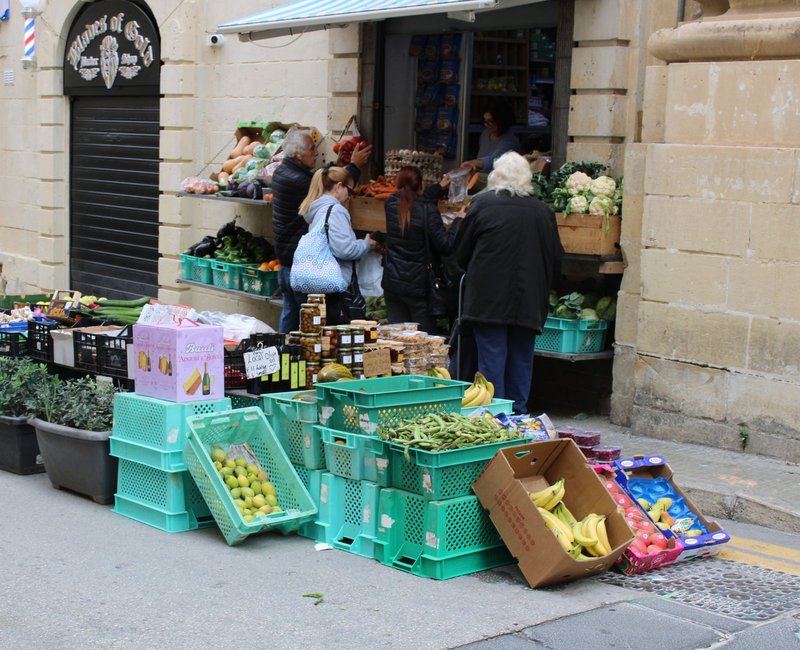
Papia means “speak” or “chat”, and it’s the root of the word papiamento in the Caribbean, a related Creole. Walk into a small shop, say “Bon dia” first, wait for the answer, and only then ask for what you want. That order matters more than your grammar.
Getting around: aluguers, taxis and ferries
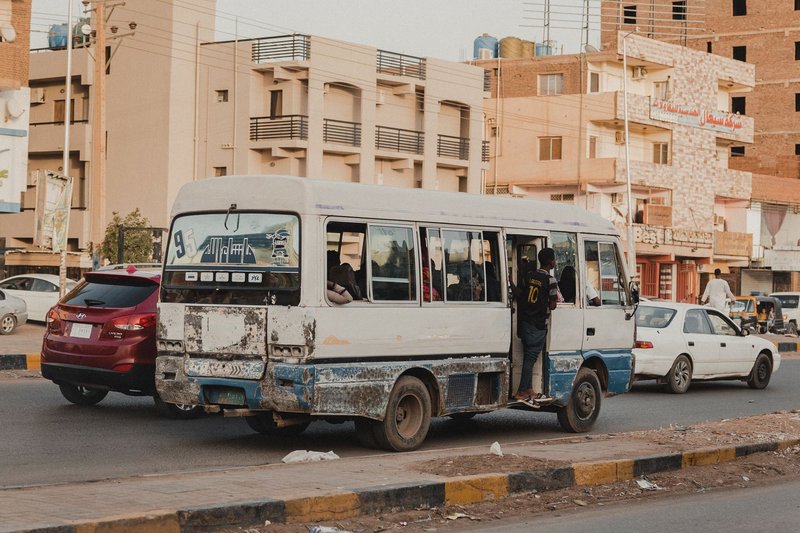
The workhorse of Cabo Verdean transport is the aluguer, a shared minibus or pickup that runs set routes and leaves when it’s full. In Portuguese the word means “rental”, but here it means the van. On Santiago, Santo Antão, Fogo and São Vicente, aluguers will take you places taxis won’t, and for a fraction of the price. There’s rarely a timetable. You ask where it’s going, and when the driver has enough people, it goes.
| English | Kriolu | Portuguese | Say it (Kriolu) |
|---|---|---|---|
| Where is…? | Undi ki ta…? | Onde fica…? | OON-dee kee tah |
| Is this going to Praia? | Es ta bai Praia? | Vai para a Praia? | ehsh tah by PRY-ah |
| Stop here, please | Pára li, pur favor | Pare aqui, por favor | PAH-rah lee |
| To the airport | Pa aeroportu | Para o aeroporto | pah ah-eh-roh-POR-too |
| How much to Santa Maria? | Kantu ki é pa Santa Maria? | Quanto custa até Santa Maria? | KAHN-too kee eh pah… |
| One ticket to… | Un bilhetu pa… | Um bilhete para… | oon bee-LYEH-too pah |
| What time does the ferry leave? | Ki ora ki barku ta sai? | A que horas sai o barco? | kee OH-rah kee BAR-koo tah sy |
| Left | Esquerda (same) | Esquerda | esh-KEHR-dah |
| Right | Direita (same) | Direita | dee-RAY-tah |
| Straight ahead | Dretu | Em frente | DREH-too |
Kriolu borrows left and right from Portuguese, so just say the Portuguese words. Agree the price before you get into a taxi, and keep small notes handy. Aluguer fares are fixed and locals pay the same, so watch what the person ahead of you hands over and copy it.
Ferries between islands (Santo Antão to São Vicente, Fogo to Brava) sell tickets at the port, often only on the day, and sailings get cancelled when the Atlantic is rough. Ask “Ki ora ki barku ta sai?” and then ask it again an hour before.
Eating and drinking
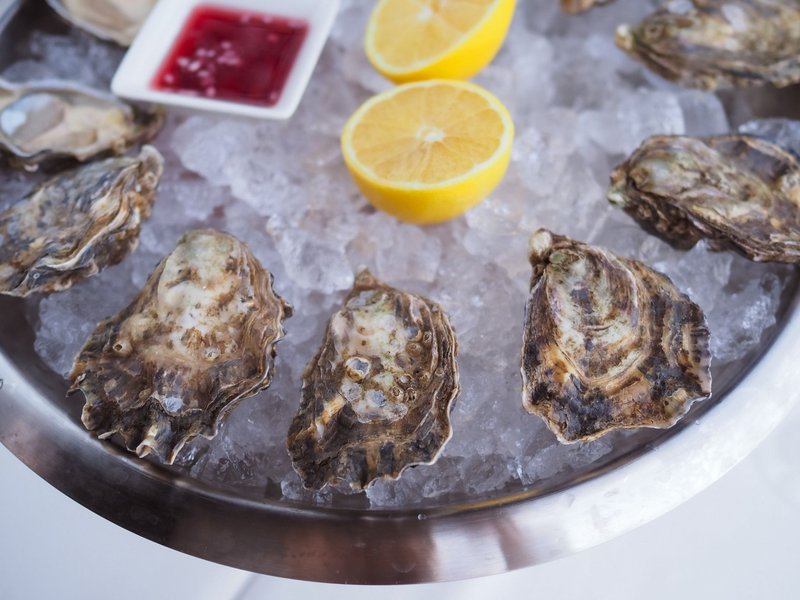
Restaurants in Santa Maria and Sal Rei will hand you an English menu. Anywhere else, expect a short Portuguese one, and often just a verbal list of what the kitchen has that day.
| English | Kriolu | Portuguese | Say it (Kriolu) |
|---|---|---|---|
| A table for two | Un mesa pa dós | Uma mesa para dois | oon MEH-zah pah dosh |
| The menu, please | Menu, pur favor | A ementa, por favor | MEH-noo poor fah-VOR |
| I’d like… | N misti… | Queria… | n MEESH-tee |
| Water | Agu | Água | AH-goo |
| Beer | Serveja | Cerveja | ser-VEH-jah |
| A coffee | Un kafé | Um café | oon kah-FEH |
| I don’t eat meat | N ka ta kume karni | Não como carne | n kah tah KOO-mee KAR-nee |
| Delicious | Sabi dimás | Delicioso | SAH-bee jee-MASH |
| Cheers | Saúdi | Saúde | sah-OO-dee |
| The bill, please | Konta, pur favor | A conta, por favor | KOHN-tah poor fah-VOR |
Two food words worth learning that aren’t phrases. Cachupa is the national dish, a slow-cooked stew of hominy corn and beans, usually with pork, sausage or fish, and the leftovers get fried for breakfast. Grogue is the sugarcane spirit, strong and clear, and ponche is grogue mixed with molasses or fruit. If someone pours you a glass at a bar on Santo Antão, drink it slowly.
Tipping is modest. Rounding up or leaving around 10 percent in a sit-down restaurant is plenty.
Shopping, prices and bargaining
The currency is the Cape Verdean escudo (CVE), pegged to the euro at 110.265 escudos per euro. Hotels and resort shops on Sal and Boa Vista take euros, but you’ll get a better rate at a shop paying in escudos.
One local quirk: people say kontu (Portuguese conto) for 1,000 escudos, so “dós kontu” means 2,000. It confuses nearly every first-time visitor.
| English | Kriolu | Portuguese | Say it (Kriolu) |
|---|---|---|---|
| How much is this? | Kantu ki é kel li? | Quanto custa isto? | KAHN-too kee eh kel lee |
| Too expensive | Mutu karu | Muito caro | MOO-too KAH-roo |
| Cheap | Baratu | Barato | bah-RAH-too |
| Do you have a cheaper one? | Bu ten mas baratu? | Tem mais barato? | boo ten mash bah-RAH-too |
| I’ll take it | N ta leba kel li | Levo este | n tah LEH-bah kel lee |
| No, thank you | N ka misti, obrigadu | Não quero, obrigado | n kah MEESH-tee |
| Do you take cards? | Aceita cartão? (same) | Aceita cartão? | ah-SAY-tah kar-TOWN |
Bargaining is normal at craft stalls and with street sellers in Santa Maria, Mindelo and the Praia market (Sucupira). Start at about half the asking price and settle somewhere between. Supermarkets, restaurants, pharmacies and aluguers are fixed price, so don’t try it there.
If a vendor on a beach won’t leave you alone, “N ka misti, obrigadu” said once, calmly, with a smile, ends most conversations. Repeating it louder doesn’t help.
Emergencies and health
Use Portuguese here if you can manage it. Medical and police staff are trained in it, and a Portuguese phrase will cut through where Kriolu from a foreigner might not. The Kriolu versions are listed because a bystander is more likely to help in it.
| English | Kriolu | Portuguese | Say it (Kriolu) |
|---|---|---|---|
| Help! | Djuda-m! | Socorro! | JOO-dahm |
| I need a doctor | N meste di un dotor | Preciso de um médico | n MESH-tee jee oon doh-TOR |
| I’m sick | N sta duenti | Estou doente | n stah doo-EN-tee |
| Call the police | Txoma polísia | Chame a polícia | CHOH-mah poh-LEE-zee-ah |
| Where is the hospital? | Undi ki ta ospital? | Onde fica o hospital? | OON-dee kee tah osh-pee-TAL |
| Thief! | Ladron! | Ladrão! | lah-DROHN |
| I lost my passport | N perdé nha pasaporti | Perdi o meu passaporte | n per-DEH nyah pah-zah-POR-tee |
Pickpocketing in Praia and Mindelo is the common crime, and the UK government’s travel advice for Cape Verde also flags strong Atlantic currents at beaches, especially on the unguarded stretches of Sal and Boa Vista. Learn the signs, too:
| Sign | Meaning |
|---|---|
| Perigo | Danger |
| Proibido | Forbidden |
| Entrada / Saída | Entrance / Exit |
| Aberto / Fechado | Open / Closed |
| Casa de banho | Toilet |
If a local on a beach tells you “Nau nadja li” (don’t swim here), take them seriously. They know where the current runs.
Numbers
| Kriolu | Portuguese | Say it (Kriolu) | |
|---|---|---|---|
| 1 | Un | Um | oon |
| 2 | Dos | Dois | dosh |
| 3 | Tres | Três | tresh |
| 4 | Kuatru | Quatro | KWAH-troo |
| 5 | Sinku | Cinco | SEEN-koo |
| 6 | Ses | Seis | sesh |
| 7 | Sét | Sete | set |
| 8 | Oitu | Oito | OY-too |
| 9 | Nobi | Nove | NOH-bee |
| 10 | Des | Dez | desh |
| 20 | Vinti | Vinte | VEEN-tee |
| 50 | Sinkuenta | Cinquenta | seen-KWEN-tah |
| 100 | Sen | Cem | sen |
| 1,000 | Mil | Mil | meel |
For prices, you’ll mostly hear the Portuguese or Kriolu number followed by skudu (escudo). A bottle of water costing “sinku skudu” is not the same as “sinkuenta”.
Island spelling differences
Kriolu was an oral language for centuries, and it still varies by island. The official writing system, ALUPEC, was adopted in 2009, and plenty of signs, menus and song lyrics ignore it. So expect the same word spelled three ways.
The big split is between the southern islands (Sotavento: Santiago, Fogo, Maio, Brava) and the northern ones (Barlavento: Santo Antão, São Vicente, São Nicolau, Sal, Boa Vista). Santiago Kriolu tends to be the one printed in textbooks, and it’s the basis of most of the phrases here. In São Vicente, “you” is often bô where Santiago says bu, and greetings and verb markers shift slightly. Locals understand each other across islands, and they will understand you if you use the Santiago form on Sal or Mindelo.
Don’t worry about picking the “right” version. If a local corrects your pronunciation, repeat it back and they’ll be pleased.
Morabeza and sodadi: two words worth knowing
Morabeza is Cabo Verde’s word for hospitality: the warmth of being welcomed into someone’s home, offered a seat, a drink or a plate of food before they’ve asked who you are. You’ll hear it in tourism slogans, but you’ll also see it in practice when a stranger on Fogo walks you to the right aluguer instead of pointing.
Sodadi (Portuguese saudade) is longing, for home, for people who’ve left, for time that’s gone. Cesária Évora’s song “Sodade” made it the most recognised Kriolu word outside the islands. Roughly a million Cabo Verdeans live abroad, which is part of why the word carries so much weight. Neither is a phrase to use at a counter, but knowing them explains why a simple “Bon dia” lands the way it does.
Do they speak English in Cabo Verde?
In Santa Maria on Sal and in the Sal Rei resort areas of Boa Vista, yes, enough to book tours, order dinner and sort out a problem at reception. In Praia, Mindelo and the hotel districts of the bigger islands, younger people and anyone in tourism will usually manage. On Santo Antão’s mountain roads, in Fogo’s crater villages or in a fishing village on São Nicolau, don’t count on it.
That’s the case for learning twenty or thirty phrases before you go. The ones that earn their keep fastest are the greetings, the numbers, “Kantu ki é?”, “Pára li” and “N ka misti, obrigadu”. Screenshot the cheat sheet at the top and keep it on your phone, because mobile signal on the smaller islands cuts out when you need a translation app most.

