
You don’t need Arabic to get around Jordan. You’ll get a warmer reaction if you use a little of it anyway. This guide covers the useful phrases for tourists in Jordan that come up on a real trip: greetings, taxis, souks, restaurants, hotels, Petra and Wadi Rum, emergencies and prices. Each table gives English, Latin transliteration and Arabic script, and each section ends with a cultural tip.
All phrases are Jordanian Arabic, which belongs to the Levantine family spoken in Jordan, Palestine, Syria and Lebanon. It is not the formal Arabic of news broadcasts, and it differs from Egyptian Arabic in ways covered below.
Table of Contents
- Five Useful Phrases for Tourists in Jordan
- Is English Enough in Jordan?
- Jordanian Arabic vs Egyptian Arabic
- Pronunciation and Male/Female Forms
- Greetings and Replies
- Politeness Basics
- Shopping and Bargaining
- Taxis and Directions
- Restaurants and Dietary Needs
- Hotels
- Petra and Wadi Rum
- Emergencies and Health
- Numbers and Prices
- Ramadan and Eid Greetings
Five Useful Phrases for Tourists in Jordan
If you memorize nothing else:
- Marhaba (مرحبا): hello.
- Shukran (شكراً): thank you. The reply is afwan.
- Law samaht (لو سمحت): excuse me or please. It gets a waiter, a driver or a stranger’s attention without any fuss.
- Addeish hada? (أديش هذا؟): how much is this?
- Ma bidi, shukran (ما بدي، شكراً): I don’t want it, thanks. This one handles touts, camel-ride offers and a third helping of food.
Is English Enough in Jordan?
Mostly, yes. Arabic is the official language, and the CIA World Factbook lists English as widely understood among the middle and upper classes. In practice that means hotel desks, tour operators, restaurant staff in Amman, Petra and Aqaba, and most young people in cities speak it.
The gaps show up outside the tourist loop: a corner falafel shop, a minibus driver, an older shopkeeper in a smaller town. That’s where five words of Arabic change the whole exchange. The phrases here are a courtesy that also happens to be useful, not a requirement.
Jordanian Arabic vs Egyptian Arabic
Many online phrase lists and lessons lean Egyptian, because Egyptian films and music are everywhere. Egyptian words will be understood in Jordan, but a few are different enough to confuse, and Levantine forms sound more natural.
| Meaning | Jordanian | Egyptian |
|---|---|---|
| Where? | wein (وين) | fein (فين) |
| I want | bidi (بدي) | ‘ayez / ‘ayza (عايز / عايزة) |
| How are you? | kifak / kifik (كيفك) | izzayyak / izzayyik (إزيك) |
| Now | halla’ (هلأ) | dilwa’ti (دلوقتي) |
Formal phrases like min fadlak are understood everywhere, so they’re safe fallbacks.
Pronunciation and Male/Female Forms
A few sounds have no English equivalent. You don’t need to get them perfect, since Jordanians are generous about this, but close helps.
- kh (خ): like the “ch” in Scottish “loch”. Khubz (bread), khamseh (five).
- gh (غ): a gargled “r”, like the French r. Ghali (expensive).
- h (ح): a breathy, whispered “h” from the throat, harder than English “h”. Hammam (bathroom).
- ‘ayn (ع): a tightened throat sound with no English match. Written as an apostrophe here, as in ‘indi (I have). If you can’t make it, a short, firm vowel will do.
- q (ق): in Amman and other cities it’s usually a glottal stop, the catch in “uh-oh”. Bedouin and rural speakers say it as a hard “g”. Either is correct.
- Doubled letters are held slightly longer: sitteh (six) and marhabtayn get a beat on the double consonant.
Male and female forms. Arabic marks the gender of the person you’re speaking to, and sometimes your own. The difference is usually one final vowel:
- -ak to a man, -ik to a woman: fadlak / fadlik, kifak / kifik.
- Asif (آسف) if you’re a man apologizing, asfa (آسفة) if you’re a woman.
- If you use the wrong form, nobody minds. When in doubt, use the masculine.
Greetings and Replies
| English | Transliteration | Arabic |
|---|---|---|
| Hello (peace be upon you) | as-salamu ‘alaykum | السلام عليكم |
| Reply to the above | wa ‘alaykum as-salam | وعليكم السلام |
| Hi | marhaba | مرحبا |
| Reply to marhaba | marhabtayn | مرحبتين |
| Welcome | ahlan wa sahlan | أهلاً وسهلاً |
| Reply to welcome | ahlan fik (m) / ahlan fiki (f) | أهلاً فيك / أهلاً فيكِ |
| Good morning | sabah al-khayr | صباح الخير |
| Reply | sabah an-noor | صباح النور |
| Good evening | masa’ al-khayr | مساء الخير |
| Reply | masa’ an-noor | مساء النور |
| How are you? | kifak (m) / kifik (f) | كيفَك / كيفِك |
| Fine, thank God | tamam, alhamdulillah | تمام، الحمد لله |
| Goodbye | ma’a salameh | مع السلامة |
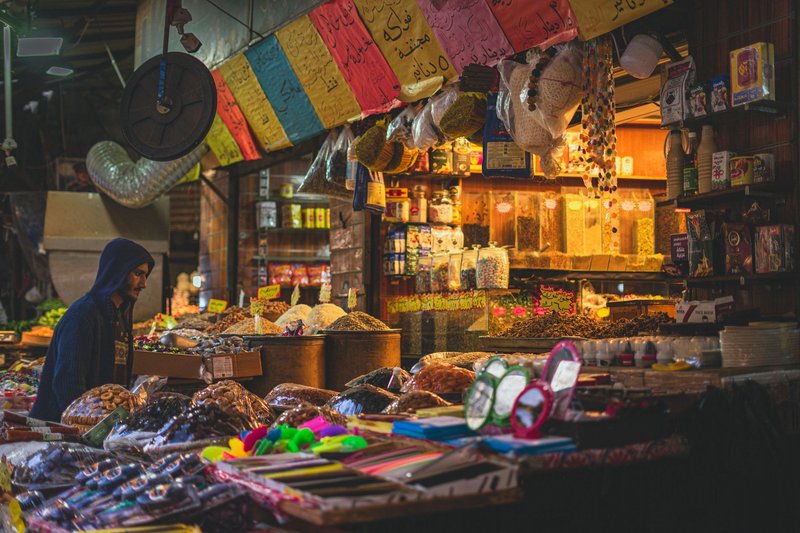
Cultural tip: You’ll hear “Ahlan wa sahlan” from shopkeepers, hotel staff and strangers, often several times a day. Don’t answer with “thank you.” Answer with ahlan fik, which returns the welcome. Jordanians also tend to ask about your health and family before getting to business, so a rushed greeting reads as cold.
Politeness Basics
| English | Transliteration | Arabic |
|---|---|---|
| Please | min fadlak (m) / min fadlik (f) | من فضلَك / من فضلكِ |
| Excuse me / please (everyday) | law samaht | لو سمحت |
| Thank you | shukran | شكراً |
| Thank you very much | shukran jazeelan | شكراً جزيلاً |
| You’re welcome | afwan | عفواً |
| Sorry | asif (m) / asfa (f) | آسف / آسفة |
| Yes | aywa / na’am | أيوه / نعم |
| No | la’ | لا |
| No, thank you | la’ shukran | لا شكراً |
| I don’t understand | ma fhemt | ما فهمت |
| Do you speak English? | btihki inglizi? | بتحكي إنجليزي؟ |
| I don’t speak Arabic | ma bahki ‘arabi | ما بحكي عربي |
| Slowly, please | shwayy shwayy | شوي شوي |
Cultural tip: Use your right hand to give, take and eat. The left is considered unclean, and people notice, especially when handing over money or food.
Shopping and Bargaining
| English | Transliteration | Arabic |
|---|---|---|
| How much is this? | addeish hada? | أديش هذا؟ |
| That’s too expensive | ghali ktir | غالي كتير |
| Last price? | akhir si’r? | آخر سعر؟ |
| Can you lower it a bit? | btnazzil shwayy? | بتنزّل شوي؟ |
| I’m just looking | bas batfarraj | بس بتفرج |
| I’ll take it | bakhdo | باخذه |
| I don’t want it, thanks | ma bidi, shukran | ما بدي شكراً |
| Maybe later | yimkin ba’dein | يمكن بعدين |
Cultural tip: Bargaining is normal in souks and for souvenirs, and it’s not expected in supermarkets, bakeries or restaurants. Start at roughly half the first price and settle closer to two-thirds. If the seller stops moving and you’re still unhappy, say yimkin ba’dein and walk away. You’ll often be called back with a better number, and if you aren’t, the next stall sells the same thing.
Taxis and Directions
| English | Transliteration | Arabic |
|---|---|---|
| Where is…? | wein…? | وين…؟ |
| Where is the bathroom? | wein al-hammam? | وين الحمّام؟ |
| Right | yameen | يمين |
| Left | shmal | شمال |
| Straight ahead | dughri | دغري |
| Is it far? | ba’eed? | بعيد؟ |
| With the meter, please | bil-‘addad, law samaht | بالعداد لو سمحت |
| How much to…? | addeish la…? | أديش لـ…؟ |
| Stop here, please | waqqif hon, law samaht | وقّف هون لو سمحت |
| I’m lost | ana tayih (m) / tayha (f) | أنا تايه / تايهة |
| Let’s go | yalla | يلا |
Cultural tip: Agree on the fare or the meter before you get in. Taxi drivers in Amman sometimes claim the meter is broken. The easy fix is a ride-hailing app such as Careem or Uber, which both operate in Amman. Tip by rounding up the fare.
Restaurants and Dietary Needs
| English | Transliteration | Arabic |
|---|---|---|
| A table for two | tawleh la-itnein | طاولة لاثنين |
| The menu, please | il-menu, law samaht | المنيو لو سمحت |
| Water | mayy | ميّ |
| I’m vegetarian | ana nabati (m) / nabatiyyeh (f) | أنا نباتي / نباتية |
| Without meat | bidoon lahmeh | بدون لحمة |
| I’m allergic to nuts | ‘indi hassasiyyeh min al-mukassarat | عندي حساسية من المكسرات |
| Not spicy | bidoon har | بدون حار |
| Delicious | ktir zaki | كتير زاكي |
| Enjoy your meal | sahtein | صحتين |
| Reply to sahtein | Allah y’afik | الله يعافيك |
| I’m full, may God increase your bounty | kattar khayrak | كثّر خيرك |
| The bill, please | il-hisab, law samaht | الحساب لو سمحت |
Cultural tip: Vegetarians have it easy. Hummus, foul, falafel, mutabbal, tabbouleh and fattoush are standard menu items. Say bidoon lahmeh anyway, because some stews and rice dishes use meat stock or lamb fat without saying so. And when a host pours Arabic coffee into a small cup, the refills keep coming until you tilt the cup gently from side to side, which means “enough.” Declining the first cup outright can look rude, so accept it.
Hotels
| English | Transliteration | Arabic |
|---|---|---|
| I have a reservation | ‘indi hajz | عندي حجز |
| Room key | miftah il-ghurfeh | مفتاح الغرفة |
| What’s the Wi-Fi password? | shu kilmet sirr il-wifi? | شو كلمة سر الواي فاي؟ |
| The air conditioning isn’t working | il-mukayyif mish shaghghal | المكيّف مش شغّال |
| There’s no hot water | ma fi mayy sukhneh | ما في ميّ سخنة |
| What time is breakfast? | ayya sa’a il-futoor? | أي ساعة الفطور؟ |
Cultural tip: Hotel staff will almost always answer in English, so these phrases matter less here than in a taxi. Tipping a dinar or two to the porter or housekeeper at the end of a stay is normal and appreciated.
Petra and Wadi Rum
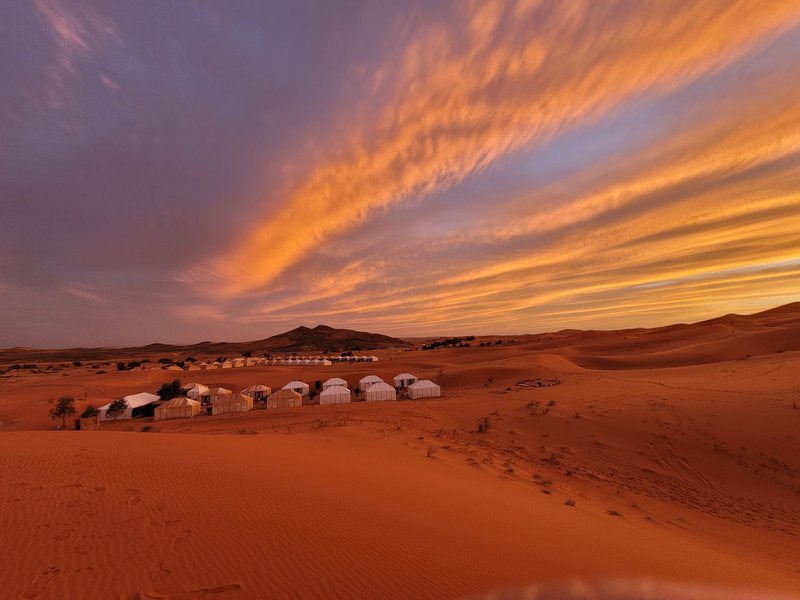
Tour guides at Petra speak English, and so do the Bedouin camp hosts and jeep drivers around Wadi Rum. A few phrases still make the interaction smoother, and the first one is a matter of courtesy.
| English | Transliteration | Arabic |
|---|---|---|
| Can I take a photo? | mumkin asawwer? | ممكن أصوّر؟ |
| How long does it take? | addeish biakhod wa’t? | أديش بياخد وقت؟ |
| No ride, thanks | ma bidi arkab, shukran | ما بدي أركب شكراً |
| Tea, please | shai, law samaht | شاي لو سمحت |
| It’s beautiful | ktir helu | كتير حلو |
Cultural tip: Ask before photographing people, especially women and elders. Camel, donkey and horse offers along the Petra trail are persistent, and a firm, smiling ma bidi, shukran repeated once or twice ends most of them. Agree on the price before you climb on.
Emergencies and Health
| English | Transliteration | Arabic |
|---|---|---|
| Help! | ilhaqooni! | الحقوني! |
| Call the police | ittasil bil-shurta | اتصل بالشرطة |
| I need a doctor | bidi doktor | بدي دكتور |
| I’m sick | ana mareed (m) / mareeda (f) | أنا مريض / مريضة |
| My stomach hurts | batni bitwaja’ni | بطني بتوجعني |
| Pharmacy | saydaliyyeh | صيدلية |
| Hospital | mustashfa | مستشفى |
| I lost my passport | da’a jawaz safari | ضاع جواز سفري |
Cultural tip: Police are 191 and ambulance is 193; 911 also connects to emergency services. Save these before you travel. Pharmacies in Jordan are well stocked, and a pharmacist will often advise on minor stomach or sun problems without a doctor’s visit. Show your hotel card to anyone you ask for help, since it gives them an address to send you to.
Numbers and Prices
Spoken prices are where most tourists get stuck. The currency is the Jordanian dinar (دينار), and in conversation prices are quoted in dinars with fractions: a half is nuss and a quarter is rubu’.
| Number | Transliteration | Arabic |
|---|---|---|
| 1 | wahid | واحد |
| 2 | itnein | اثنين |
| 3 | talateh | ثلاثة |
| 4 | arba’a | أربعة |
| 5 | khamseh | خمسة |
| 6 | sitteh | ستة |
| 7 | sab’a | سبعة |
| 8 | tmaneh | ثمانية |
| 9 | tis’a | تسعة |
| 10 | ‘ashara | عشرة |
| 20 | ‘ishreen | عشرين |
| 50 | khamseen | خمسين |
| 100 | miyyeh | مية |
| Half a dinar | nuss dinar | نص دينار |
| Quarter dinar | rubu’ dinar | ربع دينار |
Cultural tip: Arabic numerals (١ ٢ ٣) appear on bus fronts, price tags and some shop signs, and they aren’t the digits you’re used to. Learning to read 1 to 10 in them takes ten minutes and saves real confusion.
Ramadan and Eid Greetings
Visiting during Ramadan changes the rhythm of the day. Many restaurants outside tourist areas close until sunset, and eating or drinking openly on the street during daylight is considered impolite. After sunset, the cities are at their liveliest.
| English | Transliteration | Arabic |
|---|---|---|
| Happy Ramadan | Ramadan kareem | رمضان كريم |
| Reply | Allahu akram | الله أكرم |
| Happy Eid | ‘Eid mubarak | عيد مبارك |
| Many happy returns (Eid greeting) | kull ‘am wa inta bkhair (m) / inti bkhair (f) | كل عام وأنت بخير / وأنتِ بخير |
Cultural tip: Say Ramadan kareem even if the only person you’re talking to is a taxi driver. It’s the most welcome thing a foreign visitor can say that month.