
Kyrgyzstan has two official languages in practice, but the law gives them different titles. Kyrgyz is the state language. Russian is the official language. Both are written into Article 13 of the 2021 constitution, and the gap between those two words explains most of the confusion online.
TLDR
- Kyrgyz is the state language. Russian is the official language. Uzbek, Dungan, Uyghur and others are minority languages with no official status.
- Russian has had official status since the early 2000s (sources disagree on the exact year, see below).
- The 2021 constitution kept the Kyrgyz/Russian split. A 2023 state language law pushed Kyrgyz further into government, signs and advertising.
- Travelers can get by in Bishkek with Russian. English is rare outside hotels and tour offices.
Contents
- State language vs official language
- Timeline: how the official languages in Kyrgyzstan got here
- Who speaks what
- Three alphabets in a century
- Where each language is actually used
- What this means for travelers
State language vs official language
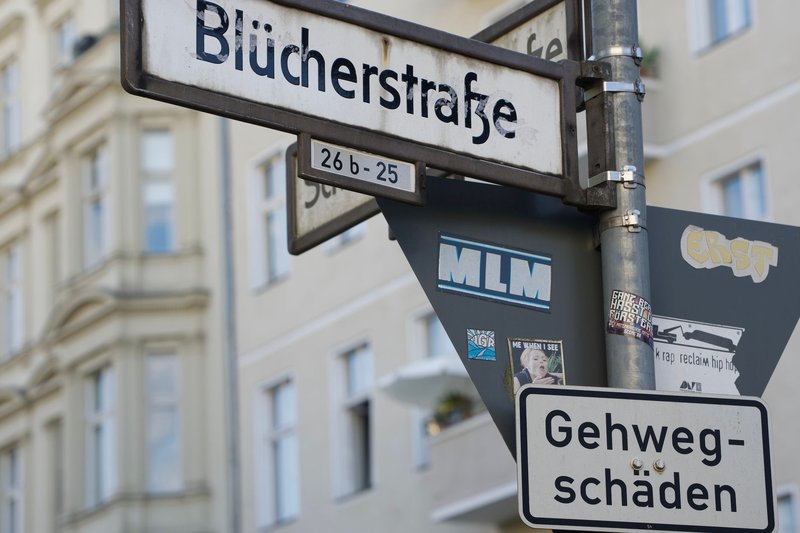
The two terms sound interchangeable. They aren’t.
The state language is the national one. It carries the symbolism of the country, it’s the language the state is expected to operate in, and it’s the one a presidential candidate has to speak fluently. Kyrgyz holds that title.
The official language is the one used in practice for government business, alongside the state language. Russian holds that title. That means a Russian speaker can deal with a ministry, a court or a local administration in Russian without being turned away.
Put simply: Kyrgyz is the language of the nation, and Russian is the language that keeps the paperwork moving. Since independence, the political fight has been over how much weight each one should carry.
Timeline: how the official languages in Kyrgyzstan got here
- 1989: The Kyrgyz Soviet Socialist Republic passes a language law making Kyrgyz the republic’s state language, two years before independence.
- 1991: Kyrgyzstan becomes independent in August. Kyrgyz is the state language of the new country.
- 1996-2001: Russian’s status rises in steps. A 1996 constitutional amendment guaranteed its use. A 2000 law on the official language gave it official status. A 2001 amendment wrote that status into the constitution.
- 2010: A new constitution, adopted after the April revolution, keeps the arrangement: Kyrgyz as state language, Russian as official.
- 2021: A new constitution is adopted. Article 13 keeps the same split.
- 2023: A new state language law tightens requirements for using Kyrgyz in official settings and public life.
About that 1996, 2000 or 2001 confusion. Sources pick different years because they count different steps: the amendment that protected Russian, the law that called it official, or the constitutional text that made it permanent. All three happened. Which one you call “the start” is a choice.
The 2023 law drew criticism from Moscow, where some officials and commentators read it as pressure on Russian speakers. Bishkek’s position is that it simply strengthens the state language in a country where Kyrgyz speakers are the clear majority. The debate over Russian’s place hasn’t ended, and no major outlet ranking for this topic covers what the law actually changed.
Who speaks what
Hard numbers are the weak spot. Kyrgyzstan’s last full language breakdown that most sources use dates to the 2009 census, and the CIA World Factbook still lists those figures. Newer data from the National Statistical Committee tracks population and ethnicity more than language, so treat the table as a rough shape, not a current count.
| Language | Native speakers (2009 est.) | As a second language |
|---|---|---|
| Kyrgyz | about 71% | Spoken by a minority of non-Kyrgyz, mostly in rural areas |
| Uzbek | about 14% | Common among neighbors of Uzbek communities in the south |
| Russian | about 9% | Spoken at some level by roughly half the population or more |
Two points stand out. Russian has a small native-speaker base but a large second-language footprint, which is why it works as a common language between Kyrgyz, Uzbeks, Dungans, Uyghurs and Kazakhs. And Uzbek, with no official status, is the second most common mother tongue.
Three alphabets in a century

Kyrgyz has changed scripts more than once, and each change followed a political shift.
- Arabic script: Used before the Soviet period by a small literate class.
- Latin (1928): Introduced as part of a Soviet-wide push for Turkic languages.
- Cyrillic (1941): Imposed as Moscow moved the Turkic republics onto Russian-based alphabets.
Modern Kyrgyz Cyrillic has 36 letters. Three of them, ң, ө and ү, don’t exist in Russian and cover Kyrgyz sounds that Russian can’t write.
Cyrillic is still the working script today. Officials have floated a switch back to Latin, as Uzbekistan and Turkmenistan did, but Cyrillic remains the script on every sign, school textbook and government form you’ll see.
Where each language is actually used
Law and daily life don’t match exactly.
- Parliament and government: Debate and legislation happen in both. Kyrgyz is expected in formal state business, and the 2023 law raised that expectation. Russian still dominates a lot of paperwork and technical documents.
- Business: Russian is the default in Bishkek offices, banks and trade with Kazakhstan and Russia. Kyrgyz is growing in customer-facing business.
- Schools: Instruction runs in Kyrgyz, Russian and, in some southern schools, Uzbek. Many urban parents choose Russian-medium schools for the job prospects.
- Media: TV, radio and newspapers broadcast in both. Russian-language media from Russia is widely consumed.
- Bishkek vs the south: Bishkek is the most Russian-speaking city in the country. In Osh and Jalal-Abad, you’ll hear Kyrgyz and Uzbek on the street, with Russian as the bridge between them.
What this means for travelers
You don’t need fluency. You need a few phrases and some patience.
- Russian is your best fallback. Taxi drivers, shopkeepers and guesthouse owners in towns will understand basic Russian far more often than English.
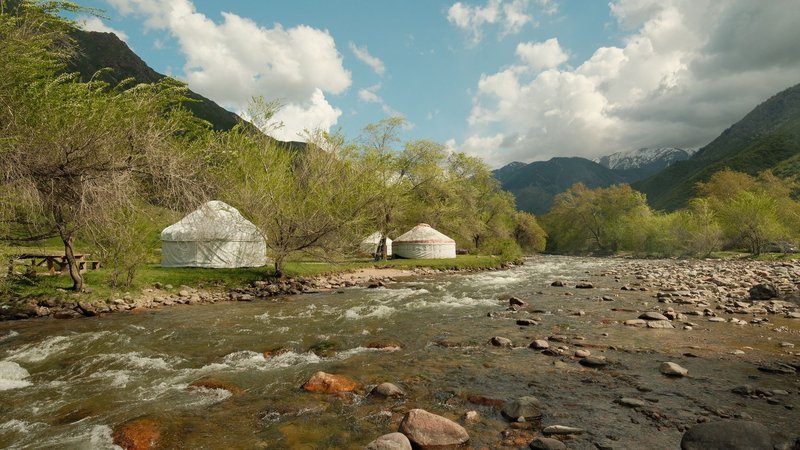
- Learn two or three Kyrgyz words. Rahmat (thank you) goes a long way, especially with shepherds, yurt-camp hosts and village families, who speak Kyrgyz first.
- In Osh and the Fergana Valley, don’t be surprised to hear Uzbek. Russian still works as the common thread.
- Download offline translation. Menus, bus signs and shop fronts are in Cyrillic. An offline Russian pack for your phone solves most of it.
- Check official travel guidance. The US State Department’s Kyrgyzstan page lists entry requirements and other practical details.
Kyrgyz will keep getting more legal weight. Russian will keep getting used. For now, the safest summary is the legal one: Kyrgyz is the state language, Russian is the official language, and a visitor who speaks a little of either will get further than one who speaks only English.


