Traditions in Serbia run on two clocks. The state uses the Gregorian calendar, but the Serbian Orthodox Church still dates its feasts by the Julian one, which sits 13 days behind. That’s why Christmas lands on January 7, why there are two New Years, and why a family’s big annual feast can fall on a date that looks random until you know whose saint it is.
This guide follows the year from winter to autumn, then covers weddings, godparenthood and newborn visits, regional differences, and the guest etiquette that decides whether you get fed once or five times. Dates are Gregorian unless marked otherwise.
Contents
- Serbian customs at a glance
- Slava: the tradition that defines a family
- Winter traditions in Serbia
- Spring: Lent, Easter and Đurđevdan
- Summer traditions
- Autumn traditions
- Life events: weddings, kumstvo and babine
- Regional variety
- Etiquette: what to do as a guest
- Summary
Serbian customs at a glance
| Custom | Date | Where | Meaning |
|---|---|---|---|
| Slava | Family-specific (Dec 19, Nov 21, May 6 and Jan 20 are common) | Nationwide | Annual feast of a family’s patron saint, passed from father to son |
| Badnji dan and Božić | Jan 6 and Jan 7 | Nationwide | Orthodox Christmas Eve and Christmas |
| Srpska Nova godina | Jan 14 | Nationwide | Julian-calendar New Year |
| Savindan | Jan 27 | Nationwide | Feast of Saint Sava, founder of the Serbian church; school holiday |
| Sretenje | Feb 15 | Nationwide | Statehood Day, marking the 1804 uprising and the 1835 constitution |
| Lazareva subota (Vrbica) | Saturday before Palm Sunday | Villages, mainly south and east | Children’s willow rites; Lazarice processions |
| Vaskrs | Early April to early May | Nationwide | Easter: dyed eggs, egg tapping, lamb |
| Đurđevdan | May 6 | Nationwide, strong among Roma (Herdelezi) | Saint George’s day; spring, herds, picnics |
| Dodole | Summer drought | Villages | Rain-calling ritual |
| Vidovdan | Jun 28 | Nationwide | Remembrance of the 1389 Battle of Kosovo |
| Ivanjdan | Jul 7 | Nationwide | Midsummer: herb wreaths, bonfires |
| Mitrovdan and Aranđelovdan | Nov 8 and Nov 21 | Nationwide | Autumn feasts, both popular Slava days |
Slava: the tradition that defines a family
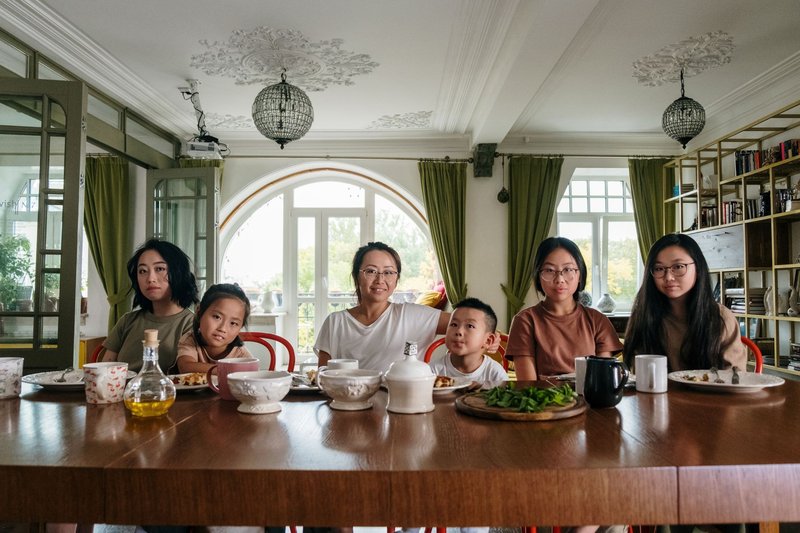
Start here, because everything else in Serbian domestic life orbits it. Every family has a patron saint, usually the saint on whose day an ancestor was baptized. The feast is inherited through the male line, and a woman who marries takes her husband’s Slava. In 2014 UNESCO added it to the list of intangible cultural heritage, recognizing it as a marker of family identity across generations.
The table is set before anyone arrives. Three things sit at its center:
- Slavski kolač, a round ceremonial bread stamped with a seal. The host cuts it crosswise, turns it, and pours wine over it, ideally with a priest present.
- Koljivo, boiled wheat sweetened with sugar and walnuts. It’s offered for the souls of the dead.
- A lit candle and a glass of wine.
Then comes the food: sarma, roast pork or lamb, salads, cakes by the tray. If the saint’s day falls on a fasting day, the meal is posna, with no meat or dairy, and nobody apologizes for it.
The doors are effectively open all day. Relatives, neighbors and colleagues drop in, eat, drink to the host’s health and leave. The most common Slava dates are Sveti Nikola (December 19), Sveti Jovan (January 20), Đurđevdan (May 6), Mitrovdan (November 8) and Aranđelovdan (November 21). Ask a Serbian friend “Koja je vaša slava?” and the answer tells you which day of the year they won’t be free.
Some villages keep a related custom, the zapis. It’s a sacred tree, usually an oak or linden, with a cross carved into the trunk or set beside it. Families or whole villages gather beneath it on the saint’s day for a blessing and a shared meal.
Winter traditions in Serbia
Christmas (Božić), January 7. Serbian Christmas begins the day before, on Badnji dan. A young oak branch, the badnjak, is cut in the morning and burned on the hearth that night. Families without a hearth tie oak leaves with ribbon and hang them on the door. Straw is spread under the table, and children are expected to peep like chicks while gathering walnuts from it.
Christmas Eve dinner is a fasting meal: fish, beans, prebranac, walnuts, honey, dried fruit. Christmas Day brings the česnica, a bread baked with a coin inside. Whoever finds the coin gets luck for the year. The first visitor through the door on Christmas morning, the polaznik, is supposed to bring good fortune to the house, so families choose who comes first with some care.
The greeting is “Hristos se rodi” (Christ is born), answered with “Vaistinu se rodi” (Truly born). You’ll hear it from Christmas Day onward. Carol-singing groups, the koleda, still go door to door in some villages.
Srpska Nova godina, January 14. The Julian New Year. Restaurants hold second New Year’s parties, and for some families it’s the bigger of the two.
Savindan, January 27. The feast of Saint Sava, first archbishop of the Serbian church. Schools hold recitals and assemblies, so it’s a day off in spirit and a ceremony in practice.
Sretenje, February 15. Church-wise it’s the Presentation of the Lord. In civic terms it’s Statehood Day, marking the start of the First Serbian Uprising in 1804 and the adoption of the 1835 constitution. February 15 and 16 are public holidays.
Spring: Lent, Easter and Đurđevdan
Great Lent runs seven weeks before Easter, and many Serbs still observe it: no meat, eggs or dairy. Weddings are not held during Lent. Restaurants add posno menus, which tells you how many people are doing it.
Lazareva subota (Vrbica). On the Saturday before Palm Sunday, children go out at dawn to gather willow branches and wash in streams with flowers. In parts of southern and eastern Serbia, girls known as Lazarice walk from house to house in costume, singing, and receive eggs, sweets or coins. It’s one of the older customs on the calendar and one of the least covered in English.
Cveti (Palm Sunday). Willow is blessed in church and carried home. Branches are tucked behind icons.
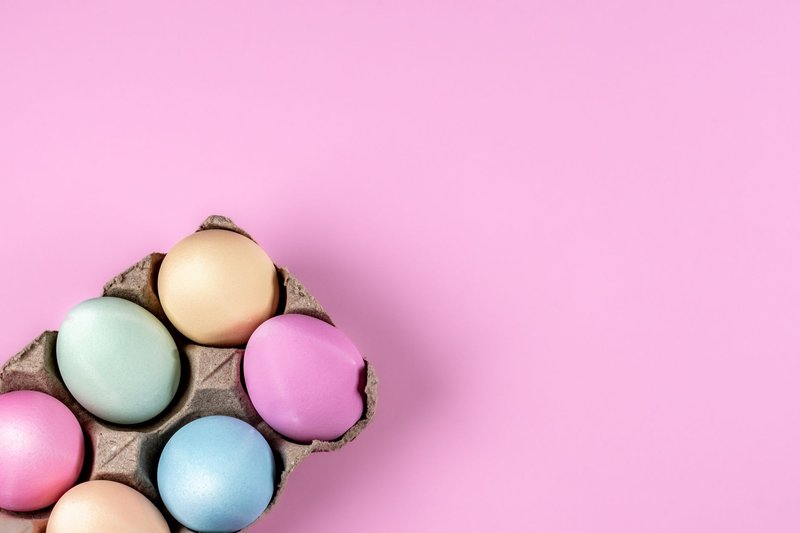
Vaskrs (Easter). Eggs are dyed on Holy Thursday or Good Friday. The first egg is always red and is called the čuvarkuća, the house-keeper. It sits in front of the icons for a year to protect the home, and last year’s egg is retired.
On Easter morning, people play tucanje. Two players each hold an egg, tap the tips together, and whoever’s egg stays uncracked goes on to the next round. The person holding the last intact egg wins and gets bragging rights until next year. Cheating with a wooden or marble egg is a tradition of its own.
The greeting changes: “Hristos vaskrse” (Christ is risen), answered with “Vaistinu vaskrse” (Truly risen). Lamb is roasted. Easter Monday is a public holiday for Orthodox Christians. Because Orthodox Easter follows the Julian-based calculation, it falls between early April and early May and often differs from the Western date.
Đurđevdan, May 6. The feast of Saint George marks the start of the summer pastoral season. People go out to meadows and riversides, roast lamb on spits, weave flower wreaths and gather herbs. It’s also one of the most common Slava days in the country. Among Serbian Roma it’s celebrated as Herdelezi, with music, lamb and picnics, and it’s a major event of their year.
Summer traditions
Dodole. In a drought, village girls once dressed in leaves and grasses, danced from house to house and were splashed with water by the residents while singing for rain. Today you’re more likely to see the custom staged at folk festivals than performed in earnest.
Vidovdan, June 28. Remembrance of the Battle of Kosovo in 1389. The day is heavy with national meaning: church services, commemorations and strong feelings. If you’re in Serbia then, treat it as a day for listening, not for casual debate.
Ivanjdan, July 7. The Nativity of Saint John the Baptist falls near midsummer in the Julian calendar. Traditionally this meant herb wreaths on doors and bonfires, and herbs picked on this day were believed to be at their strongest.
Ilindan, August 2. Saint Elijah, associated with thunder and storms. Farmers avoided field work on his day for fear of lightning.
Guča. The Dragačevo Trumpet Festival in Western Serbia is the loudest modern tradition on the calendar, a brass-band competition that grew into a week-long party each August. It isn’t ancient, but it has taken root in Serbian summer culture.
Autumn traditions
Grape harvest. In September, Vojvodina’s wine towns hold harvest festivals. Vršac and Sremski Karlovci are best known for theirs, with parades, tastings and folk groups.
Plum brandy season. Autumn is when plums come in and the copper stills come out. Home distilling of šljivovica is a rural tradition that predates any commercial label, and in some villages neighbors share a still in turns. If someone offers you “domaća rakija” (homemade), that’s a compliment. It’s also strong.
Mitrovdan, November 8. Saint Demetrius closed the old agricultural year, when accounts were settled and farmhands were hired for the next one. It’s a popular Slava.
Aranđelovdan, November 21. The feast of the Archangel Michael, another very common Slava.
Advent fast. From late November through Christmas Eve the Nativity fast runs, and weddings are off the calendar again.
Life events: weddings, kumstvo and babine
Serbian wedding traditions. A traditional wedding starts with prosidba, the formal proposal. Because weddings are not held during fasts, the busy seasons are late spring, summer and early autumn. Guests, the svatovi, arrive in a car procession with horns, led by the barjak, a decorated flag carried by a chosen relative. Staged “ransom” negotiations at the bride’s house are still played for laughs. The bride may toss an apple over the roof, and children scramble to catch it. Then comes a long meal with a band, kolo dancing and plenty of rakija.
Kumstvo. Godparenthood in Serbia is not a ceremonial title. The kum is the best man or the baptismal sponsor, and the bond between the two families is lifelong and passed down. The kum’s role can include the šišano kumstvo, the child’s first haircut. You’ll hear Serbs say “kum” about a friend of 30 years with the same weight as “brother.”
Babine. The word covers the visit to a new mother and baby, usually in the first weeks. Relatives and friends bring gifts, clothing and sweets, and traditionally leave some money for the child. It’s also the name of a January day, around January 21 (January 8 in the Julian calendar), which honors midwives.
Regional variety
Serbia is small, but its customs shift fast with geography.
- Vojvodina is multiethnic: Hungarians, Slovaks, Romanians, Rusyns and Croats all live in the province. Salaš farmhouse dining, tamburica music and harvest festivals set the tone. The Bunjevci community in Subotica holds the Dužijanca harvest festival in August.
- Šumadija, the central heartland, was the center of the 1804 uprising. Sretenje and zapis trees feel most at home here, and village Slavas are at their most traditional.
- Western Serbia (Zlatibor, Dragačevo, the Drina valley) is gusle and trumpet country. UNESCO has also inscribed Kolo, the traditional folk dance, which you’ll see at weddings and festivals across Serbia.
- Eastern and southern Serbia keep the oldest ritual layers: Lazarice, Dodole and other rites with pre-Christian roots, often tied to Vlach communities and their own local calendar of spring and summer customs.
Etiquette: what to do as a guest
Greeting. Friends and family greet with three kisses, alternating cheeks. Strangers and formal introductions get a handshake. If someone leans in, go with it.
Shoes. Take them off at the door. Hosts will offer slippers (papuče) and look mildly offended if you refuse.
Gifts. Bring something every time: flowers (an odd number; even numbers are for funerals), chocolates, coffee or a decent bottle. At a Slava, greet the host with “Srećna slava!” Nothing lavish is expected.
Coffee and rakija. A visit starts with domaća kafa (Turkish-style coffee), often with spoon sweets (slatko) and a glass of water. Rakija is the other half of the welcome. When you toast, say “Živeli!” (to life) and look the other person in the eye. Skipping eye contact is the classic mistake.
Food. Eat more than you think you should. A host who has cooked for two days will keep refilling your plate, and “no, thanks” is read as an opening bid. Say “prijatno” before a meal. During fasts, expect a vegetarian table that’s still enormous.
Religious occasions. You don’t have to cross yourself or kiss an icon, but standing quietly during a blessing or the cutting of the Slava bread is expected.
Summary
Traditions in Serbia cluster around three things: the patron-saint feast every family owns, the Orthodox calendar with its Julian dates and fasts, and a local layer of village rites tied to spring and summer. Slava is the key to Serbian family life. Christmas, Easter and Đurđevdan set the national rhythm. Weddings, kumstvo and babine show how families are bound together. For a visitor the checklist is short: bring a gift, take off your shoes, say “Živeli” with eye contact, and accept the second plate.